
Indoor LED Displays Are Reshaping Workplace Communication
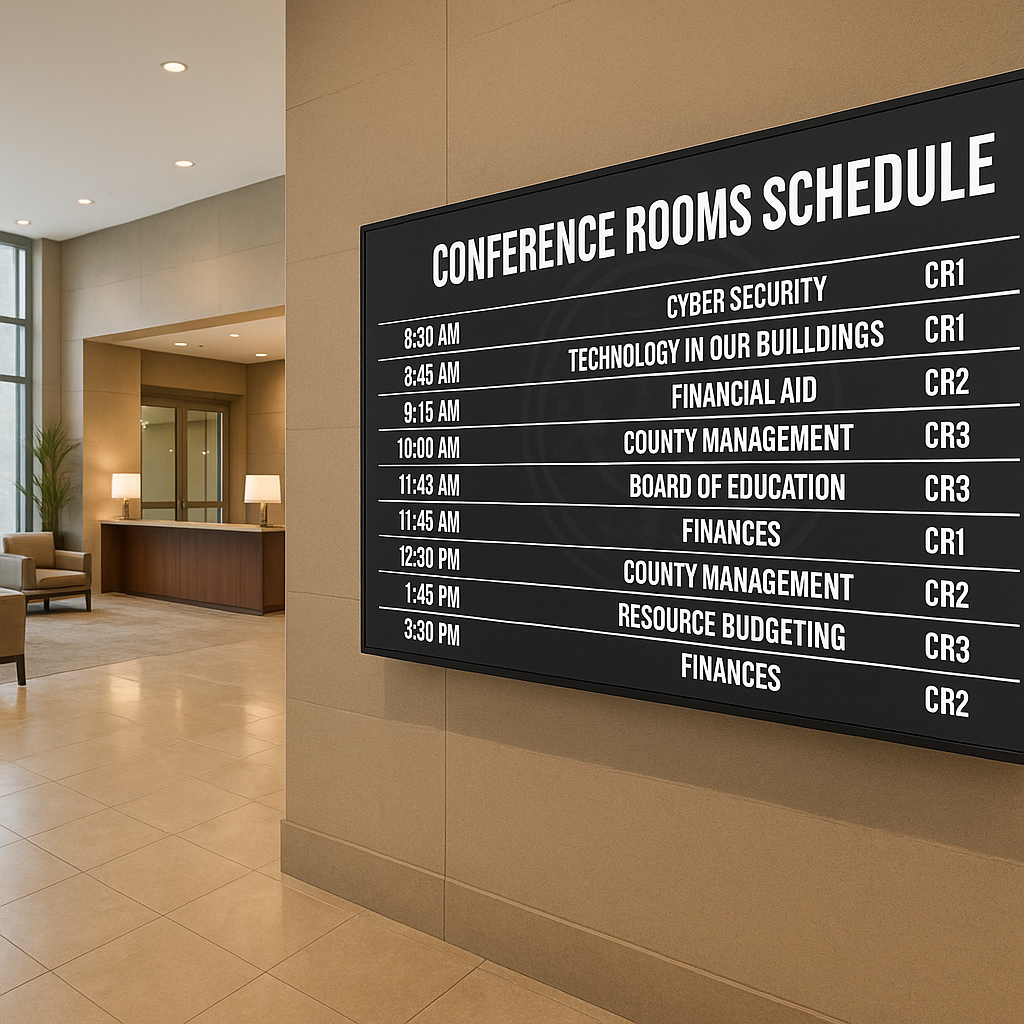
LEDs (Light Emitting Diodes) have skyrocketed in popularity thanks to their energy efficiency, eco-friendliness, affordability, and long lifespan. They’re the backbone of modern digital signage and scoreboards, offering businesses a reliable and impactful way to display information and attract attention.
Among the various types of LEDs, SMD (Surface Mounted Devices) and DIP (Dual Inline Package) LEDs stand out as the most common technologies. While they share the same foundational principles, they bring unique advantages to the table.
How to Choose the Right Indoor LED Display for Your Space
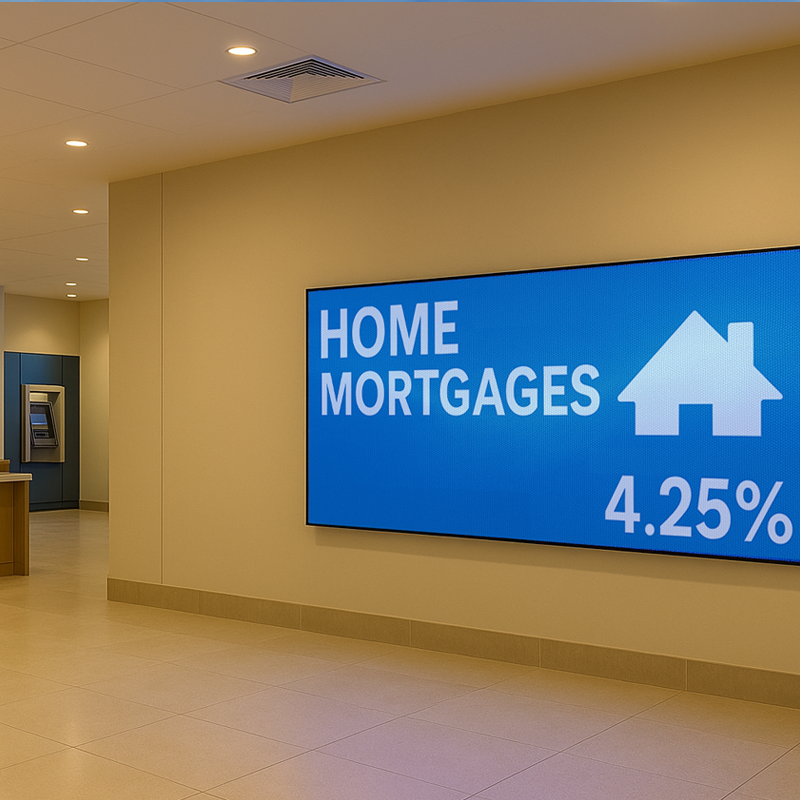
Indoor LED displays are a smart choice for businesses that want to communicate visually with impact. Whether you’re managing a lobby, retail floor, meeting space, or control room, the right LED sign makes it easier to deliver clear, eye-catching messages. But not all LED displays are created equal. To get the most out of your investment, you need to consider factors like viewing distance, pixel pitch, ambient lighting, and content needs. Let’s break it down. Why Indoor LED Displays Make Sense LED technology has quickly outpaced older options like LCD panels or projectors. Here’s why: They’re self-illuminating, so they remain bright and legible in any lighting. They’re modular, which means they scale to nearly any size or shape. They’re durable and energy-efficient, offering years of dependable service. LED signs are designed for attention. That’s why companies are using them in offices, retail stores, airports, hotels, conference centers, and even emergency command rooms. Fact: Indoor LED signs can operate for 100,000+ hours—that’s over 11 years of 24/7 use. Pixel Pitch: What It Is and Why It Matters Pixel pitch is the space between each LED diode, measured in millimeters. The lower the number, the tighter the pitch—and the sharper the image at close range. Here’s a quick reference: 0.9mm–1.5mm: Perfect for viewers within 6–10 feet (e.g., lobbies or meeting rooms) 1.5mm–2.5mm: Great for 10–20 foot distances (e.g., corridors or waiting areas) 2.5mm+: Ideal for distant viewing (e.g., indoor arenas or large halls) Tip: A tighter pitch boosts readability. In fact, when the pitch matches the viewing distance, message clarity improves by up to 70%. Ambient Light and Viewing Angles Lighting plays a big role in display performance. In well-lit spaces or areas with large windows, traditional displays often struggle with glare or washed-out images. That’s where LED shines—literally. LED screens stay bright and vibrant even in direct sunlight. They offer wider viewing angles (up to 180°), so content stays visible off-center. Stat: LED displays provide 10× better visibility in high ambient light compared to projection systems. What Will You Be Displaying? Choosing the right display isn’t just about size or brightness. You also need to think about what you’ll be showing. Detailed videos or high-res graphics? Go for a small pixel pitch with high refresh rates. Scrolling text or status updates? You can go with a higher pitch and simpler configuration. Also, if you plan to rotate different types of content throughout the day (e.g., live data, promotions, welcome messages), you’ll want a display that can handle fast transitions without flicker or lag. Benchmark: LED displays with refresh rates of 3,840 Hz or higher deliver smooth playback, even with fast-moving visuals. Efficiency and Longevity LED signs aren’t just more attractive—they’re also more cost-effective over time. They require less maintenance than LCDs or projectors. They consume 30–50% less energy thanks to modern power-saving features like auto-dimming. And they last longer, with less image degradation over time. Calculating Total Cost of Ownership It’s true—LED displays can cost more upfront. But over the life of the sign, that cost evens out. When you factor in: Reduced power usage Lower maintenance needs Longer operational life …you end up saving money in the long run. Many businesses see full ROI in 2–4 years, especially in high-visibility locations. Frequently Asked Questions About Indoor LED Displays Q: What pixel pitch is best for indoor LED displays at close viewing distances?A: For viewers within 6 to 10 feet, a pitch between 0.9mm and 1.5mm is recommended. According to recent display studies, matching pitch to proximity improves text and graphic clarity by up to 70%. Q: How do LED signs perform in bright indoor environments?A: LED displays are 10× more visible than projection screens in high ambient light. They remain vibrant even in sunlit or glass-heavy spaces, with 180° viewing angles for maximum reach. Q: What’s the difference between pixel pitch and resolution in LED displays?A: Pixel pitch is the spacing between diodes and affects how sharp the image appears at a given distance. Resolution refers to the total number of pixels. Smaller pixel pitch often means higher resolution per square foot. Q: Are indoor LED signs energy efficient?A: Yes. Indoor LED signs use 30–50% less energy than traditional LCDs or projectors. Most commercial-grade units feature built-in auto-brightness controls to minimize energy waste. Q: How long does a commercial indoor LED display last?A: Most indoor LED signs are rated for 100,000 hours of operation. That’s equivalent to over 11 years of continuous use—making them a reliable long-term asset. Why NEXT LED Signs Is the Right Choice for Indoor LED Displays At NEXT LED Signs, our indoor LED displays deliver unmatched clarity, reliability, and performance. Whether you need a high-resolution video wall for your corporate lobby or a dynamic message board for a retail space, our team will help you choose the right pixel pitch, size, and configuration to match your environment. Every display we build is engineered for long-term operation, with low energy use and seamless integration. From planning to installation and ongoing support, we’re here to make sure your indoor LED display works exactly how—and where—you need it to.
Selecting the Best Indoor LED Display for Your Needs

Shopping for an indoor LED display? It can be overwhelming. You’ve got specs, pitch sizes, resolutions, and price tags to compare—and it’s easy to miss the details that really matter. So, what makes one display better than another? The truth is, the best indoor LED display isn’t just about specs. It’s about choosing the right screen for your specific environment, audience, and content. Let’s walk through what you need to know. Start with Your Environment Think about where the display will go. Is it a bright lobby with lots of windows? A retail store with constantly shifting lighting? A control room where staff will be staring at the screen all day? These differences matter. Bright spaces need displays with higher brightness and glare resistance. Close-range viewers require tighter pixel pitch. Open layouts call for wide viewing angles so everyone sees the content clearly. Stat: LED displays provide up to 10× better visibility in high-ambient light environments compared to projection-based setups. What Are You Showing on the Screen? Content drives configuration. Ask yourself: Will you display text alerts or full-screen videos? Do you plan to rotate content daily or update in real-time? Is branding and image quality a top priority? If you’re showing high-resolution images, product visuals, or real-time dashboards, you’ll want a tighter pixel pitch and high refresh rates to prevent flicker or blur. Pro Tip: Displays with a refresh rate of 3,840 Hz or higher deliver smooth playback—even with fast-changing data or animations. Viewing Distance Still Matters Even in indoor settings, viewing distance plays a big role in screen performance. The closer the viewer, the tighter your pixel pitch should be. Here’s a quick rule of thumb: 1mm pixel pitch = ~3 feet of optimal viewing distance So if your viewers will be 6 feet away, aim for a 1.5–2mm pitch. Fact: Properly matched pitch improves message clarity by up to 70%, especially in environments like meeting rooms, retail counters, and event spaces. Ease of Installation and Maintenance Let’s not overlook the practical stuff. The best indoor LED display is the one that fits your space and your infrastructure. Wall-mounted? Suspended? Free-standing? Your mounting method may affect power access, ventilation, or servicing needs. Also, LED panels last longer than LCDs and projectors, with 100,000+ hour lifespans, but make sure the design allows for easy front or rear access when maintenance is needed. Most LED signs come with modular cabinets—if a section ever needs repair, you can swap it without replacing the whole screen. Think Beyond Today Your display should be ready for whatever comes next. Maybe you start with a welcome message and eventually shift to interactive content or real-time data. That’s why many businesses choose scalable, full-color indoor LED systems that adapt over time. Frequently Asked Questions About Choosing Indoor LED Displays Q: What factors determine the best indoor LED display for a space?A: It depends on lighting, viewing distance, content type, and layout. For example, open areas require wide viewing angles, while bright spaces need higher brightness and anti-glare capabilities. Q: How does pixel pitch affect image clarity?A: Smaller pixel pitch means sharper images at closer ranges. When matched properly to the viewer’s distance, displays deliver up to 70% better clarity—especially for text and branding visuals. Q: What makes LED better than projection indoors?A: LED signs offer 10× more brightness, wider viewing angles, and no need for darkened rooms. They’re also easier to scale and maintain over time. Q: How long do indoor LED displays last?A: Most are rated for 100,000 hours of operation, making them a solid long-term investment for businesses that want reliability. Q: Can indoor LED displays be upgraded or expanded later?A: Yes. Modular LED systems can grow with your needs, letting you expand or reconfigure displays as your space or goals change. Why NEXT LED Signs Is the Right Choice for Indoor LED Displays At NEXT LED Signs, we make it easy to choose the right display for your space—not just by selling you a product, but by helping you match it to your goals. We guide you through pitch selection, mounting options, brightness needs, and long-term support planning. Every indoor LED sign we build is designed for real-world environments, whether it’s a bright atrium, a retail display, or an executive boardroom. We don’t just deliver a sign—we deliver a solution that works from day one and evolves with your business. Let us help you extend your reach. With a digital display from NEXT, you can count on a hassle-free experience backed with outstanding warranties and service.
Signs in the Food Industry: Enhancing Menus and Promotions with LED Digital Signs
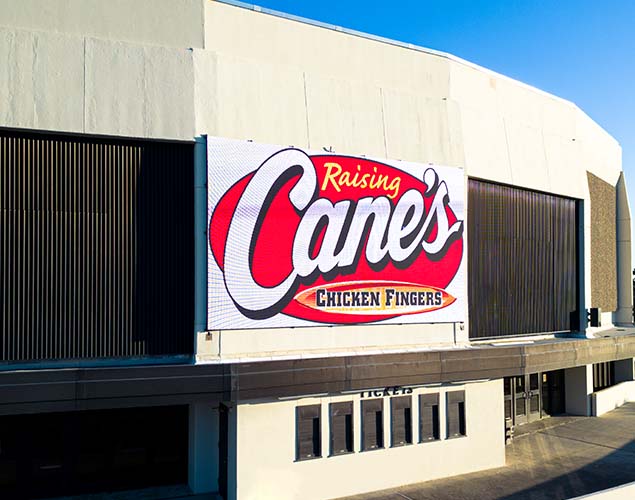
In the highly competitive food industry, LED digital signs are proving to be a game-changer. Restaurants, cafes, fast food chains, and food trucks alike are embracing digital signs to streamline operations, enhance customer experience, and increase sales. Whether it’s displaying dynamic menus, promotions, or daily specials, LED digital signage is quickly becoming an essential tool for food establishments looking to create a memorable and engaging atmosphere.