Signs Ready To Ship in 5 Days – Click Here 

Know What It Takes To Design For LED Signs?

LED Billboard Advertising | NEXT LED Signs

Designing for LED signs isn’t just graphic design at a different size. It’s about legibility at speed, clarity at distance, and timing that respects how people move. When you apply a few core principles—contrast, hierarchy, brevity, and pacing—your messages land fast and look premium on any display. https://youtu.be/TY6rAhOZeXY Start with viewing distance (then pick pixel pitch) Viewing distance drives everything. The farther away your audience is, the larger your type needs to be and the less detail you can show. As a rule of thumb, use large, high-weight fonts with generous spacing at longer distances. Match the display’s pixel pitch to the typical viewing distance so text edges look clean (smaller pitch = tighter, smoother text). Build clear hierarchy Give viewers one job at a time. Lead with a short, bold headline, follow with a single supporting point, and finish with a simple call to action. Avoid stacking multiple CTAs on a single frame. White space is your friend—it separates ideas and makes each element readable at a glance. Contrast and color that pop High contrast wins. Pair light text on dark backgrounds (or vice versa); avoid mid-tone on mid-tone combinations that blend at distance. Reserve brand accent colors for key words or numbers so they stand out. Maintain color consistency across frames so the message reads as one cohesive story. Keep copy tight and time it right Short beats long—think fragments, not sentences. Most viewers have only seconds. Use 2–3 concise frames rather than one crowded frame. Allow enough on-screen time for the slowest reader in your audience. As a starting point, aim ~2–3 seconds for a simple headline and a touch longer when you include a supporting line. Motion with purpose Motion should guide attention, not distract. Use subtle fades, slides, or counters to direct the eye to the key message. Avoid fast flashing or excessive animation that can reduce readability. Ambient light and brightness Daylight, window glare, and interior lighting affect visibility. Set brightness so text stays crisp without washing out colors. If you’re near windows or in bright lobbies, prioritize bold weights and higher contrast palettes. Data-supported impact you can cite Digital signage has been shown to lift sales by roughly 32% and reduce perceived wait times by up to 35%. Studies also report 55–83% higher ad recall than static signage, and large majorities of shoppers say screens influence what they buy. In other words: clear LED design pays off in real outcomes, not just good looks. Production checklist (rapid pass) One big idea per frame High-contrast color pairings Large, heavy fonts with generous spacing Tight copy; minimal punctuation Intentional motion cues CTA present on the final frame Why NEXT LED Signs is the right choice Great design deserves great hardware. NEXT LED Signs builds indoor and outdoor LED displays engineered for clarity, reliability, and easy updates. Every display includes cloud-based software so your team can schedule, swap, and test messages in minutes. Ready to make high-impact LED content the easy way? Contact NEXT LED Signs today for a free quote. FAQs About Designing Messages for LED Signs How much do well-designed LED signs impact sales?Retailers using digital signage report average sales lifts around 32%, showing how clear, concise on-screen messages drive action. Do LED signs improve message recall compared to static posters?Yes. Studies show 55–83% higher ad recall for digital signage versus static, thanks to motion, contrast, and updatable content. Can LED sign design help with perceived wait times?Well-timed, informative frames can reduce perceived wait times by up to 35%, improving the overall customer experience. What copy length works best when designing for LED signs? Keep headlines short and scannable (a few impactful words). Use a single supporting line and a simple CTA on the closing frame. How should I use motion when designing for LED signs?Use motion to guide attention—subtle transitions, directional movement, or counters. Avoid rapid flashing that hurts legibility.

Creating a Premium In-Store Experience with LED Displays

Indoor Digital LED Signs for Retail Stores | Next LED Signs

When customers walk into a store, their first impression shapes how long they stay, how much they buy, and whether they return. LED displays play a big role in creating that premium in-store experience. Bright, dynamic visuals elevate the atmosphere, deliver information instantly, and set your brand apart from competitors. https://youtu.be/3ZAryOTVaoE What is retail digital store signage? Retail digital store signage refers to screens (LED displays, video walls, kiosks) installed inside shops, controlled by a centralized CMS, that dynamically present content like promotions, wayfinding, messaging, or interactive interfaces. These displays let stores update messaging instantly across locations and tailor visuals by zone or time of day without reprinting. What are the benefits of digital signs in retail? Digital signage offers speed, flexibility, and impact. Because screens can be updated, retailers eliminate printing cycles—saving cost and reducing waste. Visual recall is strong in hardware-enabled environments: digital signage enjoys an 83% recall rate, far surpassing static media. Customer behavior proves the payoff: 80% of customers say they entered a store because a digital sign caught their interest. And many retailers report average sales increases of 31.8% after deploying indoor digital signage. What type of signage is used in the retail store? Retail setups commonly include: LED displays and panels for product zones Video walls for striking visual centers Digital kiosks or interactive signage for self-service, product lookup, or loyalty logins Wayfinding screens in complex layouts Video walls often comprise 27% of the digital signage market and serve as attention magnets by anchoring focal areas. How do you use indoor LED signs to increase sales? Place displays near categories, point-of-sale, or high-interest zones. Use them to cross-sell accessories, highlight limited-time discounts, or rotate visuals that guide shoppers toward add-ons. Because digital signage captures 400% more views than static displays, you have a better chance at influencing decisions. At checkout, small screens or impulse messaging can drive incremental purchases: 19% of consumers report making impulse buys after seeing digital ads. What is the cost of an in-store retail digital store signage system? While hardware, software, installation, and training vary by scale, many retailers estimate that total system cost amortizes over 3–5 years through increased revenue and operational savings. You gain 30–35% reductions in advertising and printing costs and cut labor for signage changeovers. Is retail digital store signage easy to use? Yes—modern CMS platforms make it simple. Team users or store managers can swap visuals by location, schedule daily content, and preview changes. Because digital displays allow updates instantly, 95% of users rank ease-of-update among the top benefits. How is digital signage installed? Displays install via wall mounts, ceiling brackets, freestanding enclosures, or recessed setups. Media players plug into each display (or cloud-based systems stream content). Network connectivity ensures updates sync instantly. For retail chains, installs scale with rack-mount players and managed rollout plans. How can you use LED in a retail environment? Use LED displays for product showcases, ambient messaging, digital shelf tags, sizing guides, and window displays. LED panels excel in bright zones—thanks to high brightness and contrast—and can combine with touch capabilities for interactive features. Their modular nature allows video walls to scale across walls or pillars. How can a small business maximize in-store signage? Start with a few high-impact zones—entrance, checkout, and a cross-sell aisle. Use templated content you can rotate weekly. A/B test messages. Use your display network as a mini retail media network by showcasing brand partnerships. Even one display can pay for itself when paired with smart content and location strategy. What content ideas drive sales and engagement? Run rotating promotions, spotlight top sellers, use subtle motion to draw attention, run loyalty or member offers, countdown timers for flash deals, and display product testimonials or social media feeds. Tailor by daypart—morning, lunch, evening. Mix brand storytelling with hard sells to keep environments engaging. What should be displayed on digital signage in a store? High-level recommendations: Short headlines and supporting lines Clear call to action (e.g. “See this at aisle 5”) Imagery or video with product visuals Dynamic offers that change by time or inventory Localized content per store Wayfinding cues Loyalty or coupon prompts How can digital signage enhance the in-person shopping experience? Good signage informs, engages, and reduces friction. It helps shoppers find what they want, highlights helpful options, and delivers timely offers. Rather than wandering, customers feel guided. That sense of clarity, coupled with visual dynamism, transforms a store into a smart, immersive environment. Why NEXT LED Signs is the Right Choice Delivering a premium in-store experience requires technology that is bright, reliable, and easy to manage. NEXT LED Signs manufactures indoor LED displays engineered for clarity and performance. Our video walls and programmable signage are designed to capture attention, guide customers, and enhance brand presence. Every display comes with cloud-based software for simple updates, giving retailers the flexibility to keep content fresh and relevant. With in-stock products, fast five-day shipping, and strong dealer support, NEXT LED Signs makes it easy for retailers to create in-store experiences that customers remember. Ready to elevate your store with a premium in-store experience? Contact NEXT LED Signs today for a free quote and see how fast, reliable LED displays can transform your retail space.+ FAQs About LED Signage for Retail Stores How quickly can retailers see ROI from in-store digital signage?Many programs reach positive ROI in 6–18 months, and some case studies report payback in ~11 months depending on scale and content effectiveness.  Where should stores place signage to improve wayfinding and reduce shopper stress?Put displays at decision points (entrances, aisle junctions, service counters). Smart wayfinding has been shown to cut shopper stress by ~20%, which helps keep dwell time and satisfaction up.  Does dwell time on digital displays correlate with better outcomes?Yes—longer on-screen engagement is linked with up to 30% higher recall and up to 20% higher conversion rates when content is relevant.  Are LED displays the preferred hardware for retail digital signage?Yes. The LED segment accounts for roughly 48.5% of the retail digital signage market,

Indoor Digital Displays Improve Wayfinding Efficiency

Indoor LED Signs for Banks | Next LED Signs

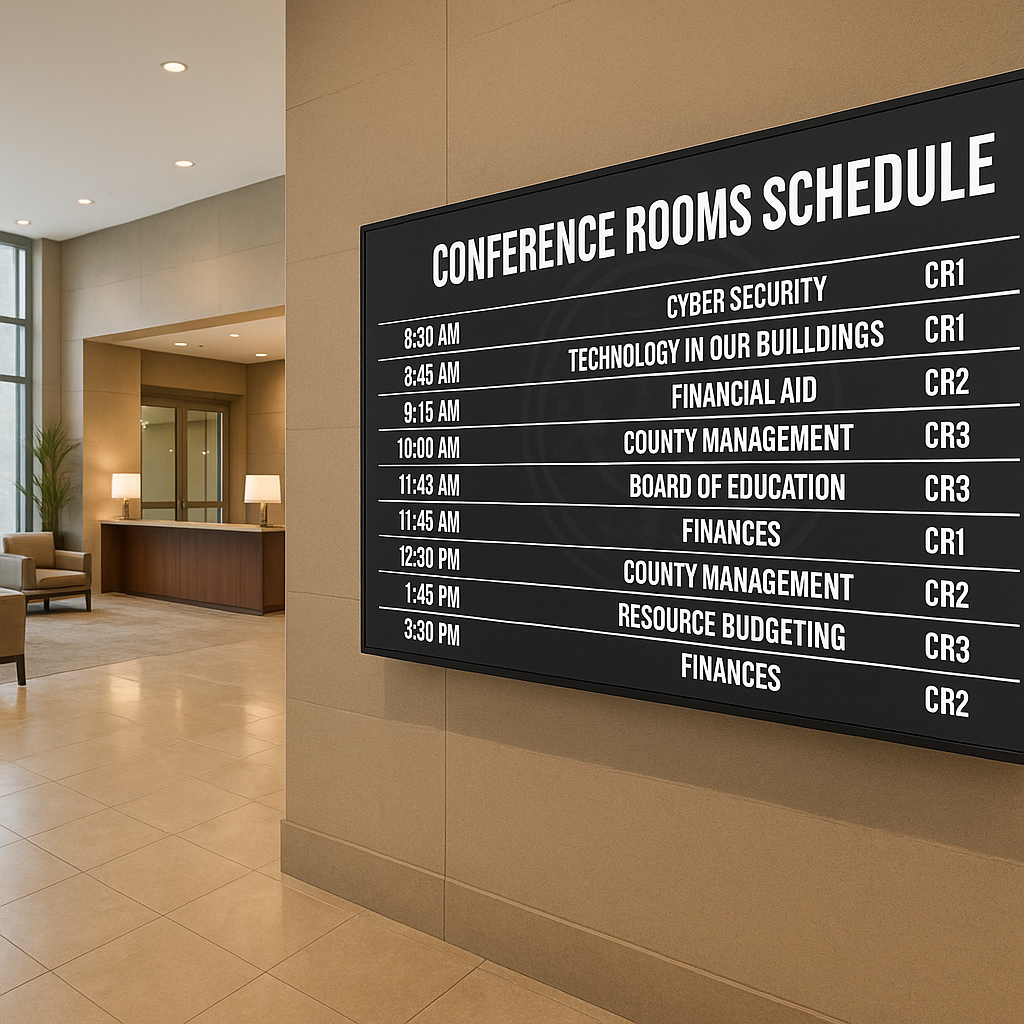
Finding your way through a busy building can be frustrating—especially in hospitals, schools, airports, and office complexes. That’s where indoor LED displays shine. These digital signs help people navigate large spaces quickly, confidently, and without confusion. Why Wayfinding Matters Good wayfinding improves the experience for visitors and staff. It cuts down on delays, missed appointments, and the need for one-on-one directions. In places like healthcare facilities, every second counts—and clear signage helps make sure people get where they’re going on time. Plus, wayfinding signs don’t just guide—they can inform. Event schedules, emergency messages, and service alerts can all be displayed in real time. LED Displays Make It Clear Traditional signs are static. Once printed, they stay the same—unless you replace them. Digital LED displays let you update directions, schedules, or alerts instantly. Whether you need to reroute traffic due to construction or show live updates during an event, your sign can adapt. And because LED displays are bright and clear from a distance, people spot them faster and follow instructions more easily. Industry Adoption and Market Growth Education Sector 70% of colleges have integrated digital displays for wayfinding, classroom information, and event scheduling. Retail & Public Spaces Digital signage engages 10% of U.S. residents over age 12, proving its effectiveness in attracting attention. Navigation Efficiency & Customer Satisfaction Implementing digital wayfinding solutions increases navigation efficiency by 40% and enhances visitor experience by 30% in complex venues like shopping centers and healthcare facilities. Market Expansion The global digital signage market continues to expand, with an estimated CAGR of 7.7%. Revenue is projected to grow from $25.1 billion in 2022 to $34.7 billion by 2026, fueled by increasing demand for digital wayfinding solutions. Flexible for Any Facility We design indoor signs that fit right into lobbies, hallways, entry points, and more. With slim profiles, high-resolution output, and quiet operation, these displays work seamlessly in: Hospitals Convention centers Universities Museums Office buildings Transit hubs Frequently Asked Questions How do LED displays improve wayfinding?Digital signs can increase wayfinding success by over 30% compared to static signs, according to a study by the Society for Environmental Graphic Design. Clearer instructions mean fewer people getting lost or missing appointments. Can the displays be updated in real time?Yes. With cloud-based software, staff can update directions or alerts in seconds. This is especially useful for facilities with shifting schedules, emergency notices, or high foot traffic. Are LED signs easier to read than printed signs?Absolutely. LED displays are brighter and more visible from a distance. In well-lit buildings or dim corridors, digital signs maintain their clarity—reducing confusion and eye strain. Can I show more than just directions?Definitely. Many facilities display room schedules, meeting notices, safety instructions, or service updates alongside wayfinding messages. It’s a flexible, multi-use solution. Do LED wayfinding signs reduce labor or costs?They do. Digital signage reduces the need for printed signs and personal assistance. One large hospital reported a 25% drop in staff time spent redirecting patients after installing LED wayfinding displays. At Next LED Signs, we provide state-of-the-art LED signage solutions designed to meet the needs of businesses worldwide. Whether you want to enhance retail experiences, streamline public communication, or improve operational efficiency, we can help. Let’s bring your vision to life. Contact Next LED Signs today to explore cutting-edge digital signage solutions tailored to your industry.

How to Choose the Right Indoor LED Display for Your Space
Indoor LED Signs for Banks | Next LED Signs

Indoor LED displays are a smart choice for businesses that want to communicate visually with impact. Whether you’re managing a lobby, retail floor, meeting space, or control room, the right LED sign makes it easier to deliver clear, eye-catching messages. But not all LED displays are created equal. To get the most out of your investment, you need to consider factors like viewing distance, pixel pitch, ambient lighting, and content needs. Let’s break it down. Why Indoor LED Displays Make Sense LED technology has quickly outpaced older options like LCD panels or projectors. Here’s why: They’re self-illuminating, so they remain bright and legible in any lighting. They’re modular, which means they scale to nearly any size or shape. They’re durable and energy-efficient, offering years of dependable service. LED signs are designed for attention. That’s why companies are using them in offices, retail stores, airports, hotels, conference centers, and even emergency command rooms. Fact: Indoor LED signs can operate for 100,000+ hours—that’s over 11 years of 24/7 use. Pixel Pitch: What It Is and Why It Matters Pixel pitch is the space between each LED diode, measured in millimeters. The lower the number, the tighter the pitch—and the sharper the image at close range. Here’s a quick reference: 0.9mm–1.5mm: Perfect for viewers within 6–10 feet (e.g., lobbies or meeting rooms) 1.5mm–2.5mm: Great for 10–20 foot distances (e.g., corridors or waiting areas) 2.5mm+: Ideal for distant viewing (e.g., indoor arenas or large halls) Tip: A tighter pitch boosts readability. In fact, when the pitch matches the viewing distance, message clarity improves by up to 70%. Ambient Light and Viewing Angles Lighting plays a big role in display performance. In well-lit spaces or areas with large windows, traditional displays often struggle with glare or washed-out images. That’s where LED shines—literally. LED screens stay bright and vibrant even in direct sunlight. They offer wider viewing angles (up to 180°), so content stays visible off-center. Stat: LED displays provide 10× better visibility in high ambient light compared to projection systems. What Will You Be Displaying? Choosing the right display isn’t just about size or brightness. You also need to think about what you’ll be showing. Detailed videos or high-res graphics? Go for a small pixel pitch with high refresh rates. Scrolling text or status updates? You can go with a higher pitch and simpler configuration. Also, if you plan to rotate different types of content throughout the day (e.g., live data, promotions, welcome messages), you’ll want a display that can handle fast transitions without flicker or lag. Benchmark: LED displays with refresh rates of 3,840 Hz or higher deliver smooth playback, even with fast-moving visuals. Efficiency and Longevity LED signs aren’t just more attractive—they’re also more cost-effective over time. They require less maintenance than LCDs or projectors. They consume 30–50% less energy thanks to modern power-saving features like auto-dimming. And they last longer, with less image degradation over time. Calculating Total Cost of Ownership It’s true—LED displays can cost more upfront. But over the life of the sign, that cost evens out. When you factor in: Reduced power usage Lower maintenance needs Longer operational life …you end up saving money in the long run. Many businesses see full ROI in 2–4 years, especially in high-visibility locations. Frequently Asked Questions About Indoor LED Displays Q: What pixel pitch is best for indoor LED displays at close viewing distances?A: For viewers within 6 to 10 feet, a pitch between 0.9mm and 1.5mm is recommended. According to recent display studies, matching pitch to proximity improves text and graphic clarity by up to 70%. Q: How do LED signs perform in bright indoor environments?A: LED displays are 10× more visible than projection screens in high ambient light. They remain vibrant even in sunlit or glass-heavy spaces, with 180° viewing angles for maximum reach. Q: What’s the difference between pixel pitch and resolution in LED displays?A: Pixel pitch is the spacing between diodes and affects how sharp the image appears at a given distance. Resolution refers to the total number of pixels. Smaller pixel pitch often means higher resolution per square foot. Q: Are indoor LED signs energy efficient?A: Yes. Indoor LED signs use 30–50% less energy than traditional LCDs or projectors. Most commercial-grade units feature built-in auto-brightness controls to minimize energy waste. Q: How long does a commercial indoor LED display last?A: Most indoor LED signs are rated for 100,000 hours of operation. That’s equivalent to over 11 years of continuous use—making them a reliable long-term asset. Why NEXT LED Signs Is the Right Choice for Indoor LED Displays At NEXT LED Signs, our indoor LED displays  deliver unmatched clarity, reliability, and performance. Whether you need a high-resolution video wall for your corporate lobby or a dynamic message board for a retail space, our team will help you choose the right pixel pitch, size, and configuration to match your environment. Every display we build is engineered for long-term operation, with low energy use and seamless integration. From planning to installation and ongoing support, we’re here to make sure your indoor LED display works exactly how—and where—you need it to.

Selecting the Best Indoor LED Display for Your Needs

LED Signs for Government & Municipal Organizations | Next LED Signs

Shopping for an indoor LED display? It can be overwhelming. You’ve got specs, pitch sizes, resolutions, and price tags to compare—and it’s easy to miss the details that really matter. So, what makes one display better than another? The truth is, the best indoor LED display isn’t just about specs. It’s about choosing the right screen for your specific environment, audience, and content. Let’s walk through what you need to know. Start with Your Environment Think about where the display will go. Is it a bright lobby with lots of windows? A retail store with constantly shifting lighting? A control room where staff will be staring at the screen all day? These differences matter. Bright spaces need displays with higher brightness and glare resistance. Close-range viewers require tighter pixel pitch. Open layouts call for wide viewing angles so everyone sees the content clearly. Stat: LED displays provide up to 10× better visibility in high-ambient light environments compared to projection-based setups. What Are You Showing on the Screen? Content drives configuration. Ask yourself: Will you display text alerts or full-screen videos? Do you plan to rotate content daily or update in real-time? Is branding and image quality a top priority? If you’re showing high-resolution images, product visuals, or real-time dashboards, you’ll want a tighter pixel pitch and high refresh rates to prevent flicker or blur. Pro Tip: Displays with a refresh rate of 3,840 Hz or higher deliver smooth playback—even with fast-changing data or animations. Viewing Distance Still Matters Even in indoor settings, viewing distance plays a big role in screen performance. The closer the viewer, the tighter your pixel pitch should be. Here’s a quick rule of thumb: 1mm pixel pitch = ~3 feet of optimal viewing distance So if your viewers will be 6 feet away, aim for a 1.5–2mm pitch. Fact: Properly matched pitch improves message clarity by up to 70%, especially in environments like meeting rooms, retail counters, and event spaces. Ease of Installation and Maintenance Let’s not overlook the practical stuff. The best indoor LED display is the one that fits your space and your infrastructure. Wall-mounted? Suspended? Free-standing? Your mounting method may affect power access, ventilation, or servicing needs. Also, LED panels last longer than LCDs and projectors, with 100,000+ hour lifespans, but make sure the design allows for easy front or rear access when maintenance is needed. Most LED signs come with modular cabinets—if a section ever needs repair, you can swap it without replacing the whole screen. Think Beyond Today Your display should be ready for whatever comes next. Maybe you start with a welcome message and eventually shift to interactive content or real-time data. That’s why many businesses choose scalable, full-color indoor LED systems that adapt over time. Frequently Asked Questions About Choosing Indoor LED Displays Q: What factors determine the best indoor LED display for a space?A: It depends on lighting, viewing distance, content type, and layout. For example, open areas require wide viewing angles, while bright spaces need higher brightness and anti-glare capabilities. Q: How does pixel pitch affect image clarity?A: Smaller pixel pitch means sharper images at closer ranges. When matched properly to the viewer’s distance, displays deliver up to 70% better clarity—especially for text and branding visuals. Q: What makes LED better than projection indoors?A: LED signs offer 10× more brightness, wider viewing angles, and no need for darkened rooms. They’re also easier to scale and maintain over time. Q: How long do indoor LED displays last?A: Most are rated for 100,000 hours of operation, making them a solid long-term investment for businesses that want reliability. Q: Can indoor LED displays be upgraded or expanded later?A: Yes. Modular LED systems can grow with your needs, letting you expand or reconfigure displays as your space or goals change. Why NEXT LED Signs Is the Right Choice for Indoor LED Displays At NEXT LED Signs, we make it easy to choose the right display for your space—not just by selling you a product, but by helping you match it to your goals. We guide you through pitch selection, mounting options, brightness needs, and long-term support planning. Every indoor LED sign we build is designed for real-world environments, whether it’s a bright atrium, a retail display, or an executive boardroom. We don’t just deliver a sign—we deliver a solution that works from day one and evolves with your business. Let us help you extend your reach. With a digital display from NEXT, you can count on a hassle-free experience backed with outstanding warranties and service.

Digital Signage Elevates Multi-Tenant Shopping Centers

ONYX full color digital LED display at Auburn Wine and Spirits - Wichita KS

When shoppers pull into your center, you only have a few seconds to grab their attention. That’s where a digital LED sign makes all the difference. It’s not just a screen—it’s a tool for driving foot traffic, supporting your tenants, and generating more revenue every day. Make Every Storefront Stand Out In a multi-tenant shopping center, it can be tough to give every business the visibility it deserves. With an LED display, you don’t have to choose. Tenants can take turns promoting sales, special events, or seasonal offers—automatically rotating throughout the day. It’s not just helpful. It’s powerful. Studies show that 80% of people enter a store because of a digital sign. Retailers using digital displays have reported sales increases of over 33%. More Than Just a Sign A well-placed digital display doesn’t just help your tenants. It helps your bottom line. Show leasing info to fill vacancies faster Highlight anchor stores to draw more shoppers Add interactive directories for easier navigation Sell ad space to local businesses for extra income Need to change messages? It only takes seconds. Schedule promotions ahead of time or make quick edits from your laptop or phone. Digital Signage Increases Sales and Profitability Ultimately, businesses invest in marketing to drive revenue growth. Fortunately, digital signage delivers measurable results. Studies reveal that: Retailers using digital displays see an average sales increase of 33%. Eye-catching signage keeps shoppers engaged, leading to more in-store purchases. With this in mind, multi-tenant shopping centers can expect higher tenant success rates, increasing both lease demand and overall revenue. Enhancing Navigation and Customer Experience Large retail spaces can be difficult to navigate. LED digital signage improves wayfinding with: Interactive maps that guide visitors to stores and amenities Event directories showcasing upcoming promotions Real-time updates for shoppers on new arrivals and deals Because digital signage improves accessibility, shoppers stay longer. As a result, they spend more money, benefiting both retailers and property owners. Creating New Income Opportunities Beyond improving visibility, digital signage creates revenue opportunities for property owners. By selling advertising space on LED displays, shopping centers can: Offset signage costs, making the investment even more valuable. Generate additional income by allowing third-party businesses to advertise. Foster a dynamic marketing ecosystem that benefits tenants and visitors alike. Since every retail space is unique, property owners can strategically place digital signage to maximize profitability. FAQs About LED Signs for Shopping Centers Do digital signs really increase store traffic?Yes—research shows 4 out of 5 shoppers walk into a store because of a digital sign. Can I promote multiple tenants on the same display?Absolutely. Content scheduling tools let each tenant display messages in a rotating loop throughout the day. What kind of sales increase can tenants expect?On average, retailers using digital signage report a 33% boost in sales. Can the sign help fill vacant units?Yes. Many centers promote leasing opportunities directly on their LED display to attract new tenants. Is there a way to make money from the sign?Definitely. You can offer ad space to local vendors or nearby attractions and use it as a revenue stream. Next LED Signs: Your Digital Signage Partner Upgrading to LED digital signage increases foot traffic, improves communication, and creates new revenue streams. We’ve helped shopping centers of all sizes add smart, effective LED signage that works as hard as you do. From hardware and installation to content support and scheduling, we’re here to make sure your sign delivers real results—for your tenants, your shoppers, and your business. Contact Next LED Signs today to find the perfect digital signage solution for your business!

Signs in the Food Industry: Enhancing Menus and Promotions with LED Digital Signs
STAX Southern University

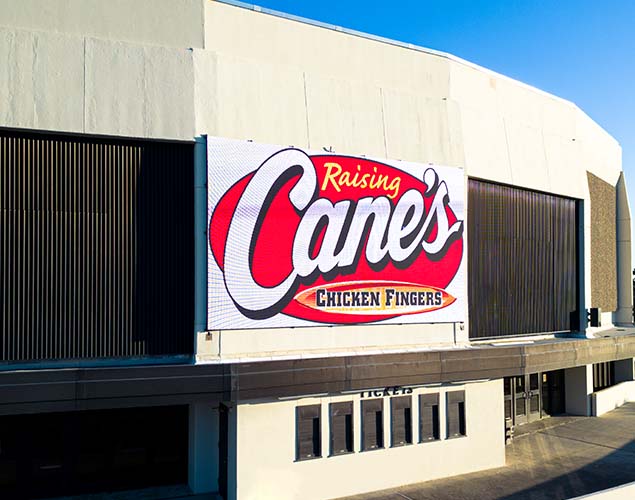
In the highly competitive food industry, LED digital signs are proving to be a game-changer. Restaurants, cafes, fast food chains, and food trucks alike are embracing digital signs to streamline operations, enhance customer experience, and increase sales. Whether it’s displaying dynamic menus, promotions, or daily specials, LED digital signage is quickly becoming an essential tool for food establishments looking to create a memorable and engaging atmosphere.

How Outdoor LED Signs Can Help Your Business Stand Out

How Outdoor LED Signs Can Help Your Business Stand Out

Businesses today face fierce competition for customer attention, making it more important than ever to stand out. One proven way to elevate your brand’s visibility is with a high-resolution outdoor LED sign. These dynamic digital displays do more than just shine brightly—they deliver customizable, 24/7 messaging that keeps your business in the spotlight.