
How Versatile Are LED Sports Displays, and What Customization Options Do Schools Really Have?
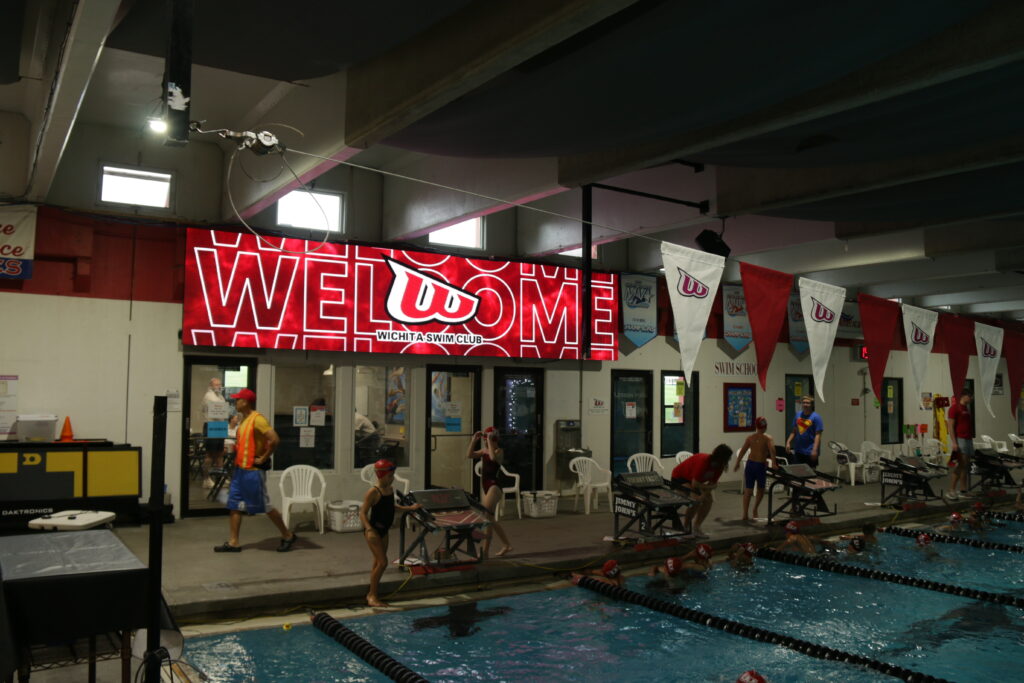
Modern LED scoreboards are no longer single-sport tools; they are open-platform digital canvases capable of generating significant revenue. However, many schools unwittingly lock themselves into restrictive software contracts that limit this potential. By choosing the right ecosystem, schools can switch instantly between football, wrestling, and community events while unlocking 650% ROI for sponsors. This guide explores the four main software models, the specific sport-by-sport features available, and how to avoid vendor-locked traps. Modern LED scoreboards can handle far more than scoring. LED scoreboards have come a long way, and the biggest story isn’t the hardware—it’s the freedom schools now have with software, content, and customization. Whether you’re running Friday-night football, a wrestling tournament, or a swim meet, today’s displays can adapt to almost any sport, any layout, and any game-day experience. But versatility depends heavily on your software choices, not the panel itself. That’s the part most schools never hear during the buying process—and it can affect your scoreboard’s usefulness for the next decade. Subscription Platforms: The “Software as a Service” Model Many high-performance scoring suites operate on a SaaS (Software as a Service) model. In this scenario, the school pays an initial onboarding fee, followed by an annual subscription that covers software licensing, cloud access, and support. The Advantage: These systems are often the most polished. They typically include cloud-based tools that allow Athletic Directors to schedule content from their phone, seamless integration with livestreaming services, and regular updates that add new features automatically. The Risk: The long-term cost of ownership is higher. If the school’s budget is cut and the subscription lapses, the functionality of the board may be severely limited or disabled entirely. Additionally, you are renting the capability, not owning it. Sport-by-Sport Customization Options Once you have an open or flexible system, what can you actually display? Here is what schools can realistically expect from a well-designed scoring ecosystem: Football Game Flow: Scoring, downs, possession, and timeouts. Fan Engagement: Hype videos, “Make Noise” meters, and instant replay (with the right camera input). Revenue: Dedicated zones for sponsor rotations that run independent of the score. Basketball Data: Shot clocks (integrated), foul tracking, and period time. Visuals: Full-screen player introductions with stats and photos. Impact: Rapid-fire animations for 3-pointers and dunks. Volleyball Tracking: Set wins, current rotation, and libero tracking. Atmosphere: Match intro videos and “Ace” animations that keep the energy high. Baseball & Softball Details: Pitch count, batter stats, outs, and base runners. Advanced: Pitch speed radar integration (if hardware is available) and full lineup cards. Wrestling, Swim & Track Logistics: Lane assignments, heat sheets, and tournament brackets. Timing: Real-time clock integration for split-second results. Multi-Use & Community Events The biggest advantage of a versatile LED display is that it doesn’t have to be a scoreboard at all. The same board can run: Graduations: Live camera feeds of students walking the stage. Movie Nights: High-definition films for community fundraisers. Concerts: Visual backdrops for band performances. Emergency Alerts: Clear, bright instructions during campus emergencies. Versatility is the entire point. You aren’t just buying a scoreboard; you are buying a communication tool. The Economics of Versatility: Revenue & Education Versatility isn’t just about fun; it is a financial strategy. When a display can switch from a scoreboard to an advertising platform, the math changes. Industry reports indicate that 95% of schools recover the full cost of their digital scoreboard through sponsorship revenue within the first 12 months. Because digital ads can be rotated and scheduled, schools can offer more inventory to local businesses. For the sponsors, the return is equally impressive. Local businesses investing in scoreboard ads frequently see returns of 650% or more during a single high school sports season. Beyond revenue, the versatility of these boards supports educational outcomes. With 96% of students reporting that video content enhances their learning experience, using the scoreboard as a hands-on lab for AV and marketing classes turns a capital expense into a curriculum asset. Manufacturer-Locked Software: The Buyer-Beware Category This is the most common trap for schools. Some legacy scoreboard manufacturers design their LED displays to listen only to their proprietary data signals. The Reality: When you buy a manufacturer-locked system, you are marrying that vendor for the life of the display. No Switching: If their software interface is clunky or difficult for students to learn, you cannot switch to a third-party provider like Scorebird or ProPresenter. Forced Obsolescence: If the manufacturer decides to stop supporting that specific controller or software version, you may be forced to buy expensive proprietary hardware upgrades just to keep the board running. Limited Versatility: You are often limited to the specific sport templates they provide. If you want to use the board for a non-sport event (like a graduation or movie night), the proprietary software may make it difficult or impossible to display standard video formats. One-Time-Purchase Platforms: The Traditional Model Other systems operate under a “buy it once” model. You purchase the software license upfront as part of the capital installation cost. The Advantage: This creates a predictable “Total Cost of Ownership” (TCO). Once the system is installed, there are no surprise bills in Year 3 or Year 5. The Trade-off: Upgrades are usually manual and may require a fee. Over time, the software can become dated unless the school actively invests in the next version. Open-Platform Scoreboards: Maximum Freedom This is the modern standard for versatility. Open-platform systems treat the LED display as a giant computer monitor. They can accept standard video inputs (HDMI, SDI, NDI) from any source. Why This Matters: Software Agnostic: You can use a dedicated scoring platform for games, then plug in a laptop running PowerPoint for a school assembly, or a media server for a graduation ceremony. Future-Proof: If a better scoring software comes out in five years, you can switch to it without replacing your expensive LED hardware. Student Friendly: You can run industry-standard production software (like OBS, vMix, or Adobe products), giving students real-world skills they can use in future careers. The Economics of
What Are the Content Ideas That Keep School Digital Signs Fresh and Engaging?
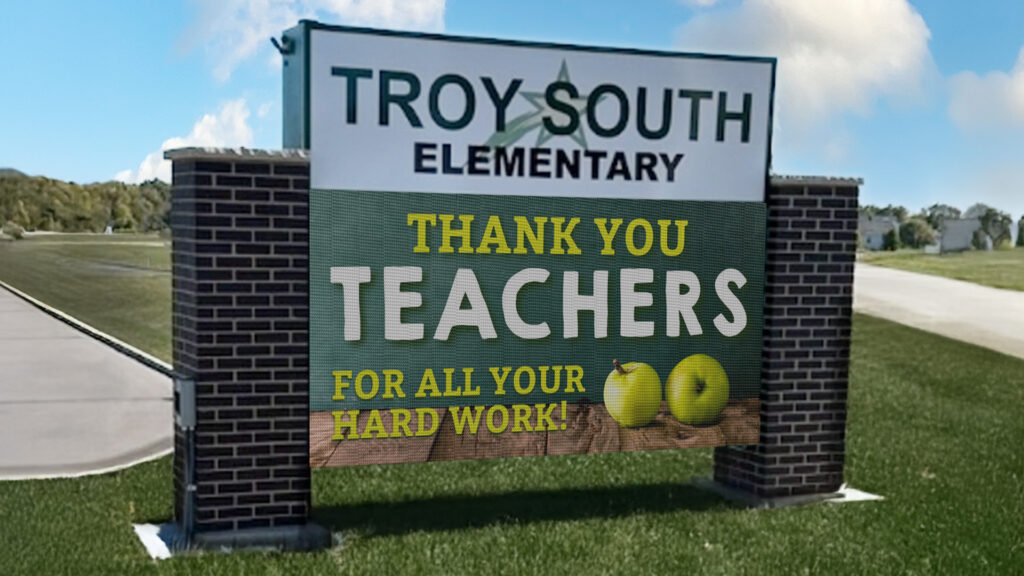
Students ignore static messages. To capture the attention of a digital-native generation, schools must leverage dynamic, rotating content that speaks their language. Research shows that digital signage captures 400% more views than static displays and improves information retention by 83%. This guide outlines specific content strategies—from student-generated graphics to safety integration—that prevent “sign immunity” and turn your digital displays into a central communication hub for your campus. Why Fresh Content Matters in K-12 Environments Students absorb information visually, but they filter out anything that feels stale. Research from digital signage studies shows: Content variety increases attention by 32% when screens cycle through multiple formats rather than repeating the same visuals. User-generated content boosts engagement by 45%, especially among Gen Z students who respond to peer-created visuals. Viewers retain 65% of visual information when refreshed frequently compared to 10% for static text alone. In environments with regular message rotation, students were 28% more likely to recall upcoming events or deadlines. Fresh content isn’t cosmetic—it directly affects communication success. Student-Created Content (The Most Powerful Engagement Tool) When students create the messages, other students stop and look. One New Jersey high school ran a monthly “Message of the Month” contest. Students designed graphics, submitted animated ideas, and the winner earned bragging rights, lunch vouchers, and a spotlight on the school’s LED display. It achieved two things: It eliminated sign fatigue because content reflected student voice. It became part of the curriculum, integrating design, media production, and communication skills. The Data Backs This Up: Studies indicate that 96% of students believe video and digital content significantly enhance their learning experience, making this a dual-purpose tool for engagement and education. Schools can use: Graphic design classes AV clubs Digital literacy programs Yearbook or broadcast teams Art classes experimenting with animation or typography Students feel ownership. The signs feel relevant. Weekly Themes to Maintain Novelty Without Overloading Staff Schools that adopt a rotation schedule see higher message recall. Examples: Motivation Monday: Student quotes, teacher spotlights, or sports highlights. Wellness Wednesday: Nutrition tips, mental-health reminders, counselor messages. Feature Friday: Clubs, achievements, volunteer opportunities. This structure provides the needed variety while keeping updates manageable. Research on rhythm in messaging shows that predictable but varied content cycles improve attention by 21% over static loops. Real-Time, Student-Relevant Information Students look at screens when the content affects their day. High-impact items include: Bell schedule changes Lunch menus (Digital menu boards can reduce perceived wait times by 35%) Bus route alerts Sporting event reminders Weather or emergency updates Club meetings happening “today” A study on school communication found that time-sensitive messages increase student engagement by 46% because they’re immediately useful. In fact, 97% of students prefer receiving information via digital channels over non-digital sources. Visual Richness: Use Movement, Color, and Format Mixes LED displays excel with motion. Research on screen-based learning shows that short animated elements increase retention by 38%, even if the animation is subtle. Use: Short loops (3–5 seconds) Light motion backgrounds Friendly transitions High-contrast school colors However, avoid overly complex motion, which can reduce readability for younger students. Recognize Students Often and Publicly Students stop scrolling their phones and look at LED signs when someone they know appears on it. High-impact content: “Students of the Month” Athletics wins Robotics awards Perfect-attendance shoutouts Art or writing features One Illinois district reported a 60% increase in student engagement after adding weekly student spotlights to their digital displays. Recognition builds pride—and attention. Use Your LED Signs as Part of School Culture When digital signage reflects the personality of the school, students see it as “their” message board, not an adult bulletin board. Try: Daily jokes from students Fun countdowns (holidays, dances, tests, spring break) Spirit week themes Artwork or photography Senior-class messages School trivia questions Gamified announcements increase engagement by up to 40%, according to EdTech behavioral studies. Promote Safety and Belonging Content that reinforces well-being stays top-of-mind. Beyond daily wellness, digital signage is a critical safety tool. 92% of schools now use digital signage for emergency notifications because it cuts through the noise. Emergency Alerts: Real-world case studies, such as Necedah Schools, showed that integrating digital signage with emergency systems reduced lockdown response times by over 50%. Anti-bullying messages Kindness campaigns Cultural heritage celebration weeks This supports SEL goals while naturally rotating content. Keep Content Short and Rotating Quickly Studies show: Students stop watching after 6–7 seconds per message. A loop longer than 90 seconds decreases viewer attention by half. Shorter loops (45–60 seconds) ensure students see multiple messages at any stop point. Quick rotation also fights sign immunity. Include Faculty and Staff in the Content Pipeline Teachers and club leaders often have great ideas but no easy way to share them. Schools with high engagement create simple submission channels: Google Forms for content ideas Shared drive folders for images Monthly “content days” where departments send updates When teachers participate, content becomes more varied and lively. Use Classroom Curriculum to Feed the Signs Naturally Schools that integrate signage into existing subjects never run out of content. Examples: History classes create mini historical facts Science students build animated diagrams Math clubs share “Problem of the Week” Language departments share daily vocabulary Theatre departments post performance clips or rehearsal photos This solves the workload problem and reinforces classroom learning. Avoiding Sign Immunity: Best Practices To prevent message fatigue: Update weekly (minimum). Replace all static messages monthly. Avoid repeating the same image or color slate too often. Use different formats: photos, color accents, video loops, student voices. Tie content to the school calendar so it stays timely. Use student-generated content as your anchor. Schools that follow these steps see higher student awareness, stronger attendance at school events, and better communication flow. One or two Frequently Asked Questions About Keeping School Digital Signs Engaging How often should school digital signage content be updated? To maintain high engagement, best practices suggest updating general announcements at least weekly. However, for time-sensitive information like lunch menus or schedules, daily updates are essential. Research indicates that rotating content
Where Is the Best Placement for Digital Signs in a Retail Store?
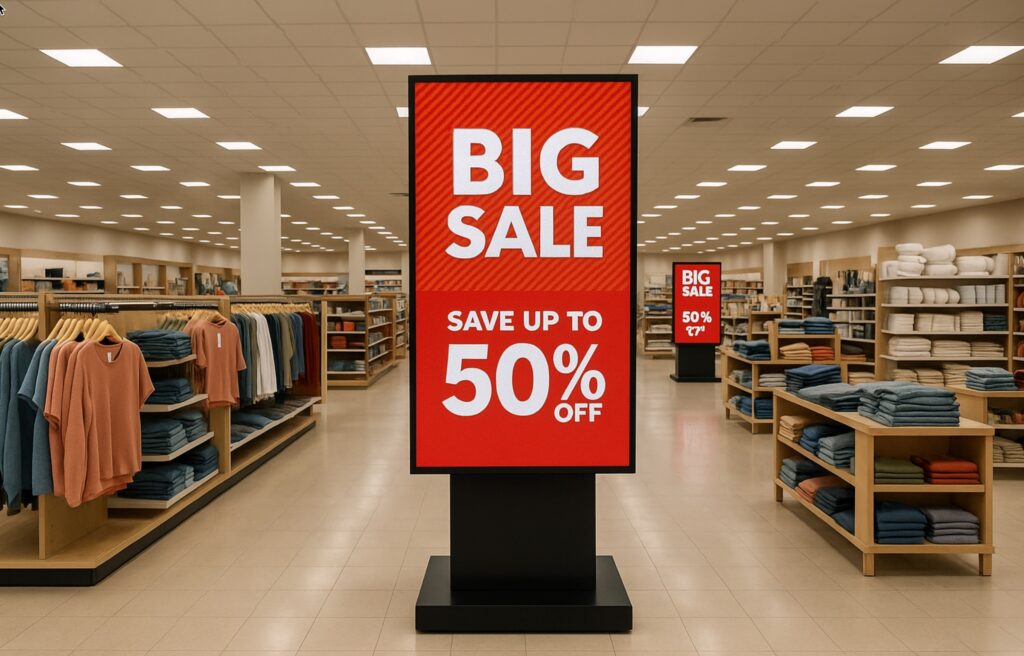
ARetailers often ask, “Where should I put my screen?” The answer directly impacts your bottom line. While 76% of shoppers enter a store because of entrance signage, the strategy changes once they are inside. From reducing perceived wait times at checkout by 35% to using “distance theory” to drive foot traffic deep into your aisles, this guide breaks down the psychology and data behind perfect in-store sign placement. Retail Sign Placement: Is Your “Silent Salesperson” Actually Doing Its Job? Retailers use LED displays to guide shoppers, highlight promotions, and create a more engaging in-store experience. Yet, for all their popularity, many businesses still wonder: Where exactly should these screens go? Placement isn’t just about finding an empty wall. It affects visibility, traffic flow, and most importantly, how customers react to the message. The right location can increase sales and basket size, while the wrong location—even with great content—can make the display easy to ignore. Digital signs work best when they support how people naturally move through a store. They should spark interest, answer questions, or help shoppers decide faster. Entrance signs, aisle displays, and counter screens all play different roles in the buying journey. Understanding those roles helps retailers use LED displays to connect customers with the products they actually want. Entrance Signs: The “Hook” That Draws People In The entrance is one of the highest-value spots for any LED display. Research consistently shows that 76% of shoppers have entered a store specifically because digital signage caught their attention near the entrance. That number alone explains why storefront displays matter so much. They operate like a visual invitation, giving customers a concrete reason to step inside rather than walking past. Bright motion catches the eye: This is crucial when people are approaching from a sidewalk or parking lot where distractions are high. First impressions happen in seconds: Entrance signs shape how customers view the entire brand before they even touch a product. Use these screens to highlight new arrivals, seasonal items, or daily deals. A strong entrance sign transitions the customer from “passerby” to “shopper.” Window-Facing Signs: The Dual-Threat Display Many retailers place LED displays inside the front windows, facing outward. This is a strategic power move because it reaches two audiences at once. Outside Traffic: It grabs the attention of people on the street or in the parking lot. Inside Traffic: Shoppers already inside the store see the display again as they browse near the front. This repetition is key to marketing psychology. Reinforcing the message strengthens brand recall and helps featured items stay top of mind. Window displays are especially useful for stores in high-traffic areas where footfall is heavy. When shoppers see something dynamic in the window, curiosity spikes. That curiosity is the first step toward a sale. Aisle and Mid-Store Displays: Guiding the “Wanderer” Many customers walk into a store without a strict plan. They browse, wander, and make decisions on the spot. This is where mid-store digital signs shine. Mid-store displays act as “digital ushers,” guiding behavior by showing product ideas, comparisons, and quick explanations. Keep them moving: Screens placed along wide aisles or near transition points pull customers deeper into the store. The “Exposure Effect”: The deeper they walk, the more products they pass. Studies show that increasing a customer’s path through the store directly correlates with larger basket sizes. These screens give retailers space to educate or inspire without being intrusive. Because shoppers read signage while they are moving, these displays should deliver simple, punchy messages that encourage the next step, rather than overwhelming them with fine print. The “Distance Effect”: Why Promoting Farther Works Better Here is a surprising insight from retail research that most stores get wrong: Digital signs are often more effective when the promoted product is NOT directly next to the screen. It sounds counterintuitive, but shoppers respond better when the item is located a few aisles away rather than right under the display. Why? The “Pressure” Problem: When a product sits directly beside the screen, the message feels obvious. It feels like a sales pitch. People notice the screen, but their defense mechanisms go up, and they often walk past without engaging. The “Discovery” Solution: When the LED display promotes an item located farther away, the experience feels like a treasure hunt. A shopper sees the image, gets curious, and decides to walk toward that section. This shift from “being told” to “discovering” changes the entire emotional dynamic of the shopping trip. Furthermore, that movement generates revenue. As customers walk from the sign to the product, they pass other shelves and see other items. The LED display becomes a directional cue that serves the shopper, not just an advertisement sitting on a shelf. This strategy is incredibly powerful for high-margin items placed deep inside the store. Checkout Displays: The Master of the Impulse Buy LED signs near the checkout area function completely differently from entrance or mid-store displays. The Mindset: Customers here are done browsing. They are in “buy mode.” The Opportunity: They are a captive audience standing in line. Screens behind the counter are the perfect place to promote impulse items, service upgrades, loyalty programs, or limited-time offers. Data indicates that digital signage at checkout can increase impulse purchases by 19% to 30%. Perhaps more importantly, a well-placed checkout display reduces perceived wait times by up to 35%. When customers have something entertaining or informative to watch, the line feels faster, and customer satisfaction scores go up. High-Traffic Zones: Meeting Customers Where They Are Every retail store has predictable “hot spots”: entrances, wide central aisles, and transitions between departments. Placing LED displays along these natural paths guarantees visibility because people instinctively slow down or turn in these areas. Because shoppers are moving through these zones, the content needs to be fast. Motion graphics and simple visuals work best here. The screen’s job is to capture attention, reinforce the promotion, and hand the customer off to the next section of the store. Summary: Matching the Location to
Maximizing LED display visibility: brightness, pixel pitch, and scheduling best practices
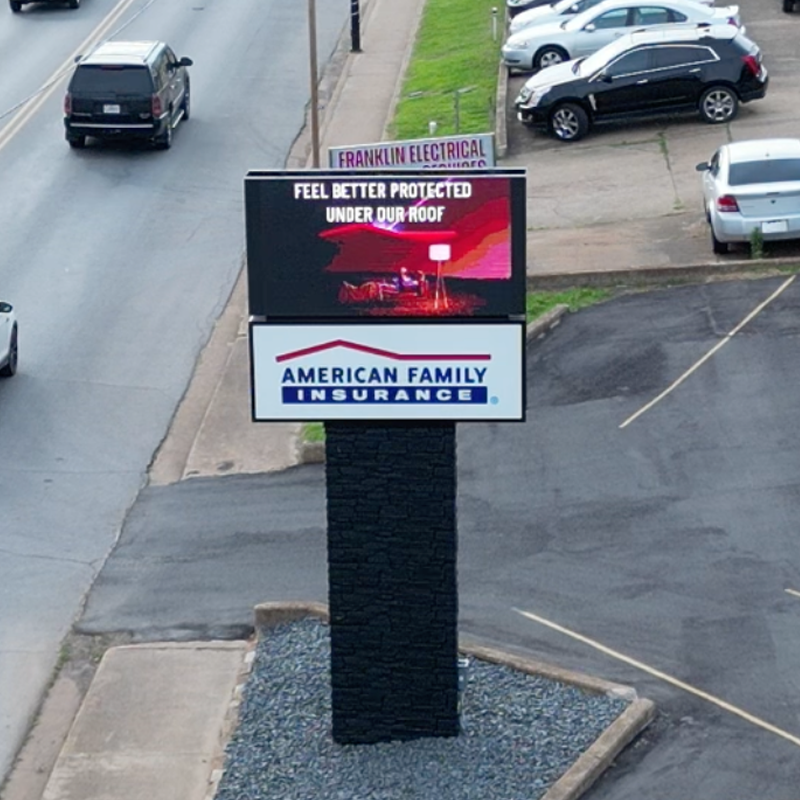
LED displays only work when people can actually see—and understand—the message. This article breaks down how brightness, pixel pitch, and smart scheduling work together to improve visibility, message recall, and real-world results from your LED display investment. L An LED display has a short window to make an impression. Outdoors, that window is shaped by sunlight and viewing distance. Indoors, it’s shaped by lighting conditions and how close people are to the screen. In both cases, visibility comes down to a combination of brightness, resolution, and timing—not any single spec on its own. How Bright an Outdoor LED Display Needs to Be Outdoor LED displays have one primary challenge: staying readable in direct daylight. That’s why most outdoor signs are designed to operate in the 5,000 to 7,000 nit range. At that level, content holds its contrast and doesn’t wash out when the sun is high. Brightness also plays a role in how well messages stick. Research from Burkhart Advertising and Arbitron shows that high-brightness digital signage draws significantly more attention than static signs—up to four times as many views—and contributes to a 63% increase in brand awareness. Automatic brightness control matters just as much as peak output. A display that adjusts itself throughout the day maintains readability without becoming uncomfortable to look at at night. https://www.youtube.com/watch?v=IExQweVCd-Q Pixel Pitch and Viewing Distance Go Hand in Hand Pixel pitch is simply a measure of how tightly the LEDs are spaced. What matters is how that spacing lines up with where people are standing. For displays viewed from farther away, larger pixel pitches work well and keep costs in check. When viewers are closer, tighter spacing produces cleaner text and sharper images. A common planning guideline is to match pixel pitch to viewing distance at roughly 8 to 10 feet per millimeter of pitch. That’s why 10mm displays are common for roadside applications, while indoor screens use much tighter spacing. When pixel pitch doesn’t match the viewing environment, clarity suffers. The Digital Signage Federation has found that poorly matched pixel pitch can reduce message comprehension by as much as 45%, even when brightness is sufficient. Choosing Pixel Pitch for Indoor LED Displays Indoor environments usually call for tighter pixel spacing because viewers are closer and have more time to look at the screen. In retail, hospitality, and office settings, 2.5mm to 3.9mm is a common range that balances image quality and cost. For spaces where fine detail matters—such as boardrooms or feature video walls—1.2mm to 1.9mm delivers higher resolution at close viewing distances. The goal is to choose a pitch that fits the room and the audience, not one that exceeds what the space actually requires. Scheduling Content for Real Visibility Even with the right brightness and resolution, timing still matters. People don’t study LED displays—they glance at them. Rotating content every 6 to 10 seconds aligns with how people naturally take in information while walking or driving. Scheduling messages to match traffic patterns also improves relevance. Morning content works best in the morning. Evening promotions perform better later in the day. Studies from the Small Business Association show that dayparted digital signage can increase unplanned purchase intent by 15%, simply by showing the right message at the right time. Managing Glare and Maintaining Readability Glare is one of the most common obstacles to visibility, especially outdoors. It can be reduced through thoughtful placement, anti-glare finishes, and brightness sensors that respond to changing light conditions. Displays built with solid-state engineering also help by maintaining uniform brightness across the screen, preventing hot spots or uneven illumination that can make content harder to read. Visibility Comes from Balance Strong LED display performance doesn’t come from maximizing one specification. It comes from balancing brightness, pixel pitch, and scheduling so the display fits its environment. When those elements are aligned, messages are easier to read, easier to remember, and more effective at engaging the audience—without forcing viewers to work to understand what they’re seeing. Frequently Asked Questions on Maximizing Display Visibility OK let’s focus on things How many nits should an outdoor LED sign have? Most outdoor LED displays perform best between 5,000 and 8,000 nits, paired with automatic dimming to manage nighttime glare. What is pixel pitch and why does it matter? Pixel pitch describes the spacing between LEDs. It matters because it needs to match how far away viewers are to keep images sharp and readable. What is the ideal dwell time for a digital sign slide? Industry guidance typically places dwell time at 6–10 seconds, accounting for brief glances rather than prolonged viewing. How does dayparting improve digital signage results? Dayparting aligns content with time-of-day behavior, keeping messages relevant and increasing engagement. If you’re evaluating whether your current LED sign is still delivering the visibility and value you expect, it may be worth reviewing your options and understanding what newer systems offer. Give us a call at 888-359-9558 for expert advice on your sign update. Request a quote
What’s Really Changing in LED Signage?

LED signage has moved from “new technology” to everyday expectation. Dealers and buyers ask all the time which trends really matter, and here’s what we’re seeing: sharper indoor walls, smarter outdoor efficiency, and digital strategies that deliver measurable outcomes. Whether you manage a school, run a retail chain, or work with municipal projects, these shifts are shaping how screens get specified and installed. What’s driving the growth in LED signage? The biggest driver is performance. Out-of-home advertising keeps climbing past record highs, and digital formats lead that growth. Favorability and “took action” rates outpace many traditional channels, which is why brands continue shifting dollars into DOOH. For buyers, it’s no longer about whether digital is worth it—it’s about which solutions deliver ROI. What this means for you: when clients or committees question the cost, show them measurable outcomes: higher recall, faster response, and trackable results. Are dvLED walls really replacing tiled LCD indoors? They are, and faster than many expected. Buyers want seamless displays without distracting bezels, crisp resolution at closer viewing distances, and longer life cycles with easier maintenance. We’re seeing dvLED replace LCD in lobbies, studios, gyms, control rooms, and universities. Pixel pitch is trending below 1.5 mm, and flagship installs are moving under 1.0 mm with microLED. What this means for you: match pitch to real viewing distance. Overspecifying inflates budgets, while underspecifying disappoints audiences who stand too close. Are outdoor LED signs just brighter, or actually smarter? Brightness still matters, but efficiency is the bigger story. Adaptive dimming, tuned power supplies, and new driver ICs are cutting watts per square meter while keeping daylight visibility. Cities, schools, and businesses are also asking about EMC compliance, weatherproof ratings, and diagnostics—because uptime and reliability determine real ROI. What this means for you: always ask vendors for typical power draw, not just maximum. Request dimming curves by time of day and remote diagnostic options to protect your investment. How does programmatic DOOH change opportunities for buyers? Programmatic used to be limited to big-city billboards. Now, venues, QSRs, schools, and municipalities use it to sell space and reach audiences in real time. Advertisers want moments that matter—lunchtime at a drive-thru, pregame at a stadium, pickup time at a school. Proof of play and campaign lift are non-negotiable now. What this means for you: if your network can support daypart scheduling and fast creative swaps, you unlock new revenue streams. Cloud control with cellular keeps updates simple, even for small IT teams. Does digital signage really change customer behavior? Yes—and the numbers prove it. Retailers report significant sales lift when messages run at the point of decision. Queue screens reduce perceived wait times by more than 30%, cutting frustration and improving satisfaction. When content entertains or informs, audiences stay engaged—and engaged audiences act. What this means for you: map content to the exact moments your audience makes decisions. Commute windows, lunch rush, dismissal times, and event days all deserve unique messaging. What indoor applications are expanding fastest? Corporate & civic hubs: lobby welcome walls, town-hall stages, and emergency messaging. Education: digital marquees, gym scoreboards, and video walls for ceremonies. Healthcare & hospitality: wayfinding displays, patient communication, and lobby storytelling. Spec tip: look for service-friendly cabinets—front access and modular design reduce downtime and service costs. What outdoor applications are getting funded right now? Retail & QSR: roadside displays, drive-thru boards, and promotions that shift by inventory and time of day. Municipal & K-12: safety alerts, schedule updates, and grant-friendly energy profiles. Venues & arenas: sponsor takeovers, countdowns, and live fan engagement. Spec tip: publish brightness targets for day and night, then automate dimming. This saves energy and keeps neighbors on your side. How should ROI be measured in 2025? Pick two clear metrics per site and track them weekly. Retail/QSR: sales lift for promoted items, add-on purchase rates. Education/municipal: estimated impressions during peak traffic, response to calls to action. Events/venues: sponsor impressions, redemption or scan rates. What this means for you: link content changes directly to those metrics. It proves value and makes renewals easier. What questions should buyers ask vendors today? “What’s the typical power use at my brightness targets?” “Can you show EMC and weatherproofing certifications?” “How are diagnostics and part swaps handled remotely?” “What pixel pitch fits my viewing distance?” “What’s the five-year estimate for service and power costs?” What’s the bottom line? The trends shaping indoor and outdoor LED signage are clear: finer pixel pitch, smarter power management, and content strategies that create measurable results. Buyers want more than just specs—they want screens that fit real-world use. Get the pitch right, balance brightness, and map content to daily moments, and your screens will return value faster than you expect. Plan your project with NEXT LED Signs If these trends match your goals, let’s build a plan that fits your site. We map real viewing distance, set day and night brightness targets, and keep power use in check. Then we show you how the screen will look on location. What you get: A site-specific recommendation on pixel pitch EMC, weather, and service-access recommendations A rendering of your prop[osed signs A clear quote with in-stock options and fast 5-day shipping Contact NEXT LED Signs to request your site plan and photo rendering. We’ll help you choose the right display, schedule content by daypart, and launch with confidence. FAQs (real buyer questions in 2025) What pixel pitch is best for indoor video walls?A quick rule: viewing distance ÷ 8. At 10 feet, ~1.5 mm looks sharp. How bright should an outdoor sign be?Bright enough for midday sun, but dim automatically at dusk and night. Modern controls cut energy use and reduce glare. Is DOOH valuable for small venues or cities?Yes. Programmatic campaigns let even small networks sell space at higher rates when tied to time and context. Can cellular connectivity manage sign content?Yes. Cellular is secure, reliable, and keeps updates fast without IT overhead.
LED Signs Create and Immersive Experience in Entertainment
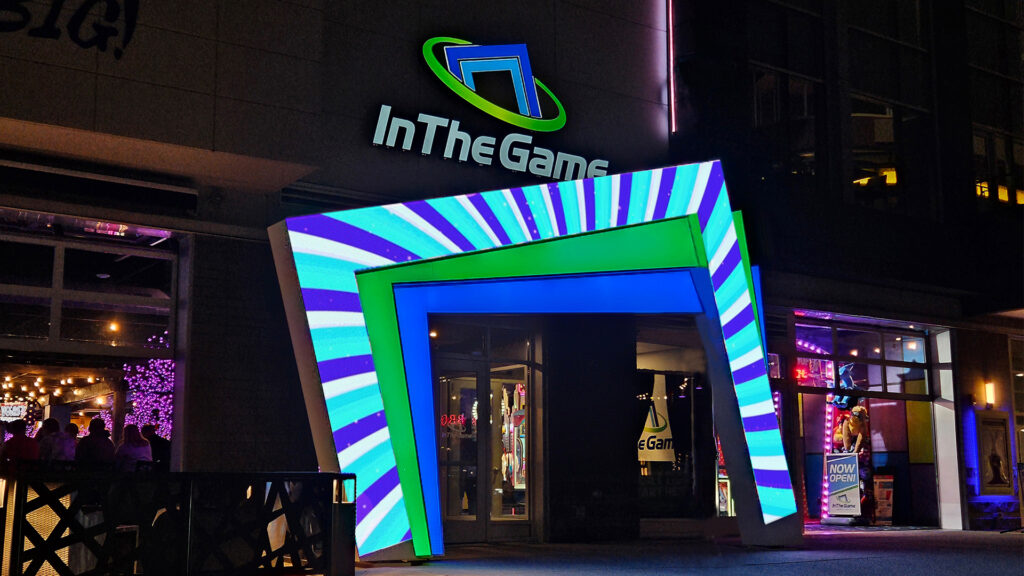
Think about the last concert, play, or theme park you visited—what stood out? Probably the lights, the energy, and the way it all felt like part of the show. That’s the power of LED digital signage. LED signs aren’t just screens anymore. They’re creating full-blown experiences that draw people in, hold their attention, and make every moment more exciting. Whether you’re at a packed stadium or walking through a museum, LED displays are shaping how we see and feel entertainment. Revolutionizing Concert Venues Modern concert venues are increasingly integrating advanced LED technology to enhance live performances. A prime example is the Sphere in Las Vegas, which boasts a 160,000-square-foot wraparound LED screen with a 16,000 × 16,000 resolution, providing an unparalleled visual experience. This high-resolution display envelops the audience, creating an immersive environment that complements the musical performance. Elevating Nightlife Ambiance In the realm of nightlife, LED screens are instrumental in crafting unique and engaging atmospheres. Nightclubs utilize LED walls to transform spaces, offering versatile designs that can adapt to various themes. These dynamic displays not only enhance the visual appeal but also provide interactive entertainment, making the environment more engaging for patrons. Theater Backdrops That Come to Life LED signs have made their way into live theater, too. Instead of relying on bulky sets or printed backdrops, theaters are turning to LED displays that can change scenes instantly. Directors get more creative freedom, and audiences get a more dynamic show. It’s a win-win. Theme Parks That Keep You Engaged Theme parks are all about the experience—and LED signs help make that experience seamless. They guide visitors with real-time info, add motion to attractions, and show branded content without breaking the flow. From rides to walkways, these signs help parks tell stories and keep people entertained at every step. Museums That Move and Teach Even museums are embracing LED displays to make learning more interactive. Video walls and immersive exhibits bring history, science, and art to life in ways that traditional setups just can’t match. It’s a better way to connect with visitors of all ages. Why It All Works Entertainment is about emotion, connection, and atmosphere. LED signs check all the boxes. They’re bright, flexible, and built to adapt to the moment. Whether it’s a concert, a theme park, or a gallery, LED displays help venues create moments that people don’t forget. From concerts and nightclubs to theaters, theme parks, and museums, LED technology enhances audience engagement and elevates the overall experience, setting new standards for entertainment environments. Next LED Signs Can Help Want to turn your venue into an experience people talk about?Next LED Signs offers powerful display solutions built for high-impact entertainment environments. Let’s talk about what’s possible. Contact Next LED Signs today to explore how LED digital signs can enhance audience engagement and strengthen your brand presence. Frequently Asked Questions How do LED signs increase audience engagement at entertainment venues?Studies show that digital displays capture 400% more views than static signs and increase message retention by up to 83%. That kind of visibility is why LED signs are used to energize crowds, reinforce branding, and keep people immersed in the moment. Are LED signs effective in both indoor and outdoor settings?Yes. High-brightness outdoor models ensure visibility in direct sunlight, while indoor LED walls deliver crisp visuals for stages and exhibits. According to the OAAA, digital signs maintain 94% viewability outdoors—even in high-traffic environments. Can LED signs be customized for different venue types?Absolutely. From a curved LED wall in a nightclub to a weather-sealed outdoor marquee for a theme park, each application is purpose-built. More than 70% of entertainment venues now use programmable LED displays to adapt content in real time. What makes LED signs better than traditional backdrops or static signage?Flexibility. You can change content instantly, show animation, and reduce setup time. LED signs also lower costs—saving on materials, labor, and printing. One study found that digital signage reduced operating expenses by up to 30% over five years. Why do entertainment venues choose Next LED?Next LED combines speed, reliability, and U.S.-based service. Our solid-state technology is built for performance and durability. In fact, clients report a 46% improvement in visitor satisfaction after implementing our digital displays.
LED Sign Value Beyond Sales: Understanding ROO
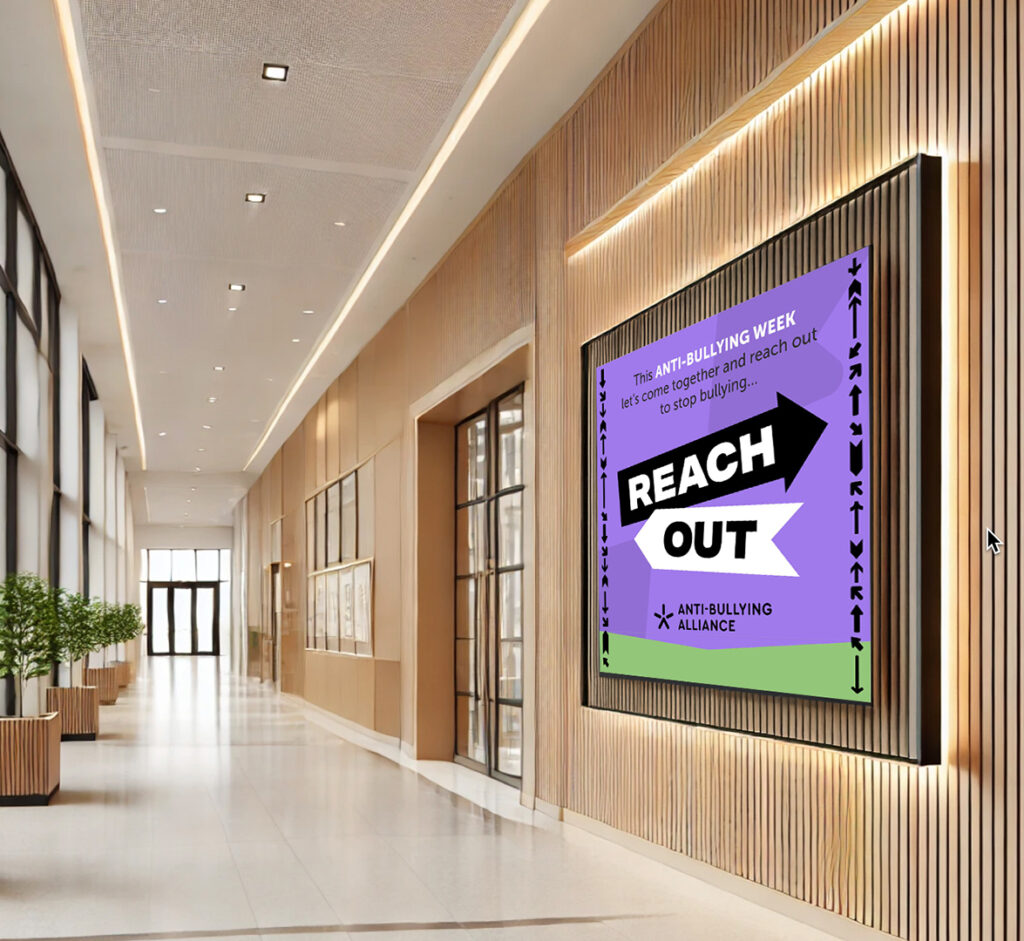
When people talk about marketing results, they often point to ROI—return on investment. But what if you’re not trying to increase sales? What if your goals are outreach, engagement, and visibility? That’s where ROO—Return on Objective—comes in. It’s how municipalities, churches, nonprofits, and community organizations can measure the impact of their LED signs when traditional sales metrics don’t apply. Let’s break down what ROO means, and how LED signs can deliver it. What Is ROO, and Why Does It Matter? ROO focuses on achieving mission-based goals, rather than generating revenue. Think about objectives like: Raising attendance at a local event Increasing voter turnout Growing church membership Promoting emergency resources Boosting volunteer participation These are measurable, meaningful goals—and digital signs can help achieve them faster and more effectively. Visibility = Action In the nonprofit and public sectors, awareness is everything. According to the OAAA, 62% of viewers immediately take action after seeing a digital billboard, and 52% engage in smart actions such as online searches or social media visits. When your LED sign shares a message like “Blood Drive Saturday” or “Cooling Station Now Open,” you’re not just informing passersby—you’re driving real action. That’s ROO in motion. Digital Signs vs. Traditional Outreach Printing flyers or banners takes time, costs money, and quickly becomes outdated. In contrast, digital LED signs: Update in real-time Reach thousands daily Eliminate printing costs Target messages based on time of day or weather Churches, for example, save on weekly bulletins, printed announcements, and seasonal signage—costs that add up fast. Municipalities cut down on the expense of mailing event notices or installing static banners across town. Instead of printing 500 flyers, one digital message can reach an entire community. Timely Messaging Builds Community Trust Speed matters. If your city opens an emergency shelter during a heatwave, there’s no time to wait for mailers. An LED sign shares that information in seconds—keeping people safe and informed. ROO is also about strengthening relationships. When people see their city, school, or church communicating regularly and transparently, trust increases. That’s a value that goes well beyond a dollar figure. Funding Made Easier Through ROO Metrics Many public and nonprofit projects are funded through grants, donations, or budgets that require accountability. Showing that your sign helped increase event attendance by 40% or cut printing costs by $2,000 makes future funding more likely. When you measure your success based on objectives—not profits—you create a clear, compelling story about your organization’s impact. Your Message Matters—Even Without Sales If your goal isn’t sales, that doesn’t mean you don’t need results. It means you need the right kind of results—and LED signs help you get there. Whether you’re a city trying to promote safety alerts, a church welcoming new members, or a nonprofit recruiting volunteers, digital signage is one of the most effective tools for engaging your audience. How Next LED Signs Can Help By regularly assessing the performance and relevance of your digital signage, you ensure that your communication remains effective and your branding stays consistent. With that being said, recognizing these warning signs allows you to make strategic decisions about when to upgrade. As a result, your messaging will remain impactful and aligned with your business objectives. Furthermore, an upgrade can position your business as an industry leader, demonstrating a commitment to innovation and modern technology. Contact Next LED Signs today to explore how LED digital signs can enhance audience engagement and strengthen your brand presence. FAQs: Understanding ROO and LED Signs What is the difference between ROI and ROO?ROI (Return on Investment) tracks profit-based outcomes. ROO (Return on Objective) measures success based on mission-driven goals, such as outreach, awareness, or attendance. Can LED signs really make a measurable difference for nonprofits or churches?Yes. According to studies from the OAAA, digital signs increase message recall and engagement. Many organizations report higher attendance and participation after installing LED signage. What are some examples of ROO for municipalities?Cities may track ROO by measuring increased attendance at public events, reduced reliance on printed materials, or faster dissemination of emergency alerts. How do LED signs help cut costs?LED signs eliminate recurring expenses like printing, shipping, and manual installations of banners or posters. They also reduce staff time spent on traditional communications. Is there data to support the effectiveness of digital signage?Yes. According to Nielsen, 55% of people who see a digital display can recall the message later. That recall rate helps drive community participation and support.
Digital Scoreboards and Sponsor Revenue
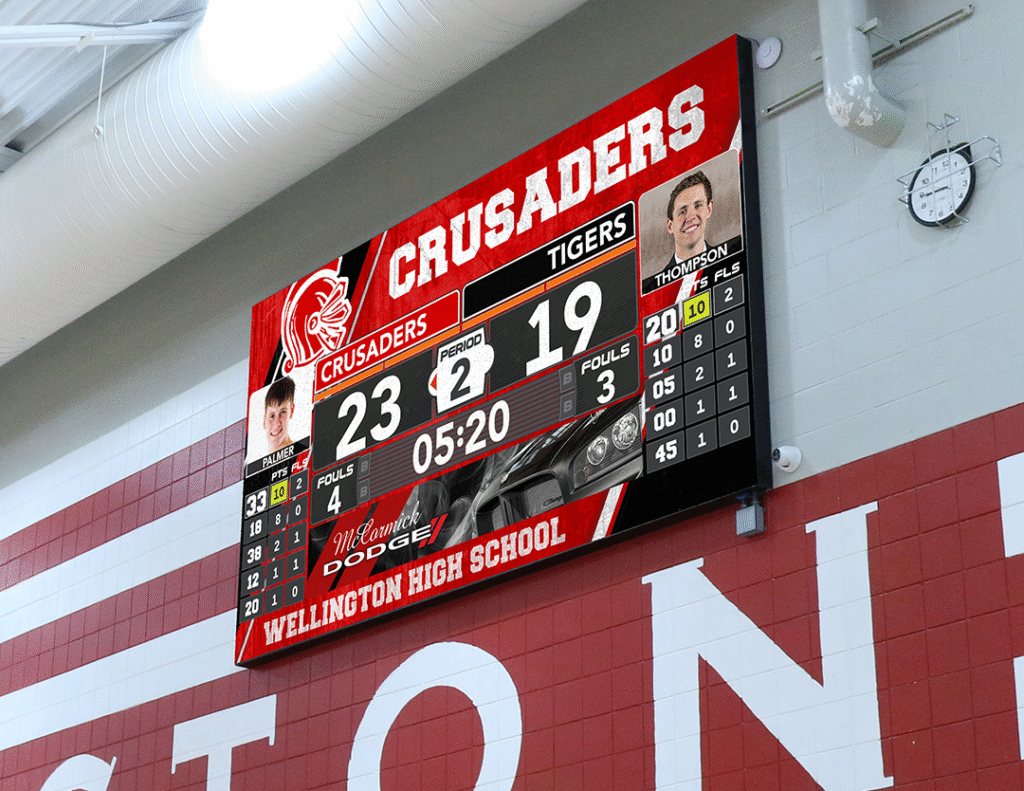
Digital scoreboards are doing way more than just keeping score. For schools, sports venues, and sponsors, they’ve become a major asset—bringing in revenue, creating memorable experiences, and making game day feel like a professional event. Let’s break down how these displays are changing the game—for fans, sponsors, and the bottom line. Scoreboards That Pay for Themselves Forget static signs. Digital scoreboards rotate ads throughout the game, giving multiple sponsors a chance to be seen. It’s not uncommon for a local business to invest $1,000 in scoreboard ads and see over $7,500 in return—that’s a 650% ROI during one high school football season. More ads. Better visibility. More revenue. Fans Stay Engaged—and So Do Sponsors Today’s scoreboards aren’t just digital—they’re interactive. Think live polls, social media shout-outs, sponsor highlights, and instant replays. The more the crowd pays attention, the more valuable those ad slots become. Sponsors love visibility, and fans love being part of the moment. Easy for Schools to Manage Modern LED scoreboard systems come with simple scheduling tools. With drag-and-drop software, schools can easily control what plays when—no technical expertise required. That means sponsor content is displayed right on time and exactly how it’s supposed to be. Real Results: What Schools Are Seeing It’s not just theory—it’s happening. Reports show that 95% of schools recover the cost of their digital scoreboard through sponsorship revenue within 12 months. Many go on to earn more than $10,000 per year just from advertising. Want a scoreboard but don’t have the full budget? Many schools team up with local sponsors who help fund the display in exchange for on-screen branding and exposure at every game. Benefits for Schools and Sponsors For Schools: Revenue Generation: Sponsorships can fund the board and support other programs. Educational Value: Students get hands-on experience managing digital content, video production, and marketing. For Sponsors: Captive Audience: Ads reach local fans who are already engaged and paying attention. Community Support: Associating with local teams builds goodwill and brand loyalty. A Smart Investment for Everyone Digital scoreboards aren’t just about the score—they’re about making every event more exciting and more profitable. Whether you’re a school looking for funding or a sponsor wanting meaningful exposure, LED scoreboards create value on every level. Schools can secure partial funding for their LED video displays through corporate sponsorships, where a brand’s name or logo is prominently displayed, enhancing visibility and community engagement. Key Takeaways Digital scoreboards are more than just a modern replacement for traditional scorekeeping—they’re a strategic asset for revenue generation and community engagement. By offering dynamic advertising opportunities and enhancing the fan experience, they provide significant value to both schools and sponsors. High ROI: Digital scoreboard advertising can yield substantial returns for sponsors. Enhanced Engagement: Interactive features keep fans engaged, increasing ad effectiveness. Operational Efficiency: Modern software simplifies ad management, ensuring timely and accurate displays. For schools and sponsors looking to maximize their impact and revenue, investing in digital scoreboard technology is a game-changing decision. Frequently Asked Questions How much revenue can schools generate with a digital scoreboard?Most schools generate between $10,000 and $25,000 annually through scoreboard sponsorships. In fact, 95% of schools recoup their full investment within the first year, according to customer reports. What makes digital scoreboard advertising so effective for sponsors?Digital displays grab attention with motion, color, and repetition. Studies show that digital signage captures 63% more attention than static signs and boosts brand recall by up to 83%, giving sponsors real visibility in front of a captive audience. Can students help manage the scoreboard and learn from it?Yes. Many schools incorporate scoreboard operations into student-led media programs. This hands-on experience teaches skills in video production, content scheduling, marketing, and even sales—skills that align with real career paths in broadcasting and advertising. Is it hard to manage advertising on a digital scoreboard?Not at all. Today’s systems include drag-and-drop software that lets staff or students manage content with ease. Schools report saving 20–30 hours per season compared to coordinating static signage, thanks to automated scheduling and centralized controls. Do local businesses actually see ROI from scoreboard advertising?Absolutely. A typical local sponsor investing $1,000 can expect returns of $5,000 to $7,500 over a single sports season. That’s a potential 650% return, driven by repeat visibility and strong community engagement. At Next LED Signs, we deliver high-performance digital scoreboards that do more than display scores—they create revenue opportunities. Our vivid, full-color LED displays support dynamic sponsor content, real-time updates, and fan engagement tools that help schools and sports venues turn every game into a revenue-generating event. With easy content management and industry-leading durability, Next LED Signs is your partner in both game-day excitement and long-term financial impact. Contact us today to find out more about how digital scoreboards can generate revenue for your organization.
Fast Shipping = Faster Cash Flow: Why Speed Matters for Sign Dealers
Let’s be honest—waiting on a sign to ship is the fastest way to stall your whole business. You’ve already done the hard part: landed the job, got the artwork approved, maybe even pulled permits. But now you’re stuck. No hardware. No install. No invoice. That’s why fast shipping isn’t just a bonus—it’s a business advantage. When the Sign Doesn’t Ship, Nothing Moves Every dealer has been there. You’ve got your crew scheduled, your customer is excited, and then you find out the sign’s still in production. Or worse—waiting in line to go into production. Here’s what that delay really means: Your crew sits idle or gets reassigned. Your customer starts getting anxious. Your cash is tied up in a project you can’t bill for yet. And just like that, your momentum vanishes. When the Sign Doesn’t Ship, Nothing Moves Every dealer has been there. You’ve got your crew scheduled, your customer is excited, and then you find out the sign’s still in production. Or worse—waiting in line to go into production. Here’s what that delay really means: Your crew sits idle or gets reassigned. Your customer starts getting anxious. Your cash is tied up in a project you can’t bill for yet. And just like that, your momentum vanishes. Why Speed Pays Off When you don’t have to wait 4–6 weeks for a sign, everything gets easier—and more profitable. Here’s how fast shipping translates into better business: Why Speed Pays Off When you don’t have to wait 4–6 weeks for a sign, everything gets easier—and more profitable. Here’s how fast shipping translates into better business: You Get Paid Sooner The faster the sign arrives, the faster you install it—and the sooner you can send the invoice. That shortens your receivables window and gets cash back in your account where it belongs. You Can Book More Jobs Projects don’t pile up when delivery is fast. You can fit more installs into your month, especially when customers have tight timelines or seasonal deadlines. You Earn More Trust When you say “three weeks” and actually deliver in two, customers notice. Fast delivery builds confidence, and that leads to referrals and repeat business. You Reduce the Risk Every day a customer waits is another day they could cancel, change their mind, or start doubting you. Fast shipping keeps the job on track and your relationship solid. Real Results, Real Fast One of our dealers in the Midwest closed a school project on a Monday. They called us the same day to check inventory. We had the size they needed in stock, and it shipped out that Friday. By the following Wednesday, the sign was installed and the invoice was sent. That’s a complete project cycle—in just 10 days. And the best part? The dealer got paid before the month was even over. FAQs About Fast Shipping and Sign Dealer Cash Flow How fast can I get a sign from NEXT? Many models ship within 5 business days. We’ll confirm timing with you before you place the order. Does this really improve my cash flow? Yes—install faster, invoice faster, get paid faster. Less lag, better liquidity. Can I check inventory before I quote a project? Absolutely. Just call or email us, and we’ll let you know what’s in stock and ready to ship. What kind of signs are available for fast shipping? We keep our most requested sizes and full-color outdoor models in inventory. If it’s not custom, there’s a good chance it’s ready to go. What happens if my job falls behind because of shipping delays? You lose time, money, and sometimes even the customer. That’s why working with a supplier who ships fast can keep your business on track. Why Fast Shipping from NEXT Makes a Real Difference When you work with NEXT, you’re not just getting a high-quality LED display—you’re getting a delivery timeline that actually supports your business goals. Faster installs mean faster payments. And when you can move that money sooner, you’re free to take on more work, invest in better tools, and grow without waiting on someone else’s schedule. If you’re tired of holding your breath every time you order a sign, maybe it’s time to work with a supplier who can keep up. Let’s move fast—and get paid faster. Why NEXT Works for Dealers At NEXT LED Signs, we don’t just build signs—we build confidence. We stock our most popular sizes and models so you don’t have to wait for production. Most orders can ship in as little as 5 business days, and we’ll confirm availability before you even quote the job. You’re not guessing. You’re not waiting. You’re just getting it done—and getting paid. Contact us today for your free quote and see how fast you can get your signs!
Maximizing Audience Engagement with Dynamic Digital Signage Content
https://youtu.be/Y58fr2lWfSw Why Dynamic Content Matters Static messages fade into the background, but dynamic digital signage captures attention and keeps audiences engaged. Research shows that digital displays capture 400% more views than static signage, making movement and variety essential for effective messaging. Use Motion with Intention Subtle animation improves viewer recall by up to 55%. Smooth transitions and visually appealing motion guide attention without distracting from the message. Keep It Short and Visual Audiences process short, visual messages faster. Headlines with 5–7 words supported by graphics or video lead to 60% higher information retention. Tailor Messaging to the Viewer Personalized content outperforms generic slides. Retailers who personalize digital signage see an average 20% lift in sales by speaking directly to their audience. https://nextledsigns.com/wp-content/uploads/2025/10/springSavings-1.mp4 Show Real-Time Information Live content—news, weather, event feeds—keeps signage relevant. Businesses using real-time updates report a 62% increase in audience interaction. Make It Interactive Adding QR codes, touchscreen menus, or mobile prompts increases retention. Interactive signage drives 81% more engagement than static content. Rotate Often, Reuse Strategically Repeating the same message can cause viewer fatigue. Brands that rotate content and use seasonal updates see a 30% boost in retention. Frequently Asked Questions About LED Sign Content Q: How much more effective is animated content on digital signage?A: Animated messages improve viewer recall by up to 55% and boost engagement when motion is used purposefully and sparingly. Q: What’s the ideal length for a digital signage message?A: Headlines between 5 and 7 words are easiest to read at a glance. Short messages improve comprehension and retention by up to 60%. Q: Does personalized content really impact engagement?A: Yes. Personalized digital signage can drive a 20% increase in sales by making the message more relevant to the target audience. Q: Are real-time updates worth adding to displays?A: Businesses that incorporate real-time content report 62% higher interaction rates, showing that freshness matters. Q: Why is content rotation important for viewer retention?A: Viewers are 30% more likely to stay engaged with digital signage that features regularly updated, rotating content. At Next LED Signs, we provide state-of-the-art LED signage solutions designed to meet the needs of businesses worldwide. Whether you want to enhance retail experiences, streamline public communication, or improve operational efficiency, we can help. Let’s bring your vision to life. Contact Next LED Signs today to explore cutting-edge digital signage solutions tailored to your industry.