
LED sign performance is driven by pixel pitch, brightness levels, thermal management, and control systems. Modern solid-state LED displays use SMD technology, cloud-based software, and high-brightness panels to deliver long lifespan, clear visibility, and reliable operation for indoor and outdoor environments.
Why do some LED signs look better than others?
If you’ve ever driven past two LED signs and thought one was easy to read while the other just didn’t pop, you weren’t imagining it. The difference usually comes down to the technology behind the sign — how it’s built, how bright it can get, and how well it handles things like color and contrast. LED signs may look similar on the surface, but the components and design choices underneath are what determine how clearly a message comes across in the real world.
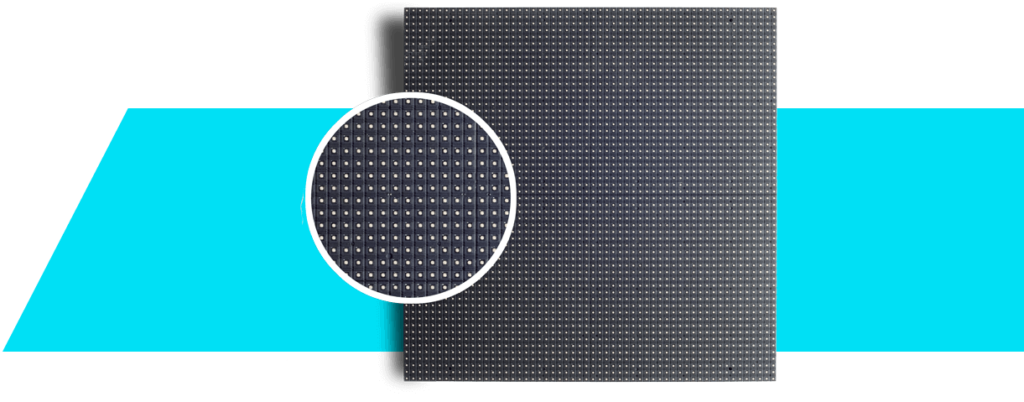
What are the main components inside an LED sign?
An LED sign is built from several core components that work together to control brightness, color accuracy, reliability, and lifespan. The quality of these internal parts—not just screen size—determines how well a sign performs over years of outdoor or indoor use.
When people think about LED signs, they usually focus on what they see on the surface. In reality, performance is decided by what’s happening behind the pixels.
Here’s a plain-language breakdown of the components that matter most.
LED chips
At the core of every LED sign is the LED chip itself. It’s a semiconductor that emits light when current passes through it, typically built from materials like gallium nitride. The U.S. Department of Energy’s solid-state lighting research explains that this material choice directly affects both color accuracy and energy efficiency, which is why higher-quality chips tend to stay brighter and more consistent over time.
Printed circuit boards (PCBs)
LED chips don’t operate in isolation. They’re mounted to printed circuit boards that handle both electrical flow and heat dissipation. According to thermal management guidelines referenced in IEEE power electronics research, poor PCB design is one of the fastest ways to shorten LED lifespan. When heat isn’t moved away efficiently, brightness degrades long before the LED itself should fail.
Driver circuits
The driver is what keeps an LED sign stable. It regulates incoming power so the LEDs receive consistent current. Power quality studies published through IEEE consistently show that unstable or poorly matched drivers cause flicker, uneven brightness, and premature component wear — problems that are often mistaken for “bad LEDs” when the real issue is electrical control.
Housing and optics
The enclosure does more than protect the sign from weather. Industry lighting standards note that housing design affects airflow, moisture resistance, and long-term performance. Optics such as lenses or diffusers then shape how light exits the sign, influencing viewing angle, contrast, and readability from the road.
Control systems
Modern LED signs rely on control systems that manage content, brightness, and scheduling. As documented in digital signage infrastructure studies, cloud-connected control platforms allow operators to adjust messaging in real time while also maintaining security and system stability across multiple displays.
How LED Signs Actually Work
How LEDs create light
LEDs produce light through electroluminescence. When electricity moves through the semiconductor, energy is released as visible light. There’s no filament to burn out and no moving parts, which is why LEDs respond instantly and hold up better over long operating hours.
Why color accuracy matters
Color comes down to the materials used inside the chip. Different semiconductor compositions produce different wavelengths of light, which is how LEDs generate red, green, blue, and blended white tones. Higher-quality materials maintain color consistency longer, especially in outdoor environments exposed to heat and sun.
Why LED signs are built in panels
Most LED displays are modular by design. Instead of one solid screen, they’re assembled from panels that lock together. This makes it easier to scale the display, service individual sections, and customize the size without redesigning the entire structure.
Pixel pitch and image clarity
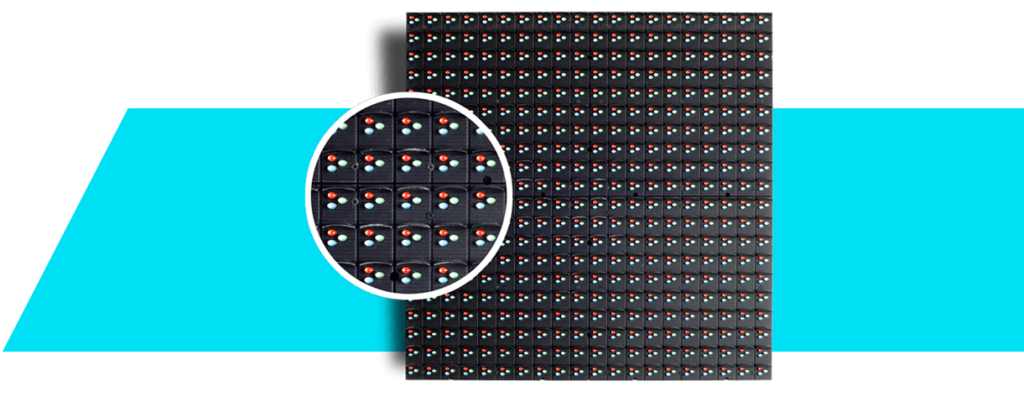
Pixel pitch refers to the space between individual LEDs. The tighter that spacing is, the sharper the image appears at closer viewing distances. Larger pixel pitch works well for roadside signs viewed from far away, while tighter pitch is better for applications where detail and legibility matter up close.
Advancements in LED Technology
Brighter displays with lower power draw
LED technology has steadily improved in both brightness and efficiency. Advances in chip design now allow signs to achieve higher light output while using less energy. For outdoor displays, this means better visibility in full sun without the power demands older systems required.
Nielsen research shows digital displays generate up to 400% more views than static signage, reinforcing the value of high-brightness LED visibility.
Flexible and transparent display options
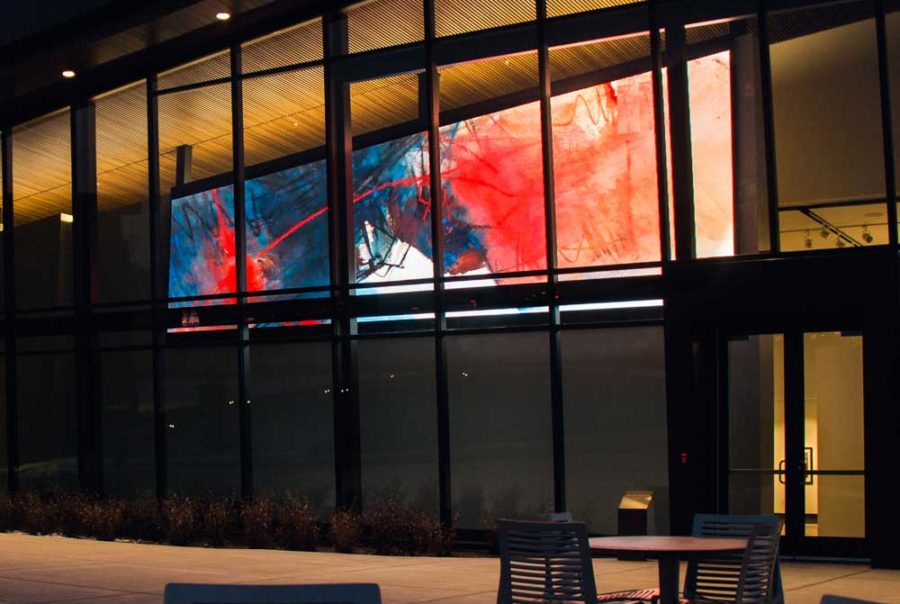
Newer LED formats are expanding where and how digital signs can be used. Flexible LED panels make it possible to wrap displays around architectural elements or curved surfaces. Transparent LED displays allow light to pass through the screen, creating visual impact without blocking sightlines or natural light.
According to the U.S. Department of Energy, LED technology uses up to 75% less energy than traditional lighting and display technologies.
Smarter, more responsive signs
Modern LED signs increasingly integrate with smart systems. Displays can adjust brightness automatically based on ambient light, trigger messages from sensors or schedules, and respond to real-time inputs. This allows content to stay relevant without constant manual intervention.
Cloud-based control and monitoring
Control systems have also evolved. Cloud-based platforms make it possible to update content remotely, manage multiple signs from one interface, and monitor performance in real time. For operators managing several locations, this reduces downtime and simplifies ongoing maintenance.
Benefits of LED Sign Technology
Long service life
LED signs are built to run for years. With typical lifespans exceeding 50,000 operating hours, they require far fewer component replacements than older display technologies. That longevity reduces ongoing maintenance costs and minimizes downtime over the life of the sign.
High visibility in real-world conditions
One of the most noticeable advantages of LED displays is brightness. They remain readable in direct sunlight, rain, and changing light conditions without washing out. This consistency is why LEDs work equally well indoors and outdoors, where visibility can’t depend on perfect lighting.
OAAA reports that digital displays increase message recall by over 45% compared to static formats, driven by brightness, motion, and contrast.
Flexible applications
Because LED signs are modular, they can be scaled and configured for many uses. The same core technology supports compact indoor displays, roadside monument signs, and large-format outdoor installations. That flexibility allows businesses to match the display to the environment instead of forcing a one-size-fits-all solution.
Why Choose LED Signs?
LED signs solve real problems businesses face every day: visibility, flexibility, and long-term reliability. As the technology has matured, LED displays have become easier to manage, more efficient to operate, and far more adaptable than traditional signage.
Lower energy use
LED signs consume significantly less power than older illuminated sign technologies. That efficiency matters for signs that run long hours, especially outdoor displays that need to stay bright throughout the day.
Easy content changes
Messages don’t stay static anymore. LED signs let businesses update promotions, announcements, or schedules quickly without printing costs or physical replacements. Content can change as often as the business needs it to.
Built for long-term use
LED components are designed to handle weather, temperature swings, and continuous operation. That durability translates into fewer service calls and more predictable ownership costs over time.
The DOE also notes that modern LED systems can last 50,000–100,000 hours, significantly reducing maintenance and replacement cycles.
For businesses that rely on visibility to attract customers, LED signage offers a practical balance of performance, control, and return on investment—without the limitations of traditional signs.
Frequently Asked Questions About LED Sign Technology
Q: How does pixel pitch affect the viewing distance and clarity of an LED sign?
A: Pixel pitch (the distance between individual LED pixels) directly correlates to the optimal viewing distance. For example, a 10mm pixel pitch is optimized for audiences viewing from approximately 90 to 100 feet away. Choosing a pixel pitch that is too large for your viewing distance can result in pixelated images and reduce message comprehension by up to 45% for passing traffic (Source: Digital Signage Federation / DSF).
Q: What is the difference between DIP and SMD LED technology for outdoor displays?
A: While DIP (Dual In-line Package) was the standard for older signs, SMD (Surface Mounted Device) technology is now preferred for high-resolution modern displays. SMD chips group red, green, and blue diodes into a single point, allowing for wider viewing angles (up to 160°) and superior color blending. Industry data shows that SMD displays offer 30% better color consistency at close viewing ranges compared to legacy DIP configurations (Source: LED Display Industry Report).
Q: How many nits of brightness are required for an outdoor LED sign to be visible in direct sunlight?
A: To compete with direct sunlight, an outdoor LED sign requires a brightness level of at least 5,000 nits (candelas per square meter). High-performance displays, like those from NEXT LED, are often rated up to 10,000 nits to ensure 100% visibility even during peak daylight hours. Displays falling below this threshold can suffer from “washout,” reducing ad recall by over 60% during the day (Source: Outdoor Advertising Association of America / OAAA).
Q: What is the expected lifespan of a modern solid-state LED sign?
A: High-quality solid-state LED signs are engineered for longevity, with an average rated lifespan of 100,000 hours of continuous use. This equates to over 11 years of 24/7 operation before the LEDs degrade to half-brightness. Solid-state manufacturing eliminates fragile fans and moving parts, which helps reduce long-term maintenance costs by nearly 40% (Source: Illuminating Engineering Society / IES).
Q: How do cloud-based control systems improve digital signage management?
A: Cloud-based software allows users to update content remotely from any device with an internet connection. This immediacy is critical for safety and engagement; schools and businesses utilizing cloud-based updates report 90% faster response times for emergency alerts compared to locally hosted or USB-driven systems (Source: Campus Safety Magazine).
This article reflects field experience designing and supporting LED display systems used in retail, education, and commercial environments.
NEXT LED Signs is a U.S.-based manufacturer of solid-state engineered indoor and outdoor LED displays, video signage, and scoreboards.
Talk with a LED Sign Specialist
Have questions about LED display technology or choosing the right sign for your environment? Call 888-359-9558 to speak to a product specialist.