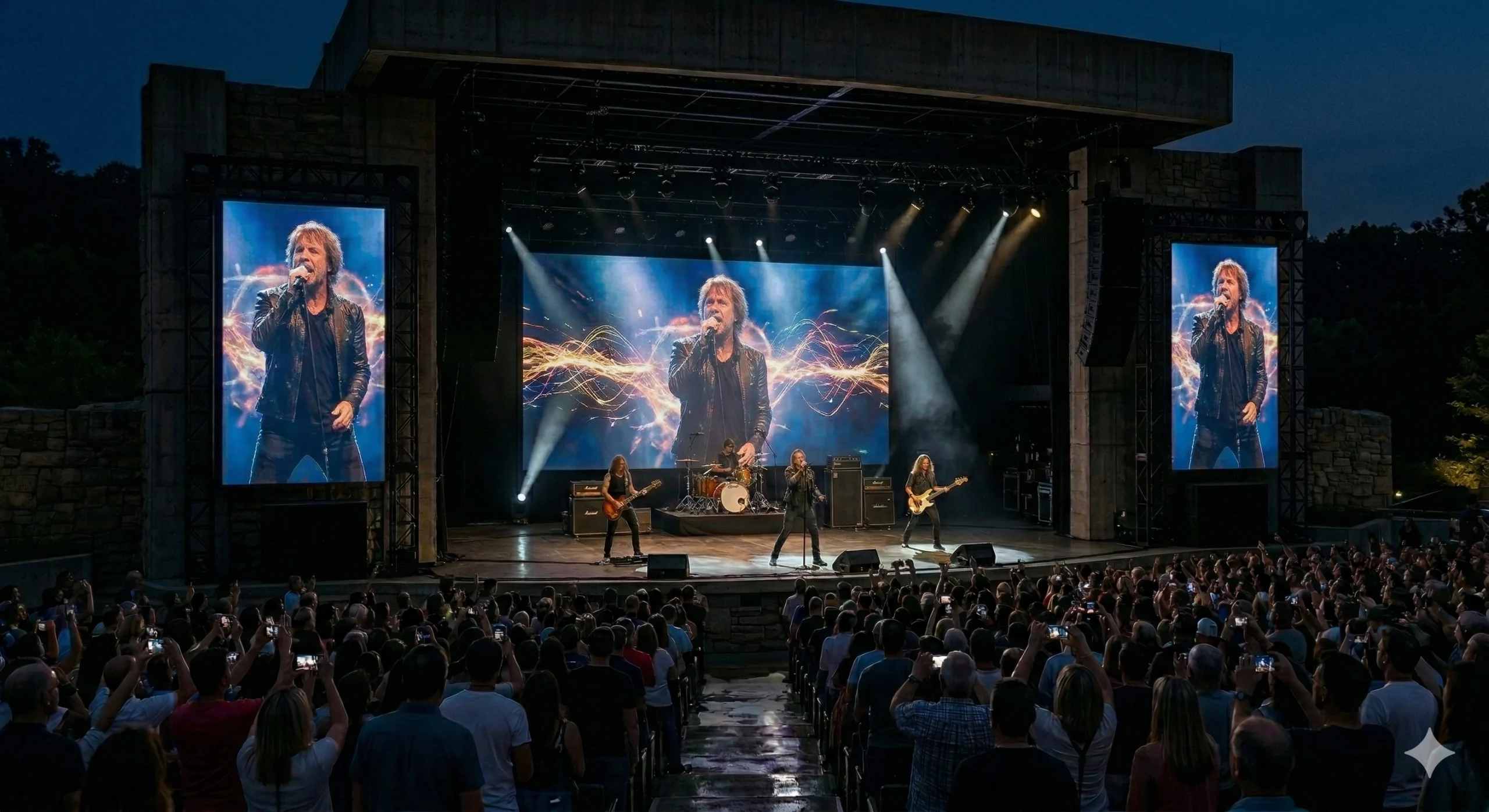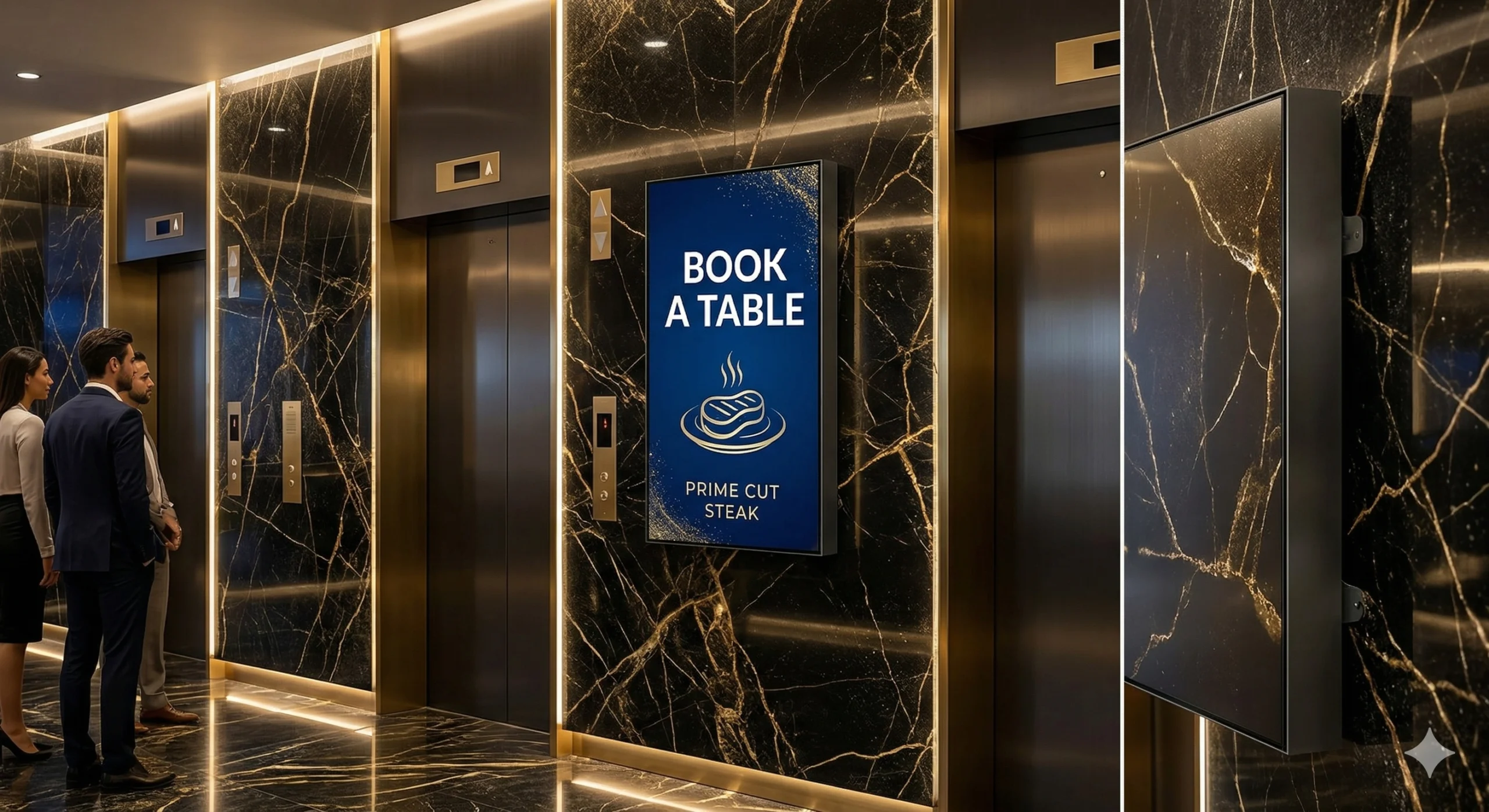
Digital signage in hotels and resorts is used to deliver real-time information, improve wayfinding, reduce guest friction, and support on-property services through indoor LED displays. This article explains how hotel and resort digital signage works, where it is most effective, and how it improves guest experiences across lobbies, events, dining areas, and check-in environments.
Why use LED signage in hotels?
Hotels change by the hour. Check-in volume shifts. Events start late. Weather rolls in. Shuttles run early or behind schedule.
Printed signs can’t keep up with that. LED displays can.
Because they’re bright and dynamic, guests notice them without trying. Motion naturally pulls the eye, especially in busy spaces like lobbies. That’s one reason digital content tends to stick longer in memory. Studies show recall rates as high as 83%, which matters when you’re trying to communicate quickly.
More importantly, LED signage lets staff respond in real time instead of reacting after guests are already confused.
Where digital signage fits into the hotel experience
In practice, hotel digital signage isn’t just one screen behind the front desk. It’s a connected system.
Most properties use a mix of lobby screens, elevator displays, event boards, menu boards, and sometimes interactive kiosks. All of it runs through a central platform, which means content can change by location and time of day.
Morning messages don’t look like evening messages. Conference guests see different information than leisure travelers. Emergency notices can override everything else instantly.
From the guest’s point of view, it doesn’t feel technical. It just feels like the hotel knows what it’s doing.

Digital signage can improve the guest experience in hotels
Think about the moments when guests hesitate. They stop walking. They look around. They’re deciding whether to ask someone for help.
That’s the moment signage should step in.
Clear, timely information reduces uncertainty. Guests don’t have to wonder where to go or what’s happening next. They can see it. That’s why around 70% of hotel guests say on-property digital displays feel engaging or entertaining instead of annoying.
When signage works, movement through the property feels smoother. Guests spend less time waiting and more time enjoying where they are.
Some innovative uses of digital signage in hotels
Hotels are moving beyond basic welcome screens. Some of the most effective uses are also the simplest.
Interactive concierge displays help guests explore nearby restaurants, attractions, or walking routes without standing in line. In-room screens highlight spa openings or late checkout options at the right moment. Event boards update agendas when sessions move or run long.
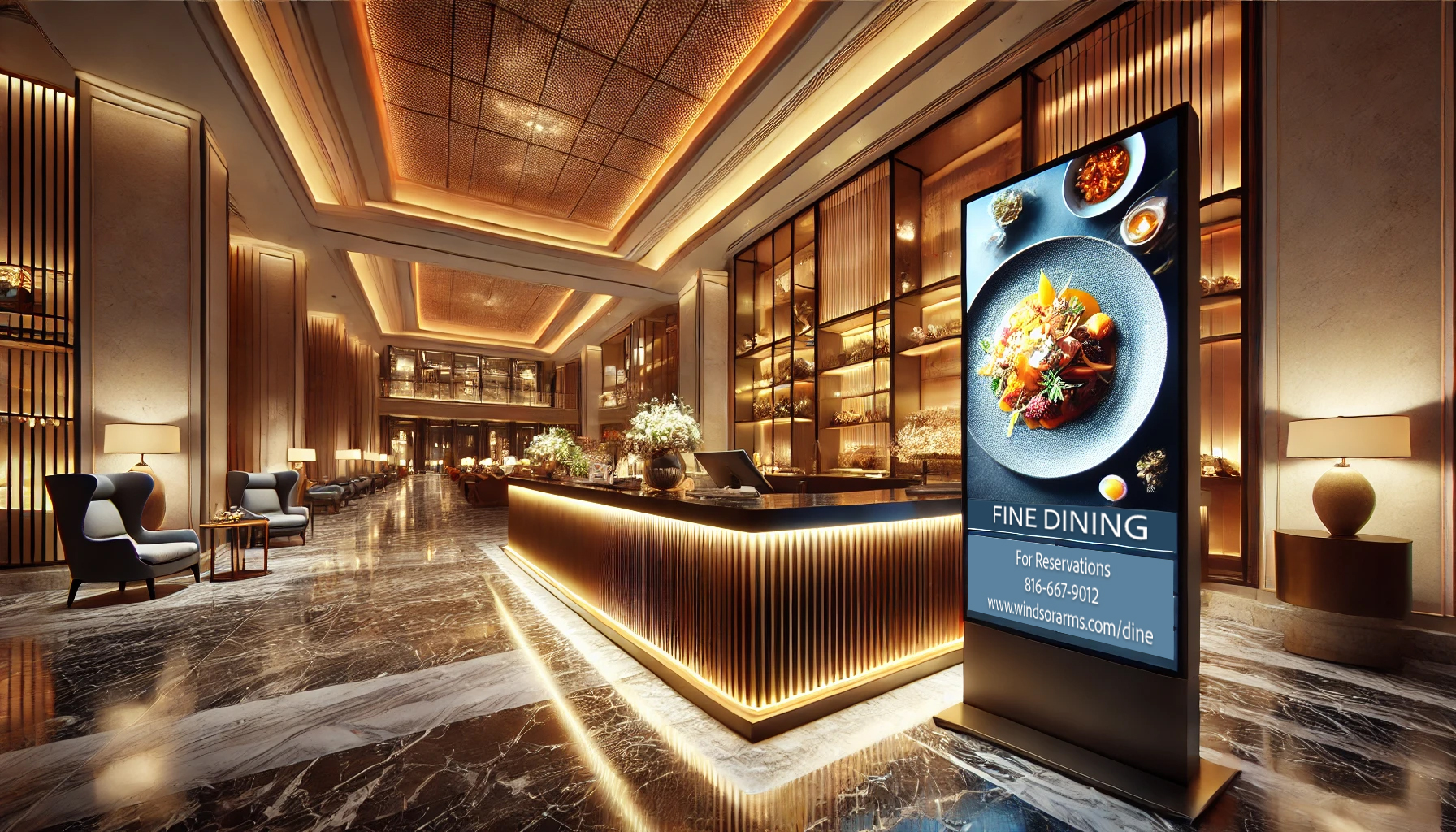
Large LED video walls in lobbies often serve a different purpose. They set tone. They anchor the space visually and naturally guide foot traffic toward dining or lounge areas without forcing it.
The benefits of using digital signage in hotels
On the practical side, digital signage reduces printing, speeds up communication, and keeps messaging consistent across the property.
Hotels use digital signs for marketing.
Effective hotel signage follows the rhythm of the day.
Breakfast promotions make sense in the morning. Spa and pool messaging lands better in the afternoon. Entertainment and bar specials belong in the evening. When content aligns with guest mindset, it feels helpful instead of promotional.
Retail data shows that digital signage can trigger impulse decisions. The same logic applies on property. When guests see relevant offers at the right time, they’re more likely to act.
Digital signs reduce queues.
Waiting feels longer when people don’t know what’s happening.
Queue-adjacent screens help by setting expectations. They show what steps are coming next, how long the process might take, and what alternatives are available. QR codes for mobile check-in or directions to bag drop areas give guests options instead of forcing them to stand still.
As self-service adoption grows, signage plays an important supporting role. It keeps lines moving without adding pressure on staff.
On the revenue side, it influences behavior. Research shows that 19% of consumers make an impulse purchase after seeing a digital ad. In a hotel, that might mean a drink special catches someone’s eye or a spa offer feels timely instead of pushy.
The key is that the signage supports decisions guests were already considering.
Digital signage helps with hotel operations
Operationally, digital signage becomes a live bulletin board.
Staff can adjust check-in guidance during peak hours, redirect guests around temporary closures, or push out weather alerts instantly. That flexibility matters, especially when conditions change faster than staff can explain them.
Self-service expectations also play a role. About 70% of U.S. travelers say they prefer app-based or kiosk check-in over a traditional front desk. Signage helps bridge that transition by explaining options clearly and reducing bottlenecks before they form.
Frequently Asked Questions on Hospitality Digital Signage Strategies
How does digital signage improve hotel guest satisfaction?
Digital signs improve satisfaction by delivering real-time, automated answers to common guest questions regarding check-in times, available amenities, and local transit schedules [Source: AIScreen Hospitality 2026]. By providing clear wayfinding and event schedules without requiring direct staff interaction, guests feel more in control of their stay, which directly leads to higher Net Promoter Scores (NPS) and increased repeat bookings [Source: Hughes Hospitality White Paper].
Can digital signage actually drive hotel revenue?
Yes, digital signage is a powerful upselling tool that naturally guides guest behavior toward high-margin areas such as on-site spas, restaurants, and lounges [Source: Play Digital Signage 2026]. By scheduling specific promotions—such as Happy Hour specials or spa discounts—during peak foot traffic times in the lobby, hotels can see an average revenue lift of 10–15% for on-site services [Source: Grand View Research 2025].
What content is most effective for resort and hotel lobby signs?
The most effective lobby content includes high-contrast wayfinding, live shuttle or flight updates, and automated event schedules that keep guests informed without needing to ask staff [Source: George & Willy 2026]. Rotating this content frequently prevents “sign blindness,” ensuring that guests are consistently engaged with information about local specials and resort amenities that enhance their overall experience [Source: Rise Vision Dec 2025].
What is the best placement for digital signage to influence guests?
Strategic placement focuses on high-traffic “decision points” such as the lobby check-in desk, elevator banks, and entrance points to bars or restaurants [Source: Texas A&M Marketing 2025]. Positioning high-resolution screens in areas where guests naturally pause or wait ensures a higher glance rate and a 400% increase in views compared to traditional static posters in less visible areas [Source: SignsandLEDs 2025].
If you’re evaluating whether your current LED sign is still delivering the visibility and value you expect, it may be worth reviewing your options and understanding what newer systems offer. Give us a call at 888-359-9558 for expert advice on your sign update.