
Modern LED scoreboards are no longer single-sport tools; they are open-platform digital canvases capable of generating significant revenue. However, many schools unwittingly lock themselves into restrictive software contracts that limit this potential. By choosing the right ecosystem, schools can switch instantly between football, wrestling, and community events while unlocking 650% ROI for sponsors. This guide explores the four main software models, the specific sport-by-sport features available, and how to avoid vendor-locked traps.
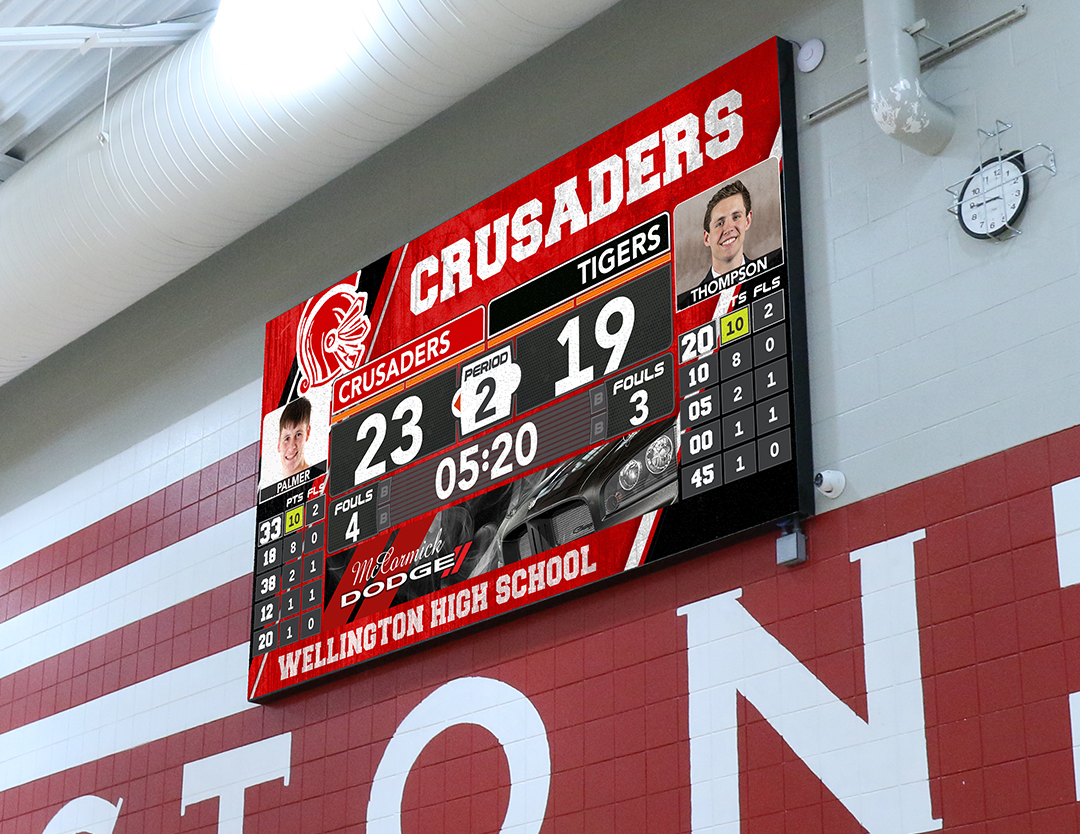
Modern LED scoreboards can handle far more than scoring.
LED scoreboards have come a long way, and the biggest story isn’t the hardware—it’s the freedom schools now have with software, content, and customization. Whether you’re running Friday-night football, a wrestling tournament, or a swim meet, today’s displays can adapt to almost any sport, any layout, and any game-day experience.
But versatility depends heavily on your software choices, not the panel itself. That’s the part most schools never hear during the buying process—and it can affect your scoreboard’s usefulness for the next decade.
Subscription Platforms: The “Software as a Service” Model
Many high-performance scoring suites operate on a SaaS (Software as a Service) model. In this scenario, the school pays an initial onboarding fee, followed by an annual subscription that covers software licensing, cloud access, and support.
The Advantage: These systems are often the most polished. They typically include cloud-based tools that allow Athletic Directors to schedule content from their phone, seamless integration with livestreaming services, and regular updates that add new features automatically.
The Risk: The long-term cost of ownership is higher. If the school’s budget is cut and the subscription lapses, the functionality of the board may be severely limited or disabled entirely. Additionally, you are renting the capability, not owning it.
Sport-by-Sport Customization Options
Once you have an open or flexible system, what can you actually display? Here is what schools can realistically expect from a well-designed scoring ecosystem:
Football
- Game Flow: Scoring, downs, possession, and timeouts.
- Fan Engagement: Hype videos, “Make Noise” meters, and instant replay (with the right camera input).
- Revenue: Dedicated zones for sponsor rotations that run independent of the score.
Basketball
- Data: Shot clocks (integrated), foul tracking, and period time.
- Visuals: Full-screen player introductions with stats and photos.
- Impact: Rapid-fire animations for 3-pointers and dunks.
Volleyball
- Tracking: Set wins, current rotation, and libero tracking.
- Atmosphere: Match intro videos and “Ace” animations that keep the energy high.
Baseball & Softball
- Details: Pitch count, batter stats, outs, and base runners.
- Advanced: Pitch speed radar integration (if hardware is available) and full lineup cards.
Wrestling, Swim & Track
- Logistics: Lane assignments, heat sheets, and tournament brackets.
- Timing: Real-time clock integration for split-second results.
Multi-Use & Community Events
The biggest advantage of a versatile LED display is that it doesn’t have to be a scoreboard at all. The same board can run:
- Graduations: Live camera feeds of students walking the stage.
- Movie Nights: High-definition films for community fundraisers.
- Concerts: Visual backdrops for band performances.
- Emergency Alerts: Clear, bright instructions during campus emergencies.
Versatility is the entire point. You aren’t just buying a scoreboard; you are buying a communication tool.

The Economics of Versatility: Revenue & Education
Versatility isn’t just about fun; it is a financial strategy. When a display can switch from a scoreboard to an advertising platform, the math changes.
Industry reports indicate that 95% of schools recover the full cost of their digital scoreboard through sponsorship revenue within the first 12 months. Because digital ads can be rotated and scheduled, schools can offer more inventory to local businesses.
For the sponsors, the return is equally impressive. Local businesses investing in scoreboard ads frequently see returns of 650% or more during a single high school sports season.
Beyond revenue, the versatility of these boards supports educational outcomes. With 96% of students reporting that video content enhances their learning experience, using the scoreboard as a hands-on lab for AV and marketing classes turns a capital expense into a curriculum asset.
Manufacturer-Locked Software: The Buyer-Beware Category
This is the most common trap for schools. Some legacy scoreboard manufacturers design their LED displays to listen only to their proprietary data signals.
The Reality: When you buy a manufacturer-locked system, you are marrying that vendor for the life of the display.
- No Switching: If their software interface is clunky or difficult for students to learn, you cannot switch to a third-party provider like Scorebird or ProPresenter.
- Forced Obsolescence: If the manufacturer decides to stop supporting that specific controller or software version, you may be forced to buy expensive proprietary hardware upgrades just to keep the board running.
Limited Versatility: You are often limited to the specific sport templates they provide. If you want to use the board for a non-sport event (like a graduation or movie night), the proprietary software may make it difficult or impossible to display standard video formats.
One-Time-Purchase Platforms: The Traditional Model
Other systems operate under a “buy it once” model. You purchase the software license upfront as part of the capital installation cost.
The Advantage: This creates a predictable “Total Cost of Ownership” (TCO). Once the system is installed, there are no surprise bills in Year 3 or Year 5.
The Trade-off: Upgrades are usually manual and may require a fee. Over time, the software can become dated unless the school actively invests in the next version.
Open-Platform Scoreboards: Maximum Freedom
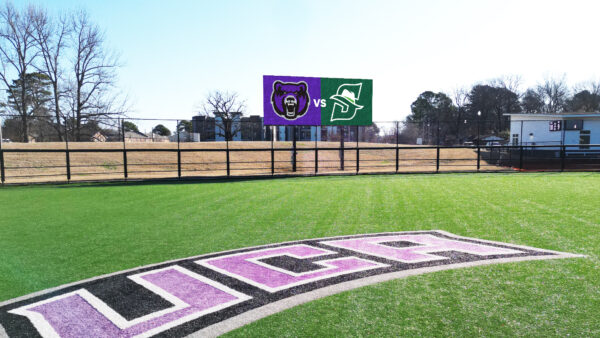
This is the modern standard for versatility. Open-platform systems treat the LED display as a giant computer monitor. They can accept standard video inputs (HDMI, SDI, NDI) from any source.
Why This Matters:
- Software Agnostic: You can use a dedicated scoring platform for games, then plug in a laptop running PowerPoint for a school assembly, or a media server for a graduation ceremony.
- Future-Proof: If a better scoring software comes out in five years, you can switch to it without replacing your expensive LED hardware.
- Student Friendly: You can run industry-standard production software (like OBS, vMix, or Adobe products), giving students real-world skills they can use in future careers.
The Economics of Versatility: Revenue & Education
Choosing the right software isn’t just about convenience; it is a financial strategy. When a display can switch effortlessly from a scoreboard to an advertising platform, the math changes.
Industry reports indicate that 95% of schools recover the full cost of their digital scoreboard through sponsorship revenue within the first 12 months. Because digital ads can be rotated and scheduled, schools can offer more inventory to local businesses.
For the sponsors, the return is equally impressive. Local businesses investing in scoreboard ads frequently see returns of 650% or more during a single high school sports season.
Beyond revenue, the versatility of these boards supports educational outcomes. With 96% of students reporting that video content enhances their learning experience, using the scoreboard as a hands-on lab for AV and marketing classes turns a capital expense into a curriculum asset.
Training Matters as Much as Software
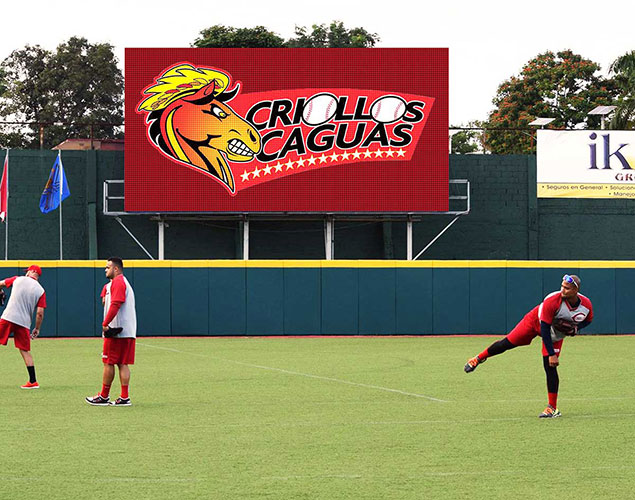
Schools often overlook the operational side. Even with the best platform, you need a trained game-day operator, someone responsible for content, and a plan for non-sports events.
When a system is intuitive, students can operate it—which is ideal. When a system is proprietary and complicated, only one or two people can manage it, which becomes a crisis when that person graduates or leaves the district.
What Schools Should Ask Before Signing
To avoid getting locked into a restrictive system, Athletic Directors should ask these questions during the demo:
- “If we cancel our subscription, does the board still work?”
- “Can we plug in a laptop via HDMI and show anything we want?”
- “Are we allowed to install third-party scoring software on this controller?”
- “Do we own the software license, or are we leasing it?”
If the vendor hesitates on any of these, proceed with caution.

Do digital scoreboards really pay for themselves?
Yes, they often do. Research shows that approximately 95% of schools are able to recoup the entire cost of their digital display investment within the first year solely through advertising revenue. Because digital boards allow for rotating ads rather than static permanent signs, schools can sell more sponsorship slots to local businesses, typically generating between $10,000 and $25,000 annually.
Can a digital scoreboard be used for educational purposes?
Absolutely. Many schools treat their digital scoreboard as a real-world classroom for students interested in broadcasting, graphic design, and marketing. By allowing students to create the graphics, manage the ad playlists, and operate the board during games, schools provide vocational training that is highly engaging—96% of students believe video-based learning tools improve their educational experience.
What is the expected lifespan of a modern LED scoreboard compared to traditional bulbs?
Modern LED scoreboards are solid-state devices, meaning they lack the fragile filaments and glass of older incandescent bulb systems. While traditional bulbs often require frequent replacement, quality LED components are rated for 100,000 hours of use—which translates to over 11 years of continuous 24/7 operation, or decades of typical game-day usage, significantly reducing long-term maintenance costs.

Ready to Talk About Your Scoreboard Options?
If you’re exploring scoreboard options and want help understanding which software ecosystems give you the most freedom, reach out to our team at Next LED Signs. We can walk you through real setups, explain how different scoring platforms work, and show you what’s possible with the right combination of hardware and software.
You don’t need to be ready for a quote — just ready for good information. Call us at 888-359-9558 to get started.