If you feel like school fundraising has gotten harder, you aren’t imagining it—but the opportunities have gotten bigger, too. The strategies winning in 2026 are moving away from labor-intensive product sales (like wrapping paper) and toward high-margin digital campaigns. In fact, schools combining LED communication with mobile giving are seeing 30% higher donor retention than those relying on events alone. This guide will help you focus on the channels that actually move the needle for your budget.
The Numbers You Need to Know (2026 Data)
To plan a successful year, it helps to know where the market is going. Here is what the latest data tells us about donor behavior:
- Donors Are Moving Online: The average digital donation to K-12 education has risen to $187, largely driven by mobile-friendly platforms like Apple Pay.
- You’re Likely Missing Free Money: An estimated $4 – $7 billion in corporate matching funds goes unclaimed every year. Simply reminding parents to check their employer’s matching program can increase your revenue by 51%.
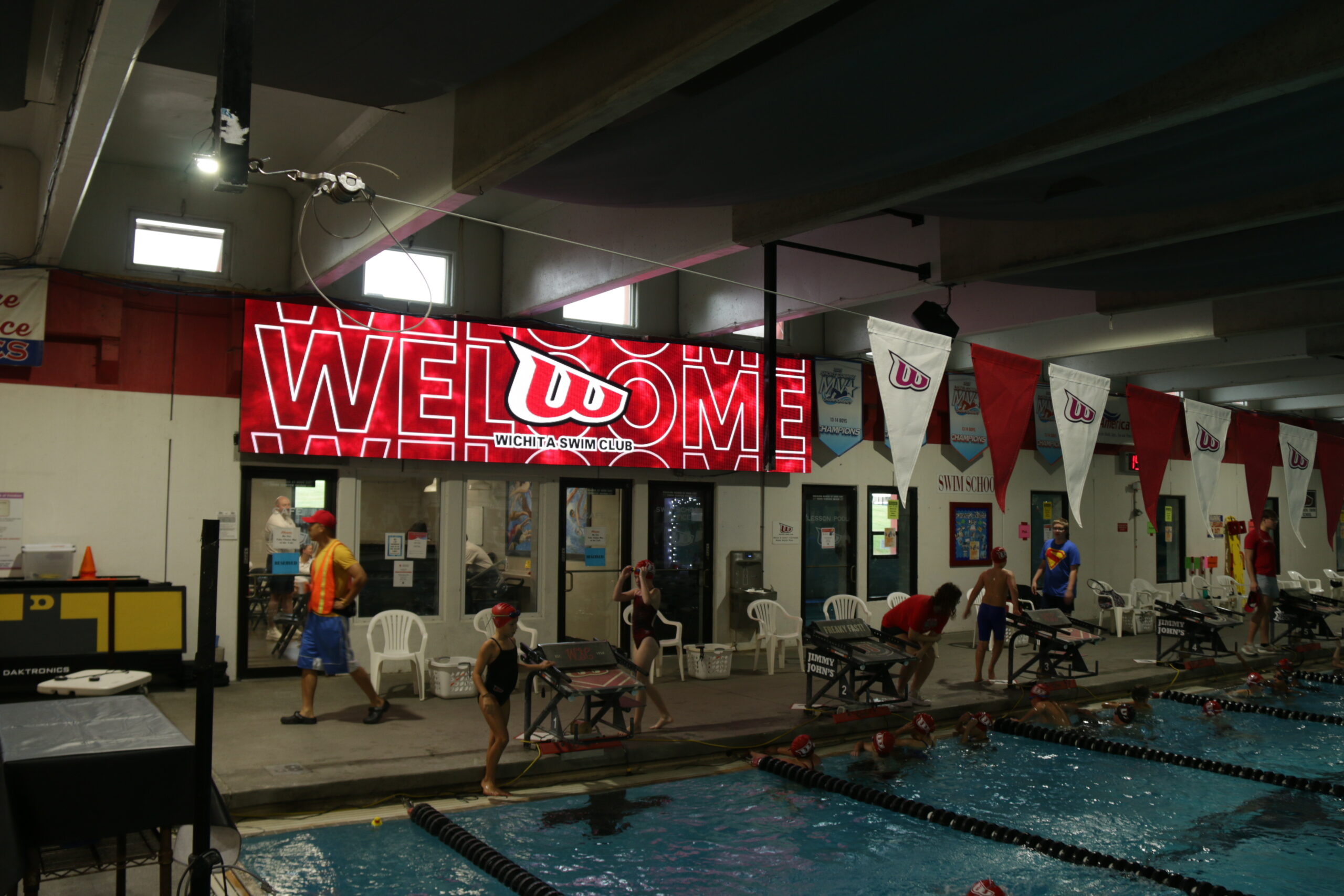
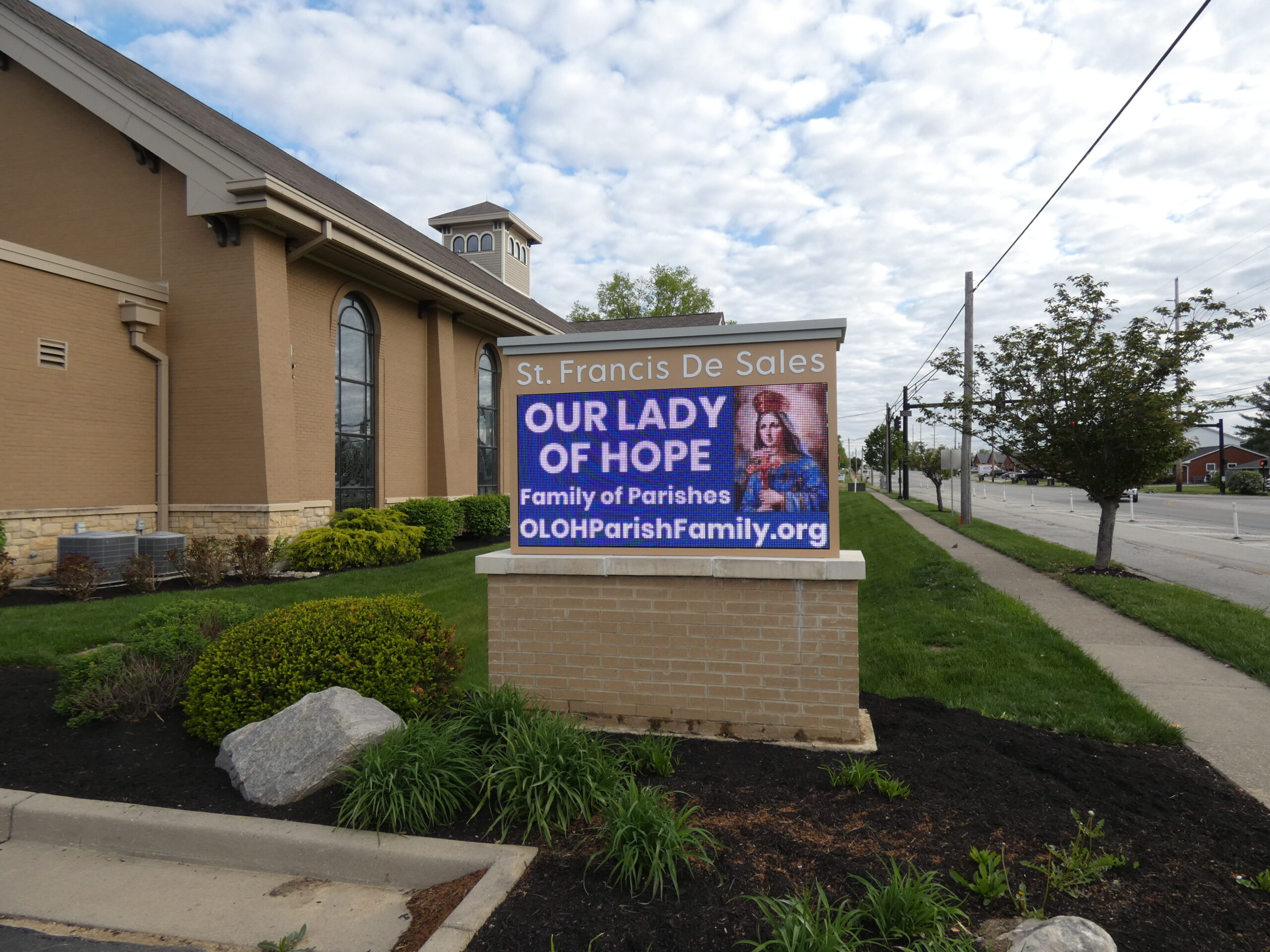
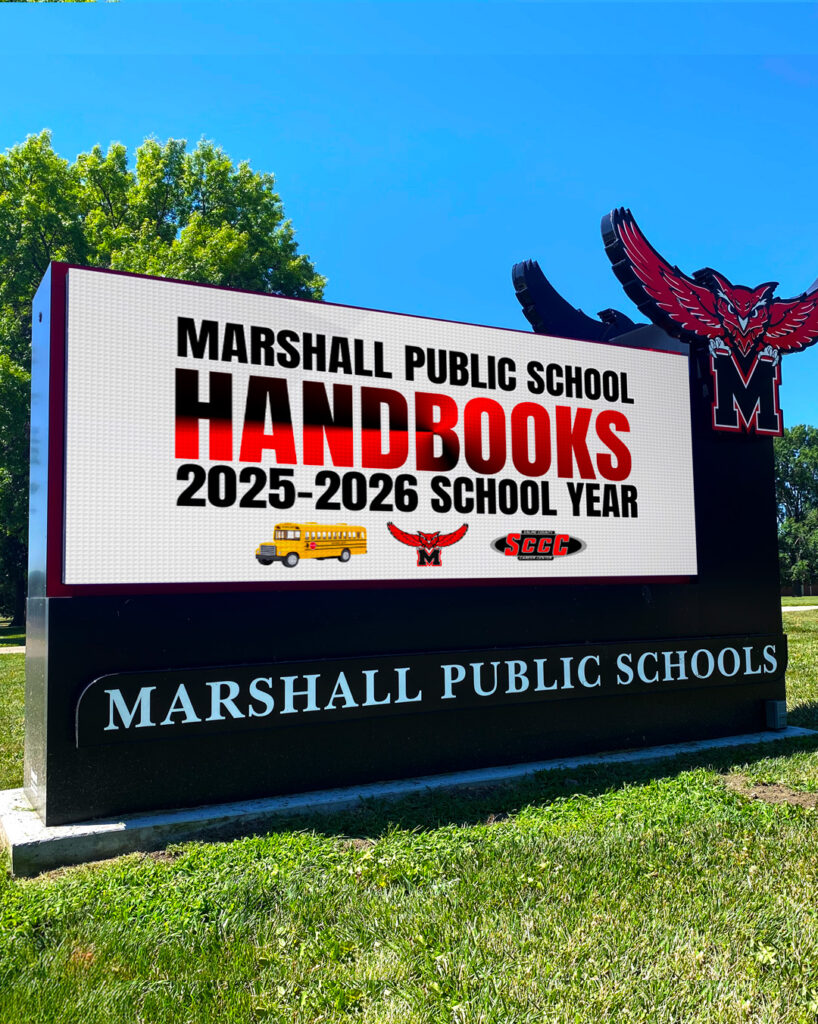
- Screens Drive Action: Schools using outdoor digital signage to promote fundraisers report a 24% increase in participation compared to those using only flyers and emails.
- Time is Money: Digital peer-to-peer fundraisers (like fun runs) are far more efficient, requiring 75% fewer volunteer hours to manage than traditional product sales.
Corporate Sponsorships (The “Digital Partnership” Model)
Let’s be honest: asking local businesses for a one-time cash donation is tough. They get asked by everyone. But offering them advertising value? That’s a business transaction they understand.
Instead of a plaque on a wall that no one sees, offer a “Digital Partnership.”
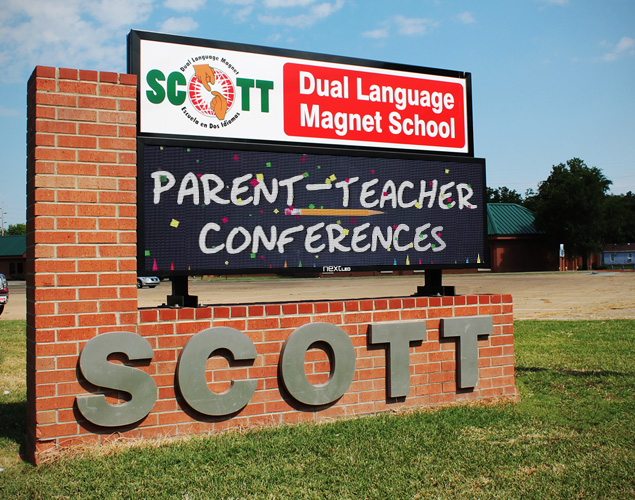
- How it works: A local business donates $1,500/year. In exchange, their logo goes into rotation on your school’s marquee and scoreboard.
- Why it wins: You keep 100% of the profit (unlike cookie dough sales where you split 50% with a vendor). Plus, your LED sign is seen by thousands of parents daily—value that realtors and orthodontists are happy to pay for.
Peer-to-Peer Fundraising (Without the Middleman)
You’ve seen the “Fun Run” companies that come in, host a pep rally, and then take 50% of what your kids raise. In 2026, you don’t need them.
Modern software platforms allow you to run these events yourself.
- The Shift: Students still get their own donation pages to send to Grandma and Grandpa, but the “overhead” is just the software fee (usually 5-10%).
- The Result: Your school keeps 90% of the profit instead of 50%. It takes a little more coordination from your team, but the revenue difference is massive.
The “Buy-a-Pixel” Campaign
This is the modern update to the classic “Buy a Brick” walkway. If you are raising money for a tech upgrade—like a new media lab or a digital scoreboard—give donors a way to “own” a piece of it.
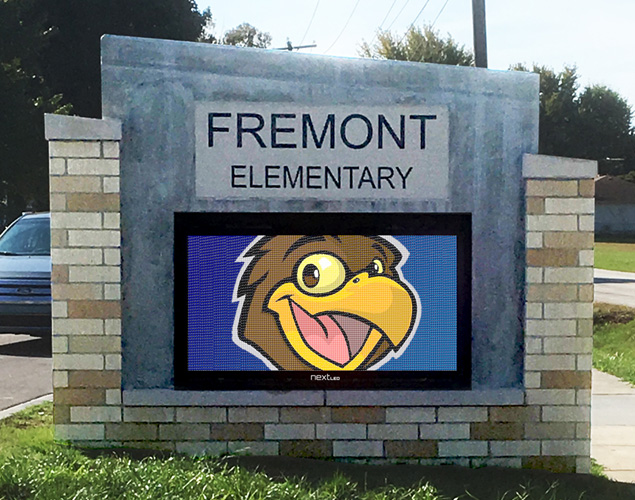
- The Strategy: Donors who give over $100 get their name permanently displayed on a “Legacy Wall” slide on the new screen.
- Why donors love it: It’s visible recognition. A brick gets walked on; a digital shout-out gets seen by the whole community at every football game or pickup line.
Spirit Nights (Optimized for Traffic)
Partnering with a local restaurant for a percentage of sales is a classic move, but most schools see low returns ($200-$300) because families forget to go.
The Fix: Use your outdoor assets.
- The Tactic: Don’t just send a flyer home. Flash the restaurant logo and “TONIGHT: 5-8 PM” on your LED sign during the afternoon carpool pickup.
- The Impact: Catching parents right when they are deciding “What’s for dinner?” increases turnout by 18-22%.
Frequently Asked Questions about School Fundraising
What are the most profitable fundraisers right now? The highest margins come from digital campaigns that eliminate vendor fees. Data from 2026 shows the top three ROI performers are:
- Digital Sponsorships: 100% Profit. (Selling logo space on existing LED signs).
- Direct Give / Annual Fund: 100% Profit. (Straight cash donations via mobile links).
- In-House Fun Runs: 90% Profit. (Using your own software vs. hiring a company that takes 50%).
How do we get people to donate more than once? The secret is moving donors from “transactional” giving to “recurring” giving using these three tactics:
- Ask for Monthly, Not One-Time: Requesting “$10 a month” converts better than asking for $120 up front.
- Show “Impact Reports”: Use your digital signage to post photos of exactly what previous money bought (e.g., “Your donations bought these microscopes”).
- Automate the Ask: Use platforms like Apple Pay that allow donors to check a “Make this monthly” box in one second.
Can we really sell ads on our school sign? Yes, but you must navigate district policies carefully. To stay compliant, use the following “Sponsorship” language instead of “Advertising” language:
- DO SAY: “Community Partner,” “Proud Sponsor,” or “Supported By.”
- DO NOT SAY: “Sale ends Friday,” “Buy Now,” or list specific product prices.
- The Rule: As long as you are recognizing a donation rather than pushing a commercial offer, it generally fits within educational guidelines.
NEXT LED Signs Helps Schools Plan Smarter
Planning Your Next Project? We know that funding a new communication system can feel daunting, but you don’t have to figure it out alone. NEXT LED Signs helps schools and districts build revenue-generating sponsorship models every day.
Let’s chat about your goals: 888-359-9558 | Contact us