
For amphitheaters in 2026, great sound is only part of the story.
Fans expect a venue to look unforgettable too. That matters even more now that concertgoers are constantly recording and sharing clips online. When people post from a show, they are not just capturing the artist. They are showing the stage, the screens, the atmosphere, and the overall energy of the venue.
That is why LED video walls have become such an important part of amphitheater design. High-refresh-rate displays help eliminate the flicker that shows up on smartphone video. High-brightness outdoor screens stay visible even in afternoon sunlight. Edge-to-edge LED wraps around the stage can also make the performance feel more immersive, which supports fan engagement and stronger sponsorship value. Recent data from Sprout Social, Live Nation, AVIXA, Fortune Business Insights, and The Business Research Company all point in the same direction: venues that invest in better digital architecture are building experiences fans want to remember, share, and come back for.
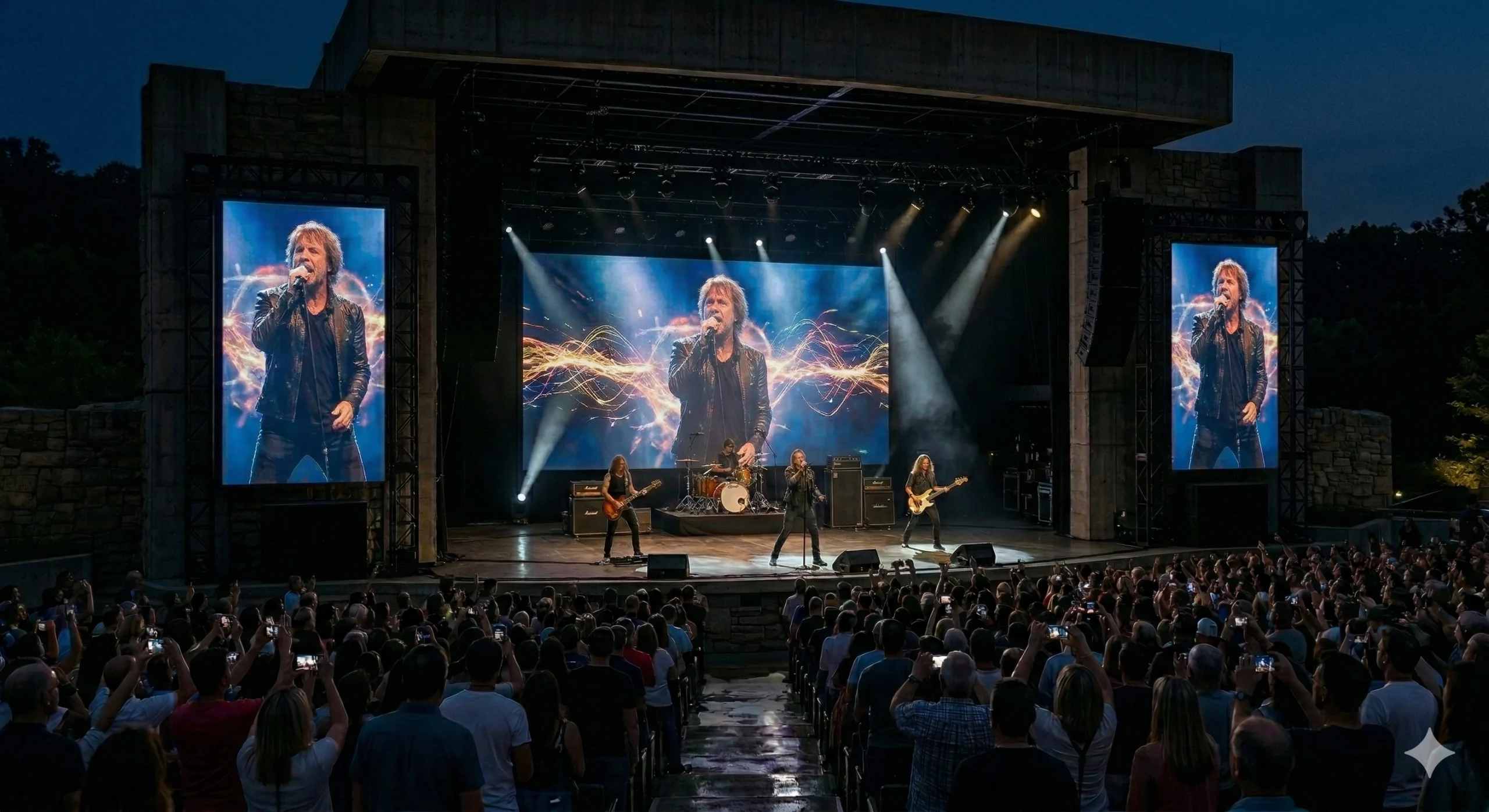
Why refresh rate matters more than most venues realize
The audience is no longer limited to the seats inside the amphitheater. It also includes the people who watch clips later on TikTok, Instagram, and other social platforms.
If your LED screens show scan lines, flicker, or that rolling distortion people sometimes catch on their phones, the venue instantly looks dated on camera. That is not just a technical problem. It is a branding problem.
According to the 2026 Sprout Social Hospitality & Entertainment Index, 94% of fans post to social media during a show. That makes screen performance part of your public image. A high refresh rate, especially at 3,840 Hz or higher, helps keep the content looking solid and clean when fans record it on smartphones. Instead of black bars or water-like ripples, the video looks smoother, brighter, and more professional.
In practical terms, that means your venue is not just performing well in person. It is also performing well online, where future ticket buyers are forming impressions.
Source: Sprout Social Hospitality & Entertainment Index, 2026 / VMX Visual Technical Standards
Why the screen is no longer just for the back row
There was a time when amphitheater video screens were mostly there for magnification. The goal was simple: help the people farthest from the stage see the performer.
That is no longer enough.
Today, the screen is part of the experience itself. Venue owners are using 90-degree corner designs, stage wraps, and integrated LED architecture to create a bigger visual environment around the performance. Instead of acting like a support tool, the display becomes part of the show.
That shift matters because fans are responding to the atmosphere as much as the performance. Live Nation’s 2025 Living for Live Global Study found that 77% of fans said the visual atmosphere of the stage made them feel part of something bigger. That kind of emotional connection helps explain why people are willing to pay more for a live event that feels immersive and memorable.
When the visual environment feels intentional, the venue becomes part of the attraction.
Source: Live Nation Entertainment, Living for Live Global Study, 2025
Why outdoor brightness affects real revenue
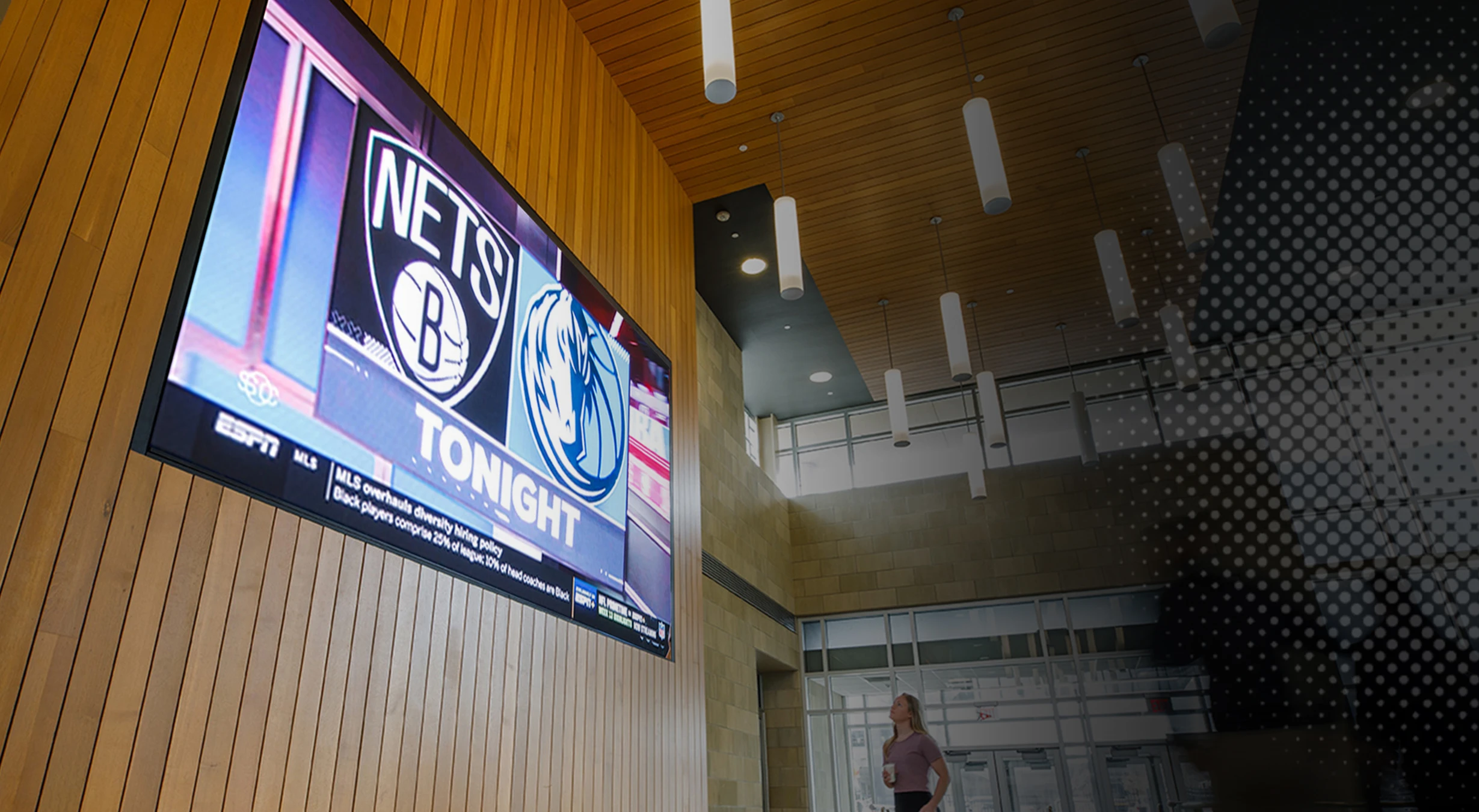
Afternoon shows create a challenge that many amphitheaters know too well. If the sun washes out the screens, the content loses its impact right when sponsors and opening acts still need visibility.
That is where brightness becomes a business issue, not just a spec sheet detail.
Data from 2025 Pro AV Digital Signage Analytics shows that venues upgrading to high-brightness displays in the 5,000 to 10,000 nits range saw a 20% increase in daytime sponsorship recall. In other words, when the screens stay visible in harsh daylight, the sponsor message has a better chance of being noticed and remembered.
That is a big deal in outdoor entertainment, where early sets, festival schedules, and daylight programming can make up a substantial part of the event window. If the screens look weak for those hours, part of the sponsorship value disappears with them.
Source: AVIXA / Fortune Business Insights, 2025
Why sponsors want more than banners now
Sponsors are also asking for more than static branding. They want the kind of digital control that lets a venue create a coordinated visual moment.
With an integrated LED network, a venue can shift from artist content to sponsor content across multiple displays at once. Stage wings, concourse displays, entry points, and other screens can all work together during intermission, set changes, or special activations. That creates a level of presence a printed sign cannot match.
The 2026 Sports & Entertainment Sponsorship Market Report points to this type of integrated activation as one reason the sponsorship sector is growing at a 6.6% compound annual growth rate. Brands are moving away from fragmented exposure and toward experiences that feel more exclusive and more immersive. Venues that can support that kind of coordinated activation are better positioned to attract premium sponsorship opportunities.
Source: The Business Research Company, Sports Sponsorship Market Report, 2026
Why amphitheater LED design now shapes the entire venue experience
For today’s venues, LED architecture does much more than support the performance. It shapes how the venue looks on camera, how the crowd feels in the moment, and how sponsors measure value afterward.
That is why refresh rate, brightness, and integrated design matter so much. A high-refresh-rate screen helps the venue look polished in fan-generated video. A high-brightness display protects visibility during daytime performances. A fully wrapped stage environment creates the kind of immersive atmosphere that fans talk about long after the show ends.
For amphitheater owners, that makes LED design part of the venue’s long-term reputation. The better the visual experience, the more likely fans are to share it, remember it, and associate that venue with a premium live event.
Digital signage transforms the waiting room experience by educating, engaging, and informing patients while reducing frustration. With proven benefits, including shorter perceived wait times, increased efficiency, and enhanced communication, digital displays play a crucial role in modern healthcare facilities.
Frequently Asked Questions About LED Screens for Amphitheaters
Why does my phone camera show lines when I record a concert screen?
This is caused by a low refresh rate. If an LED screen’s refresh rate is too low, the camera captures the “gaps” between the light pulses. To ensure a flicker-free image on modern smartphones, a 3,840 Hz refresh rate is the professional minimum, allowing for clear, high-definition recording by 94% of concert fans. (59 words) (Source: Sprout Social Hospitality & Entertainment Index, 2026)
Can outdoor LED screens survive heavy rain and extreme heat?
Yes, provided they carry a high IP (Ingress Protection) rating. For outdoor amphitheaters, an IP65 or IP67 rating is standard to ensure the electronics are sealed against dust, high-pressure water, and humidity. This weather-hardening allows the screens to operate 24/7 in summer heat or tropical storms without performance degradation. (58 words) (Source: AVIXA Technical Standards)
Do higher NIT ratings make the screen look bad at night?
No. While high NIT ratings (up to 10,000) are necessary to fight direct afternoon sunlight, professional systems include automatic light sensors. These sensors dim the screen as the sun goes down, ensuring the display maintains perfect contrast and color balance without blinding the audience during the evening headliner’s set. (56 words) (Source: NEXT LED Engineering Brief)
How does a stage “wrap” differ from a standard square screen?
A “wrap” uses 90-degree corner modules to cover the physical architecture of the stage proscenium. This creates an immersive 3D effect that integrates the digital content into the building itself. Fans report a 77% higher emotional connection to shows that use these immersive visual anchors compared to traditional flat displays. (58 words) (Source: Live Nation “Living for Live” Study, 2025)
Are giant concert screens just for the people in the back?
No. While they certainly help visibility for the “lawn” seats, modern LED architecture is designed to enhance the total venue atmosphere. These screens drive a 20% increase in sponsorship recall and provide the “shareable” background that 94% of fans use for their social media posts, regardless of their seat location. (57 words) (Source: 2025 Pro AV Digital Signage Analytics)
Can I see the stage screens during a daytime matinee?
Yes, but only with high-brightness hardware. Standard consumer-grade screens wash out in the sun, but professional outdoor LED delivers 5,000+ NITs of brightness. This extreme luminous intensity ensures that opening acts and daytime sponsors are just as visible to the audience as the nightly headliner, maximizing daytime revenue. (55 words) (Source: 2026 Sports Sponsorship Market Report)
Create a More Immersive Amphitheater Experience
When fans expect every show to be both live and shareable, screen performance matters more than ever. NEXT LED Signs helps venues create immersive LED environments designed for brighter outdoor viewing, smoother on-camera visuals, and stronger sponsorship opportunities. Call 888-359-9412 or Contact Us to talk about your project.