
Indoor Digital Displays Improve Wayfinding Efficiency
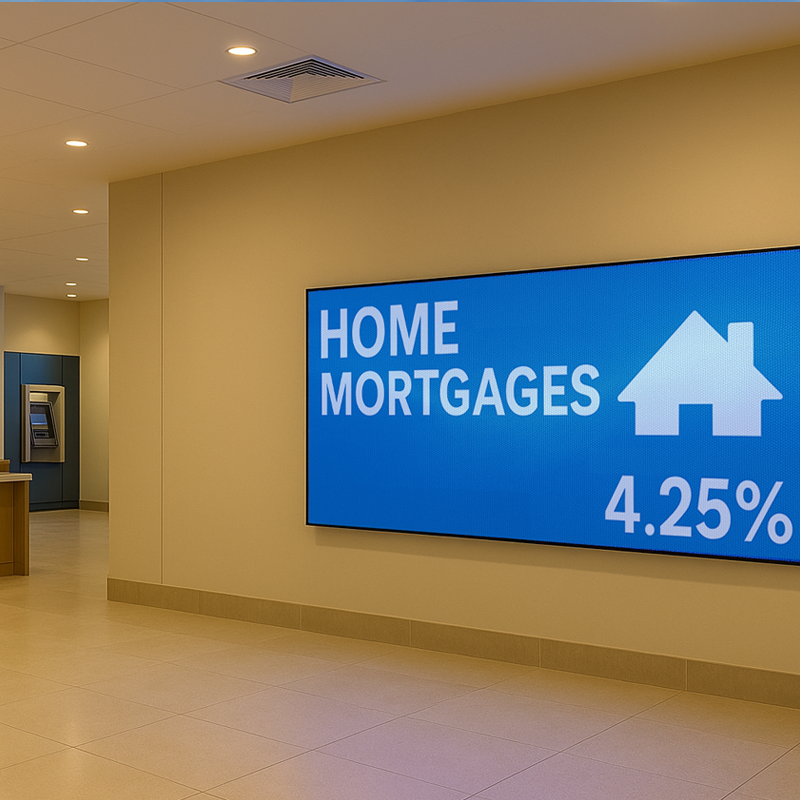
Finding your way through a busy building can be frustrating—especially in hospitals, schools, airports, and office complexes. That’s where indoor LED displays shine. These digital signs help people navigate large spaces quickly, confidently, and without confusion. Why Wayfinding Matters Good wayfinding improves the experience for visitors and staff. It cuts down on delays, missed appointments, and the need for one-on-one directions. In places like healthcare facilities, every second counts—and clear signage helps make sure people get where they’re going on time. Plus, wayfinding signs don’t just guide—they can inform. Event schedules, emergency messages, and service alerts can all be displayed in real time. LED Displays Make It Clear Traditional signs are static. Once printed, they stay the same—unless you replace them. Digital LED displays let you update directions, schedules, or alerts instantly. Whether you need to reroute traffic due to construction or show live updates during an event, your sign can adapt. And because LED displays are bright and clear from a distance, people spot them faster and follow instructions more easily. Industry Adoption and Market Growth Education Sector 70% of colleges have integrated digital displays for wayfinding, classroom information, and event scheduling. Retail & Public Spaces Digital signage engages 10% of U.S. residents over age 12, proving its effectiveness in attracting attention. Navigation Efficiency & Customer Satisfaction Implementing digital wayfinding solutions increases navigation efficiency by 40% and enhances visitor experience by 30% in complex venues like shopping centers and healthcare facilities. Market Expansion The global digital signage market continues to expand, with an estimated CAGR of 7.7%. Revenue is projected to grow from $25.1 billion in 2022 to $34.7 billion by 2026, fueled by increasing demand for digital wayfinding solutions. Flexible for Any Facility We design indoor signs that fit right into lobbies, hallways, entry points, and more. With slim profiles, high-resolution output, and quiet operation, these displays work seamlessly in: Hospitals Convention centers Universities Museums Office buildings Transit hubs Frequently Asked Questions How do LED displays improve wayfinding?Digital signs can increase wayfinding success by over 30% compared to static signs, according to a study by the Society for Environmental Graphic Design. Clearer instructions mean fewer people getting lost or missing appointments. Can the displays be updated in real time?Yes. With cloud-based software, staff can update directions or alerts in seconds. This is especially useful for facilities with shifting schedules, emergency notices, or high foot traffic. Are LED signs easier to read than printed signs?Absolutely. LED displays are brighter and more visible from a distance. In well-lit buildings or dim corridors, digital signs maintain their clarity—reducing confusion and eye strain. Can I show more than just directions?Definitely. Many facilities display room schedules, meeting notices, safety instructions, or service updates alongside wayfinding messages. It’s a flexible, multi-use solution. Do LED wayfinding signs reduce labor or costs?They do. Digital signage reduces the need for printed signs and personal assistance. One large hospital reported a 25% drop in staff time spent redirecting patients after installing LED wayfinding displays. At Next LED Signs, we provide state-of-the-art LED signage solutions designed to meet the needs of businesses worldwide. Whether you want to enhance retail experiences, streamline public communication, or improve operational efficiency, we can help. Let’s bring your vision to life. Contact Next LED Signs today to explore cutting-edge digital signage solutions tailored to your industry.
Your Digital Sign Isn’t Just a Screen—It’s Your Brand in Motion
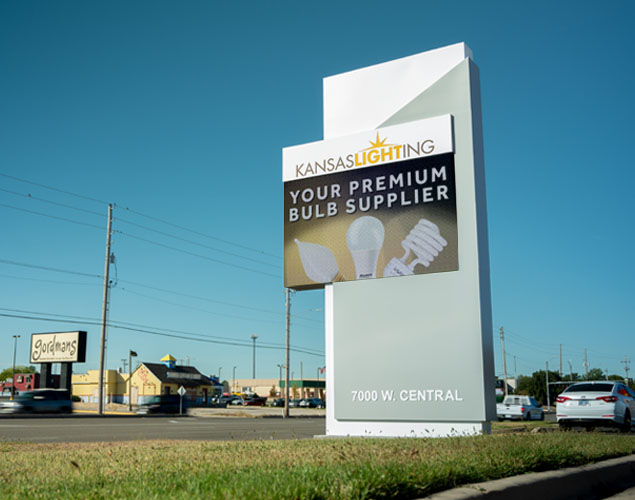
When people talk about branding, they usually mean logos, websites, or maybe uniforms. But the thing that most people see first? That sign outside your building. Or the LED screen by your entryway. And if it’s bland, outdated, or inconsistent with the rest of your brand? That disconnect doesn’t go unnoticed. Your digital signage isn’t just a way to get noticed—it’s how people get to know you. The First Impression People Actually Notice Let’s be honest. People are busy. They’re walking past your storefront, driving by your church, or dropping their kid off at school—and they’re deciding in seconds whether you feel trustworthy, modern, or worth a second look. A bright, clear, and on-brand digital sign does what no poster or banner ever could: it gives your message motion, relevance, and presence. Stat: Digital signs capture 400% more views than static signage—and increase message retention by up to 83%. Consistency Builds Credibility Your font. Your colors. The tone of your messaging. These things aren’t small—they’re what makes your brand feel like you. When your digital sign echoes your visual identity—matching your website, logo, and voice—you create a sense of cohesion that builds credibility and trust. That goes for a local bakery just as much as a bank or school district. And with LED signs, staying consistent doesn’t mean staying stuck. You can change your message without changing your look. Relevance Is Real-Time Static signs age fast. Weather changes. Offers end. Events pass. With digital signage, you’re not locked into yesterday’s message. You can promote an event in the morning, thank attendees by afternoon, and push a special offer before dinner. And it’s not just about marketing—it’s about feeling present. When people see updated content, it tells them you’re paying attention. Fact: Businesses that use real-time content see a 33% increase in audience engagement. Great Signage Creates Emotional Connection People don’t remember “open 9–5.” They remember feeling included. A great LED sign doesn’t just inform—it creates connection. Highlight a student of the week. Celebrate a team win. Post a thank-you to veterans. Promote a local blood drive. These moments show your community that you see them. And when your sign does that consistently, people start associating your brand with more than just a product or service—they see heart. Brand Presence, Not Just Promotion This isn’t about being flashy. It’s about being intentional. LED signs let you express your values and your mission in ways a logo alone never could. Whether you’re sharing safety tips, weather alerts, or celebrating a milestone, your sign becomes a living part of how people experience your brand. Not just what you say—but how you say it, where you say it, and when. Digital Signs as Brand Ambassadors Your LED signs do more than promote—they embody your brand’s identity. By investing in professional digital signage content, you transform physical spaces into vibrant brand ambassadors, create stronger audience connections, and build a more recognizable, impactful presence. With the right strategy, your digital signage becomes an indispensable tool for long-term brand success. White-Glove Simplicity: Why Digital Signage Shouldn’t Feel Like Buying a Server Rack Feeling overwhelmed by digital signage options? You’re not alone. Most small business owners and city departments are handed spec sheets, voltage charts, and software manuals when they just want one thing: a sign that works and doesn’t become a full-time job. That’s where we come in. At Next LED Signs, we believe the buying and owning process should feel like ordering from a great restaurant: You know what you’re getting You trust it’ll be good And you don’t have to step into the kitchen Our white-glove process means: You get one point of contact, no jargon. And when it’s up? You’re supported without endless upsells Digital signage should be exciting, not exhausting. Our clients say things like: “That’s it? I thought this would be way harder.” And honestly, we like hearing that. Let us take the stress out of visibility. You run your business—we’ll light it up. FAQs: Making Digital Signs Work as Brand Extensions Q: Can a digital sign really make that big of a difference in brand perception?A: Yes. Signage is often the first branded experience someone has with your organization. Studies show that consistent brand presentation—especially across digital touchpoints—can increase revenue by up to 23%. Q: How does a digital sign help reinforce branding?A: When your sign reflects your brand’s colors, voice, and design style, it reinforces everything you’ve built elsewhere. It becomes a seamless extension of your website, social media, and physical space. Q: Do real-time updates actually matter to viewers?A: Absolutely. Businesses using real-time updates on digital signs see a 33% boost in engagement, especially when content is time-sensitive or community-focused. Q: What types of content work best for brand consistency?A: Community messaging, brand-aligned quotes, real-time updates, testimonials, team highlights, and holiday messages all help reinforce brand values and tone. Q: How long does a digital LED sign typically last?A: Most commercial LED signs are rated for 100,000 hours—that’s over 11 years of 24/7 operation. Why Choose NEXT LED Signs? We don’t just sell LED displays. We help you turn them into branded experiences that work. From design to installation to long-term support, our team is here to make sure your sign reflects who you are—and why you matter.Contact us today or give us a call to get started.
The Value of Professional Content on LED Signs
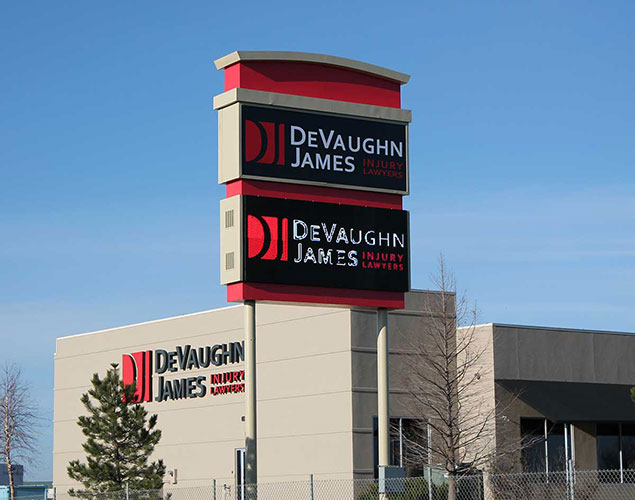
Let’s be honest—most people spend all their time choosing the right LED display and hardly think twice about the content that goes on it. But that’s the part people actually see. Your LED sign is a communication tool, and if the message falls flat, so does the impression you make. Why Professional Content Isn’t Optional Anymore It’s not just about good design—it’s about good results. Professionally created content makes your sign do what it was meant to do: get noticed, get read, and get remembered. Fast-moving traffic, bright daylight, short attention spans—your content has to cut through all of it. Well-made digital signage content is clean, on-brand, and super clear. It doesn’t try to say too much. It uses color and motion smartly. And it’s built for the real world, where people glance, not gaze. Did you know digital signage grabs 400% more views than static signs? Or that animated content boosts recall by more than 50%? That’s the kind of lift you get when you invest in content that’s made to perform. What You Get With Pro-Level LED Content Let’s break it down. Professional content gives you: Eye-Catching VisualsYour message pops. Graphics are crisp. Colors work in sunlight. It all just looks… right. Clear Messaging in SecondsNo more long sentences. You’ve got 5–7 words to make a point. Great content makes every one count. Brand ConsistencyFonts, tone, colors—it all matches your business. That means more recognition and more trust. More Engagement, More ROIThe numbers don’t lie. Businesses that use well-designed digital content see up to a 31.8% increase in sales volume. That’s not fluff. That’s measurable impact. Easy Updates, Always RelevantNeed to announce an event? Share a seasonal offer? Highlight a new product? Professional content is built to be flexible and easy to update when you need it. Want Your Content to Work Harder? Try This. Here are a few go-to rules we share with our clients: Talk to real people. Speak directly to your audience and keep your tone casual but clear. Keep it simple. Don’t cram 10 ideas into one screen. Focus on one key message. Use high-quality graphics. Blurry images or poor contrast ruin the whole experience. Make sure it fits the environment. What works on a church marquee might not make sense on a retail sign. Update it regularly. Old content feels like dead air. Fresh updates show you’re active and responsive. FAQs About Professional Content for LED Signs What difference does professional content make on an LED sign?A well-designed message isn’t just prettier—it performs better. According to InfoTrends, digital signage with professionally designed content can increase average purchase amounts by 29.5% and overall sales volumes by 31.8%. That kind of lift doesn’t come from using generic templates or pixelated graphics. How often should I update my digital sign content?For best results, update your LED sign content at least once every 1–2 weeks. A Nielsen study found that audience engagement drops by 38% when content stays the same for more than two weeks. Whether you’re announcing promotions, events, or community info, fresh content keeps your audience tuned in. Can professional LED sign content really improve brand perception?Absolutely. Consistent, on-brand content improves public trust and brand recall. Research from Stanford’s Persuasive Tech Lab shows that 75% of people judge a business’s credibility based on its visual design. A polished LED message doesn’t just deliver information—it reinforces professionalism and reliability. What types of businesses benefit most from professional LED sign content?Any organization that needs to communicate quickly and clearly can benefit—from schools and churches to retail shops, banks, and city departments. For example, businesses that switch from static to dynamic digital signs report 47% higher message recall and up to 400% more views. Is investing in professional content worth the cost?Yes—and here’s why. When your content performs better, your sign becomes more than an expense; it becomes a revenue driver. Businesses using digital signage with custom content often report ROI within 6–12 months, especially when used for time-sensitive promotions or high-traffic messaging. Why NEXT LED Signs and Project Content Make the Perfect Team Your LED sign is only as good as what it displays. That’s why pairing the rock-solid reliability of NEXT LED Signs—built with advanced all solid-state engineering—with professionally crafted content from Project Content is a game-changer. Together, they create a communication tool that’s both visually impactful and effortlessly easy to manage. You get the power of a high-performance LED display, made to thrive in any environment, and the simplicity of dynamic, on-brand messaging that’s scheduled in advance or updated in real time. It’s a solution that saves you time, builds engagement, and delivers results—without the learning curve. If your content isn’t keeping up with your technology, or your technology isn’t doing your content justice, let us help you bridge that gap. Contact us or give us a call to talk about making your message as strong as your sign.
It May Be time to Replace Your Digital Sign
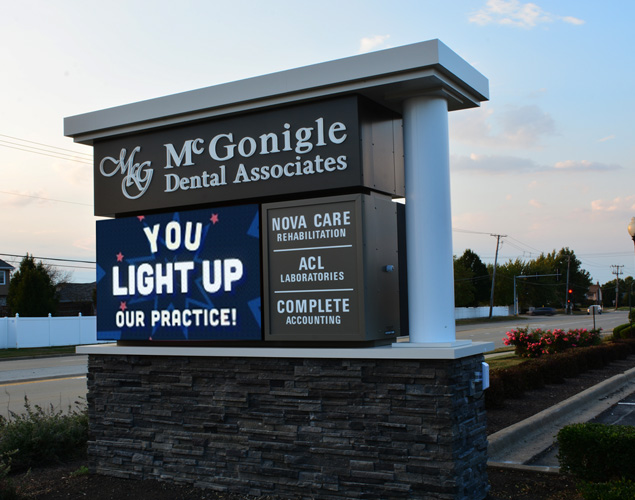
Digital signs work hard for your business—but they aren’t built to last forever. Like any tech, even the best LED signs reach a point where replacement is smarter than repair. So how do you know when it’s time? Let’s walk through the signs that your display might be past its prime—and why upgrading could be the best business move you make this year. You’re Spending Too Much on Repairs Are you constantly scheduling service calls or shelling out for replacement parts? As digital signs age, maintenance costs creep up fast. Newer systems, especially all-solid-state LED signs, require less upkeep and come with stronger warranties. That means fewer headaches—and more time spent actually using your sign, not fixing it. Quick Fact: The total cost of ownership for aging signs can exceed that of a new system within just a few years due to escalating repair and power bills. Your Display Looks Outdated If your sign still runs on low-res visuals, struggles with modern file formats, or lacks wireless content updates, it’s falling behind. Today’s LED signs support 4K graphics, offer real-time cloud-based control, and are built to work seamlessly with platforms like Project Content. Why it matters: Modern signage grabs 400% more views than static displays and improves message recall by 83%, according to research from Intel and Arbitron. Your Branding Has Evolved—but Your Sign Hasn’t Businesses grow, logos change, messaging sharpens. If your digital sign still shows last decade’s version of your brand, it’s sending mixed signals. Keeping signage aligned with your branding builds trust and credibility with customers. Your Screen Isn’t as Sharp as It Used to Be Flickering pixels. Dim screens. Washed-out colors. These are signs of aging hardware—and they’re costing you attention. A dull or glitchy sign turns potential customers away. But a vibrant, crisp display can stop traffic. Stat to know: According to a FedEx Office survey, 68% of consumers say signage reflects the quality of a business’s products or services. Your Power Bills Keep Going Up Old digital signage eats energy. Newer displays are far more efficient—some using up to 50% less electricity. Many also feature automatic brightness controls to reduce usage during off-peak hours. That’s good for your bottom line and your sustainability goals. Your Business Is Growing Opening a second location? Renovating your space? This is the perfect moment to upgrade your signage. Newer models offer streamlined content control across multiple locations and are easier to mount, manage, and update. FAQs About Replacing Your Digital Sign How long does a digital LED sign typically last?On average, a high-quality LED sign lasts 10–12 years. However, signs exposed to harsh weather or poor maintenance may need replacement sooner. Look for signs of fading, glitches, or dim brightness as indicators. Will a new LED sign lower my energy bills?Yes. New LED signs are up to 50% more energy-efficient than older models. Many use automatic dimming sensors to reduce power usage during low-light hours, saving money month over month. Can I keep my old software if I upgrade my sign?Not always. Newer signs often require updated control software. That said, modern systems—especially when paired with platforms like Project Content—offer easier scheduling, cloud access, and faster updates with no design experience needed. What’s the return on investment for replacing an old sign?According to the Small Business Administration, businesses that install new digital signage see an average revenue increase of 15%–150%, depending on visibility and usage. A new sign is often paid off in under two years. How do I know if my sign is still effective?If people are no longer commenting on it, you’re not seeing foot traffic increases, or your content hasn’t changed in months—it’s probably time for a refresh. Visual appeal plays a big role in brand recognition and customer behavior. How Next LED Signs Can Help By regularly assessing the performance and relevance of your digital signage, you ensure that your communication remains effective and your branding stays consistent. With that being said, recognizing these warning signs allows you to make strategic decisions about when to upgrade. As a result, your messaging will remain impactful and aligned with your business objectives. Furthermore, an upgrade can position your business as an industry leader, demonstrating a commitment to innovation and modern technology. Contact Next LED Signs today to explore how LED digital signs can enhance audience engagement and strengthen your brand presence.
Understanding the Differences Between LED Signs and Outdoor TVs
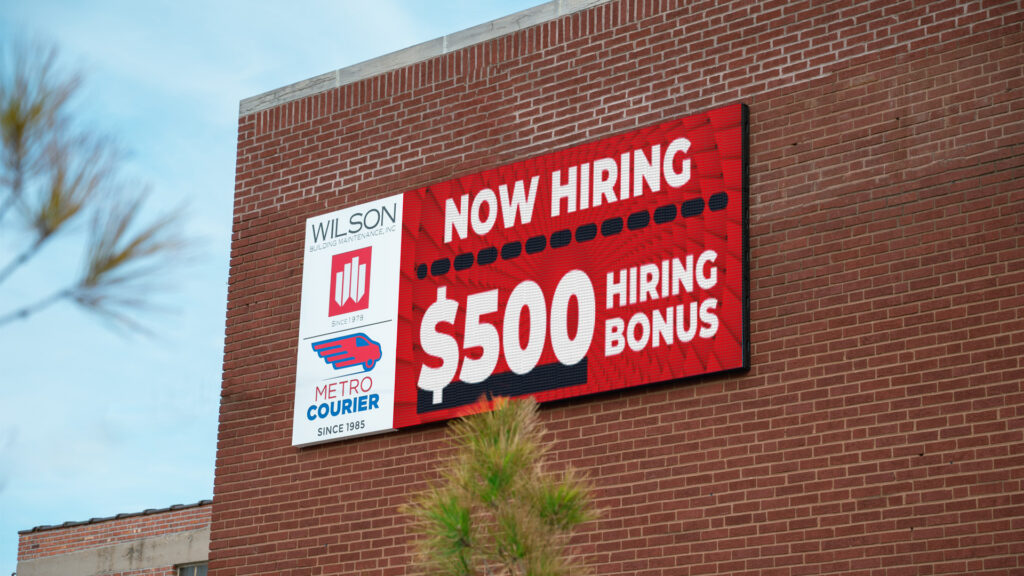
When it comes to digital displays, it’s easy to assume all screens are created equal—especially when they’re outdoors. But if you’re deciding between an LED sign and an outdoor TV, the differences matter more than you think. Let’s break it down in plain terms so you can choose the right display for location. LED Signs: Designed for the Elements LED signs aren’t just screens—they’re communication tools. These displays are made for heavy-duty performance in tough environments, with high brightness that stays visible even in direct sunlight. More importantly, they’re designed to run 24/7 without wearing out. Here’s what sets LED signs apart: Made for Messaging – Whether you’re promoting a sale, sharing announcements, or displaying real-time updates, LED signs let you show dynamic content like text, animations, and video—all at once. All-Weather Toughness – Rain or shine, LED signs keep working. Their enclosures are sealed and built to last through heatwaves, blizzards, and everything in between. Energy Smart – Despite their brightness, LED signs are surprisingly energy-efficient. They’re built to run continuously without racking up a huge electric bill. In short, LED signs are workhorses. They’re built for reliable visibility and flexible messaging day after day. Outdoor TVs: Entertainment with Limitations Outdoor TVs serve a different purpose. These are best when you’re aiming to entertain guests—not promote products or run 24/7 updates. They’re commonly used in hotel patios, poolside bars, or stadium suites where the focus is on HD video content. A few key traits of outdoor TVs: Great Picture Quality – Expect sharp visuals and rich colors, ideal for streaming games, movies, or digital menus. Smart Features Included – Most outdoor TVs come with built-in streaming apps and wireless connectivity for easy media playback. Less Rugged – Yes, they’re weather-resistant. But they’re not built for years of constant outdoor exposure like LED signs are. And they can struggle with visibility in direct sunlight. Think of outdoor TVs as the lounge chairs of outdoor displays—they’re great for relaxing, not for heavy lifting. Comparing LED Signs and Outdoor TVs Feature LED Signs Outdoor TVs Brightness & Visibility High brightness, visible in direct sunlight Requires anti-glare measures for clarity Durability & Weather Resistance Designed for 24/7 outdoor use, built to last Resistant but less durable over time Content Customization Supports text, images, animations, and video Primarily optimized for video playback Energy Efficiency Consumes less power for continuous operation Higher energy consumption for prolonged use Installation & Maintenance Integrated commercial setup, designed for longevity Typically simpler but requires periodic upkeep So, Which One Should You Choose? If your goal is to communicate with the public—think promotions, directions, alerts, or branding—an LED sign is your best bet. It’s built for performance, designed for constant updates, and tough enough to survive year-round outdoor use. On the other hand, if you’re simply looking to enhance an outdoor lounge or entertainment space with video content, an outdoor TV might do the trick. The best display is the one that fits your business goals—not just your budget. Knowing the difference up front saves you from headaches down the road. FAQs About LED Signs vs. Outdoor TVs Are LED signs really more visible in daylight than outdoor TVs?Yes. LED signs typically operate at brightness levels of 5,000 to 10,000+ nits, making them easy to read even in direct sunlight. Most outdoor TVs max out around 1,000 to 2,500 nits, which can lead to glare and reduced visibility during peak daylight hours. Which lasts longer—an LED sign or an outdoor TV?LED signs are commercial-grade products designed to run 24/7 for 10+ years, with solid-state technology that resists heat and moisture. Outdoor TVs, while weather-resistant, are still consumer-grade and usually rated for limited outdoor use over 3–5 years, depending on conditions. Is there a big difference in energy consumption between the two?Yes. Outdoor TVs often draw more power because they aren’t optimized for energy efficiency during continuous use. LED signs are engineered for long-term, low-power operation, and many include features like automatic brightness adjustment to reduce energy consumption even further. Can I use an outdoor TV to display my business promotions?Technically yes—but it’s not ideal. Outdoor TVs aren’t built to handle the dynamic, frequently changing content that LED signs do. You’ll also face limitations with visibility and content scheduling unless you use additional software or hardware. How does content management differ between LED signs and outdoor TVs?With LED signs, you can schedule text, animations, and videos using a dedicated content management system (CMS). It’s built for quick updates, automation, and brand consistency. Outdoor TVs generally rely on consumer-grade tools like USBs or streaming apps, which aren’t optimized for business use. Why NEXT LED Signs Makes a Difference At NEXT, we help businesses and organizations get the most out of their outdoor communication tools. Our solid-state LED displays are built for performance and longevity—and they look great doing it. Plus, we don’t just sell signs. We support you with fast delivery, expert guidance, and real solutions tailored to your goals. Need help deciding what’s right for your space? Contact us or give us a call today. We’re here to make it simple.
Run a PSA on Your LED Sign: Strengthening Community Connections
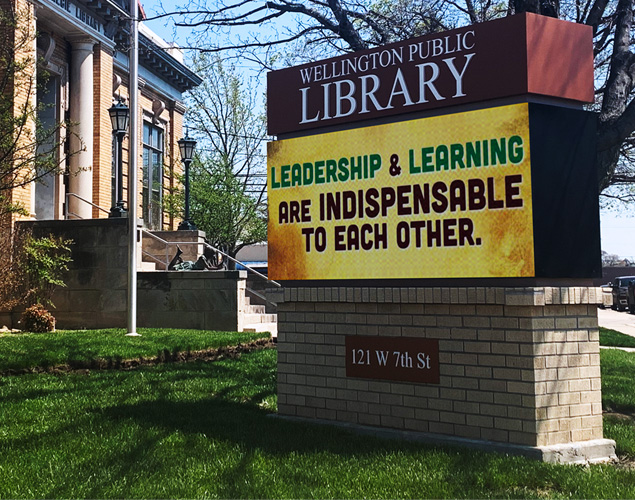
Think your LED sign is just for ads? Think again. It’s also one of the fastest, most effective ways to connect with your community—and nothing does that better than a well-placed PSA (public service announcement). Whether you’re alerting drivers about severe weather, announcing a school fundraiser, or reminding everyone to vote, digital signage gets the message across instantly. Unlike social media or email (which people have to choose to check), your LED sign grabs attention right where they are—on the road, in line, or just passing by. Why PSAs Work So Well on LED Signs People don’t always open emails. They might scroll past your post. But they can’t miss a bright, high-contrast message in their direct line of sight. That’s where your LED sign steps in. According to OAAA, 52% of people engage in a smart action—like searching or visiting a website—after seeing a digital out-of-home message. Your PSA isn’t just informative. It drives action. Some great examples: Emergency alerts: Severe weather? Road closures? Keep people safe and informed in real time. Local events: Promote the school carnival, community clean-up, or local fundraiser. Health and safety: Remind folks about blood drives, flu shots, or fire safety tips. Civic messages: Announce voting deadlines, library programs, or public hearings. The beauty of LED signs is that they’re always on, always visible, and always ready to update. So your message can change as quickly as your community’s needs do. Tips to Make Your PSAs More Effective A few simple strategies can make your messages even more powerful: Keep it short and clear: Drivers only have a few seconds—make every word count. Use bold colors and high contrast: That means white text on a dark background or vice versa. Legibility matters. Update frequently: A stale message gets ignored. Keep things fresh. Prioritize urgency: Weather warnings or emergencies should override everything else. It’s Not Just Good Messaging—It’s Goodwill When you use your sign for public benefit, it shows your business cares about more than just sales. That kind of community-first approach builds trust, strengthens your reputation, and creates real connections with the people who drive by every day. Frequently Asked Questions About Using LED Signs for PSAs How effective are LED signs for public messaging?Very effective. According to a study by the OAAA, 83% of people recall seeing digital out-of-home ads, and 65% say they took action afterward—such as visiting a website or attending an event. Unlike social media or print, LED signs deliver real-time updates where people are already looking. Can LED signs be used for emergency alerts?Absolutely. LED signs are perfect for real-time emergency communication. Cities and businesses often use them to post weather warnings, Amber Alerts, and road closures. Since they’re always visible—even in direct sunlight—they’re ideal for time-sensitive updates. What kind of PSAs work best on LED signs?Short, clear messages with strong visuals work best. Examples include reminders about local voting deadlines, flu shot clinics, or community events. Think: “School Board Meeting Tonight, 6 PM” or “Severe Weather Alert: Take Shelter.” How do LED signs compare to social media for community outreach?LED signs have the edge in visibility and immediacy. Social media relies on users logging in or checking their feeds. An LED sign, on the other hand, reaches drivers and pedestrians in real-time. That’s why 52% of people engage with digital signage content even when they weren’t actively looking for it. What’s the benefit to businesses running PSAs?It builds goodwill. When your business uses its sign space to promote public interest, it shows community leadership. People notice. According to Nielsen, 56% of consumers are more likely to trust a business that supports local causes. Why NEXT LED Signs Is Your PSA Partner At NEXT, we don’t just sell LED signs—we help you use them to make a difference. Whether it’s getting the right hardware, improving your message strategy, or finding fresh content ideas, we’ve got your back. PSAs are just one more way your digital display becomes a tool for leadership. When you work with us, you’re not just lighting up your business—you’re lighting up your community. Contact us today and let’s talk about how an LED sign can help you build a stronger connection to your community.
Digital Signage Elevates Multi-Tenant Shopping Centers

When shoppers pull into your center, you only have a few seconds to grab their attention. That’s where a digital LED sign makes all the difference. It’s not just a screen—it’s a tool for driving foot traffic, supporting your tenants, and generating more revenue every day. Make Every Storefront Stand Out In a multi-tenant shopping center, it can be tough to give every business the visibility it deserves. With an LED display, you don’t have to choose. Tenants can take turns promoting sales, special events, or seasonal offers—automatically rotating throughout the day. It’s not just helpful. It’s powerful. Studies show that 80% of people enter a store because of a digital sign. Retailers using digital displays have reported sales increases of over 33%. More Than Just a Sign A well-placed digital display doesn’t just help your tenants. It helps your bottom line. Show leasing info to fill vacancies faster Highlight anchor stores to draw more shoppers Add interactive directories for easier navigation Sell ad space to local businesses for extra income Need to change messages? It only takes seconds. Schedule promotions ahead of time or make quick edits from your laptop or phone. Digital Signage Increases Sales and Profitability Ultimately, businesses invest in marketing to drive revenue growth. Fortunately, digital signage delivers measurable results. Studies reveal that: Retailers using digital displays see an average sales increase of 33%. Eye-catching signage keeps shoppers engaged, leading to more in-store purchases. With this in mind, multi-tenant shopping centers can expect higher tenant success rates, increasing both lease demand and overall revenue. Enhancing Navigation and Customer Experience Large retail spaces can be difficult to navigate. LED digital signage improves wayfinding with: Interactive maps that guide visitors to stores and amenities Event directories showcasing upcoming promotions Real-time updates for shoppers on new arrivals and deals Because digital signage improves accessibility, shoppers stay longer. As a result, they spend more money, benefiting both retailers and property owners. Creating New Income Opportunities Beyond improving visibility, digital signage creates revenue opportunities for property owners. By selling advertising space on LED displays, shopping centers can: Offset signage costs, making the investment even more valuable. Generate additional income by allowing third-party businesses to advertise. Foster a dynamic marketing ecosystem that benefits tenants and visitors alike. Since every retail space is unique, property owners can strategically place digital signage to maximize profitability. FAQs About LED Signs for Shopping Centers Do digital signs really increase store traffic?Yes—research shows 4 out of 5 shoppers walk into a store because of a digital sign. Can I promote multiple tenants on the same display?Absolutely. Content scheduling tools let each tenant display messages in a rotating loop throughout the day. What kind of sales increase can tenants expect?On average, retailers using digital signage report a 33% boost in sales. Can the sign help fill vacant units?Yes. Many centers promote leasing opportunities directly on their LED display to attract new tenants. Is there a way to make money from the sign?Definitely. You can offer ad space to local vendors or nearby attractions and use it as a revenue stream. Next LED Signs: Your Digital Signage Partner Upgrading to LED digital signage increases foot traffic, improves communication, and creates new revenue streams. We’ve helped shopping centers of all sizes add smart, effective LED signage that works as hard as you do. From hardware and installation to content support and scheduling, we’re here to make sure your sign delivers real results—for your tenants, your shoppers, and your business. Contact Next LED Signs today to find the perfect digital signage solution for your business!
Digital Scoreboards Elevate Your School’s Athletic Programs
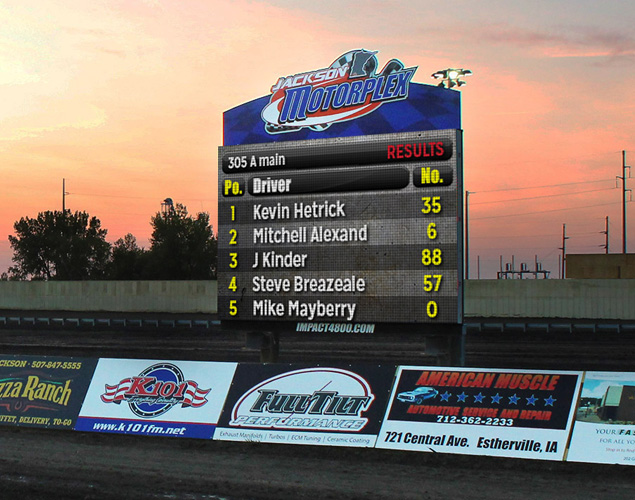
Take your school’s sports events to the next level with Next LED Signs. Our high-quality indoor digital scoreboards are designed for K-12 schools, offering more than just real-time game stats. With vibrant digital sign messages, instant replays, and custom features like player recognition, our LED scoreboards create a more engaging and exciting atmosphere for athletes, students, parents, and the entire school community.
How to Choose the Right Software for Managing LED Signs
Managing LED digital signs efficiently requires more than just having high-quality hardware. To truly unlock the potential of your digital signage, you need the right software to control and schedule content, monitor performance, and ensure seamless operation.
How to Ensure Your LED Sign is Future-Proof
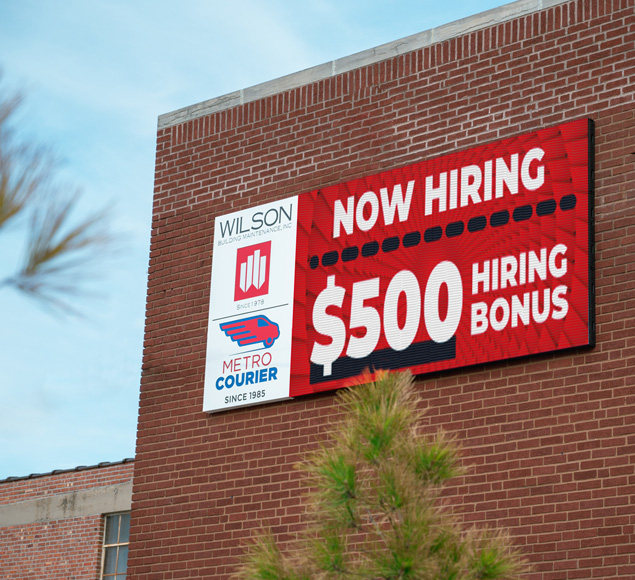
In today’s fast-paced world of advertising and communication, LED digital signs are an investment that can elevate your brand, enhance customer engagement, and provide real-time information. However, as technology continues to evolve rapidly, it’s crucial to ensure that your LED sign remains relevant and effective for years to come.