
It May Be time to Replace Your Digital Sign
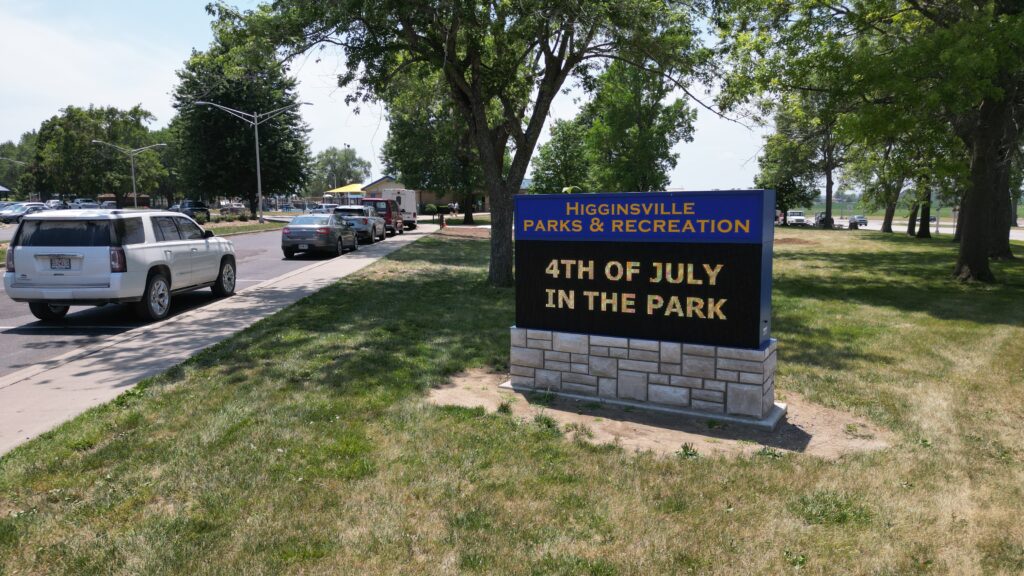
This article explains how to tell when an older LED digital sign has reached the point where replacement is more cost-effective than continued repair. If you’ve ever caught yourself thinking, “It still works… mostly,” you’re not alone. A lot of businesses hang onto aging LED signs because they still light up. That makes sense. These signs are a real investment, and no one wants to replace equipment before it’s necessary. But over time, there’s a moment when keeping an older sign quietly starts working against you — even if it hasn’t fully failed yet. So how do you know when you’ve crossed that line? Repairs and results signs sharper visual You’re Fixing the Sign More Than You’re Using It This is usually the first warning sign. If service calls are becoming routine or replacement parts are getting harder to source, your sign is telling you something. Older LED systems—especially those built with through-hole technology—require more hands-on maintenance as they age. What starts as the occasional repair can quickly turn into ongoing downtime and rising costs. Industry service studies show that once more than 5% of LED modules begin failing each year, replacement is typically more cost-effective than continued repair. At that point, you’re no longer maintaining a sign—you’re managing risk. The Display Looks Dated (Even If It Still Works) Technology expectations have changed. If your sign struggles with modern file formats, shows noticeable pixel spacing, or can’t handle smooth motion graphics, it’s falling behind today’s standards. Modern LED signs support higher resolutions, richer color depth, and cloud-based content control. That difference isn’t subtle to customers. Research from Intel and Arbitron shows that digital signage can attract up to 400% more views than static displays and improve message recall by 83%. An outdated display doesn’t just look old—it underperforms. https://www.youtube.com/watch?v=HaeqGvw9MKI Your Brand Has Moved Forward, but Your Sign Hasn’t Businesses evolve. Logos get refreshed. Messaging gets sharper. If your sign still reflects an older version of your brand, it sends mixed signals before anyone walks inside. Customers may not consciously notice the mismatch, but they feel it. Consistent, modern branding builds trust. Outdated signage quietly works against it. The Screen Isn’t as Bright or Clear as It Used to Be Fading brightness, flickering pixels, or washed-out colors are classic signs of diode degradation. Even if the sign is technically operational, reduced brightness directly affects visibility—especially in daylight. For outdoor readability, industry standards recommend 5,000 to 7,000 nits for clear daytime viewing. Once an aging sign drops below 2,500 nits, it often loses its ability to compete with sunlight and attract drive-by attention. At that point, the sign may still be on—but it’s no longer doing its job. Your Energy Costs Keep Creeping Up Older LED signage consumes significantly more power than modern systems. Advances in LED drivers and diode efficiency mean newer signs often use 30% to 50% less electricity than models manufactured just 7–10 years ago. In some cases, businesses upgrading from legacy lighting technologies like neon or metal halide see energy reductions of 50% to 80%. Over time, those savings can offset a large portion of the upgrade cost. Your Business Is Growing or Changing Expansion, renovations, or multi-location operations are often the tipping point. Newer LED signs are easier to mount, easier to manage remotely, and designed to scale across locations without adding complexity. If your business is moving forward, your signage should be able to move with it. FAQs About Replacing an LED Digital Sign Is it more cost-effective to repair or replace an aging LED sign? According to 2025 cost-analysis reports from Action Services Group, if annual maintenance costs exceed 5% of the sign’s replacement value, a new system is the better investment. Repairing older “through-hole” technology often requires specialized parts that are increasingly rare, leading to a 30%–50% markup in service labor compared to modern modular systems. How much does a modern LED sign save in annual utility costs? Data from Sunme Lighting Commercial LED Guide (Nov 2025) indicates that modern LED signs are roughly 10x more energy-efficient than traditional neon or fluorescent systems, using only 6–10 watts per foot. Upgrading to high-efficiency diodes and automated dimming controls can reduce a facility’s signage energy consumption by up to 85%, resulting in significant monthly utility savings that offset the hardware cost. What technical “red flags” indicate a sign is losing its marketing impact? The industry benchmark for outdoor visibility is the “L70 Standard.” Reports from Signal-Tech (2025) state that high-quality LEDs typically maintain 70% of their original brightness for 50,000 to 100,000 hours. Once a display falls below 5,000 nits, it loses its “sunlight readability,” causing a measurable decline in brand recall and drive-by customer conversions. What is the typical return on investment for a sign upgrade? A 2025 study by AIScreen found that businesses installing new digital signage experience an average revenue increase of 15% through improved upselling and cross-selling. Additionally, according to FedEx Office surveys, 68% of consumers believe a business’s signage reflects the quality of its products, meaning a dim or glitchy sign can actively push potential customers toward competitors. If you’re evaluating whether your current LED sign is still delivering the visibility and value you expect, it may be worth reviewing your options and understanding what newer systems offer. Give us a call at 888-359-9558 for expert advice on your sign update. Request a quote
Understanding the Differences Between LED Signs and Outdoor TVs
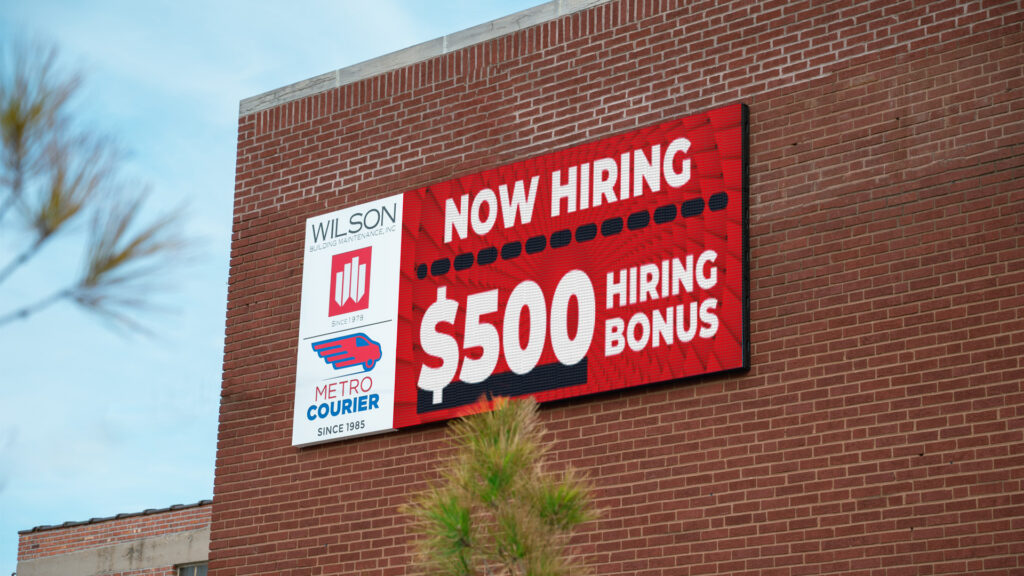
When it comes to digital displays, it’s easy to assume all screens are created equal—especially when they’re outdoors. But if you’re deciding between an LED sign and an outdoor TV, the differences matter more than you think. Let’s break it down in plain terms so you can choose the right display for location. LED Signs: Designed for the Elements LED signs aren’t just screens—they’re communication tools. These displays are made for heavy-duty performance in tough environments, with high brightness that stays visible even in direct sunlight. More importantly, they’re designed to run 24/7 without wearing out. Here’s what sets LED signs apart: Made for Messaging – Whether you’re promoting a sale, sharing announcements, or displaying real-time updates, LED signs let you show dynamic content like text, animations, and video—all at once. All-Weather Toughness – Rain or shine, LED signs keep working. Their enclosures are sealed and built to last through heatwaves, blizzards, and everything in between. Energy Smart – Despite their brightness, LED signs are surprisingly energy-efficient. They’re built to run continuously without racking up a huge electric bill. In short, LED signs are workhorses. They’re built for reliable visibility and flexible messaging day after day. Outdoor TVs: Entertainment with Limitations Outdoor TVs serve a different purpose. These are best when you’re aiming to entertain guests—not promote products or run 24/7 updates. They’re commonly used in hotel patios, poolside bars, or stadium suites where the focus is on HD video content. A few key traits of outdoor TVs: Great Picture Quality – Expect sharp visuals and rich colors, ideal for streaming games, movies, or digital menus. Smart Features Included – Most outdoor TVs come with built-in streaming apps and wireless connectivity for easy media playback. Less Rugged – Yes, they’re weather-resistant. But they’re not built for years of constant outdoor exposure like LED signs are. And they can struggle with visibility in direct sunlight. Think of outdoor TVs as the lounge chairs of outdoor displays—they’re great for relaxing, not for heavy lifting. Comparing LED Signs and Outdoor TVs Feature LED Signs Outdoor TVs Brightness & Visibility High brightness, visible in direct sunlight Requires anti-glare measures for clarity Durability & Weather Resistance Designed for 24/7 outdoor use, built to last Resistant but less durable over time Content Customization Supports text, images, animations, and video Primarily optimized for video playback Energy Efficiency Consumes less power for continuous operation Higher energy consumption for prolonged use Installation & Maintenance Integrated commercial setup, designed for longevity Typically simpler but requires periodic upkeep So, Which One Should You Choose? If your goal is to communicate with the public—think promotions, directions, alerts, or branding—an LED sign is your best bet. It’s built for performance, designed for constant updates, and tough enough to survive year-round outdoor use. On the other hand, if you’re simply looking to enhance an outdoor lounge or entertainment space with video content, an outdoor TV might do the trick. The best display is the one that fits your business goals—not just your budget. Knowing the difference up front saves you from headaches down the road. FAQs About LED Signs vs. Outdoor TVs Are LED signs really more visible in daylight than outdoor TVs?Yes. LED signs typically operate at brightness levels of 5,000 to 10,000+ nits, making them easy to read even in direct sunlight. Most outdoor TVs max out around 1,000 to 2,500 nits, which can lead to glare and reduced visibility during peak daylight hours. Which lasts longer—an LED sign or an outdoor TV?LED signs are commercial-grade products designed to run 24/7 for 10+ years, with solid-state technology that resists heat and moisture. Outdoor TVs, while weather-resistant, are still consumer-grade and usually rated for limited outdoor use over 3–5 years, depending on conditions. Is there a big difference in energy consumption between the two?Yes. Outdoor TVs often draw more power because they aren’t optimized for energy efficiency during continuous use. LED signs are engineered for long-term, low-power operation, and many include features like automatic brightness adjustment to reduce energy consumption even further. Can I use an outdoor TV to display my business promotions?Technically yes—but it’s not ideal. Outdoor TVs aren’t built to handle the dynamic, frequently changing content that LED signs do. You’ll also face limitations with visibility and content scheduling unless you use additional software or hardware. How does content management differ between LED signs and outdoor TVs?With LED signs, you can schedule text, animations, and videos using a dedicated content management system (CMS). It’s built for quick updates, automation, and brand consistency. Outdoor TVs generally rely on consumer-grade tools like USBs or streaming apps, which aren’t optimized for business use. Why NEXT LED Signs Makes a Difference At NEXT, we help businesses and organizations get the most out of their outdoor communication tools. Our solid-state LED displays are built for performance and longevity—and they look great doing it. Plus, we don’t just sell signs. We support you with fast delivery, expert guidance, and real solutions tailored to your goals. Need help deciding what’s right for your space? Contact us or give us a call today. We’re here to make it simple.
Run a PSA on Your LED Sign: Strengthening Community Connections
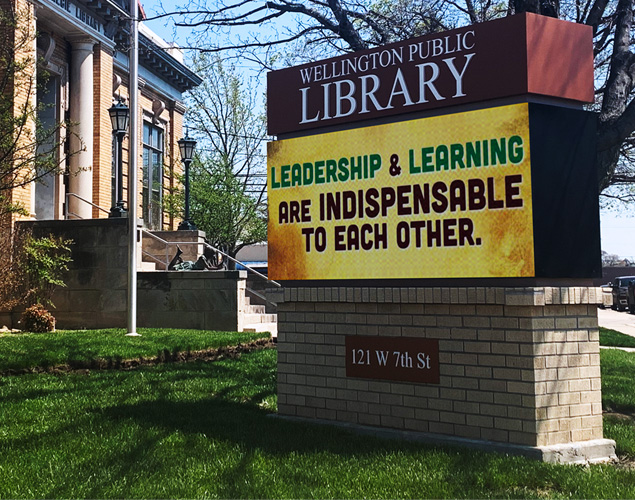
Think your LED sign is just for ads? Think again. It’s also one of the fastest, most effective ways to connect with your community—and nothing does that better than a well-placed PSA (public service announcement). Whether you’re alerting drivers about severe weather, announcing a school fundraiser, or reminding everyone to vote, digital signage gets the message across instantly. Unlike social media or email (which people have to choose to check), your LED sign grabs attention right where they are—on the road, in line, or just passing by. https://youtu.be/r5jhm63WqTo?si=bgittGZ3v0Y6S4Db Why PSAs Work So Well on LED Signs People don’t always open emails. They might scroll past your post. But they can’t miss a bright, high-contrast message in their direct line of sight. That’s where your LED sign steps in. According to OAAA, 52% of people engage in a smart action—like searching or visiting a website—after seeing a digital out-of-home message. Your PSA isn’t just informative. It drives action. Some great examples: Emergency alerts: Severe weather? Road closures? Keep people safe and informed in real time. Local events: Promote the school carnival, community clean-up, or local fundraiser. Health and safety: Remind folks about blood drives, flu shots, or fire safety tips. Civic messages: Announce voting deadlines, library programs, or public hearings. The beauty of LED signs is that they’re always on, always visible, and always ready to update. So your message can change as quickly as your community’s needs do. Tips to Make Your PSAs More Effective A few simple strategies can make your messages even more powerful: Keep it short and clear: Drivers only have a few seconds—make every word count. Use bold colors and high contrast: That means white text on a dark background or vice versa. Legibility matters. Update frequently: A stale message gets ignored. Keep things fresh. Prioritize urgency: Weather warnings or emergencies should override everything else. It’s Not Just Good Messaging—It’s Goodwill When you use your sign for public benefit, it shows your business cares about more than just sales. That kind of community-first approach builds trust, strengthens your reputation, and creates real connections with the people who drive by every day. Frequently Asked Questions About Using LED Signs for PSAs How effective are LED signs for public messaging?Very effective. According to a study by the OAAA, 83% of people recall seeing digital out-of-home ads, and 65% say they took action afterward—such as visiting a website or attending an event. Unlike social media or print, LED signs deliver real-time updates where people are already looking. Can LED signs be used for emergency alerts?Absolutely. LED signs are perfect for real-time emergency communication. Cities and businesses often use them to post weather warnings, Amber Alerts, and road closures. Since they’re always visible—even in direct sunlight—they’re ideal for time-sensitive updates. What kind of PSAs work best on LED signs?Short, clear messages with strong visuals work best. Examples include reminders about local voting deadlines, flu shot clinics, or community events. Think: “School Board Meeting Tonight, 6 PM” or “Severe Weather Alert: Take Shelter.” How do LED signs compare to social media for community outreach?LED signs have the edge in visibility and immediacy. Social media relies on users logging in or checking their feeds. An LED sign, on the other hand, reaches drivers and pedestrians in real-time. That’s why 52% of people engage with digital signage content even when they weren’t actively looking for it. What’s the benefit to businesses running PSAs?It builds goodwill. When your business uses its sign space to promote public interest, it shows community leadership. People notice. According to Nielsen, 56% of consumers are more likely to trust a business that supports local causes. Why NEXT LED Signs Is Your PSA Partner At NEXT, we don’t just sell LED signs—we help you use them to make a difference. Whether it’s getting the right hardware, improving your message strategy, or finding fresh content ideas, we’ve got your back. PSAs are just one more way your digital display becomes a tool for leadership. When you work with us, you’re not just lighting up your business—you’re lighting up your community. Contact us today and let’s talk about how an LED sign can help you build a stronger connection to your community.
Time to Upgrade Your Sign? What a Digital Display Can Really Do
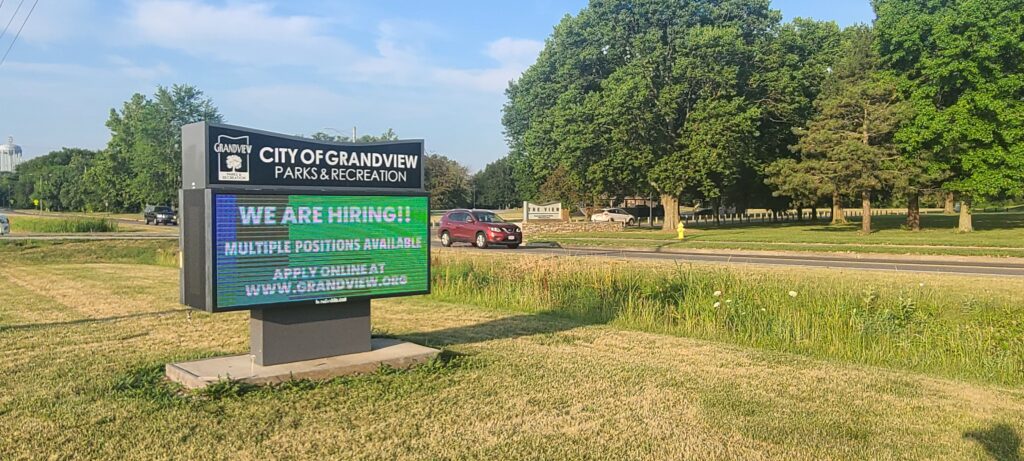
If you’ve ever looked at your current sign and thought, “This thing can’t keep up anymore,” you’re not wrong—and you’re definitely not alone. Across industries, businesses and organizations are moving away from static signage because it simply doesn’t match how fast communication happens now. A digital display isn’t just about looking newer. It’s about being able to respond in real time, stay relevant, and actually get noticed instead of blending into the background. Static Signs vs. Digital Displays: A Real-World Difference Traditional signs still have their place, but they come with a hard limitation: once they’re printed or installed, they’re frozen in time. If something changes—an event, a promotion, even an emergency—you’re stuck. With an LED digital display, that problem disappears. You can update messages instantly, whether you’re announcing a sale, highlighting an event, or sharing time-sensitive information. No reprinting. No reinstalling. No waiting. And people notice the difference. Digital signs attract significantly more views than static ones, and just as importantly, the messages actually stick. When motion, brightness, and color come together, the sign becomes something people remember instead of ignore. https://www.youtube.com/watch?v=JJD_Pf9WU6w Why So Many Organizations Are Going Digital Once businesses make the switch, a few benefits show up right away: You can update messages instantly.Whether you’re at your desk or on your phone, changing content takes minutes instead of days. You stop wasting money on print.No more posters, banners, or menus that become outdated almost as soon as they’re installed. Energy use drops.Modern LED displays are far more efficient than older lighting and sign technologies, especially when they’re properly managed. People actually engage with the message.Movement and brightness draw the eye in a way static signs simply can’t. You gain flexibility.Messages can rotate throughout the day—one sign, multiple purposes, all scheduled in advance. Things to Think About Before You Make the Switch Upgrading to a digital display is a smart move, but it’s worth slowing down and thinking through a few basics first. What are you trying to accomplish? Are you focused on attracting new customers, communicating better with people already coming through your doors, or doing both? The goal shapes everything else. Where will the display live? Visibility matters. A sign needs to be readable in real-world conditions—distance, lighting, and viewing angles all make a difference. What type of display fits your environment? A roadside location has very different needs than an indoor lobby or a monument sign. Brightness, size, and durability should match the setting. Who’s handling the content?The technology only works if the content is easy to manage. Make sure the system fits your team’s workflow and doesn’t become another chore. FAQs About Upgrading to a Digital Display How do I know when it’s time to replace my old digital sign? Critical indicators include dimming displays, frequent hardware failures, and high energy consumption. In 2026, if your sign requires constant manual intervention or doesn’t support remote content scheduling, you are likely suffering from “tech debt” that costs more than a modern replacement. What are the benefits of fanless LED sign technology? Fanless designs are more reliable and quiet, as they remove the primary mechanical point of failure in older signs. Modern fanless units also feature high-efficiency heat dissipation, which extends the lifespan of the LEDs to over 100,000 hours while protecting internal components from dust and moisture. Can I reuse my old mounts or infrastructure when upgrading? In many cases, yes. While outdoor LED signage often requires specific weatherproof casing, modern AV-over-IP distribution allows you to scale onto standard Ethernet rather than rebuilding your entire infrastructure. However, professional calibration is recommended to ensure your brand’s colors remain consistent across the new displays. What is the typical ROI for a digital signage upgrade in 2026? Most businesses report a full ROI within 12–24 months through a combination of 29–33% sales growth and significantly lower utility bills. Additionally, modern cloud-based software reduces the staff time required for updates, turning a “cost center” into a profit-generating marketing channel. If you’re evaluating whether your current LED sign is still delivering the visibility and value you expect, it may be worth reviewing your options and understanding what newer systems offer. Give us a call at 888-359-9558 for expert advice on your sign update. Request a quote
Digital Signage Elevates Multi-Tenant Shopping Centers

When shoppers pull into your center, you only have a few seconds to grab their attention. That’s where a digital LED sign makes all the difference. It’s not just a screen—it’s a tool for driving foot traffic, supporting your tenants, and generating more revenue every day. Make Every Storefront Stand Out In a multi-tenant shopping center, it can be tough to give every business the visibility it deserves. With an LED display, you don’t have to choose. Tenants can take turns promoting sales, special events, or seasonal offers—automatically rotating throughout the day. It’s not just helpful. It’s powerful. Studies show that 80% of people enter a store because of a digital sign. Retailers using digital displays have reported sales increases of over 33%. More Than Just a Sign A well-placed digital display doesn’t just help your tenants. It helps your bottom line. Show leasing info to fill vacancies faster Highlight anchor stores to draw more shoppers Add interactive directories for easier navigation Sell ad space to local businesses for extra income Need to change messages? It only takes seconds. Schedule promotions ahead of time or make quick edits from your laptop or phone. Digital Signage Increases Sales and Profitability Ultimately, businesses invest in marketing to drive revenue growth. Fortunately, digital signage delivers measurable results. Studies reveal that: Retailers using digital displays see an average sales increase of 33%. Eye-catching signage keeps shoppers engaged, leading to more in-store purchases. With this in mind, multi-tenant shopping centers can expect higher tenant success rates, increasing both lease demand and overall revenue. Enhancing Navigation and Customer Experience Large retail spaces can be difficult to navigate. LED digital signage improves wayfinding with: Interactive maps that guide visitors to stores and amenities Event directories showcasing upcoming promotions Real-time updates for shoppers on new arrivals and deals Because digital signage improves accessibility, shoppers stay longer. As a result, they spend more money, benefiting both retailers and property owners. Creating New Income Opportunities Beyond improving visibility, digital signage creates revenue opportunities for property owners. By selling advertising space on LED displays, shopping centers can: Offset signage costs, making the investment even more valuable. Generate additional income by allowing third-party businesses to advertise. Foster a dynamic marketing ecosystem that benefits tenants and visitors alike. Since every retail space is unique, property owners can strategically place digital signage to maximize profitability. FAQs About LED Signs for Shopping Centers Do digital signs really increase store traffic?Yes—research shows 4 out of 5 shoppers walk into a store because of a digital sign. Can I promote multiple tenants on the same display?Absolutely. Content scheduling tools let each tenant display messages in a rotating loop throughout the day. What kind of sales increase can tenants expect?On average, retailers using digital signage report a 33% boost in sales. Can the sign help fill vacant units?Yes. Many centers promote leasing opportunities directly on their LED display to attract new tenants. Is there a way to make money from the sign?Definitely. You can offer ad space to local vendors or nearby attractions and use it as a revenue stream. Next LED Signs: Your Digital Signage Partner Upgrading to LED digital signage increases foot traffic, improves communication, and creates new revenue streams. We’ve helped shopping centers of all sizes add smart, effective LED signage that works as hard as you do. From hardware and installation to content support and scheduling, we’re here to make sure your sign delivers real results—for your tenants, your shoppers, and your business. Contact Next LED Signs today to find the perfect digital signage solution for your business!
Interactive & Smart LED Signs: Connect Authentically with Your Audience
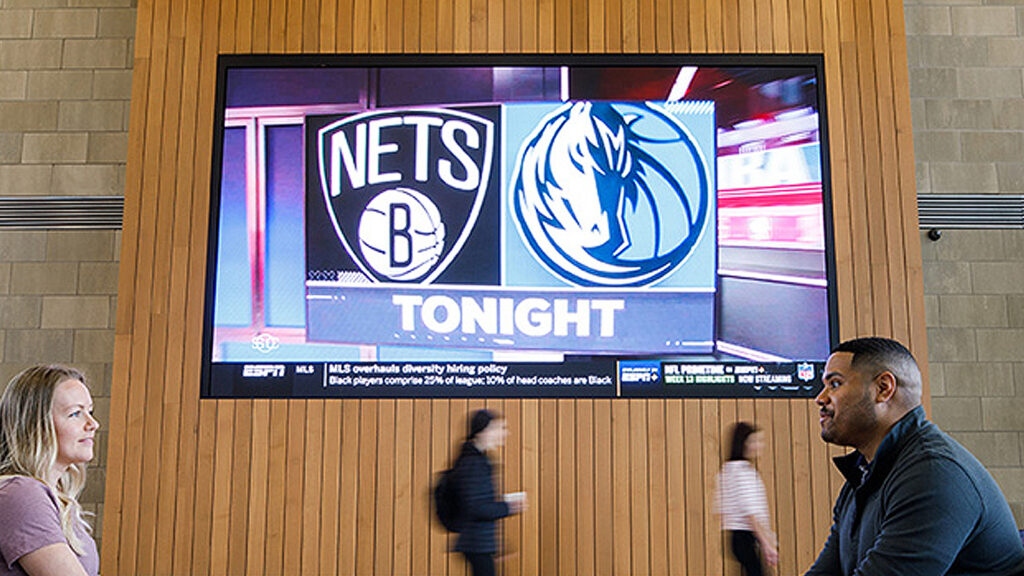
Imagine walking into a store and seeing a digital sign that shows today’s deals, lets you browse a product catalog, or invites you to scan a QR code for a giveaway. That’s not just advertising—it’s interaction. At Next LED Signs, we believe signage should do more than display—it should engage. Today’s audiences expect dynamic, useful, and real-time information. That’s where interactive and smart LED signs come in. What Makes a Sign Interactive? Interactive LED signs are designed to invite action—not just attention. Depending on the setup, they can offer: Touchscreen navigation for directories, menus, or product info QR codes to access mobile coupons, event details, or ordering platforms Live polling or feedback tools to collect visitor opinions on the spot Content that changes automatically based on time of day or location These features help businesses create memorable moments that feel relevant, not generic. Why Businesses Choose Smart LED Signs Smart LED signs combine automation and adaptability, making them ideal for both customer-facing and internal use. Businesses use them to: Display targeted messages at specific times or days Adjust brightness automatically to fit changing light conditions Update promotions, alerts, or announcements from a centralized dashboard Reduce energy use and maintenance with self-monitoring diagnostics Whether you run a single storefront or manage a network of locations, smart signage gives you control without complexity. Real-World Results You Can Count On These signs aren’t just flashy—they’re effective. Digital signage captures 400% more views than static signs Interactive content holds attention 47% longer than passive messaging 80% of brands using digital signage report increased sales In other words, this technology delivers a real return on investment. FAQs About Interactive & Smart LED Signs How do interactive signs fit into smart LED signage?Interactive LED signs are a powerful extension of smart signage—they include features like touchscreens, motion sensors, and QR code prompts that invite direct user engagement. Because they’re part of a smart system, they can also be scheduled, updated remotely, and adjusted automatically. Businesses that use this type of smart signage report a 24% reduction in manual content management time and a 65% improvement in content deployment speed across locations. Are smart signs difficult to manage?Not with the right setup. Next LED Signs offers cloud-based systems that are intuitive and reliable. In fact, 73% of companies using cloud-controlled signage say it improves operational efficiency, and 65% report faster content deployment across multiple locations. Can interactive signage really increase engagement?Yes—interactive digital signage can lead to a 32% increase in customer dwell time, which directly correlates with higher conversions. Whether it’s tapping a screen or scanning a code, interaction makes people linger longer and act more. Which industries benefit most from interactive or smart LED signs?While retail and food service lead adoption, healthcare, education, and transportation sectors are quickly following. A recent study showed 56% of hospitals now use digital signage for patient communication and wayfinding. How can I measure the ROI of an interactive LED sign?ROI often includes increased foot traffic, stronger brand recall, and higher conversion rates. Businesses that track campaign performance through their smart signage report an average return of $5.44 for every $1 spent on digital signage investments. Why Next LED Signs? We don’t just supply the tech—we partner with you to make it work. We guide the process so your sign fits your goals, your message, and your audience. Our systems are designed to be easy to manage, scalable, and ready for the future. If you’re looking for signage that adapts, informs, and invites action, interactive and smart LED displays from Next are the way forward. Contact Next LED Signs today to learn how our interactive LED signs and smart digital signs can transform the way you communicate with your audience and enhance your brand’s presence.
Global Perspectives on LED Signage

LED signage is transforming industries worldwide. Discover global trends, industry insights, and statistics showcasing the growing impact of LED digital signs on modern communication.
School’s Communications are Elevated with Digital Signs

In today’s fast-paced, information-driven world, schools need effective ways to communicate important messages to students, parents, and the local community. Next LED Signs offers state-of-the-art LED sign displays that bring your school’s communication to life.
Transforming Live Event Venues with Next LED Signs
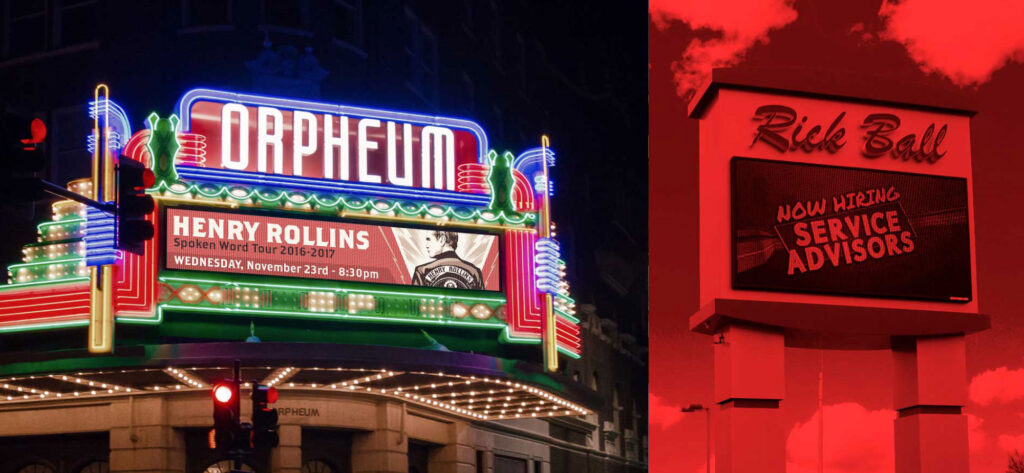
Next LED Signs offers cutting-edge LED digital signage solutions for amphitheaters, conference centers, and other performance venues, helping you captivate audiences and streamline operations.
The Future of LED Signs: Solid-State Technology Redefines Reliability
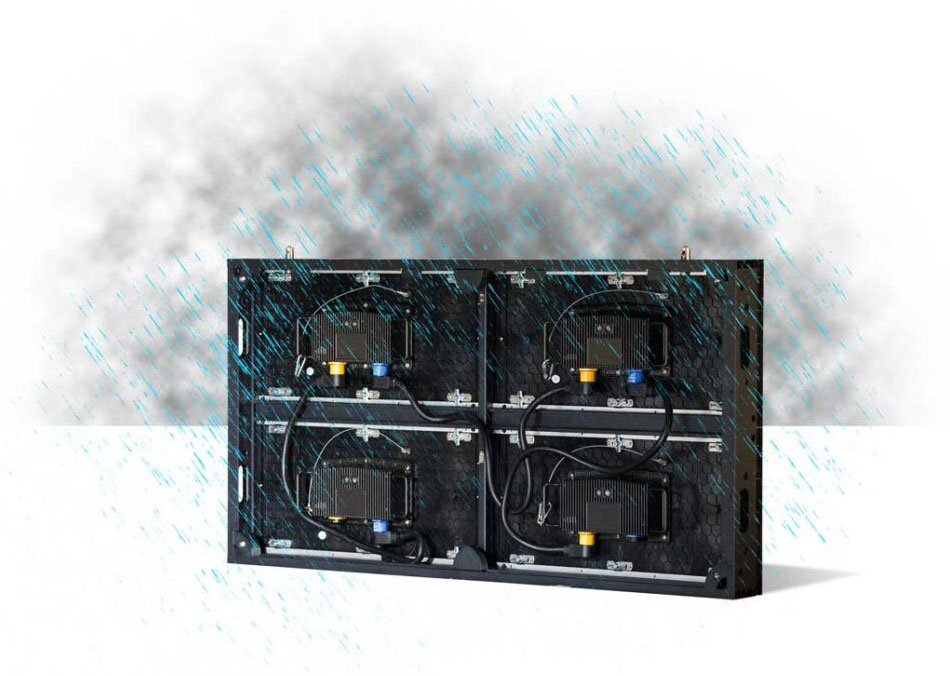
At Next LED Signs, we’ve revolutionized the industry by integrating 100% solid-state technology into our LED signs, offering unparalleled reliability and efficiency.