
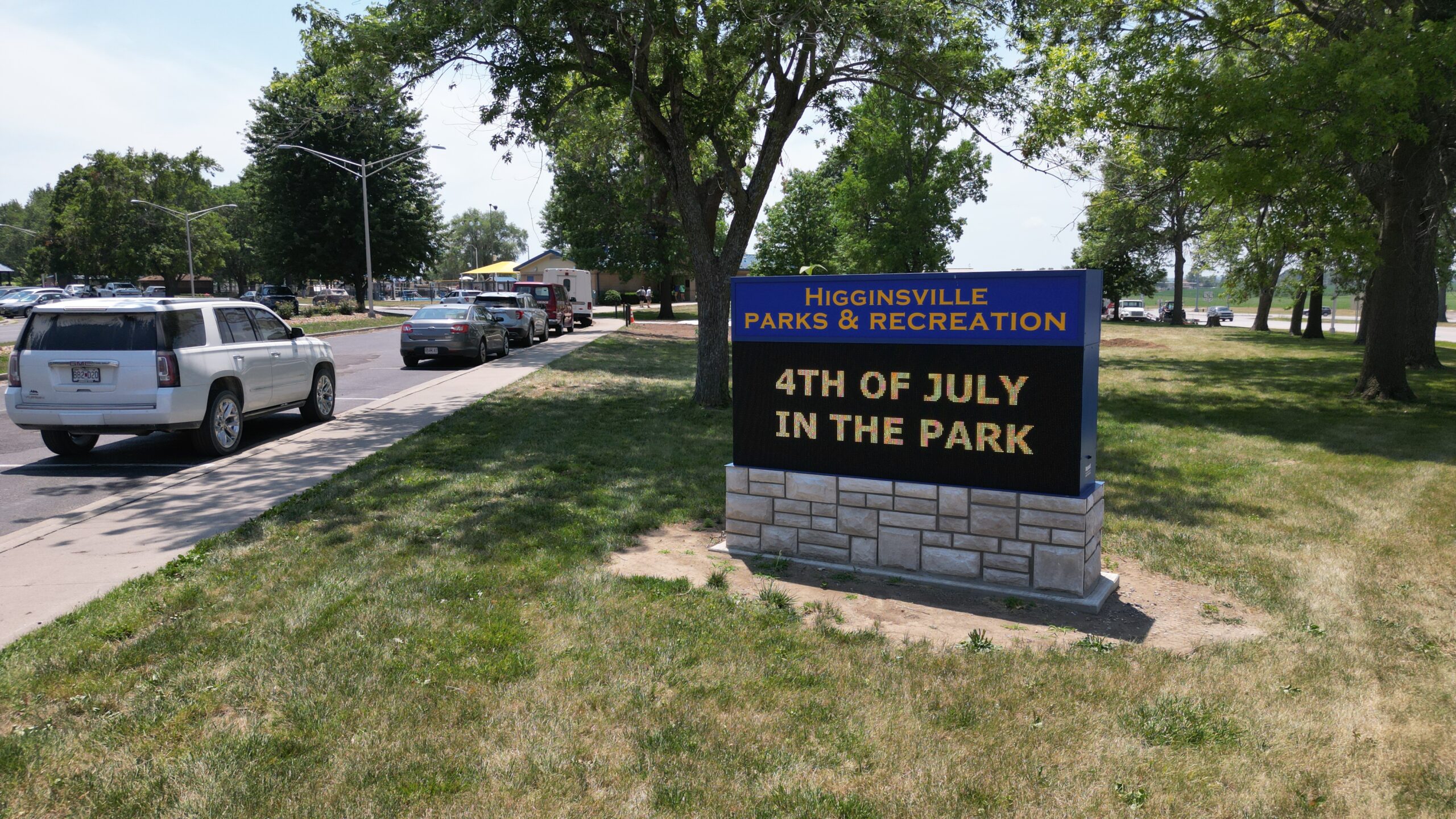
It May Be time to Replace Your Digital Sign
This article explains how to tell when an older LED digital sign has reached the point where replacement is more cost-effective than continued repair. If you’ve ever caught yourself thinking, “It still works… mostly,” you’re not alone. A lot of businesses hang onto aging LED signs because they still light up. That makes sense. These signs are a real investment, and no one wants to replace equipment before it’s necessary. But over time, there’s a moment when keeping an older sign quietly starts working against you — even if it hasn’t fully failed yet. So how do you know when you’ve crossed that line? Repairs and results signs sharper visual You’re Fixing the Sign More Than You’re Using It This is usually the first warning sign. If service calls are becoming routine or replacement parts are getting harder to source, your sign is telling you something. Older LED systems—especially those built with through-hole technology—require more hands-on maintenance as they age. What starts as the occasional repair can quickly turn into ongoing downtime and rising costs. Industry service studies show that once more than 5% of LED modules begin failing each year, replacement is typically more cost-effective than continued repair. At that point, you’re no longer maintaining a sign—you’re managing risk. The Display Looks Dated (Even If It Still Works) Technology expectations have changed. If your sign struggles with modern file formats, shows noticeable pixel spacing, or can’t handle smooth motion graphics, it’s falling behind today’s standards. Modern LED signs support higher resolutions, richer color depth, and cloud-based content control. That difference isn’t subtle to customers. Research from Intel and Arbitron shows that digital signage can attract up to 400% more views than static displays and improve message recall by 83%. An outdated display doesn’t just look old—it underperforms. https://www.youtube.com/watch?v=HaeqGvw9MKI Your Brand Has Moved Forward, but Your Sign Hasn’t Businesses evolve. Logos get refreshed. Messaging gets sharper. If your sign still reflects an older version of your brand, it sends mixed signals before anyone walks inside. Customers may not consciously notice the mismatch, but they feel it. Consistent, modern branding builds trust. Outdated signage quietly works against it. The Screen Isn’t as Bright or Clear as It Used to Be Fading brightness, flickering pixels, or washed-out colors are classic signs of diode degradation. Even if the sign is technically operational, reduced brightness directly affects visibility—especially in daylight. For outdoor readability, industry standards recommend 5,000 to 7,000 nits for clear daytime viewing. Once an aging sign drops below 2,500 nits, it often loses its ability to compete with sunlight and attract drive-by attention. At that point, the sign may still be on—but it’s no longer doing its job. Your Energy Costs Keep Creeping Up Older LED signage consumes significantly more power than modern systems. Advances in LED drivers and diode efficiency mean newer signs often use 30% to 50% less electricity than models manufactured just 7–10 years ago. In some cases, businesses upgrading from legacy lighting technologies like neon or metal halide see energy reductions of 50% to 80%. Over time, those savings can offset a large portion of the upgrade cost. Your Business Is Growing or Changing Expansion, renovations, or multi-location operations are often the tipping point. Newer LED signs are easier to mount, easier to manage remotely, and designed to scale across locations without adding complexity. If your business is moving forward, your signage should be able to move with it. FAQs About Replacing an LED Digital Sign Is it more cost-effective to repair or replace an aging LED sign? According to 2025 cost-analysis reports from Action Services Group, if annual maintenance costs exceed 5% of the sign’s replacement value, a new system is the better investment. Repairing older “through-hole” technology often requires specialized parts that are increasingly rare, leading to a 30%–50% markup in service labor compared to modern modular systems. How much does a modern LED sign save in annual utility costs? Data from Sunme Lighting Commercial LED Guide (Nov 2025) indicates that modern LED signs are roughly 10x more energy-efficient than traditional neon or fluorescent systems, using only 6–10 watts per foot. Upgrading to high-efficiency diodes and automated dimming controls can reduce a facility’s signage energy consumption by up to 85%, resulting in significant monthly utility savings that offset the hardware cost. What technical “red flags” indicate a sign is losing its marketing impact? The industry benchmark for outdoor visibility is the “L70 Standard.” Reports from Signal-Tech (2025) state that high-quality LEDs typically maintain 70% of their original brightness for 50,000 to 100,000 hours. Once a display falls below 5,000 nits, it loses its “sunlight readability,” causing a measurable decline in brand recall and drive-by customer conversions. What is the typical return on investment for a sign upgrade? A 2025 study by AIScreen found that businesses installing new digital signage experience an average revenue increase of 15% through improved upselling and cross-selling. Additionally, according to FedEx Office surveys, 68% of consumers believe a business’s signage reflects the quality of its products, meaning a dim or glitchy sign can actively push potential customers toward competitors. If you’re evaluating whether your current LED sign is still delivering the visibility and value you expect, it may be worth reviewing your options and understanding what newer systems offer. Give us a call at 888-359-9558 for expert advice on your sign update. Request a quote
