
Signs Ready To Ship in 5 Days – Click Here 

Tag

Solid-State LED Signs

Next LED Signs Stax Tile - Rear View

Solid-State LED Signs Win: Reliability, Fewer Failures, and Lower Lifetime Costs

If you’ve ever wondered why some LED signs seem to run for years without issue while others constantly need service, the difference usually comes down to what’s inside the cabinet. This article breaks down why solid-state LED signs outperform fan-cooled designs—and how fewer moving parts translate into better reliability, lower maintenance, and lower lifetime costs. You bought an LED sign expecting it to do one simple thing: glow. Day and night. Make your message visible. But too often, signs fail early—not because the LEDs stopped working, but because the components around them didn’t hold up. That’s where solid-state LED signs change the equation. No moving parts. No mechanical weak points. Just electronics designed to do their job quietly and consistently, year after year. Fewer Parts = Fewer Problems (and the data backs it up) Inside a traditional LED sign, you’ll usually find cooling fans, relays, and other mechanical components. Each one introduces a failure point. Fans, in particular, are a known issue in outdoor electronics. In reliability studies, mechanical fan failure is cited as a leading cause of downtime, with worn bearings identified as the primary point of exhaustion in outdoor electronic systems (Reliability Engineering & System Safety Journal, 2025). Once a fan slows or stops, internal temperatures rise quickly—and the rest of the system follows. Solid-state designs remove that risk entirely by eliminating fans, relays, and mechanical switches. With fewer parts that can wear out, the system becomes far more predictable. Heat Is the Real Enemy of LED Signs LEDs themselves are remarkably durable. High-end LED diodes are commonly rated for 50,000 to 100,000 hours of use before brightness drops to about 70%. But heat changes everything. In power electronics, the Arrhenius “10-degree rule” is a widely accepted standard: for every 10°C increase in operating temperature, the lifespan of capacitors and LEDs can be reduced by up to 50% (Journal of Electronic Packaging, 2026). That means poor thermal design doesn’t just shorten lifespan—it accelerates failure. This is why early failure rates in poorly designed LED signs have been reported as high as 20% within the first few years, especially when low-quality drivers and inadequate cooling are involved. Why Fanless, Solid-State Signs Stay Cooler Solid-state LED signs rely on passive thermal management, not forced airflow. Heat is dissipated through engineered aluminum structures and cabinet surfaces that act like a radiator. This approach keeps internal temperatures within safe operating margins. According to technical reports, LEDs can only reach their full 100,000-hour lifespan when junction temperatures are kept within roughly 25% of optimal levels (LED Magazine Technical Reports, 2025). By avoiding fans altogether, solid-state designs also prevent dust, moisture, salt, and pollutants from being pulled into the cabinet—another major contributor to long-term failures. Less Maintenance Isn’t a Guess — It’s Measured Every mechanical failure triggers a service visit. Over time, those add up. Based on commercial sign maintenance data, eliminating moving parts reduces service “truck rolls” by approximately 70% over a 10-year lifecycle (International Sign Association White Paper). Fewer service calls mean less downtime, lower labor costs, and fewer unexpected outages. That’s one of the biggest reasons solid-state signs cost less to own over time—even if the upfront investment is higher. Energy Efficiency Is Part of the Equation Solid-state LED signs often pair fanless design with common-cathode architecture, which regulates power at the pixel level instead of across the entire display. This isn’t just a technical detail—it shows up on utility bills. Modern fanless LED displays using common cathode technology have demonstrated up to a 30% reduction in power consumption compared to traditional fan-cooled, common-anode signs (Energy Star Digital Signage Requirements, 2025). Lower power use also means less heat, which feeds right back into longer component life. Real Longevity Comes from Design Choices The irony of LED signage is that the LEDs themselves are rarely the first thing to fail. Power supplies, drivers, and overheated components usually give out first. Solid-state engineering addresses that directly. By removing mechanical failures and controlling heat properly, the entire sign is finally designed to match the lifespan of the LEDs inside it. That’s how signs realistically reach 10+ years of reliable operation instead of becoming a maintenance issue halfway through their expected life. Lower Lifetime Costs, Fewer Surprises A solid-state LED sign may cost more upfront than a basic fan-cooled model. But over five, ten, or fifteen years, the math becomes clear. You reduce service calls. You limit downtime. You protect internal electronics. You extend usable life. When you avoid the most common failure paths, reliability stops being a gamble. What This Means for You Choosing a solid-state LED sign isn’t about chasing trends. It’s about removing known weaknesses and designing for long-term stability. When your sign stays on, stays bright, and stays predictable, it stops feeling like a maintenance liability and starts behaving like a long-term asset—one that keeps working regardless of weather, season, or workload. Frequently Asked Questions About LED Sign Lifespan and Failures What is solid state engineering in LED signs? Solid state engineering refers to a design philosophy where there are zero moving parts within the sign’s hardware. In traditional signs, mechanical fans are used to pull air through the cabinet, but solid-state signs utilize advanced heat-dissipation technology and high-efficiency thermal pathways to keep components cool naturally. This eliminates the “single point of failure” common in legacy displays, where a single stuck bearing can lead to total system overheating. Why are fans considered the biggest failure point for outdoor signs? Fans rely on mechanical bearings that eventually become sluggish due to dust, moisture, and extreme temperature cycles. Once a fan slows down or stops, heat builds up rapidly inside the sign cabinet, causing a “domino effect” where the power supplies and LED modules begin to fail. Solid-state engineering solves this problem by removing the fans entirely, ensuring there is nothing to wear out or seize over time. How does a fanless LED sign stay cool in direct sunlight? Fanless signs stay cool through passive thermal management, using high-grade aluminum heat sinks
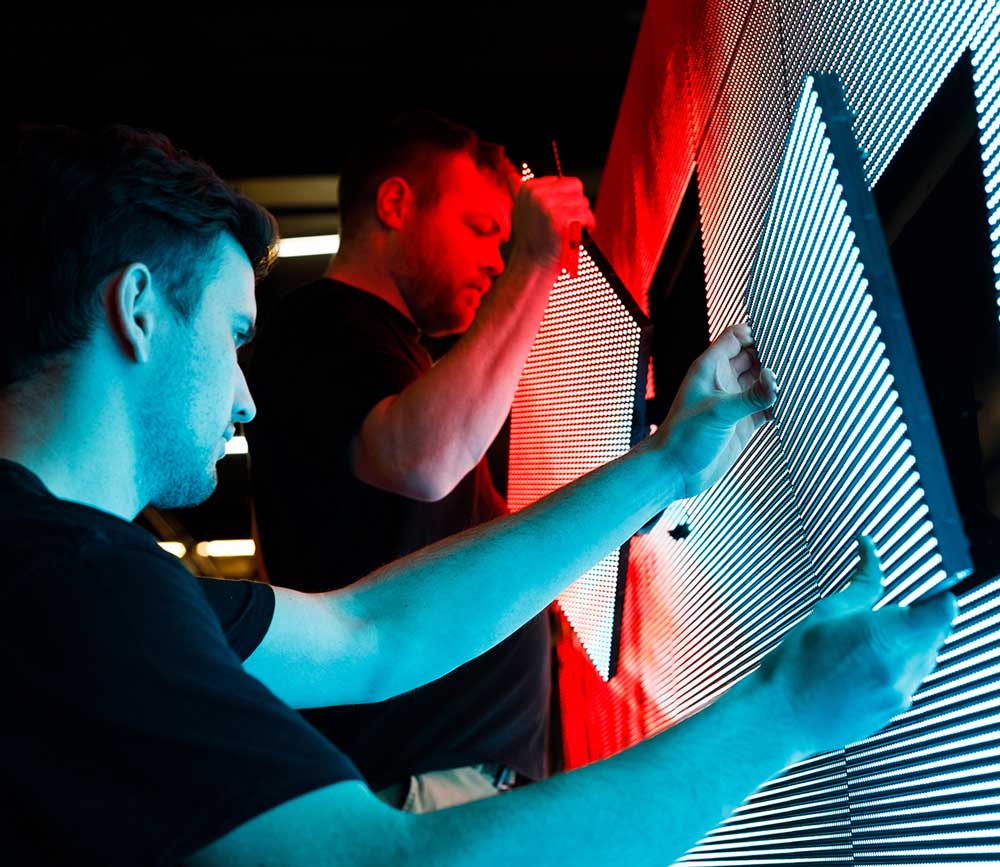
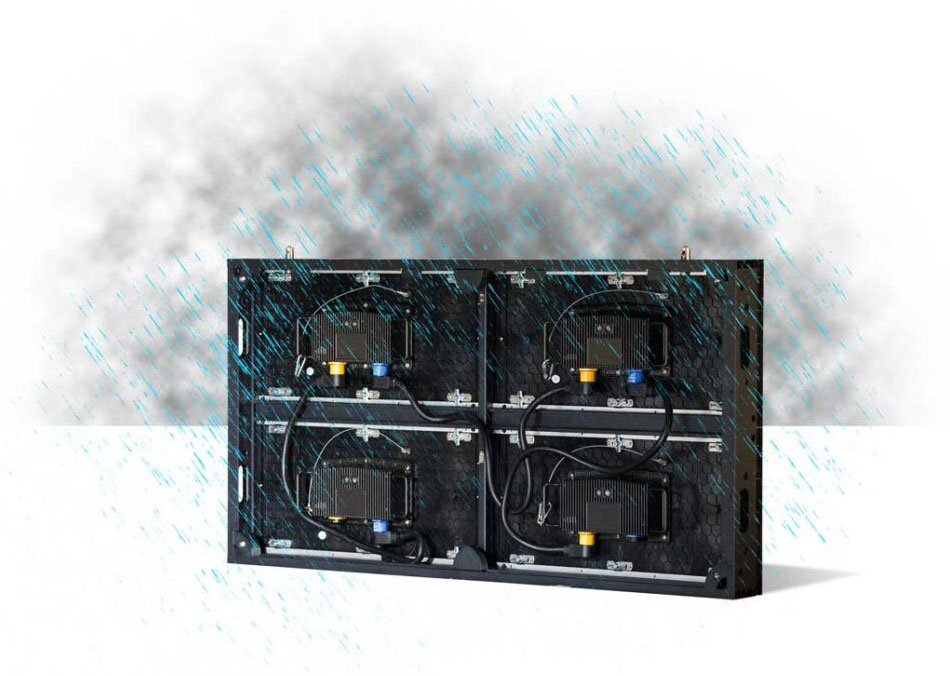
STAX Modular LED Front Serviceable Tile Replacement

Solid-State LED Signs Cut Maintenance Costs and Reduce Costly Truck Rolls

Your sign purchase is just the startMost LED signs don’t fail because the LEDs stop working—they fail because the parts around them wear out. This article explains how solid-state LED sign design reduces service calls, cuts costly truck rolls, and lowers long-term maintenance expenses by eliminating the mechanical components that break down most often. Every LED sign needs to stay online. When it goes dark, visibility disappears, messages stop, and someone has to deal with the problem. Too often, that problem turns into a service call, a truck roll, and another unplanned expense. What surprises many owners is that the LEDs themselves usually aren’t the issue. The real trouble comes from the support systems—fans, cabling, and cooling components—that simply weren’t built for years of outdoor exposure. That’s where solid-state LED signs change the equation. Why Truck Rolls Are the Real Cost Driver A truck roll isn’t just a quick fix. It means scheduling a technician, dispatching a vehicle, opening the cabinet, diagnosing the issue, replacing parts, testing, and closing everything back up. Even a “small” repair adds labor, time, and downtime. Over the life of a sign, those service visits quietly become one of the biggest operating expenses. Solid-state LED signs are designed specifically to reduce how often those truck rolls happen. According to the International Sign Association (ISA), eliminating mechanical components like fans reduces maintenance-related service calls by an average of 40%, significantly lowering long-term service costs. Fewer Moving Parts Means Fewer Reasons to Send a Crew Traditional LED signs rely on mechanical cooling. Fans pull air across power supplies and internal electronics. Fuses and relays protect circuits. All of those components wear out over time—especially in heat, dust, moisture, and fluctuating weather. When a fan slows or stops, heat builds up. When heat builds up, failures follow. Solid-state LED signs remove those failure points entirely. No fans. No relays. No moving parts. With fewer components that can physically wear out, the most common triggers for service calls simply disappear. That’s why solid-state designs consistently require fewer truck rolls over their lifespan Heat Is the Root Cause Behind Most Maintenance Problems Heat is still the biggest enemy of electronic systems. In fan-cooled signs, cooling depends on airflow. Once that airflow is compromised, internal temperatures rise quickly and components are pushed beyond safe operating limits. Solid-state designs take a different approach. Instead of forcing air through the cabinet, they rely on passive thermal management and efficient power architecture that generates less heat to begin with. The U.S. Department of Energy reports that solid-state LED systems using passive cooling and efficient power supplies can reduce energy consumption by up to 30% compared to traditional fan-cooled cabinets. Lower power draw means lower heat—and lower heat means fewer failures. Preventing Problems Is Cheaper Than Fixing Them Most service calls aren’t complicated. A fan fails. A cooling issue causes a shutdown. A power component overheats. Each one requires a technician on site. Solid-state LED signs avoid these scenarios by design. Sealed modules protect internal electronics from dust and moisture. Passive cooling keeps temperatures stable. Components age evenly instead of failing suddenly. According to the Illuminating Engineering Society (IES), sealed solid-state LED modules can operate for 100,000 hours or more when proper thermal management keeps internal temperatures within safe ranges. That kind of longevity only matters if the rest of the sign is built to support it. Lower Lifetime Costs, Higher Reliability Sure, a solid-state sign might cost more upfront than the cheapest fan-cooled sign. But over 5, 10, or 15 years… the savings are clear. You avoid repeated service fees. You avoid downtime that might cost you customers. You avoid early replacement. You avoid environmental stress on the electronics. When you build a sign that avoids the common failure routes — you build stability. Maintenance Becomes Predictable Instead of Reactive With older sign designs, maintenance feels reactive. You don’t know when the next breakdown will happen—you just know it will. Solid-state engineering changes that pattern. Fewer failure points mean fewer surprises. Performance stays consistent day after day, season after season. Instead of budgeting for frequent service calls, owners can plan for minimal, predictable maintenance. That predictability reduces stress, lowers operating costs, and keeps signs visible when they matter most. Lower Lifetime Costs Add Up Over Time Truck rolls are expensive. Labor, transportation, scheduling, and downtime add up quickly—especially over 5, 10, or 15 years. Solid-state LED signs reduce those expenses by design. Fewer failures mean fewer service visits. Fewer service visits mean lower operating costs. Over time, that difference becomes substantial. Rather than treating maintenance as a recurring burden, solid-state design turns an LED sign into a more stable, lower-cost asset. Frequently Asked Questions on Reducing LED Sign Maintenance Costs Why do LED signs have high maintenance costs? Most maintenance costs come from mechanical failures in fans, complex cabling, and fragile cooling systems that break down under heat, dust, and severe weather. These failures often require service calls and emergency repairs. What is the benefit of a fanless solid-state LED sign? Eliminating fans removes one of the most common points of failure. Solid-state signs rely on sealed modules and passive thermal design to stay cool without moving parts that wear out over time. How does solid-state engineering lower total cost of ownership (TCO)? Total cost of ownership is reduced by cutting service visits by roughly 30–40% and lowering energy consumption by up to 30%, which together reduce maintenance costs and improve long-term ROI. Can solid-state LED signs handle extreme heat? Yes. High-efficiency thermal management allows solid-state displays to dissipate heat effectively, preventing the overheating and summer “blank-out” issues often seen in traditional fan-cooled signs. If you’re evaluating whether your current LED sign is still delivering the visibility and value you expect, it may be worth reviewing your options and understanding what newer systems offer. Give us a call at 888-359-9558 for expert advice on your sign update.  Request a quote