Casino resorts are making money in a different way than they did a decade ago.
The biggest gains are no longer tied only to the gaming floor. More of the financial pressure now sits on rooms, restaurants, bars, retail, and the overall guest experience. That shift is changing how properties think about design.
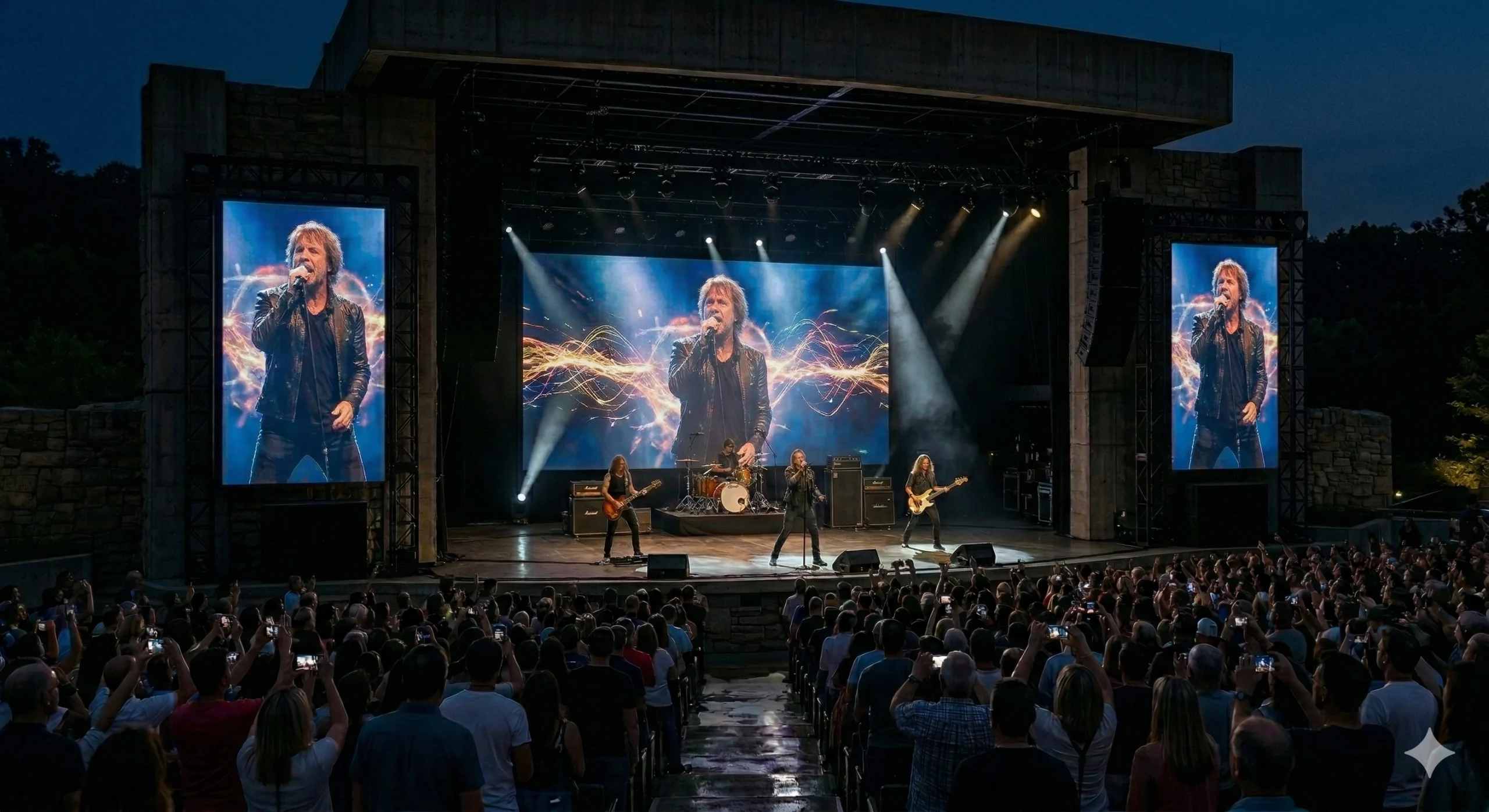
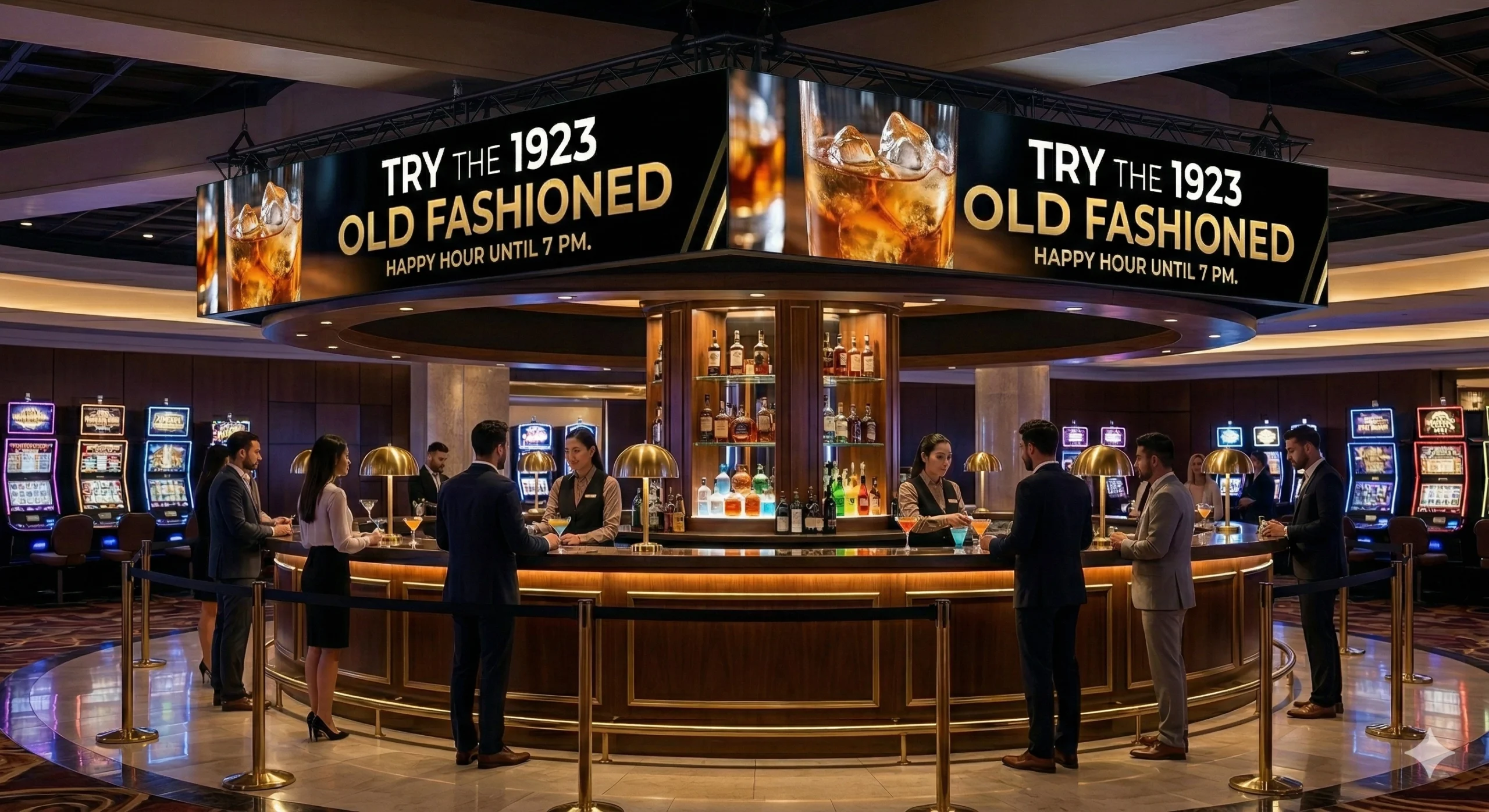
Instead of treating hallways, elevator banks, check-in counters, and premium lounges as simple transition spaces, many resorts are turning them into digital environments that hold attention and support spending. Surface-mounted, edge-to-edge LED displays are helping create those spaces by adding motion, atmosphere, and visual storytelling where guests already spend time. Recent data from the Nevada Gaming Control Board, the Experience Design Institute, the 2026 Global Hospitality Analytics Report, the 2025 American Express Travel Global Trends Report, and the 2026 Sprout Social Hospitality Index all point to the same conclusion: when a resort feels immersive, guests stay engaged longer, spend more in non-gaming areas, and are more likely to share the experience with others.
When the resort experience drives the revenue
For years, the casino floor carried the weight. Restaurants, hotel rooms, and lounges supported the main attraction. That model is changing.
According to the Nevada Gaming Control Board’s April 2025 Abstract covering the fiscal year ending June 30, 2024, non-gaming activities including rooms, food, and beverage accounted for 64.2% of total revenue for large-scale Nevada licensees. That number matters because it confirms that the guest experience away from the gaming floor is now doing more of the heavy lifting.
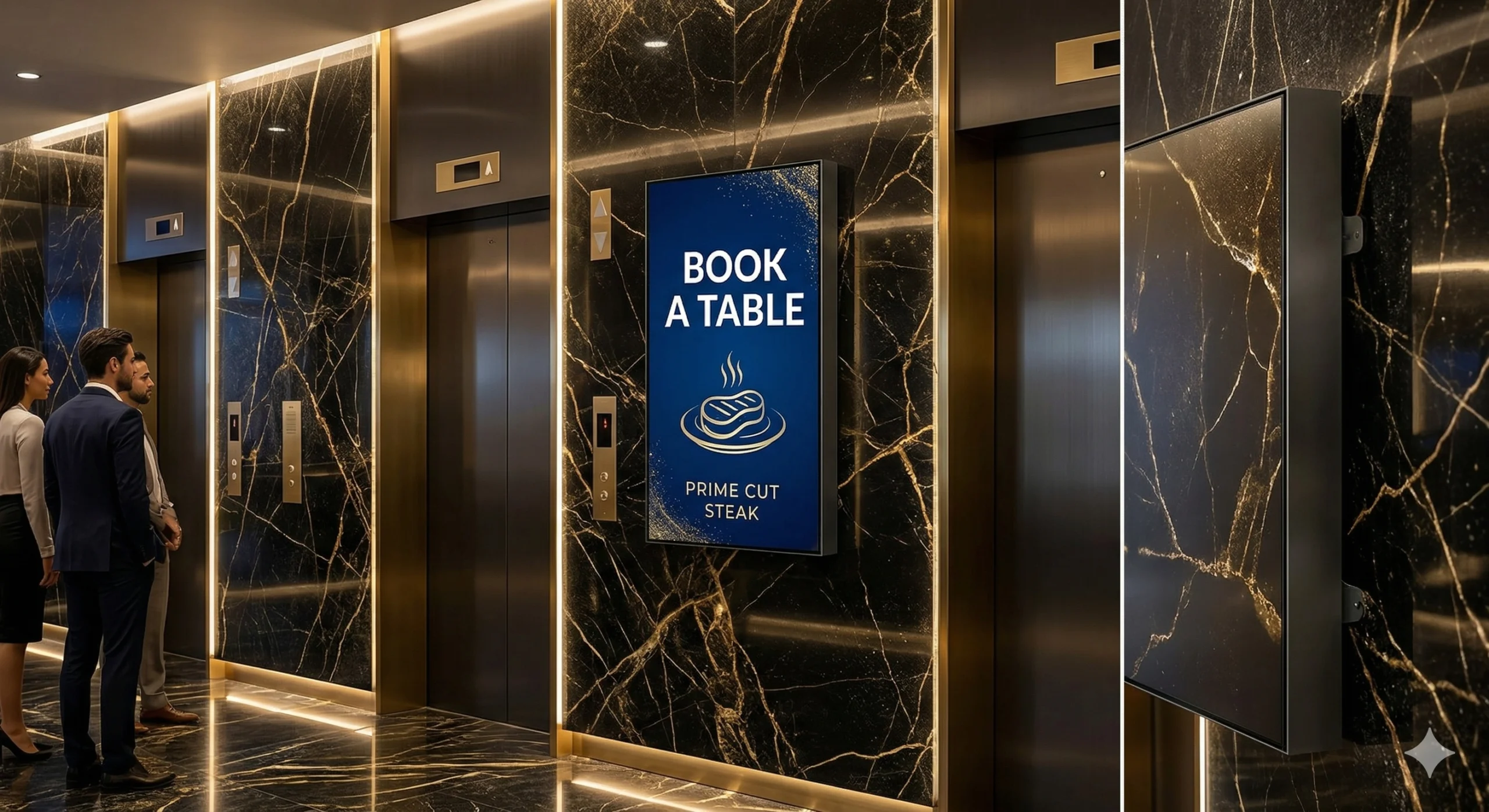
That changes the design conversation. If most of a resort’s revenue is coming from hospitality rather than gaming, then the spaces between destinations start to matter more. A hallway is no longer just a hallway. A check-in line is no longer just a queue. A premium bar is no longer just a waiting area before dinner. Each one becomes a place where atmosphere, anticipation, and visual impact can influence guest behavior.
Why dwell time matters more than ever
When non-gaming revenue drives the majority of performance, guest attention becomes a real business asset. The longer someone stays engaged in a premium zone, the more opportunity a property has to increase food and beverage sales, retail activity, and overall spend.
The Experience Design Institute’s 2025 white paper on immersive environments found that architecturally integrated digital spaces extended average guest dwell time by 18 minutes. The same research found a direct connection between time and spending: every additional 10 minutes a guest spent in a premium lounge or transition zone was associated with a 6.4% increase in food and beverage capture rates.
That is why LED architecture has become more than décor. It gives resorts a way to slow the moment down. A visually compelling space feels intentional. It invites guests to pause, look around, and take in what is happening. That extra attention can translate into stronger spending in the spaces that now matter most.
Turning check-in into a revenue opportunity
One of the most overlooked spaces in many resorts is the front desk. Guests are standing there anyway, but too often the area does nothing except process arrivals.
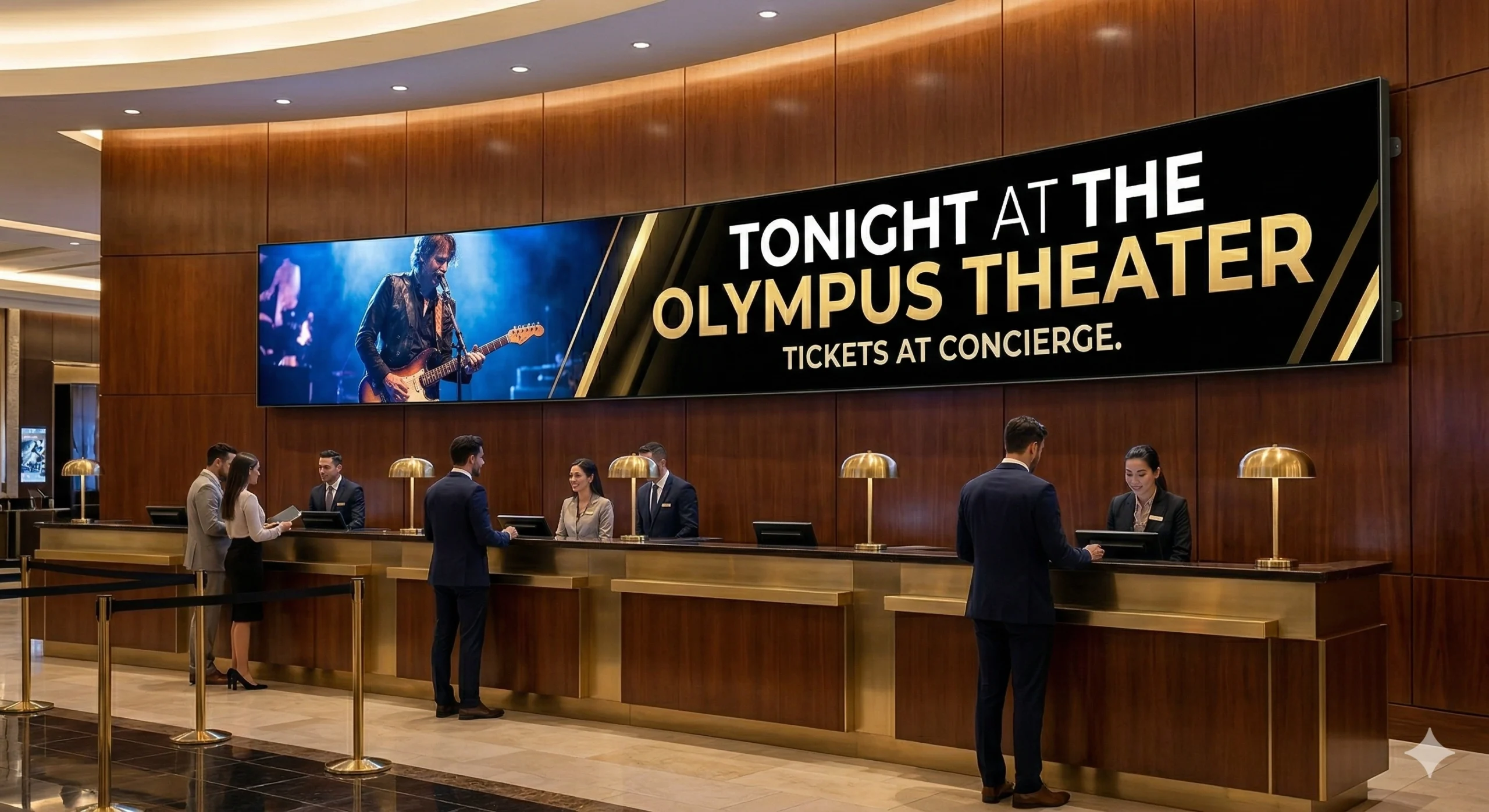
Ultra-wide LED ribbons behind the check-in counter can change that dynamic. Instead of showing a blank wall or static backdrop, the property can use motion content to introduce the guest to what matters most inside the resort. A steakhouse, headliner, rooftop lounge, spa, sportsbook, or premium cocktail bar can all be featured before the guest even reaches the elevator.
That matters because it turns waiting time into preview time. The display is not just filling space. It is shaping the guest’s first impression and helping guide where they may spend later that day.
The 2026 Global Hospitality Analytics Report found that properties using dynamic architectural features saw a 124% increase in profitability in the specific zones where those displays were installed, including bars and retail corridors. That kind of result helps explain why resorts are rethinking where digital displays belong and what they should do.
Why tech-forward design now feels like part of luxury
This shift is also being pushed by guest expectations. Younger high-spending travelers have grown up in visually rich digital environments, and they notice quickly when a property feels dated.
The 2025 American Express Travel Global Trends Report found that 73% of Millennial and Gen Z travelers prioritize resorts that offer visually immersive and tech-integrated environments. That does not mean every space has to feel like a nightclub or a gaming arena. It means the environment has to feel current, considered, and memorable.
For casinos and integrated resorts, that creates a new standard. Luxury is no longer defined only by finishes, furnishings, and square footage. It is also shaped by how the space feels in motion. A property that delivers strong visual energy in the right places can feel more current, more premium, and more shareable.
The social media advantage of immersive design
There is also a marketing benefit that goes beyond the guest already on site. Some spaces naturally encourage photos, video clips, and social sharing. That kind of response is hard to buy because it comes from the guest, not the brand.
The 2026 Sprout Social Hospitality Index found that resorts featuring digitally enhanced architectural elements saw a 40% higher rate of user-generated content. That matters because every photo or short video shared from a visually distinctive resort becomes another layer of exposure. It helps reinforce the property’s identity and extends the experience into social platforms where future guests are already looking for ideas.
In other words, immersive LED architecture does not just influence the people standing in front of it. It can also influence the next round of guests who see it later online.
Why this matters for casinos now
Casino resorts are under more pressure than ever to make every zone work harder. If non-gaming revenue now drives most of the business, then design decisions have to support that reality. LED architecture gives properties a way to turn underused spaces into active contributors to the guest experience.
That is the bigger story. These displays are not just there to entertain. They help create atmosphere, hold attention, introduce amenities, support higher-margin spaces, and strengthen the kind of modern visual identity today’s guests expect.
For resort operators, the question is no longer whether digital architecture belongs in hospitality. The question is where it can create the most impact next.
Frequently Asked Questions About Immersive LED Architecture for Casinos
How do integrated resorts justify the high cost of large-scale LED installations?
Resorts justify LED investments by calculating the “Revenue Per Square Foot” lift in non-gaming zones. Data from the 2026 Global Hospitality Analytics Report shows that immersive digital architecture drives a 124% increase in profitability in transition areas like bars and retail corridors, effectively turning “dead space” into high-margin engagement hubs. (56 words) (Source: 2026 Global Hospitality Analytics Report)
Can LED displays be installed over existing marble or high-end finishes?
Yes. Modern surface-mount LED technology allows for edge-to-edge installation directly onto existing architectural surfaces without requiring structural demolition. This “digital facelift” preserves the luxury aesthetic of the resort while providing a dynamic platform for branding, wayfinding, and high-resolution promotion of on-site amenities like spas and fine dining. (55 words) (Source: NEXT LED Engineering Standards 2026)
What is the impact of digital signage on resort guest loyalty and retention?
High-quality digital experiences have a direct correlation with guest sentiment. According to the 2025 American Express Travel Global Trends Report, 73% of luxury travelers prioritize tech-integrated environments. Properties that meet this expectation see higher satisfaction scores, with “emotionally connected” guests being 13 times more likely to book a return stay. (56 words) (Source: 2025 American Express Travel Global Trends Report)
How does digital architecture affect food and beverage (F&B) sales?
Digital architecture increases “dwell time,” which is the primary driver for F&B spending. A white paper from the Experience Design Institute found that immersive environments keep guests in premium lounges for an average of 18 additional minutes. This extended stay results in a measurable 6.4% increase in per-guest capture rates for high-margin refreshments. (58 words) (Source: Experience Design Institute, 2025)
Will a giant LED wall in the lobby make my guests feel dizzy or seasick?
Only if the content is poorly designed. While low-refresh-rate screens can cause “flicker” that leads to eye strain, professional NEXT LED displays utilize high-frequency PWM (Pulse Width Modulation) and smooth motion processing. This ensures that even massive, floor-to-ceiling visuals remain comfortable for guests to view for extended periods without any physical discomfort. (57 words) (Source: NEXT LED Technical Brief)
Do casinos use LED signs to secretly track where I am walking?
No. While some resorts use separate “heat-mapping” sensors to optimize floor layouts, the LED signs themselves are one-way broadcast tools. They are designed to push information and atmosphere out to the guest, not to “look back” or record individual movements. Your privacy remains intact while you enjoy the high-resolution visuals. (54 words) (Source: 2026 Hospitality Tech Privacy Standards)
Bring Immersive Casino Experiences to Life with NEXT LED Signs
When immersive design becomes part of the guest experience, every transition space has the potential to work harder for your property. NEXT LED Signs helps casinos and resorts bring those environments to life with high-impact LED display solutions built for hospitality, entertainment, and premium guest spaces. Call 888-359-9412 or visit Contact Us to talk about your project.