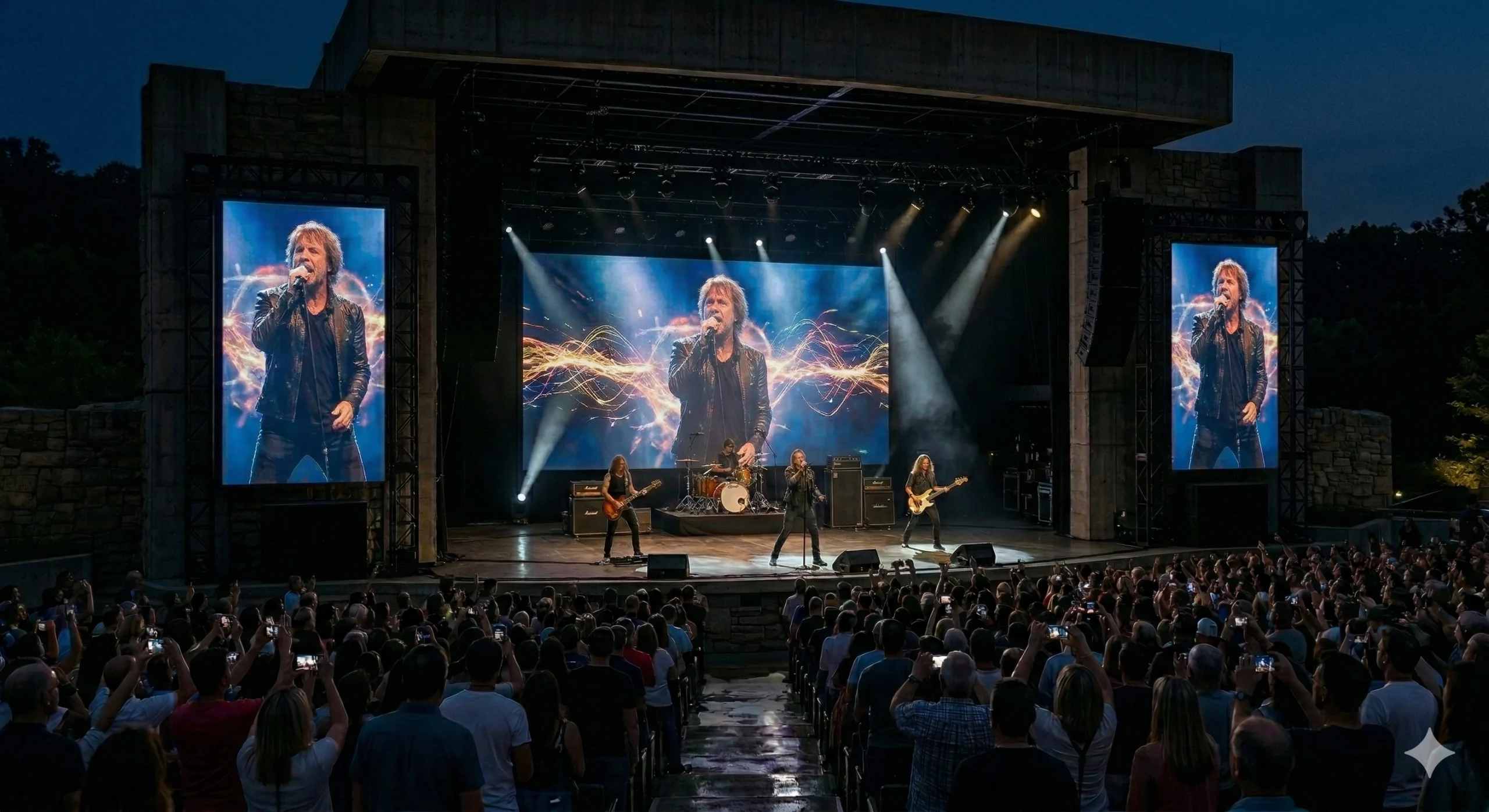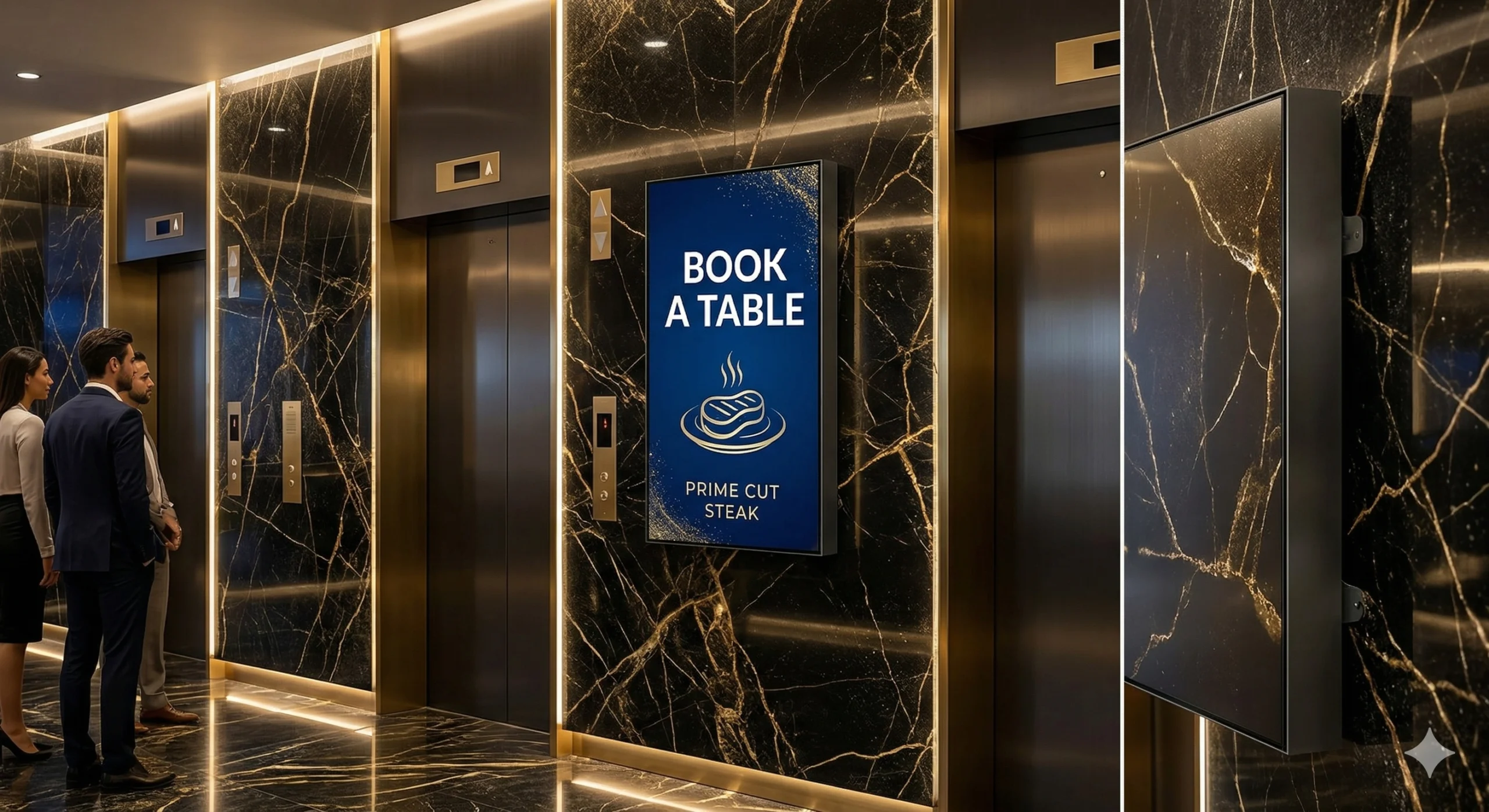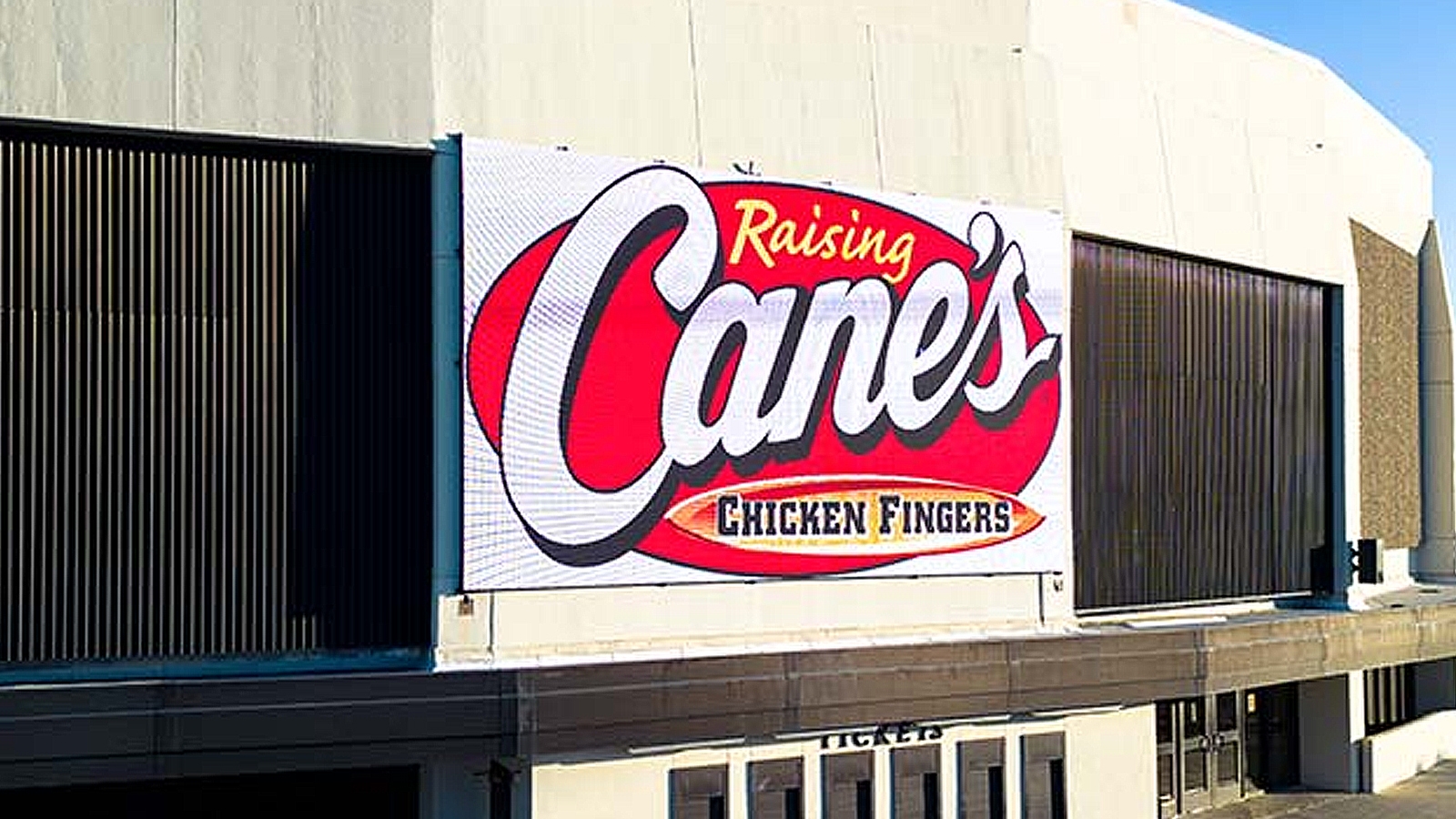
Modern stadium management is shifting its focus from the “seat experience” to the “arrival experience.” With fan sentiment often cemented within the first 10 minutes of arrival, the stadium entryway has become the most critical real estate for engagement. This article explores the strategic implementation of large-format outdoor LED displays at primary gates—not merely as signage, but as revenue-generating “First Impression” engines.
By leveraging high-brightness, edge-to-edge LED technology, venues can drive a 32% increase in pre-game sentiment, secure 20% higher sponsorship premiums through digital takeovers, and reduce concourse congestion by accelerating wayfinding. For the modern venue, the entryway LED is the bridge between a simple ticket scan and a premium fan experience.
The Gateway Effect: Why the Entrance is Your Most Valuable Screen
The traditional “gate” was a utility—a place to scan a barcode and move through a turnstile. However, data from a 2025 Sports Tech Journal white paper suggests that the “arrival window” is where fans form their final opinion on the value of the event. Venues that greet fans with dynamic, high-impact LED displays see a measurable shift in behavior compared to those relying on static vinyl or outdated, low-resolution boards.
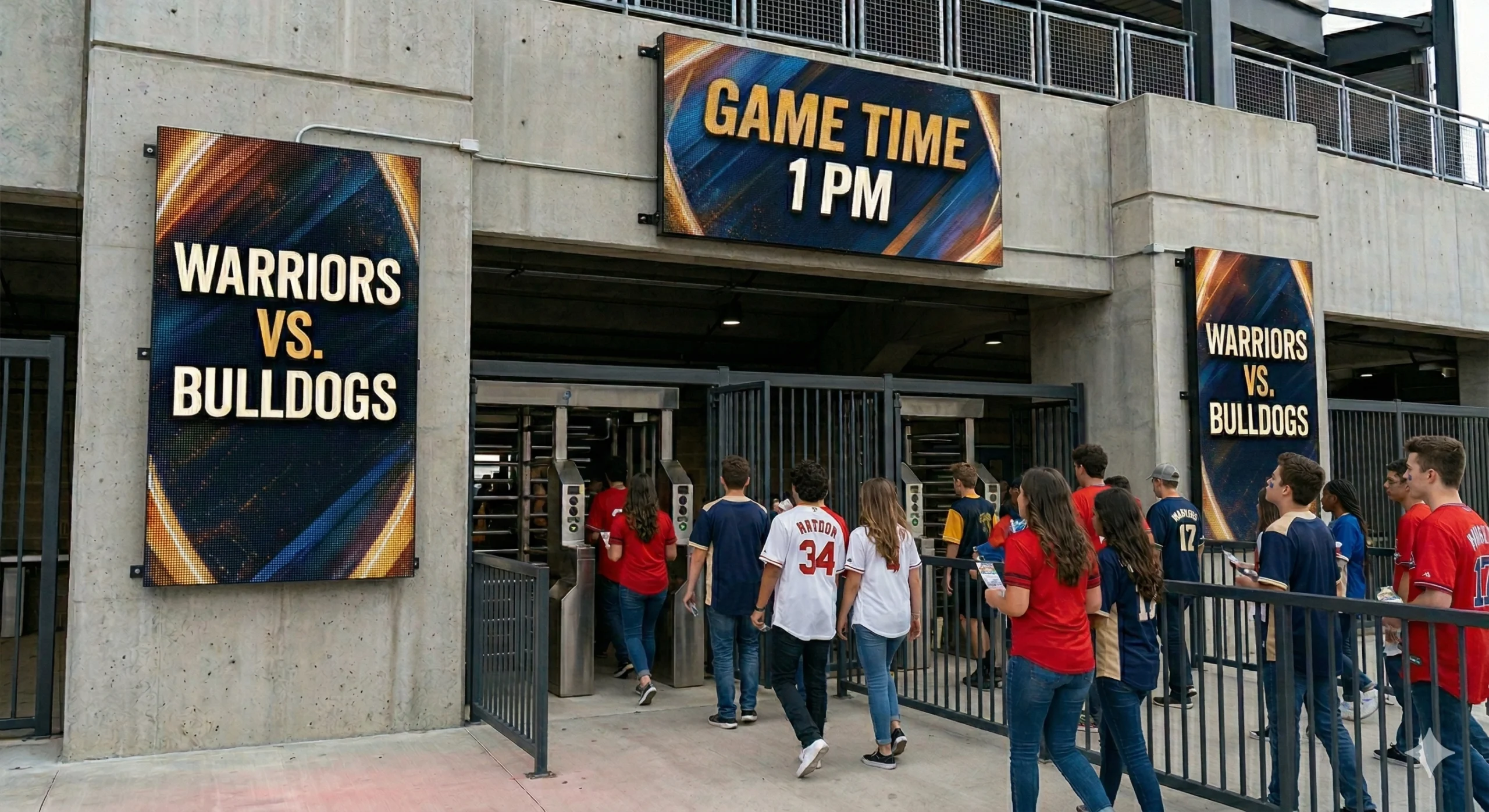
When a fan approaches a gate flanked by NEXT LED 9×16 vertical displays showing real-time social feeds or a 16×9 overhead “Game Ready” countdown, the psychological transition from “pedestrian” to “fan” happens instantly. This “Gateway Effect” isn’t just about aesthetics; it’s about setting the emotional tone for the next three hours.
Driving Revenue Before the First Pitch
The financial argument for entryway LED is anchored in two primary areas: direct retail spikes and premium sponsorship “Takeovers.”
1. The Retail “Flash Sale” Trigger
Statistical evidence from the 2025 Minor League Baseball season proves that the entryway is a powerful sales funnel. Venues that utilized their gate displays to promote limited-time “Flash Sales”—such as a “20% off jerseys for the next 30 minutes”—reported a 12% spike in team store revenue during the first quarter of the game. By hitting the fan with a high-brightness call-to-action the moment they enter, you capture “intent to spend” before they reach their seats and settle in.
2. Commanding the “Digital Takeover” Premium
Sponsors are no longer satisfied with being one of ten logos on a rotating loop. They want the “unavoidable” experience. A 2024 Sports Business Institute study found that “Digital Takeovers”—where every screen at a gate is synchronized to show a single brand’s content during peak entry—command a 15–20% higher ad rate. Because fans are funneled through these gates in a predictable flow, the impressions are guaranteed and high-impact.
Engineering the Experience: The NEXT LED Difference
For an entryway display to be effective, it must overcome the two biggest enemies of outdoor signage: Direct Sunlight and Aesthetic “Bezels.”
Sunlight-Readable Performance
Entryway signs are often subject to harsh, direct afternoon sun. A standard “TV-style” screen will wash out, rendering the investment useless during the hours fans are actually arriving. Our high-nit outdoor displays are engineered to maintain color saturation and contrast even in blinding 2:00 PM sunlight, ensuring that “GAME TIME 1 PM” is as clear as a printed poster.
Seamless Edge-to-Edge Integration
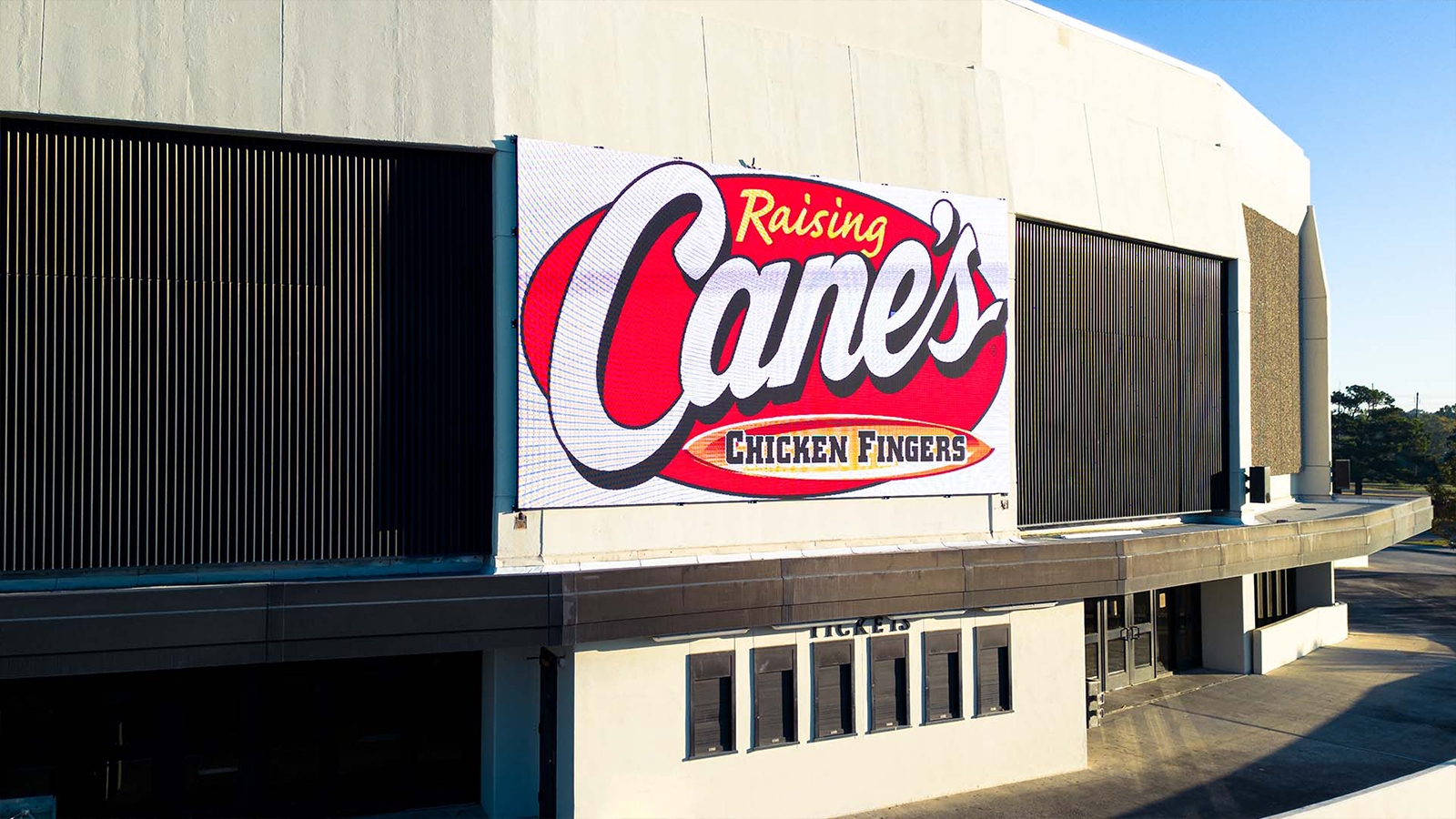
A major flaw in many stadium installs is the “black box” look—screens trapped behind thick metal frames. NEXT LED specializes in edge-to-edge pixel construction. By eliminating the bezel, the display becomes an architectural feature of the concrete facade rather than an afterthought. When the pixels go to the absolute edge, the content feels integrated into the stadium’s “skin,” a look that is increasingly demanded by high-end architects and venue owners.
Operational Efficiency: Wayfinding and Crowd Flow
Beyond revenue, there is a logistical “ROI.” Dynamic wayfinding—using the entryway LED to show gate-specific directions or “Find Your Seat” prompts—has been shown to reduce the average time to seat by 4.5 minutes per fan. In a 30,000-seat stadium, saving four minutes per person drastically reduces “concourse clogging.” This allows security to manage lines more effectively and, more importantly, gets the fan into the concourse—where they are closer to food, beverage, and retail outlets—much faster.
The Social Media “Trigger”
Finally, your entryway is your best organic marketing tool. Stadiums with high-resolution, “photo-worthy” LED architectures at the main gate report a 28% increase in organic social media check-ins on platforms like Instagram and TikTok within the first hour of gates opening. When fans take a “selfie” in front of a borderless, vibrant sign, they are providing free, high-authenticity advertising for your venue to their entire social network.
Frequently Asked Questions on Maximizing Revenue and Engagement at the Stadium Gate
What is the average lifespan of an outdoor stadium LED screen?
A high-quality outdoor LED display is engineered for approximately 100,000 hours, which typically translates to 12 to 15 years of reliable performance in a stadium environment. Regular preventative maintenance on power supplies and cooling systems ensures the display remains in peak condition for the full duration of its lifecycle.
How much does a large-scale stadium LED video wall cost to install?
Professional stadium LED installations generally range from $75,000 to over $500,000. Total cost is driven by the screen’s square footage, the pixel pitch resolution, and the structural engineering required for wind loads. When integrated at entryways, these displays often pay for themselves through premium sponsorship “digital takeover” packages.
What is the best IP Rating for outdoor stadium displays?
For permanent outdoor stadium signage, a minimum rating of IP65 is required to ensure the unit is dust-tight and resistant to high-pressure water jets. Higher-end systems often utilize IP67-rated components to withstand extreme tropical storms or frequent high-pressure power washing without compromising the internal electronics or pixel face.
Can outdoor LED screens be seen clearly in direct afternoon sunlight?
Yes, provided the display produces between 5,000 and 13,000 NITs of brightness. This extreme luminous intensity allows the LED pixels to compete with direct, 2:00 PM sunlight, maintaining high contrast and vivid color saturation that standard consumer-grade screens cannot achieve in an unshaded outdoor environment.
Can you see a stadium LED sign from an airplane?
While the specific text is not readable from 30,000 feet, the intense luminous glow of a large-format LED installation is clearly visible from an airplane at night. Pilots and passengers often use the distinct, vibrant light of a stadium—which is significantly brighter than standard street lighting—as a navigational landmark.
Do giant LED signs make a loud buzzing noise?
Modern NEXT LED systems are virtually silent. While older technology relied on loud, high-RPM cooling fans, current solid-state engineering uses passive aluminum heat-sinks and high-efficiency power components. This ensures the only thing fans hear at the entrance is the pre-game atmosphere, rather than the “hum” of the hardware. (52 words)
Ready to Revolutionize Your Venue’s First Impression?
Don’t let your stadium’s entryway remain a static utility. Transform your primary gates into a high-impact engagement and revenue engine with NEXT LED Signs’ edge-to-edge outdoor display technology. Whether you are looking to increase sponsorship premiums or drastically improve fan wayfinding, we provide the engineering expertise to integrate seamless digital architecture into your existing facade.
Let’s build a “First 10 Minutes” strategy for your venue. Call our Stadium Integration Team: 888-359-9558 or contact us by email.