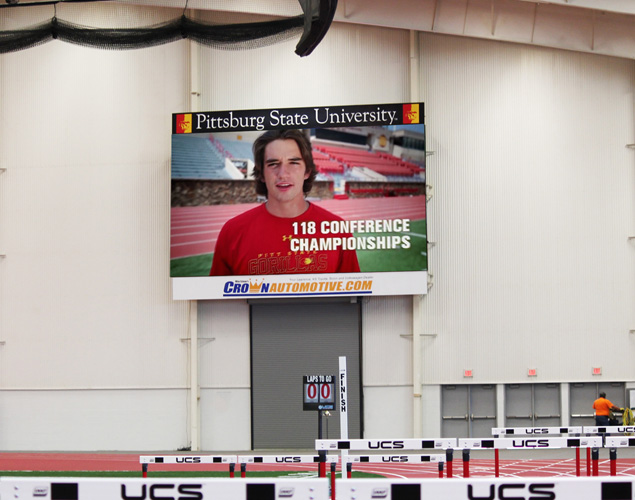
What Athletic Directors Should Know Before Buying a New Scoreboard
Buying a new scoreboard isn’t just about replacing what’s broken—it’s about choosing something that will hold up under pressure, fit your budget long-term, and actually work on game night. Athletic directors are juggling facilities, schedules, sponsors, and staff, so the last thing anyone wants is a scoreboard that creates more problems than it solves. This guide walks through what really matters before you commit. https://www.youtube.com/watch?v=-1Qppj3kYEA It’s Not Just the Price Tag—It’s the Long-Term Commitment When people start looking at scoreboards, the first question is usually cost. And that makes sense—school budgets are tight, and every purchase gets scrutinized. A basic fixed-digit scoreboard might start around $3,000, but once you step into LED video scoreboards, the range widens fast. Most high school video scoreboards land somewhere between $30,000 and $150,000, depending on size, resolution, and whether the display needs to handle multiple sports. Large stadium installations can go much higher. What’s easy to overlook is that the purchase price is only part of the equation. Maintenance, software, repairs, and upgrades all factor into the real cost over time. A scoreboard that looks affordable upfront but requires frequent service calls can end up costing far more over its lifespan. Reliability Matters Most When the Stands Are Full A scoreboard doesn’t get a second chance during a playoff game or rivalry matchup. If it goes dark, everyone notices. Many older or lower-quality systems rely on components that wear out—fans, relays, and mechanical switches. These parts tend to fail at the worst possible time, often during peak season when the board is used most heavily. Modern LED scoreboards built with solid-state engineering remove many of those failure points. Fewer moving parts means fewer surprises, less downtime, and fewer emergency calls when the gym or stadium is packed. Indoor vs. Outdoor Isn’t Just About Location Indoor and outdoor scoreboards are built for very different conditions, and choosing the wrong type can create problems fast. Outdoor scoreboards need significantly higher brightness to stay readable in direct sunlight and must be sealed against rain, wind, and temperature swings. Pixel pitch also plays a role—outdoor stadiums usually use 10mm to 16mm spacing because viewers are farther away. Indoor displays don’t need extreme brightness, but they do need tighter pixel pitch—often 4mm to 6mm—so graphics and text stay sharp when fans are seated close to the screen. Matching the display to the viewing distance is key to making sure the board looks professional instead of pixelated or washed out. Revenue Potential Changes the Conversation One reason many schools move to LED video scoreboards is sponsorship flexibility. Unlike static signage, digital boards can rotate ads, highlight game-specific sponsors, and support special events. Some high school athletic programs have reported generating over $12,000 in advertising revenue within the first two months of installing a digital scoreboard. Over a few seasons, that revenue can significantly offset both purchase and maintenance costs—especially when sponsorships are managed consistently. The key is choosing a system that makes ad scheduling easy, so managing sponsors doesn’t turn into another full-time job. How Long Should a Scoreboard Really Last? Most modern LED components are rated for up to 100,000 hours of use, which can translate to 10 to 15 years for a typical school athletic program. But lifespan isn’t just about the LEDs themselves. Power design, thermal management, and ongoing parts availability all determine whether a scoreboard reaches its expected service life—or becomes difficult to maintain halfway through. Choosing a provider that supports their hardware long-term helps avoid situations where a functioning board becomes unusable simply because replacement parts are no longer available. Scoreboard Buying Guide: FAQ for Athletic Directors How much does a high school video scoreboard cost? Prices vary widely. Fixed-digit boards may start around $3,000, while LED video scoreboards for high schools typically range from $30,000 to $150,000. Large stadium displays can exceed that range depending on size and resolution. Can a digital scoreboard pay for itself through advertising? Yes. Many schools generate meaningful sponsorship revenue using rotating digital ads and game-day placements. Some programs report earning over $12,000 in ad revenue within just a few months of installation. What’s the difference between an indoor and outdoor LED display? Outdoor displays need higher brightness and weather protection, while indoor displays prioritize tighter pixel pitch for close viewing. Outdoor boards often use 10mm–16mm pitch, while indoor boards commonly use 4mm–6mm. Who operates the scoreboard during games? Most modern LED scoreboards are designed so schools can run them in-house, often with trained student crews or athletic staff. However, the operating software matters more than many buyers realize. Some scoreboard systems use basic control software included with the display, while others rely on advanced graphics, replay, or data-integration platforms that require annual licensing fees. In some cases, those software packages can range from a few thousand dollars per year to tens of thousands, depending on features and complexity. Athletic directors should ask upfront what software is required, what’s optional, and what ongoing license costs look like over the life of the scoreboard—not just in year one. What is the lifespan of a modern LED scoreboard? Most LED scoreboards are rated for up to 100,000 hours of use, translating to 10–15 years for school programs, assuming proper design and long-term parts support. If you’re evaluating whether your current scoreboard is still meeting the demands of your athletic program, it may be time to take a closer look at how newer systems improve reliability, reduce ongoing costs, and support multiple sports and events. For guidance on planning a scoreboard upgrade that fits your school’s needs and budget, call 888-359-9558 to speak with a specialist who understands K-12 athletic environments. Request a quote