
7 Mistakes People Make When Buying an LED Sign
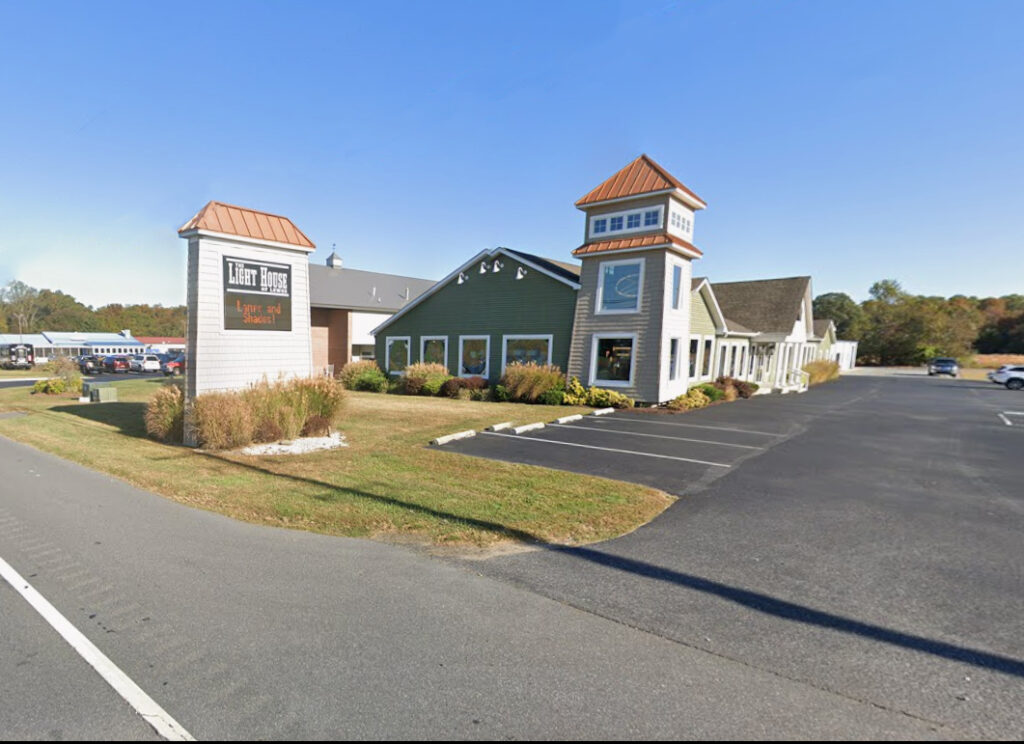
Buying an LED sign should be simple, but most buyers walk into the process without the information they need. LED signs look similar on the surface—same size, same pixel pitch, same resolution—so it’s easy to assume they all perform the same way. That assumption creates costly mistakes. If you’re planning to invest in an LED sign this year, here are seven common mistakes that affect performance, longevity, and overall ROI. 1. Focusing Only on Size Instead of Visibility Many buyers choose a size first and visibility second. They assume a bigger sign guarantees better results, but legibility depends more on pixel pitch and brightness than physical dimensions. Research from transportation visibility studies shows that legibility distance increases as pixel density increases, not size alone. Signs with tighter pixel pitch can improve readable distance by 20–40%, even at the same physical dimensions. Outdoor studies also show that brightness and contrast directly affect message recall, especially in daylight conditions. A well-sized sign with the right pitch and luminance will outperform a larger display that lacks the visibility needed for fast-moving traffic. 2. Ignoring Local Zoning Rules Until the Last Minute Many buyers choose a sign and then learn they can’t install it as planned. Common zoning issues include: Height restrictions Square footage limits Prohibited colors or animations Requirements for ambient light sensing Variances for digital conversion of old static signs National permitting surveys show that sign projects are delayed an average of 21–28 days due to unresolved zoning or paperwork. In some cases, the buyer has to redesign the sign completely, adding cost and time. Starting with zoning—before choosing the sign—prevents costly redesigns. 3. Choosing the Wrong Brightness Level for Traffic or Location Brightness isn’t just about competing with sunlight. It’s about distance, speed, and ambient light. Studies on on-premise digital displays show: Drivers take 2–3 seconds to read a typical message at 30–45 mph. Signs facing direct sun need higher peak luminance to maintain contrast. Signs under canopies or shaded areas may require different brightness profiles. Choosing a display with the wrong brightness range reduces message readability, which reduces ROI. Matching brightness to the direction the sign faces and its traffic approach angle makes a measurable difference. 4. Underestimating the Importance of Cabinet Construction Buyers often compare LED specs and ignore the cabinet—the structural backbone of the sign. But most long-term failures happen because of: Water intrusion Inadequate ventilation Expansion and contraction stress Corrosion Poor door or latch design Industry field data shows that moisture-related failures account for 30–40% of long-term service issues in outdoor digital displays. A strong cabinet design protects electronics, improves thermal stability, and extends operating life. If the cabinet isn’t engineered well, even the best electronics will struggle. 5. Assuming All Software Is the Same People often think software is a small detail, but it impacts everyday use. Common problems include: Limited scheduling tools Lack of cloud access No remote monitoring Poor content rendering Slow upload speeds Compatibility issues with certain media formats Digital communication studies show that ease of use increases message output frequency by up to 50%, meaning businesses with simpler software publish more messages and achieve better engagement. If the software is cumbersome, the sign won’t be used to its full potential. 6. Not Planning for Future Content Needs Businesses change. Messaging changes. Your sign needs to keep up. A national small-business marketing study found that over 60% of businesses update content weekly, and those that update more frequently report higher customer recall and engagement. Buyers often: Select a pixel pitch too coarse for future image or video needs Forget to plan for seasonal graphics Choose a sign too small for multi-line messaging Don’t consider daylight visibility for photo-based content Don’t plan for growth or expansion Planning content early ensures the sign you buy supports your future messaging—not just today’s needs. 7. Overlooking the Importance of After-Purchase Support Many buyers assume support ends after installation, but digital signs operate for thousands of hours every year. Even high-quality signs benefit from: Remote diagnostics Firmware updates Troubleshooting support Access to replacement modules and components Quick response when something goes wrong Industry data shows that strong post-purchase support can reduce downtime by 30–50%, especially for businesses that rely on daily communication. The strongest manufacturers offer long-term support, stocked parts, and teams who actually know the engineering behind the hardware. Why This Matters for Long-Term ROI Avoiding these seven mistakes has nothing to do with chasing the lowest price. It’s about choosing a sign that performs predictably, stays visible, and supports your business long after installation. Every LED sign runs for thousands of hours each year. The right decision comes from understanding visibility, construction, brightness, software, and support—not just the final quote. Why Solid-State Engineering Makes a Difference Solid-state LED technology runs continuously without moving parts or mechanical wear. When a display is engineered around stable components, proper thermal management, and weather-resistant construction, its performance curve stays consistent over years of operation. NEXT LED Signs builds around these principles—engineering displays that operate reliably, maintain visibility, and avoid the early failures that come from rushed or lightweight construction. With dependable support, stocked parts, and teams who understand the engineering, businesses get stability and longevity instead of surprises. If you want help selecting the right LED sign for your location, traffic, and long-term messaging needs, NEXT LED Signs can help you evaluate the options with clarity. FAQs: Common Mistakes People Make When Buying an LED Sign How do I choose the correct screen size and resolution for my digital signage viewing distance? Screen size and resolution should be based on legibility distance, not just available space. Visibility research shows that viewers need roughly 1 inch of character height for every 25–30 feet of viewing distance to read text comfortably. For LED signs, the relationship also depends on pixel pitch: tighter pixel pitch produces smoother text at closer distances, while wider pitch works for long-range viewing. A mismatch between pitch and distance is one of the most common issues that
The Real Cost of Cheap LED Signs (What Dealers Wish You Knew)

Cheap LED signs look tempting. You see the quote, compare the number, and think, “We can save thousands right here.” But that low price rarely tells the whole story. Over time, cheap hardware usually creates more service calls, more downtime, and earlier replacement. That is where cost over time (COT) and return on investment (ROI) really show the truth. This article walks through what dealers see every day when cheap LED signs hit the field. Why “cheap” is more than just the purchase price When a quote is several thousand dollars lower, it feels like a win. However, that price usually reflects hidden decisions. Cheap LED signs often involve: Lower-bin LEDs and weaker power supplies Lower starting brightness with very little headroom Minimal weather protection and cabinet sealing Limited parts inventory and rigid warranty terms Little or no dedicated support On paper, it is the same size sign with the same resolution. In real life, the long-term experience feels very different. Cost over time (COT): how the math actually works Cost over time looks at the whole life of the sign, not the first invoice. It includes: Purchase price Energy use Service calls and labor Replacement parts Downtime impact on traffic and sales Lifespan before full replacement Industry sources estimate LED displays can last between 50,000 and 100,000 hours, which works out to roughly 5–11 years, depending on daily usage and conditions. Quality, environment, and maintenance heavily affect where a sign lands in that range. Cheap hardware usually pushes signs toward the low end of that life curve, not the high end. That means more money spent sooner, even if the first bid looked lower. Some digital signage cost analyses show that “budget” hardware often piles up thousands of dollars in extra replacement and energy costs over five years. When you add service time and downtime, the total cost of ownership can jump far above the original “savings.” Brightness, nits, and why headroom matters Outdoor LED signs fight bright sunlight every day. That is why brightness, measured in nits (cd/m²), matters so much. Many experts recommend 5,000 to 10,000 nits for outdoor displays in full daylight, depending on the application and viewing distance. Lower than that, and sunlight starts to wash the message out. Let’s use a simple example. A high-quality sign is rated at 9,000 nits. You run it at 4,000–5,000 nits under normal conditions. As the LEDs slowly degrade over the years, you still have headroom. You can increase brightness in small steps to keep the message clear. Now compare that to a cheaper sign: It starts at 5,000 nits at full power. You already need most of that output just to compete with direct sun. As the LEDs degrade, you have nowhere to go. Visibility begins to fade, and the sign loses impact long before the electronics “die.” The result? You get a sign that is technically still on, but practically underperforming. That lost visibility chips away at ROI long before the warranty ends. Degradation and the “tired sign” problem LEDs do not fail overnight. They fade, shift color, and lose uniformity. Over years of 24/7 or long daily use, even good LEDs lose some brightness. Studies place typical LED lifespans around 50,000–100,000 hours, but that number only reflects the point where brightness falls to a percentage of the original value. With better components and good thermal design, the drop in brightness is slower and more even. The image still looks clean and legible. Cheap LEDs, weak power supplies, and poor heat management speed that decline. You start to see: Faded reds and washed-out colors Uneven patches or “dirty” areas on the screen Noticeable differences between older and newer modules A general “tired” look that makes the business appear dated From a cost over time perspective, that means your sign stops doing its job years before the electronics actually quit. Service calls: the cost nobody puts in the proposal Dealers see this all the time. Cheaper signs mean more truck rolls. Lower-cost components fail more often. Common problem points include: Power supplies Control systems Modules with poor sealing and water intrusion Connectors that loosen or corrode On the surface, a warranty sounds like protection. In practice, a low-price manufacturer’s process often looks like this: The customer must pull the bad module or power supply themselves. They have to ship it back for repair. The sign runs with a blank or glitched section for days or weeks. The repaired part comes back, and someone has to install it again. That is not “free.” Someone pays for: Diagnostic time Labor to remove and reinstall parts Shipping Lost impact while the sign looks broken or partially blank Some analyses estimate that downtime for small businesses can cost hundreds of dollars per minute in lost productivity and sales. Even if your sign downtime is not measured that way, the principle holds: when your main marketing tool looks broken, it costs you money. Parts availability: what happens in year three? Another hidden risk with cheap LED signs is parts inventory. Many low-cost suppliers buy components through commodity channels. They carry limited stock. When a part fails later in the product’s life, they may not have spares sitting on a shelf. That often leads to situations like: Long waits while parts are repaired instead of replaced Substituted components that do not match the original appearance Statements that the model is “end of life,” even though your sign should still be in its prime By contrast, higher-quality manufacturers design parts pipelines to support their signs for many years. That planning is part of the price difference up front, but it protects COT and ROI later. Cheap energy systems vs efficient designs Energy is another quiet part of cost over time. Digital signage cost breakdowns frequently highlight two things: Inefficient hardware increases electric bills by hundreds of dollars per year. Poor thermal management raises wear on components, creating more failures. While LED technology is generally efficient, there is still a gap between a well-engineered power
How Digital Signage Supports Hybrid Learning While Reducing Print Waste
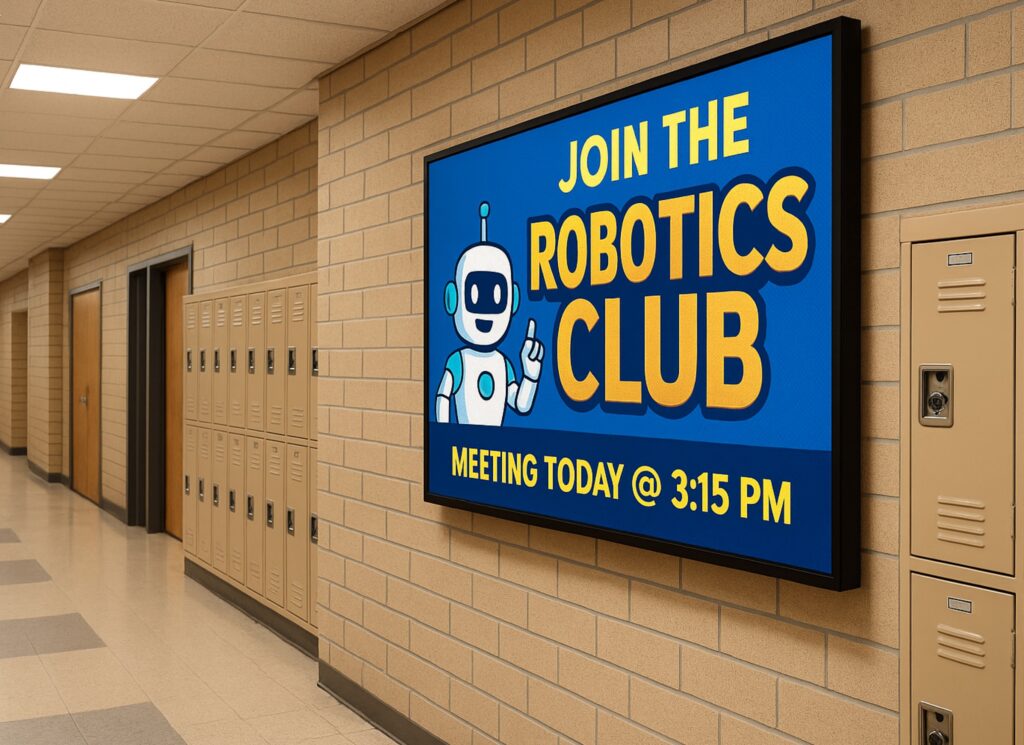
If you’ve ever looked at your current sign and thought, “This thing can’t keep up anymore,” you’re not wrong—and you’re definitely not alone. Across industries, businesses and organizations are moving away from static signage because it simply doesn’t match how fast communication happens now. A digital display isn’t just about looking newer. It’s about being able to respond in real time, stay relevant, and actually get noticed instead of blending into the background. https://www.youtube.com/watch?v=a9NNHPIRg7A Reaching Hybrid Learners More Effectively Hybrid learning requires two communication paths. Messages must reach the physical school and the remote classroom at the same time. Email and portals help, but they depend on users checking them. Digital signage removes that bottleneck. LED displays placed in hallways, entries, cafeterias, and front offices show updates instantly. These screens can pull information directly from scheduling systems, safety alerts, attendance tools, or district communication software. At the same time, the content can appear on remote dashboards, virtual classrooms, and school websites. Because of this, room changes, weather delays, and hybrid-schedule shifts reach students at the exact moment they need them. Real Examples From School Districts Many districts already use digital signage systems to support hybrid environments, and the results are measurable. George School (PA) built a campus-wide digital signage network that localized content by building but allowed schoolwide messages instantly. During hybrid schedule transitions, bell times and class rotations remained accurate across campus. Missed classes dropped by 18 percent. Staff also saved nearly four hours per week once reprinting stopped. Weston School District used a “fifteen-minutes-a-day” digital signage workflow. As a result, information reached families three times faster, and QR-based reminders increased parent engagement. Additionally, the district cut its paper usage by 70 percent. Avoiding reprints for schedule changes saved thousands in toner, maintenance, and staff hours. New York City Public Schools integrated digital signage into its AV and remote-learning infrastructure. Messages now appear on campus screens, remote dashboards, and school websites at the same time. This uniform visibility strengthened emergency readiness across 1,800 campuses and removed duplication between physical and virtual communication channels. Reducing Paper Usage at Scale Paper consumption in K–12 is far higher than most leaders realize. Federal estimates show that the average student uses about 10,000 sheets of paper per year. In a district with 2,000 students, that equals 20 million sheets annually. At roughly six cents per sheet for materials and labor, schools spend about $1.2 million every year on communication that often becomes outdated within hours. Digital signage can reduce paper consumption by 60 to 90 percent. Daily announcements, event reminders, and operational updates move onto screens instead of printers. As a result, districts cut spending on toner, copier service plans, reprints, and distribution labor. Even partial digital adoption saves hundreds of thousands of dollars per year. Operational and Sustainability Gains The operational impact is significant. When schedules change, staff no longer rush to update bulletin boards or reprint materials. When a storm affects bus routes or campus operations, digital signage delivers updates instantly without adding to staff workload. Sustainability gains matter as well. Cutting paper use reduces waste, protects natural resources, and lowers transportation emissions tied to paper manufacturing and delivery. Many districts now include digital signage reductions in sustainability reports to support state and community goals. A Stronger Technology Foundation For IT teams, LED displays and digital signage solutions offer more than convenient communication. They act as a scalable, secure infrastructure layer. Modern systems connect easily to district networks and support controlled, browser-based content management. Because they scale without complexity, they strengthen hybrid learning, emergency communication, and long-term modernization plans. Why NEXT LED Signs Is the Right Partner for Schools Schools need reliable digital signage that performs every day. NEXT LED Signs delivers durable LED signs built for school environments, clear visibility in any weather, and fast five-day shipping for many models. Districts also rely on our hands-off cellular connectivity and cloud-based controls, which make updates simple for busy administrators. Whether you need an outdoor LED sign at the school entrance or indoor displays that support hybrid learning, NEXT LED Signs provides dependable technology backed by responsive support. FAQs: Digital Signage for Hybrid Learning & Reduced Print Waste How does digital signage improve communication during hybrid learning?Digital signage delivers updates instantly to students and staff on campus, which is critical when schedules shift. Research in K–12 communication shows that real-time visual messaging increases message recall by up to 83% compared to text-only emails. This helps prevent missed classes and confusion during hybrid transitions. Can digital signage actually reduce paper waste in schools?Yes. The EPA estimates students use 10,000 sheets of paper per year, and districts adopting digital signage report cutting paper consumption by 60–90%. Even modest reductions translate to major savings in toner, copier repairs, and the labor required to distribute printed materials. Does digital signage help schools respond faster to schedule changes or emergen cies? How is it out thereIt does. Districts using digital signage report that urgent updates reach the school community 2–3× faster than paper or email alone. This rapid visibility is especially important during weather delays, transportation changes, or shifts between in-person and hybrid instruction. Is digital signage difficult for school staff to manage?Modern LED content platforms allow staff to update screens in minutes. Many districts use short, daily workflows—some as simple as 15 minutes a day—to keep messaging current. Most systems also integrate with existing scheduling, attendance, or safety platforms for automated updates. What sustainability benefits does digital signage offer?Reducing paper usage cuts both waste and the environmental impact of paper processing. Every million sheets of paper eliminated prevents roughly 12,000 pounds of CO₂ emissions, according to U.S. DOE sustainability data. Schools with district-wide signage deployments have added these reductions directly into their sustainability reporting. Does digital signage support both on-campus and remote learners?Yes. Content displayed on campus screens can also be mirrored to district websites, virtual dashboards, or learning platforms. This gives remote learners the same access to daily reminders, schedule updates, and safety alerts
How Colleges Use Digital Signage to Promote Events and Share Real-Time Updates
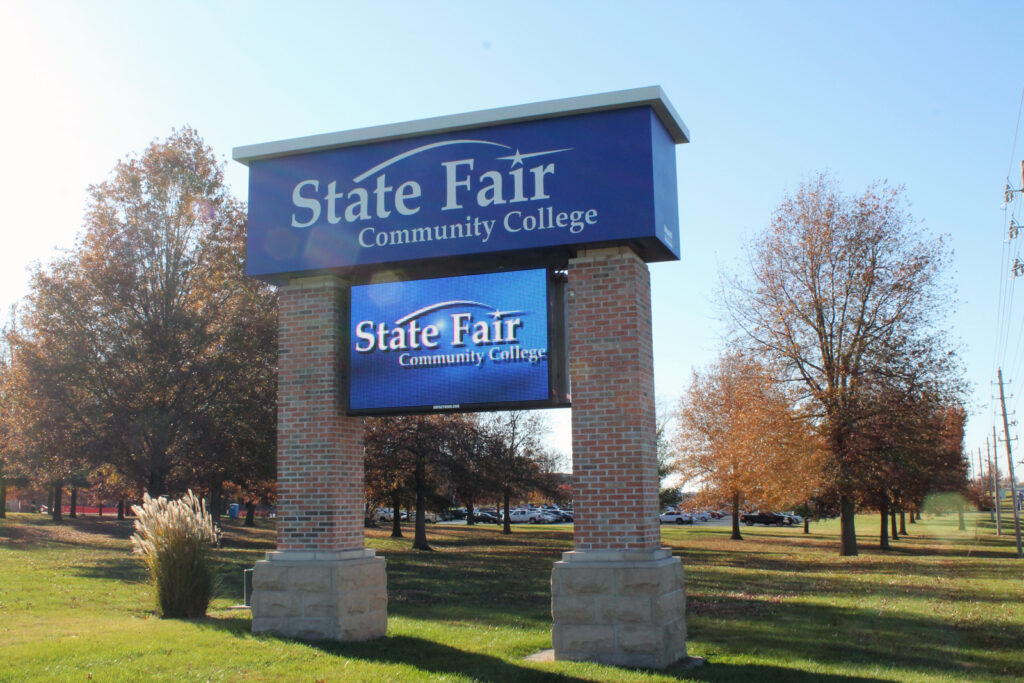
College campuses move fast. Classes shift, clubs meet, speakers arrive, sports schedules change, and half the time students only find out when it’s already too late. Digital signage fixes that problem. It gives campuses a way to promote events where students already are — walking through the union, grabbing food, heading to class, or waiting in line at the bookstore. And when it’s done right? Events get better attendance, last-minute updates actually get noticed, and the entire campus feels more connected. Why digital signage actually works on a college campus Students are overloaded with email. They swipe away app notifications. Posters blend into the wall after a day or two. But digital signs? Those get attention — because they move, they glow, and they feel current. Real examples back this up: Schools that switch from posters to digital event promotion often see big jumps in attendance, sometimes between 50–70%, especially for lectures, club events, and campus activities. Universities that use dynamic visuals (motion clips, countdowns, QR codes) report double-digit increases in turnout because the content is more noticeable and easier to act on. It’s not magic. Digital signs simply meet students where they already are — and show them things they didn’t know they wanted to attend. Turning your campus calendar into live event promotion Almost every college uses systems like 25Live or EMS to schedule events. The problem is students never see those calendars. Digital signage pulls that information out of the backend and turns it into real-time promotion that students actually notice. Here’s how the workflow looks: Someone adds or updates an event in 25Live/EMS. The signage platform reads that update instantly. Screens around campus refresh automatically — no extra work. If the location changes, the speaker is swapped, or the event is canceled, the signs update within seconds. That alone solves the biggest problem campuses face: information changes fast, but print does not. Building excitement, not just awareness Students don’t show up because they see a time and date. They show up because the event looks worth attending. Digital signage helps campuses add things that are hard to do on posters: quick video clips from last year’s event animations or bold graphics with school colors countdown timers for big events “Swipe here to register” QR codes real photos of students at past events highlights from clubs, teams, and performances One university case study showed a 30% jump in club attendance after they started featuring student photos and micro-videos on LED displays. Students paid more attention because they recognized people they knew. It’s social proof — and it works. Real-time updates when plans change Colleges deal with schedule changes constantly: rooms get switched speakers run late weather moves outdoor events inside buses get delayed recitals change start times Digital signage is built for those moments. Instead of another email blast that no one reads, staff can push an update to every relevant screen instantly: “Room change: Guest Lecture now in Hall B.” “Tonight’s concert moved indoors due to weather.” “Career Fair is full — check back tomorrow for waitlist openings.” It’s fast, accurate, and highly visible. Supporting Student Life and student engagement Student Life teams juggle dozens of small events — tutoring hours, residence hall programs, club meetings, identity group gatherings — alongside big events like Homecoming and Accepted Students Day. Digital signage helps them: rotate every group into the spotlight, not just the biggest players keep daily events visible without printing anything highlight smaller activities that often get overlooked share authentic student-created content show announcements in relevant buildings (e.g., engineering events in the engineering building) This supports a more inclusive campus experience. When students see their own organizations featured, they feel represented — and more likely to participate. What digital signage looks like when it’s used well Colleges that use LED displays effectively tend to follow a few simple patterns: “This Week on Campus” loop with the most important events Day-of reminders outside dining halls, libraries, and dorm entrances Live countdowns for major events Video teasers for concerts, plays, or guest speakers Wayfinding arrows for big events with lots of visitors Student highlights (“Why I joined Robotics Club”) QR codes that connect directly to registration or ticketing pages These are simple but powerful. Students only glance at screens for 2–4 seconds while walking, so the content has to be scannable. Why this matters for enrollment and campus culture When families walk through a student union or residence hall on a tour, they instantly notice when screens are active and current. It communicates: “Things are happening here.” “Students are involved.” “Campus life is vibrant, not flat.” That makes a difference — and not just for recruitment. It helps returning students feel more connected too. Digital signage isn’t just a communication tool. It becomes part of the student experience. Bring Real-Time Event Communication to Your Campus If your campus wants clearer messaging, stronger event turnout, and displays that update the moment plans change, NEXT LED Signs is here to help. Whether you’re gathering information, comparing options, or planning ahead for next year’s budget, we can walk you through what’s possible with modern LED displays. Contact us anytime — we’ll answer your questions, show you examples, and help you explore solutions that fit your campus needs. FAQs About Using Digital Displays for Campus Events and Real-Time Updates How can we instantly override all campus digital displays to broadcast emergency alerts and crisis communications? Most universities rely on a combination of the Common Alerting Protocol (CAP) and RSS emergency feeds to make sure messages reach every corner of campus fast. When campus police or emergency services issue an alert—like a lockdown, severe weather warning, or hazardous materials notice—the system automatically interrupts every display, replacing all scheduled content with a high-contrast, full-screen alert. Using CAP and RSS together ensures redundancy: if one feed is delayed, the other still triggers the override within seconds. Many campuses also tie the system into their existing mass-notification tools so displays, text messages, email, and sirens
How Versatile Are LED Sports Displays, and What Customization Options Do Schools Really Have?
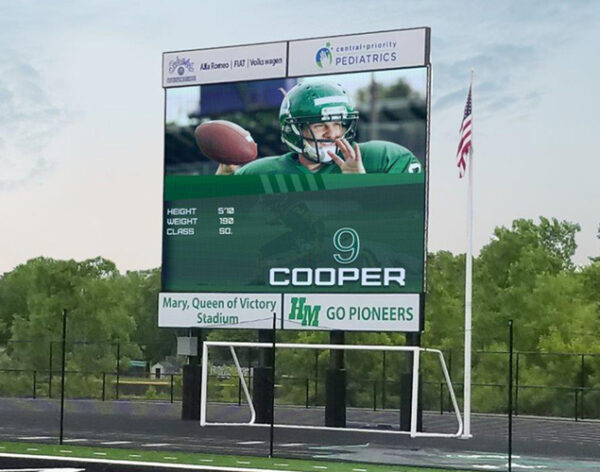
Modern LED scoreboards can handle far more than scoring. LED scoreboards have come a long way, and the biggest story isn’t the hardware — it’s the freedom schools now have with software, content, and customization. Whether you’re running Friday-night football, a wrestling tournament, or a swim meet, today’s displays can adapt to almost any sport, any layout, and any game-day experience. But versatility depends heavily on your software choices, not the panel itself. That’s the part most schools never hear during the buying process — and it can affect your scoreboard’s usefulness for the next decade. This guide breaks down what’s possible, what’s flexible, and what schools should know before they invest. Why Modern Sports Displays Are More Adaptable Than Ever LED displays themselves are inherently flexible. A single screen can show: Traditional scoring layouts Player stats Sponsor loops Hype videos Rosters and headshots Live video (with the right software/hardware) Animations and motion graphics Sport-specific score formats for dozens of varsity and club activities You aren’t buying a scoreboard that’s “just for football” or “just for volleyball.” You’re buying a digital canvas. The software determines everything else. That’s why schools need to understand the different paths — subscription-based scoring systems, one-time-purchase systems, manufacturer-locked systems, and open-platform systems that work with almost any vendor. Subscription Platforms: Lots of Features, Ongoing Costs Many high-performance scoring suites operate on a subscription model. Schools pay once for the onboarding and annually for: Software l stop Mollyport Extended warranties Multi-sport templates Training for staff and students These systems usually deliver the most polish and the easiest game-day workflow. They often offer: Doze there’s no there’s no hook up over here there’s no waterlaylists Integration with livestreaming Easy content scheduling Pros: Fast setup, strong support, constantly updated, works for nearly every school sport. Cons: Annual costs, and your display may rely on the software staying active. For schools with rotating game-day crews or student staff running the board, these platforms can be a lifesaver. One-Time-Purchase Platforms: Flexible but Scalable Other scoring systems operate under a one-time purchase model, but with multiple upgrade tiers. A school might start with: Basic scoring layouts Static sponsor spots Simple graphics packages Then grow into: Larger media servers More advanced animations Multisport expansion packs Courtside or sideline auxiliary displays The investment comes upfront rather than annually, but it scales based on what the school wants to achieve. Pros: No recurring fees, expandable, good long-term control. Cons: Bigger initial cost if you want a full pro-level experience. For schools wanting ownership without ongoing fees, this route can be ideal. Manufacturer-Locked Software: The Buyer-Beware Category Some scoreboard manufacturers only allow their displays to work with their proprietary software. This is rarely disclosed clearly. That means: You must use their scoring package You can’t switch vendors You may have required subscription renewals If you dislike the interface, you’re stuck If the vendor discontinues features, your board is limited Upgrades or new layouts may cost extra — or never arrive Schools often discover this after installation, usually when they try to expand functionality or add a new sport. This is why software flexibility is as important as brightness, resolution, or cabinet design. If you ever want to switch providers, use a different scoring engine, or add new event features, you need to know whether your board is open-platform. Open-Platform Scoreboards: Maximum Freedom This is where LED displays become truly versatile. Open-platform systems allow you to choose the software ecosystem that works best for your program. They support: Third-party scoreboard/scoring systems Third-party media servers Real-time data feeds Broadcast equipment Local PC-based scoring Cloud hush Mollym graphics engines Because LED signs simply receive video input, they can display almost anything a modern graphics or scoring engine outputs. That means: Football layouts today Wrestling tournament tomorrow Swim meet timing this weekend Pep rally hype reels next Friday The hardware isn’t the limit — the software is. Sport-by-Sport Customization Options Here’s what schools can realistically expect from a well-designed scoring and display ecosystem: Football Scoring, downs, possession Live video or replay (with the right system) Player stats Sponsor rotations Hype videos Basketball Player introductions Foul tracking Timeouts Shot clocks (when integrated) Photo and video content Volleyball Rotations Set wins Player stats Match intro videos Baseball/Softball Count, outs, base runners Pitch speed (when available) Lineups and photos Instant stat updates Wrestling / Swim Meets / Track & Field Lane assignments Heat sheets Brackets Timers Real-time results Multi-Use Events The biggest advantage? The same board can run: Graduations Concerts Movie nights Fundraisers Community events Scoreboard-free events that showcase pure video Versatility is the entire point. Training Matters as Much as Software Schools often overlook the operational side. Even with the best platform, you need: A trained game-day operator Someone responsible for content Backup staff A workflow for importing rosters Someone managing sponsor loops A plan for non-sports events When a system is intuitive, students can operate it — which is ideal. When a system is complicated, only one or two people can manage it, which becomes a problem when that person graduates or moves on. What Schools Should Look for Before Buying Here are the biggest indicators of long-term scoreboard versatility: Can we use any scoring software we choose? Are we tied to a single vendor? Are templates for every sport included? Can the system receive standard HDMI/SDI/NDI inputs? Does the software support video layering or only static scoring? Are there recurring license fees? Do departments or clubs need separate logins? Can we customize layouts without calling the vendor? Can students operate it with minimal training? If the answer to most of these is yes, your board will grow with your athletic program. Why Software Choice Matters More Than Hardware Two different schools can buy the exact same LED board — same size, same resolution — and end up with completely different capabilities based entirely on their software ecosystem. The scoreboard doesn’t create the experience. The software creates the experience. That’s why schools need to think long-term: What sports will
What Are the Content Ideas That Keep School Digital Signs Fresh and Engaging?
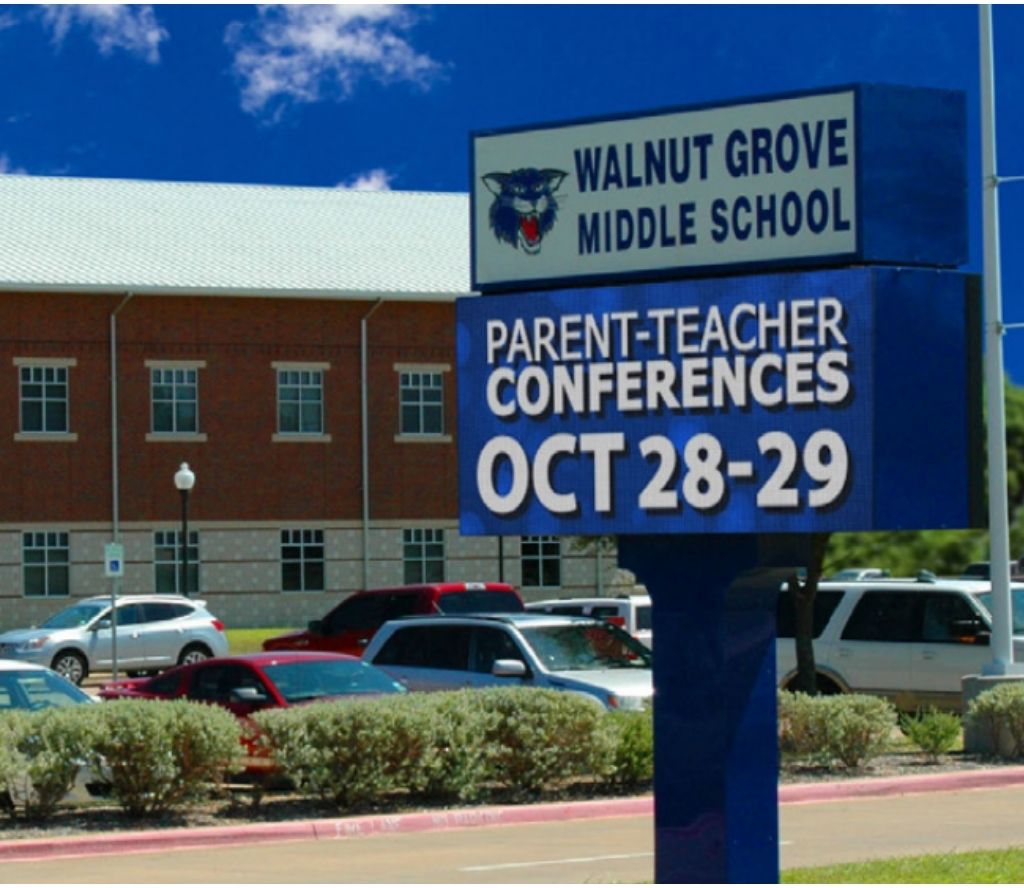
Why Fresh Content Matters in K-12 Environments Students absorb information visually, but they filter out anything that feels stale. Research from digital signage studies shows: Content variety increases attention by 32% when screens cycle through multiple formats rather than repeating the same visuals. User-generated content boosts engagement by 45%, especially among Gen Z students who respond to peer-created visuals. Viewers retain 65% of visual information when refreshed frequently compared to 10% for static text alone. In environments with regular message rotation, students were 28% more likely to recall upcoming events or deadlines. Fresh content isn’t cosmetic—it directly affects communication success. Student-Created Content (The Most Powerful Engagement Tool) When students create the messages, other students stop and look. One New Jersey high school ran a monthly “Message of the Month” contest. Students designed graphics, submitted animated ideas, and the winner earned bragging rights, lunch vouchers, and a spotlight on the school’s LED display. It achieved two things: It eliminated sign fatigue because content reflected student voice. It became part of the curriculum, integrating design, media production, and communication skills. Schools can use: Graphic design classes AV clubs Digital literacy programs Yearbook or broadcast teams Art classes experimenting with animation or typography Students feel ownership. The signs feel relevant. Weekly Themes to Maintain Novelty Without Overloading Staff Schools that adopt a rotation schedule see higher message recall. Examples: Motivation Monday: student quotes, teacher spotlights, or sports highlights Wellness Wednesday: nutrition tips, mental-health reminders, counselor messages Feature Friday: clubs, achievements, volunteer opportunities This structure provides the needed variety while keeping updates manageable. Research on rhythm in messaging shows that predictable but varied content cycles improve attention by 21% over static loops. Real-Time, Student-Relevant Information Students look at screens when the content affects their day. High-impact items include: Bell schedule changes Lunch menus Bus route alerts Sporting event reminders Weather or emergency updates Club meetings happening “today” A study on school communication found that time-sensitive messages increase student engagement by 46% because they’re immediately useful. Visual Richness: Use Movement, Color, and Format Mixes LED displays excel with motion. Research on screen-based learning shows that short animated elements increase retention by 38%, even if the animation is subtle. Use: Short loops (3–5 seconds) Light motion backgrounds Friendly transitions High-contrast school colors However, avoid overly complex motion, which can reduce readability for younger students. Recognize Students Often and Publicly Students stop scrolling their phones and look at LED signs when someone they know appears on it. High-impact content: “Students of the Month” Athletics wins Robotics awards Perfect-attendance shoutouts Art or writing features One Illinois district reported a 60% increase in student engagement after adding weekly student spotlights to their digital displays. Recognition builds pride—and attention. Use Your LED Signs as Part of School Culture When digital signage reflects the personality of the school, students see it as “their” message board, not an adult bulletin board. Try: Daily jokes from students Fun countdowns (holidays, dances, tests, spring break) Spirit week themes Artwork or photography Senior-class messages School trivia questions Gamified announcements increase engagement by up to 40%, according to EdTech behavioral studies. Promote Safety and Belonging Content that reinforces well-being stays top-of-mind: Anti-bullying messages Wellness reminders Kindness campaigns Cultural heritage celebration weeks This supports SEL goals while naturally rotating content. Keep Content Short and Rotating Quickly Studies show: Students stop watching after 6–7 seconds per message. A loop longer than 90 seconds decreases viewer attention by half. Shorter loops (45–60 seconds) ensure students see multiple messages at any stop point. Quick rotation also fights sign immunity. Include Faculty and Staff in the Content Pipeline Teachers and club leaders often have great ideas but no easy way to share them. Schools with high engagement create simple submission channels: Google Forms for content ideas Shared drive folders for images Monthly “content days” where departments send updates When teachers participate, content becomes more varied and lively. Use Classroom Curriculum to Feed the Signs Naturally Schools that integrate signage into existing subjects never run out of content. Examples: History classes create mini historical facts Science students build animated diagrams Math clubs share “Problem of the Week” Language departments share daily vocabulary Theatre departments post performance clips or rehearsal photos This solves the workload problem and reinforces classroom learning. Avoiding Sign Immunity: Best Practices To prevent message fatigue: Update weekly (minimum). Replace all static messages monthly. Avoid repeating the same image or color slate too often. Use different formats: photos, color accents, video loops, student voices. Tie content to the school calendar so it stays timely. Use student-generated content as your anchor. Schools that follow these steps see higher student awareness, stronger attendance at school events, and better communication flow. Ready to Keep Your School’s Messaging Fresh? If you want digital signage students actually notice, Next LED Signs can help your district plan the right setup. We can review your project, create a free rendering, and walk you through options that fit your goals. If you want pricing or need help comparing ideas, call us or request a quote anytime. We’re here to support your next step. Frequently Asked Questions About Keeping School Digital Signs Engaging How often should content be updated on school digital signs to maintain student engagement? Students stay engaged when signs feel current. A weekly refresh works well for general announcements, but daily updates improve recall for time-sensitive information. Research on school communication shows that content rotation every 3–5 days increases attention by 28%. Shorter loops and regular updates prevent sign fatigue and keep students checking the display. What types of student-generated content can schools safely and effectively display? Schools can safely use curated submissions such as club announcements, artwork, short animations, event posters, and approved photography. A simple review process avoids issues while giving students a voice. Districts that use moderated student content see higher engagement, because students pay attention when they recognize peers or their own work on screen. How can schools create dynamic, time-sensitive content like emergency alerts and bus delays? Time-critical messages should
Where Is the Best Placement for Digital Signs in a Retail Store?
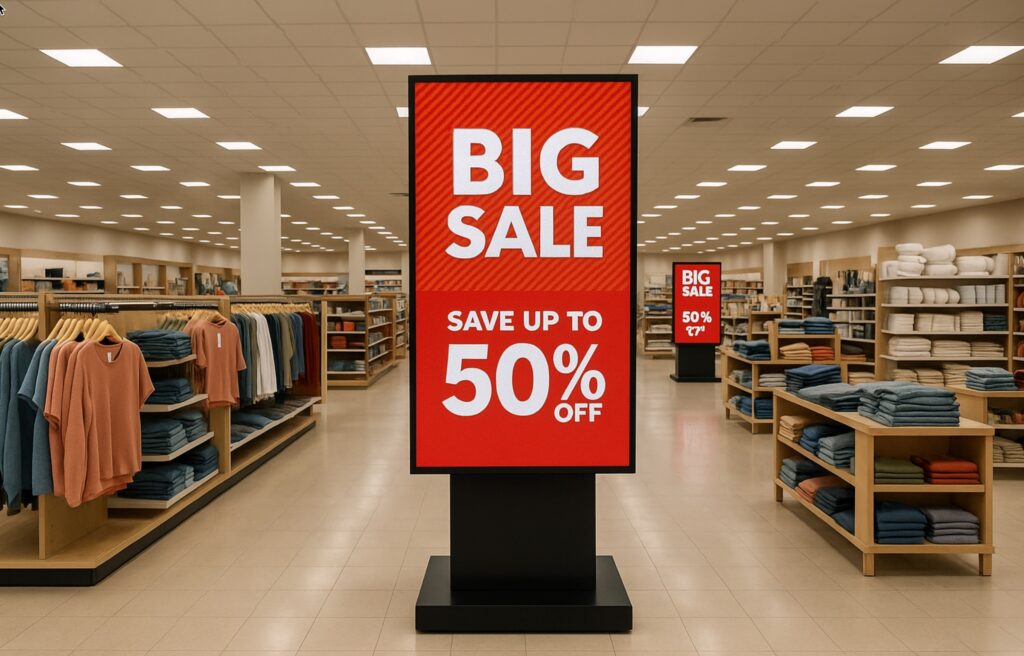
Retailers use LED displays to guide shoppers, highlight promotions, and create a more engaging in-store experience. Yet many businesses still wonder where these screens should go. Placement affects visibility, traffic flow, and how customers react to the message. The right location can increase sales, while the wrong location can make the display easy to ignore. Digital signs work best when they support how people naturally move through a store. They should spark interest, answer questions, or help shoppers decide faster. Entrance signs, aisle displays, and counter screens all play different roles in the buying journey. Understanding those roles helps retailers use LED displays more effectively and connect customers with the products they want to promote. Entrance Signs Draw People Into the Store The entrance is one of the highest-value spots for LED displays. Research shows that 76% of shoppers have entered a store because digital signage caught their attention near the entrance. That number alone explains why storefront displays matter so much. They operate like a visual invitation and give customers a reason to step inside rather than walk past. Bright motion catches the eye, especially when people approach from a sidewalk or parking lot. LED displays in storefront windows can highlight new arrivals, seasonal items, or daily deals. They can also create a welcoming feel before the shopper even reaches the door. Because people form first impressions quickly, entrance signs help shape how customers view the entire store. Window-Facing Signs Reach Both Inside and Outside Traffic Many retailers place LED displays inside the front windows, facing outward. This placement can grab attention outside the store while still benefiting people already inside. Shoppers who enter the store may glance at the display again, reinforcing the message. This repetition strengthens brand recall and helps featured items stay top of mind. Window displays are especially useful for stores in high-traffic areas. When shoppers see something interesting, they often feel more curious. That curiosity increases the chance they will stop, enter, and explore. Because LED displays update quickly, retailers can adjust messages throughout the day without changing physical signage. Aisle and Mid-Store Displays Guide Customer Behavior Many customers walk into a store without a plan. They browse, wander, and make decisions on the spot. Mid-store digital signs help guide that behavior by showing product ideas, comparisons, and quick explanations. They also drive traffic toward areas retailers want to highlight. LED displays placed along wide aisles or near transition points keep customers moving deeper into the store. Movement increases exposure to more products, which increases the chance of additional purchases. These screens also help customers understand promotions before they reach a product. A mid-store screen gives retailers space to educate, suggest, or inspire. Because shoppers read signage while they move, these displays should deliver simple messages that encourage the next step, not overwhelm them with details. Why Distance Matters: Promoting Products Farther From the Screen Works Better One surprising insight from retail research is that digital signs are often more effective when the promoted product is not directly next to the screen. Shoppers respond better when the item is located a few aisles away rather than right under the display. This happens for a few reasons. When a product sits directly beside the screen, customers know exactly what the store wants them to see. The message feels obvious. It feels like pressure, not guidance. People notice the screen, but they often walk past the product without engaging. However, when the LED display promotes an item located farther away, the experience feels more natural. A shopper sees the image or message, grows curious, and then moves toward the section where the product is displayed. This shift from “being told” to “discovering” changes the entire shopping experience. And that movement matters. When customers walk through the store, they pass more shelves, see more products, and spend more time browsing. That leads to higher basket sizes and stronger interest in the promoted item. LED displays become directional cues rather than advertisements sitting on top of a product. They serve the shopper, not the shelf. This insight is especially useful for seasonal products, high-margin items, and anything placed deeper inside the store. An LED display can act like a pointer that encourages exploration and increases overall engagement. Checkout Displays Support Add-Ons and Impulse Purchases LED signs near the checkout area work differently from entrance or mid-store displays. Customers here are ready to buy. They are in decision-making mode and are open to quick suggestions. Screens behind the counter can promote impulse items, service upgrades, loyalty programs, or limited-time offers. A well-placed checkout display reduces perceived wait times, which improves customer satisfaction. It also keeps shoppers engaged while they stand in line. Even short messages have strong impact because the customer is already focused on finishing their purchase. This placement works well for small accessories, seasonal add-ons, and items that pair naturally with common purchases. Although these screens do not drive exploration like mid-store displays, they help boost the final transaction value. High-Traffic Zones Create Natural Opportunities Retail stores have a few predictable traffic points: entrances, wide aisles, transitions between departments, and checkout lanes. Placing LED displays along these paths helps retailers meet customers where they already are. These spots get consistent visibility because people naturally slow down, turn, or stop. High-traffic signage should deliver messages quickly because shoppers do not spend much time in these areas. Motion graphics or simple visuals work well. The screen’s job is to capture attention, reinforce promotions, and guide customers toward the next step. The Right Placement Depends on the Goal Retailers should choose LED display locations based on what they want the sign to achieve: Entrance signs pull customers inside. Window signs reach both inside and outside traffic. Mid-store displays guide movement and reinforce curiosity. Screens promoting distant products increase browsing and exploration. Checkout displays encourage add-on purchases. Because each location plays a different role, using multiple placements often gives the best results. A mix of strategic entrance, aisle, and checkout
Know What It Takes To Design For LED Signs?
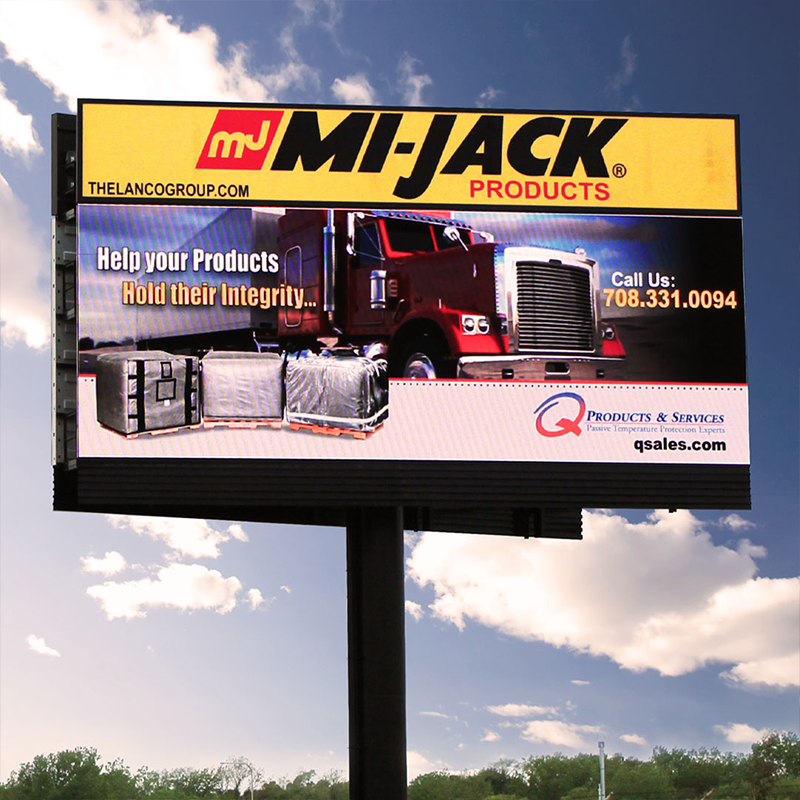
This post explains the simple design decisions that make LED sign messages easier for people to read and understand — even when they’re moving, driving by, or only glancing for a second. Designing for LED signs isn’t just graphic design at a bigger size. It’s a different mindset. People don’t stand still and study LED content. They’re walking past it, driving by it, or glancing up while doing something else. That means good LED design isn’t about packing in information—it’s about making a message land quickly, clearly, and without effort. When you focus on a few fundamentals—distance, hierarchy, contrast, timing, and motion—your content reads better, looks more polished, and actually gets noticed. Here’s how to think about LED design in a way that works in the real world. https://www.youtube.com/watch?v=TY6rAhOZeXY Start With How Far People Will Be From the Sign Imagine someone driving past at 30 mph. They’re not studying your message like it’s a brochure — they’re trying to read it in motion. That means: Text needs to be big enough to read easily from a distance. Thin fonts and tiny spacing just disappear when you’re 50–100 feet away. Smaller pixel spacing (pixel pitch) helps letters look smooth and clean rather than jagged. If you have to squint to read it, other people probably will too. Leading with the Most Important Info People don’t read LED signs word by word. They skim. So instead of trying to fit a paragraph on one screen, think like a friend telling you something quick: Say the most important thing first. Add one extra detail if you need it. Don’t put two different calls to action on one frame — that just makes people stop paying attention. Treat each screen like a short sentence in a conversation — simple and to the point Pick Colors That Pop (Without Trying Too Hard) Some color combos look great on a computer screen … but they get washed out when sunlight is hitting the sign. Here’s a simple way to think about it: Bright text on a dark background usually reads well. Dark text on a light background works too. Mid-tone colors? They often blur together from far away. Use your brand’s colors for emphasis — not for everything. Let the important words be the ones that jump out first. Keep Words Short and Display Time Long Enough If someone has only a few seconds to read your sign, long sentences don’t help. They just get lost. Think in short phrases, not paragraphs. Give each phrase enough time on screen so even slower readers can catch it. Two or three clean frames usually work better than one crowded one. This isn’t just theory — it’s how people actually read things when they’re moving. Motion Should Help, Not Distract A little movement can draw your eye to a message — but too much movement just becomes noise. Use subtle fades or slow slides — think of it like making someone turn their head just a bit, not whiplash. Quick flashing or wild animation might get attention for a second, but it usually makes the message harder to understand. Check How Light Affects Your Sign Places with bright sunlight, big windows, or mixed lighting can make a sign wash out. On bright days: Make sure text stays crisp. Don’t rely on pastel or washed-out colors. Bold text and punchy contrast help make sure people actually see it. This is real-world stuff, not theory. What Real Data Says About Good LED Design Good design doesn’t just look nice — it gets real results: Studies show digital signage can boost sales by about 32%. People report that screens can reduce perceived wait times by up to 35%. In head-to-head comparisons with static signs, digital often delivers 55–83% higher message recall. In other words — when your sign is easy to read and well-timed, it actually makes a measurable difference. Quick LED Design Checklist (Think Like a Human, Not a Robot) Before you finalize a message, run through this list: One clear idea per frame High contrast (easy-to-see color pairs) Big, heavy fonts with good spacing Short copy; no long sentences Motion only when it helps focus attention Final frame with the action you want them to take If you read it out loud and it sounds like something someone would say — you’re on the right track. FAQs About Designing Messages for LED Signs What is the “3×5 Rule” for digital signage text? To ensure a message is digestible for mobile audiences, professional designers follow the 3×5 rule: using either three lines of text with five words each, or five lines of text with three words each [Source: Texas A&M Marketing 2025]. This structural constraint ensures the core message is absorbed within a split-second glance without causing viewer fatigue [Source: George & Willy 2026]. How do I calculate the best letter height for long-distance viewing? A standard engineering benchmark for 2026 is to provide one inch of letter height for every 10 feet of viewing distance [Source: George & Willy 2026]. For example, if your LED sign is positioned to be read from 100 feet away, your primary text must be at least 10 inches tall to guarantee legibility for drivers [Source: LEDCraft Inc. 2025]. What are the 2026 standards for visual color contrast? Updated accessibility guidelines suggest a minimum contrast ratio of at least 3:1 between text and background for digital displays [Source: Texas A&M Marketing 2025]. High-visibility pairings like Black on Yellow or White on Blue are preferred because they maintain a brightness difference of at least 70%, ensuring the sign remains crisp in direct sunlight [Source: George & Willy 2026]. How does pixel pitch affect my content’s design resolution? The pixel pitch determines the “Visual Acuity Distance,” where pixels blend into a clear image. The industry “10x Rule” suggests multiplying the pixel pitch in millimeters by 10 to find the ideal viewing distance in feet [Source: SignsandLEDs 2025]. For instance, a 10mm pitch (P10) requires a viewing
How to Enhance Guest Experiences with Digital Signs for Your Hotel or Resort
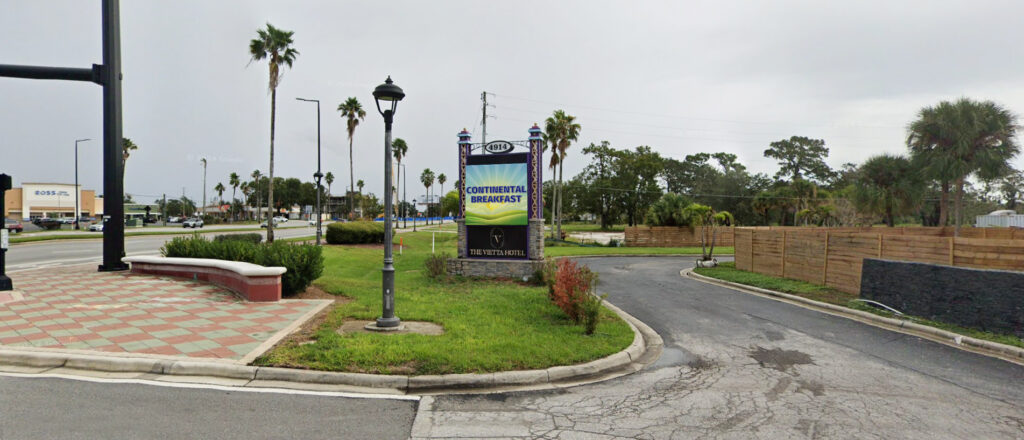
Digital signage in hotels and resorts is used to deliver real-time information, improve wayfinding, reduce guest friction, and support on-property services through indoor LED displays. This article explains how hotel and resort digital signage works, where it is most effective, and how it improves guest experiences across lobbies, events, dining areas, and check-in environments. Why use LED signage in hotels? Hotels change by the hour. Check-in volume shifts. Events start late. Weather rolls in. Shuttles run early or behind schedule. Printed signs can’t keep up with that. LED displays can. Because they’re bright and dynamic, guests notice them without trying. Motion naturally pulls the eye, especially in busy spaces like lobbies. That’s one reason digital content tends to stick longer in memory. Studies show recall rates as high as 83%, which matters when you’re trying to communicate quickly. More importantly, LED signage lets staff respond in real time instead of reacting after guests are already confused. https://www.youtube.com/watch?v=0rlPUWyYmE4 Where digital signage fits into the hotel experience In practice, hotel digital signage isn’t just one screen behind the front desk. It’s a connected system. Most properties use a mix of lobby screens, elevator displays, event boards, menu boards, and sometimes interactive kiosks. All of it runs through a central platform, which means content can change by location and time of day. Morning messages don’t look like evening messages. Conference guests see different information than leisure travelers. Emergency notices can override everything else instantly. From the guest’s point of view, it doesn’t feel technical. It just feels like the hotel knows what it’s doing. Digital signage can improve the guest experience in hotels Think about the moments when guests hesitate. They stop walking. They look around. They’re deciding whether to ask someone for help. That’s the moment signage should step in. Clear, timely information reduces uncertainty. Guests don’t have to wonder where to go or what’s happening next. They can see it. That’s why around 70% of hotel guests say on-property digital displays feel engaging or entertaining instead of annoying. When signage works, movement through the property feels smoother. Guests spend less time waiting and more time enjoying where they are. Some innovative uses of digital signage in hotels Hotels are moving beyond basic welcome screens. Some of the most effective uses are also the simplest. Interactive concierge displays help guests explore nearby restaurants, attractions, or walking routes without standing in line. In-room screens highlight spa openings or late checkout options at the right moment. Event boards update agendas when sessions move or run long. Large LED video walls in lobbies often serve a different purpose. They set tone. They anchor the space visually and naturally guide foot traffic toward dining or lounge areas without forcing it. The benefits of using digital signage in hotels On the practical side, digital signage reduces printing, speeds up communication, and keeps messaging consistent across the property. Hotels use digital signs for marketing. Effective hotel signage follows the rhythm of the day. Breakfast promotions make sense in the morning. Spa and pool messaging lands better in the afternoon. Entertainment and bar specials belong in the evening. When content aligns with guest mindset, it feels helpful instead of promotional. Retail data shows that digital signage can trigger impulse decisions. The same logic applies on property. When guests see relevant offers at the right time, they’re more likely to act. Digital signs reduce queues. Waiting feels longer when people don’t know what’s happening. Queue-adjacent screens help by setting expectations. They show what steps are coming next, how long the process might take, and what alternatives are available. QR codes for mobile check-in or directions to bag drop areas give guests options instead of forcing them to stand still. As self-service adoption grows, signage plays an important supporting role. It keeps lines moving without adding pressure on staff. On the revenue side, it influences behavior. Research shows that 19% of consumers make an impulse purchase after seeing a digital ad. In a hotel, that might mean a drink special catches someone’s eye or a spa offer feels timely instead of pushy. The key is that the signage supports decisions guests were already considering. Digital signage helps with hotel operations Operationally, digital signage becomes a live bulletin board. Staff can adjust check-in guidance during peak hours, redirect guests around temporary closures, or push out weather alerts instantly. That flexibility matters, especially when conditions change faster than staff can explain them. Self-service expectations also play a role. About 70% of U.S. travelers say they prefer app-based or kiosk check-in over a traditional front desk. Signage helps bridge that transition by explaining options clearly and reducing bottlenecks before they form. Frequently Asked Questions on Hospitality Digital Signage Strategies How does digital signage improve hotel guest satisfaction? Digital signs improve satisfaction by delivering real-time, automated answers to common guest questions regarding check-in times, available amenities, and local transit schedules [Source: AIScreen Hospitality 2026]. By providing clear wayfinding and event schedules without requiring direct staff interaction, guests feel more in control of their stay, which directly leads to higher Net Promoter Scores (NPS) and increased repeat bookings [Source: Hughes Hospitality White Paper]. Can digital signage actually drive hotel revenue? Yes, digital signage is a powerful upselling tool that naturally guides guest behavior toward high-margin areas such as on-site spas, restaurants, and lounges [Source: Play Digital Signage 2026]. By scheduling specific promotions—such as Happy Hour specials or spa discounts—during peak foot traffic times in the lobby, hotels can see an average revenue lift of 10–15% for on-site services [Source: Grand View Research 2025]. What content is most effective for resort and hotel lobby signs? The most effective lobby content includes high-contrast wayfinding, live shuttle or flight updates, and automated event schedules that keep guests informed without needing to ask staff [Source: George & Willy 2026]. Rotating this content frequently prevents “sign blindness,” ensuring that guests are consistently engaged with information about local specials and resort amenities that enhance their overall experience [Source: Rise Vision Dec
Creating a Premium In-Store Experience with LED Displays

When customers walk into a store, their first impression shapes how long they stay, how much they buy, and whether they return. LED displays play a big role in creating that premium in-store experience. Bright, dynamic visuals elevate the atmosphere, deliver information instantly, and set your brand apart from competitors. https://youtu.be/3ZAryOTVaoE What is retail digital store signage? Retail digital store signage refers to screens (LED displays, video walls, kiosks) installed inside shops, controlled by a centralized CMS, that dynamically present content like promotions, wayfinding, messaging, or interactive interfaces. These displays let stores update messaging instantly across locations and tailor visuals by zone or time of day without reprinting. What are the benefits of digital signs in retail? Digital signage offers speed, flexibility, and impact. Because screens can be updated, retailers eliminate printing cycles—saving cost and reducing waste. Visual recall is strong in hardware-enabled environments: digital signage enjoys an 83% recall rate, far surpassing static media. Customer behavior proves the payoff: 80% of customers say they entered a store because a digital sign caught their interest. And many retailers report average sales increases of 31.8% after deploying indoor digital signage. What type of signage is used in the retail store? Retail setups commonly include: LED displays and panels for product zones Video walls for striking visual centers Digital kiosks or interactive signage for self-service, product lookup, or loyalty logins Wayfinding screens in complex layouts Video walls often comprise 27% of the digital signage market and serve as attention magnets by anchoring focal areas. How do you use indoor LED signs to increase sales? Place displays near categories, point-of-sale, or high-interest zones. Use them to cross-sell accessories, highlight limited-time discounts, or rotate visuals that guide shoppers toward add-ons. Because digital signage captures 400% more views than static displays, you have a better chance at influencing decisions. At checkout, small screens or impulse messaging can drive incremental purchases: 19% of consumers report making impulse buys after seeing digital ads. What is the cost of an in-store retail digital store signage system? While hardware, software, installation, and training vary by scale, many retailers estimate that total system cost amortizes over 3–5 years through increased revenue and operational savings. You gain 30–35% reductions in advertising and printing costs and cut labor for signage changeovers. Is retail digital store signage easy to use? Yes—modern CMS platforms make it simple. Team users or store managers can swap visuals by location, schedule daily content, and preview changes. Because digital displays allow updates instantly, 95% of users rank ease-of-update among the top benefits. How is digital signage installed? Displays install via wall mounts, ceiling brackets, freestanding enclosures, or recessed setups. Media players plug into each display (or cloud-based systems stream content). Network connectivity ensures updates sync instantly. For retail chains, installs scale with rack-mount players and managed rollout plans. How can you use LED in a retail environment? Use LED displays for product showcases, ambient messaging, digital shelf tags, sizing guides, and window displays. LED panels excel in bright zones—thanks to high brightness and contrast—and can combine with touch capabilities for interactive features. Their modular nature allows video walls to scale across walls or pillars. How can a small business maximize in-store signage? Start with a few high-impact zones—entrance, checkout, and a cross-sell aisle. Use templated content you can rotate weekly. A/B test messages. Use your display network as a mini retail media network by showcasing brand partnerships. Even one display can pay for itself when paired with smart content and location strategy. What content ideas drive sales and engagement? Run rotating promotions, spotlight top sellers, use subtle motion to draw attention, run loyalty or member offers, countdown timers for flash deals, and display product testimonials or social media feeds. Tailor by daypart—morning, lunch, evening. Mix brand storytelling with hard sells to keep environments engaging. What should be displayed on digital signage in a store? High-level recommendations: Short headlines and supporting lines Clear call to action (e.g. “See this at aisle 5”) Imagery or video with product visuals Dynamic offers that change by time or inventory Localized content per store Wayfinding cues Loyalty or coupon prompts How can digital signage enhance the in-person shopping experience? Good signage informs, engages, and reduces friction. It helps shoppers find what they want, highlights helpful options, and delivers timely offers. Rather than wandering, customers feel guided. That sense of clarity, coupled with visual dynamism, transforms a store into a smart, immersive environment. Why NEXT LED Signs is the Right Choice Delivering a premium in-store experience requires technology that is bright, reliable, and easy to manage. NEXT LED Signs manufactures indoor LED displays engineered for clarity and performance. Our video walls and programmable signage are designed to capture attention, guide customers, and enhance brand presence. Every display comes with cloud-based software for simple updates, giving retailers the flexibility to keep content fresh and relevant. With in-stock products, fast five-day shipping, and strong dealer support, NEXT LED Signs makes it easy for retailers to create in-store experiences that customers remember. Ready to elevate your store with a premium in-store experience? Contact NEXT LED Signs today for a free quote and see how fast, reliable LED displays can transform your retail space.+ FAQs About LED Signage for Retail Stores How quickly can retailers see ROI from in-store digital signage?Many programs reach positive ROI in 6–18 months, and some case studies report payback in ~11 months depending on scale and content effectiveness. Where should stores place signage to improve wayfinding and reduce shopper stress?Put displays at decision points (entrances, aisle junctions, service counters). Smart wayfinding has been shown to cut shopper stress by ~20%, which helps keep dwell time and satisfaction up. Does dwell time on digital displays correlate with better outcomes?Yes—longer on-screen engagement is linked with up to 30% higher recall and up to 20% higher conversion rates when content is relevant. Are LED displays the preferred hardware for retail digital signage?Yes. The LED segment accounts for roughly 48.5% of the retail digital signage market,