Tag

Outdoor LED Displays

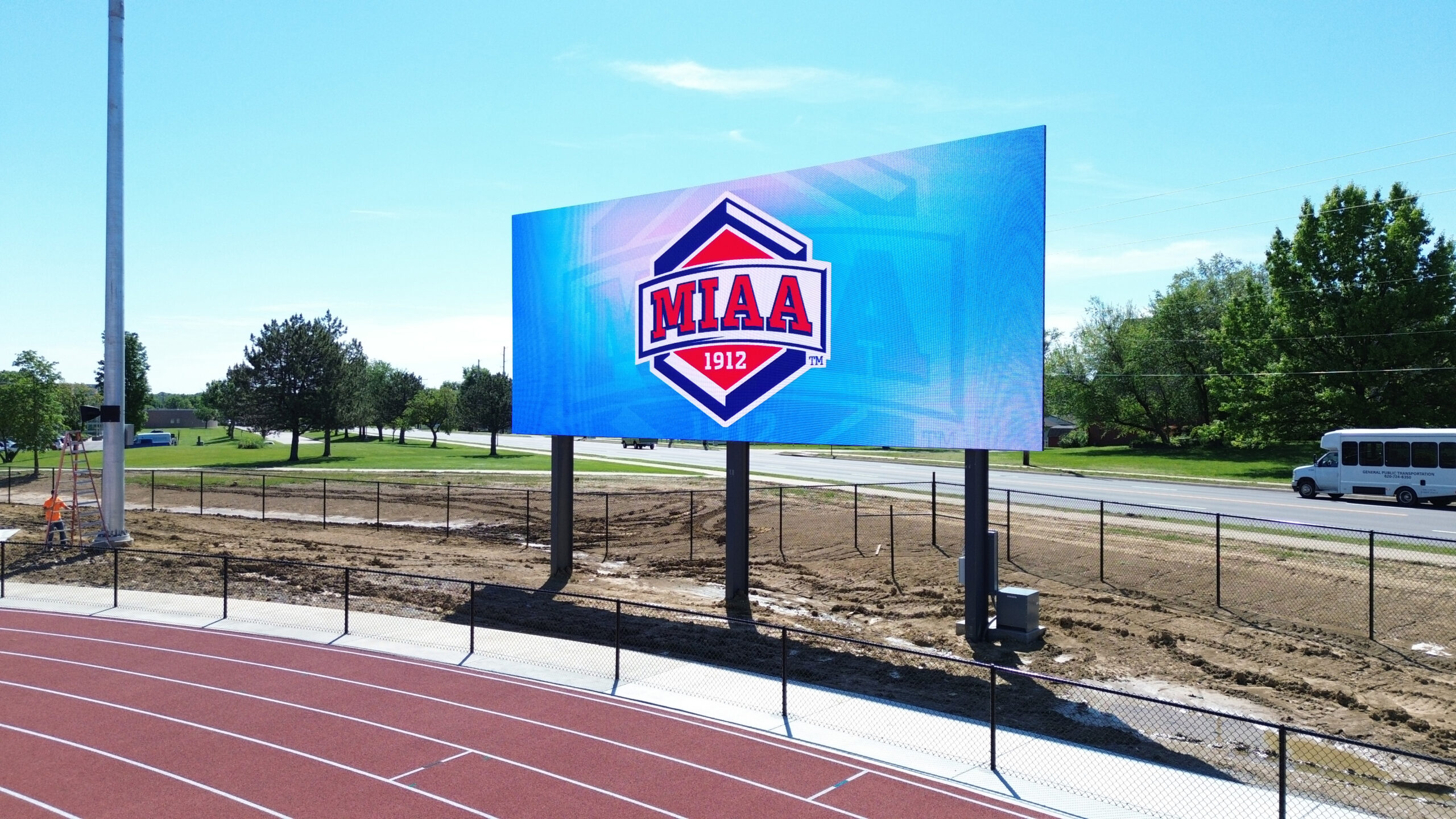
High-brightness LED electronic message center with MIAA 1912 logo by a running track; road, trees, and white bus in background.

Choosing the Right Pixel Pitch for a Sports Scoreboard or Video Board

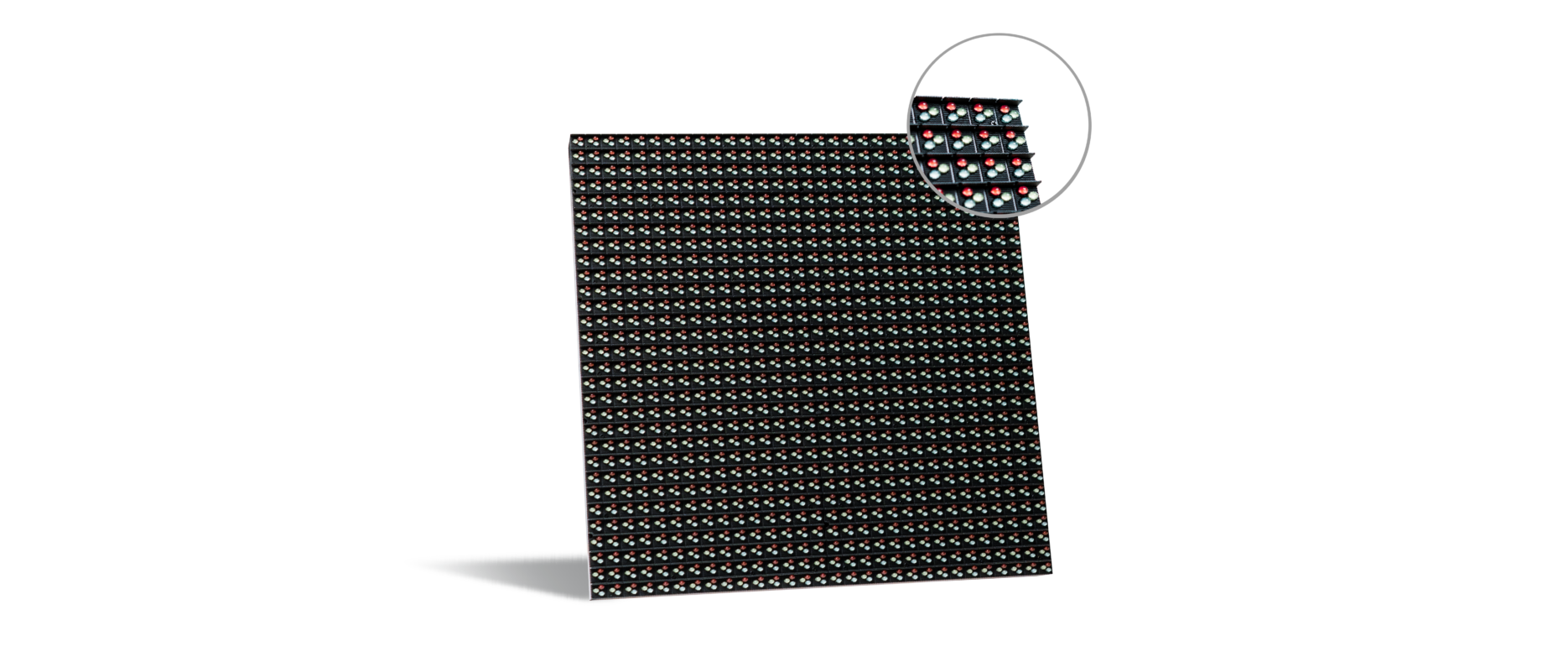
When selecting an LED scoreboard or sports video display, screen size is only part of the decision. Pixel pitch also plays a major role in how sharp the content appears, how close spectators can sit and how much the display will cost. The goal is not always to purchase the tightest pixel pitch available. It is to select the resolution that delivers a clear, engaging experience from the distances where fans will actually view the display. What Is Pixel Pitch? Pixel pitch is the distance, measured in millimeters, between the centers of two neighboring LED pixels. A P4 display has pixels positioned approximately 4 millimeters apart, while a P10 display has approximately 10 millimeters between pixels. The smaller the number, the more closely packed the pixels are. A smaller pixel pitch generally provides: Greater image detail Smoother text and graphics Better visibility at close distances More pixels within the same display area A larger pixel pitch can still produce an effective image when the audience is farther away. From the proper viewing distance, individual pixels blend together to create a clear, unified picture. SMD LED pixels contain red, green and blue light within each pixel package. Pixel pitch measures the distance from the center of one pixel to the center of the next. Why Viewing Distance Matters The closest viewers usually determine the appropriate pixel pitch. Fans seated courtside may be only a few feet from a display, making a fine pixel pitch important. Spectators in a football stadium may be hundreds of feet from the main video board, where a larger pixel pitch can provide excellent visibility without adding resolution that the audience cannot appreciate. As a general guide: P2.5: Recommended minimum viewing distance of approximately 8 feet P4: Approximately 13 feet P6: Approximately 20 feet P8: Approximately 26 feet P10: Approximately 33 feet P12: Approximately 40 feet P16: Approximately 53 feet P20 and above: Approximately 66 feet or more These distances are useful starting points. The final recommendation should also account for the display’s physical size, content, location, brightness requirements and whether it will be installed indoors or outdoors. Recommended Pixel Pitch by Sports Application Basketball Scorer’s Tables and Courtside Displays Typical viewing distance: 20–80 feetSuggested pixel pitch: P2.5–P4 Courtside displays are viewed from relatively close distances and frequently present sponsor logos, animations, statistics and promotional messages. A tighter pixel pitch keeps text and graphics sharp for spectators seated near the court while also improving the display’s appearance in photographs and video coverage. Indoor End-Wall Displays Typical viewing distance: 50–150 feetSuggested pixel pitch: P4–P6 An indoor end-wall display must be visible from seating throughout the gymnasium or arena. P4 to P6 commonly provides a strong balance between image detail, viewing distance and overall value for these applications. This range works well for scores, player graphics, school branding, sponsor messages, animations and video content. Indoor Main Video Displays Typical viewing distance: 75–200 feetSuggested pixel pitch: P4–P8 Larger indoor facilities may require a main display capable of showing live video, instant replays, player introductions, statistics and sponsor content. The proper choice within the P4-to-P8 range depends on the closest seating, display size and level of detail in the content. Facilities with nearby seating or detailed video content may benefit from a tighter pitch. Displays viewed primarily from farther seating areas may perform very well with a larger pitch. High School Football Video Boards Typical viewing distance: 100–300 feetSuggested pixel pitch: P10–P16 Outdoor football displays are generally larger and viewed from much farther away than indoor scoreboards. A P10-to-P16 display can provide effective long-distance visibility for scores, video, graphics, school branding and advertising. Brightness and weather protection are also especially important for outdoor installations. The display must remain visible in direct sunlight and withstand changing environmental conditions. College and Professional Stadium Displays Typical viewing distance: 200 feet or moreSuggested pixel pitch: P16 and above Very large stadium displays are designed for long-range viewing. Because spectators are often hundreds of feet away, a larger pixel pitch can still create a strong visual experience—especially when paired with the correct display size and well-designed content. The total display dimensions, seating configuration and content plan should be evaluated together. A large screen with an appropriate pixel pitch can be more effective than a smaller screen with unnecessarily tight resolution. Pixel Pitch Is Only One Part of the Decision Viewing distance is the best place to begin, but it should not be the only consideration. A sports display should be designed around the complete venue and the way the screen will be used. Important considerations include: Distance from the closest and farthest spectators Indoor or outdoor installation Overall dimensions of the display Type and complexity of the content Text size and scoring information Live video and instant replay requirements Sunlight and brightness conditions Camera and broadcast visibility Available budget Content matters, too. A display used mainly for large scores and simple graphics may not require the same resolution as one showing detailed video, small statistics, sponsor advertisements and player profiles. The Best Pixel Pitch Is the One That Fits the Venue A tighter pixel pitch is not automatically the best choice, and a larger pitch does not necessarily mean poor image quality. The right solution provides the resolution spectators can appreciate from their actual viewing distance while making responsible use of the project budget. NEXT LED evaluates the venue, audience, display size and content goals before recommending a sports display. This helps schools, colleges and athletic organizations invest in a system that delivers the right visibility, experience and long-term value. OK Planning a New Sports Scoreboard or Video Display? Talk with NEXT LED about your venue, seating distances and content goals. We can help determine the appropriate display size and pixel pitch for your facility. NEXT LED Signs can help you think through the practical side of the decision, including scoreboard size, placement, visibility, sponsor messaging, content control, and long-term use. Call 888-359-9558 to talk through your scoreboard project. Call Now Contact Us
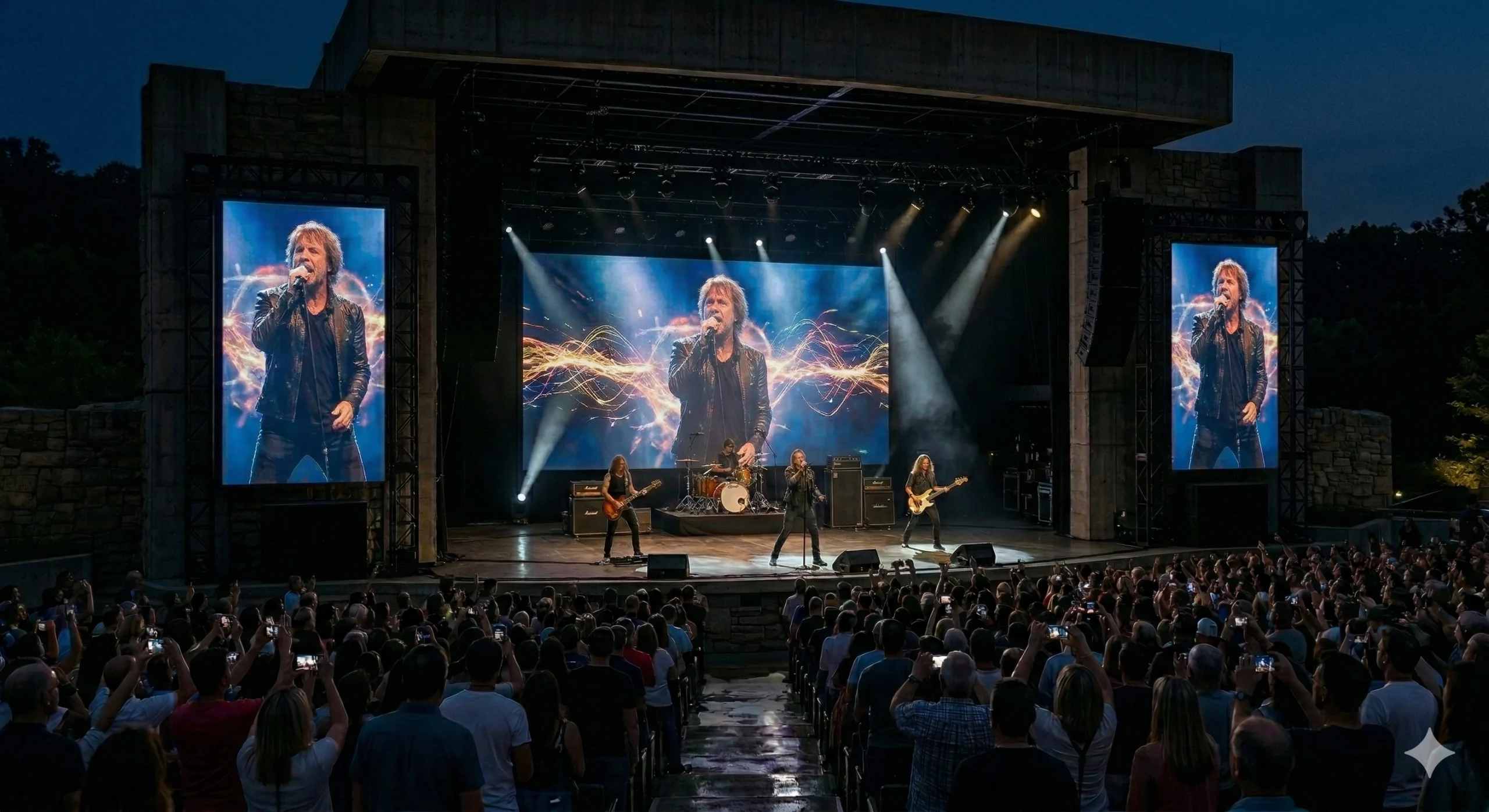
Outdoor rock band performs at night before a large crowd. Three high-brightness LED signs show lead singer. Stage lit brightly.

High-Refresh-Rate LED is the New Standard for Outdoor Amphitheaters

For amphitheaters in 2026, great sound is only part of the story. Fans expect a venue to look unforgettable too. That matters even more now that concertgoers are constantly recording and sharing clips online. When people post from a show, they are not just capturing the artist. They are showing the stage, the screens, the atmosphere, and the overall energy of the venue. That is why LED video walls have become such an important part of amphitheater design. High-refresh-rate displays help eliminate the flicker that shows up on smartphone video. High-brightness outdoor screens stay visible even in afternoon sunlight. Edge-to-edge LED wraps around the stage can also make the performance feel more immersive, which supports fan engagement and stronger sponsorship value. Recent data from Sprout Social, Live Nation, AVIXA, Fortune Business Insights, and The Business Research Company all point in the same direction: venues that invest in better digital architecture are building experiences fans want to remember, share, and come back for. Why refresh rate matters more than most venues realize The audience is no longer limited to the seats inside the amphitheater. It also includes the people who watch clips later on TikTok, Instagram, and other social platforms. If your LED screens show scan lines, flicker, or that rolling distortion people sometimes catch on their phones, the venue instantly looks dated on camera. That is not just a technical problem. It is a branding problem. According to the 2026 Sprout Social Hospitality & Entertainment Index, 94% of fans post to social media during a show. That makes screen performance part of your public image. A high refresh rate, especially at 3,840 Hz or higher, helps keep the content looking solid and clean when fans record it on smartphones. Instead of black bars or water-like ripples, the video looks smoother, brighter, and more professional. In practical terms, that means your venue is not just performing well in person. It is also performing well online, where future ticket buyers are forming impressions. Source: Sprout Social Hospitality & Entertainment Index, 2026 / VMX Visual Technical Standards Why the screen is no longer just for the back row There was a time when amphitheater video screens were mostly there for magnification. The goal was simple: help the people farthest from the stage see the performer. That is no longer enough. Today, the screen is part of the experience itself. Venue owners are using 90-degree corner designs, stage wraps, and integrated LED architecture to create a bigger visual environment around the performance. Instead of acting like a support tool, the display becomes part of the show. That shift matters because fans are responding to the atmosphere as much as the performance. Live Nation’s 2025 Living for Live Global Study found that 77% of fans said the visual atmosphere of the stage made them feel part of something bigger. That kind of emotional connection helps explain why people are willing to pay more for a live event that feels immersive and memorable. When the visual environment feels intentional, the venue becomes part of the attraction. Source: Live Nation Entertainment, Living for Live Global Study, 2025 Why outdoor brightness affects real revenue Afternoon shows create a challenge that many amphitheaters know too well. If the sun washes out the screens, the content loses its impact right when sponsors and opening acts still need visibility. That is where brightness becomes a business issue, not just a spec sheet detail. Data from 2025 Pro AV Digital Signage Analytics shows that venues upgrading to high-brightness displays in the 5,000 to 10,000 nits range saw a 20% increase in daytime sponsorship recall. In other words, when the screens stay visible in harsh daylight, the sponsor message has a better chance of being noticed and remembered. That is a big deal in outdoor entertainment, where early sets, festival schedules, and daylight programming can make up a substantial part of the event window. If the screens look weak for those hours, part of the sponsorship value disappears with them. Source: AVIXA / Fortune Business Insights, 2025 Why sponsors want more than banners now Sponsors are also asking for more than static branding. They want the kind of digital control that lets a venue create a coordinated visual moment. With an integrated LED network, a venue can shift from artist content to sponsor content across multiple displays at once. Stage wings, concourse displays, entry points, and other screens can all work together during intermission, set changes, or special activations. That creates a level of presence a printed sign cannot match. The 2026 Sports & Entertainment Sponsorship Market Report points to this type of integrated activation as one reason the sponsorship sector is growing at a 6.6% compound annual growth rate. Brands are moving away from fragmented exposure and toward experiences that feel more exclusive and more immersive. Venues that can support that kind of coordinated activation are better positioned to attract premium sponsorship opportunities. Source: The Business Research Company, Sports Sponsorship Market Report, 2026 Why amphitheater LED design now shapes the entire venue experience For today’s venues, LED architecture does much more than support the performance. It shapes how the venue looks on camera, how the crowd feels in the moment, and how sponsors measure value afterward. That is why refresh rate, brightness, and integrated design matter so much. A high-refresh-rate screen helps the venue look polished in fan-generated video. A high-brightness display protects visibility during daytime performances. A fully wrapped stage environment creates the kind of immersive atmosphere that fans talk about long after the show ends. For amphitheater owners, that makes LED design part of the venue’s long-term reputation. The better the visual experience, the more likely fans are to share it, remember it, and associate that venue with a premium live event. Digital signage transforms the waiting room experience by educating, engaging, and informing patients while reducing frustration. With proven benefits, including shorter perceived wait times, increased efficiency, and enhanced communication, digital displays play a crucial role in modern

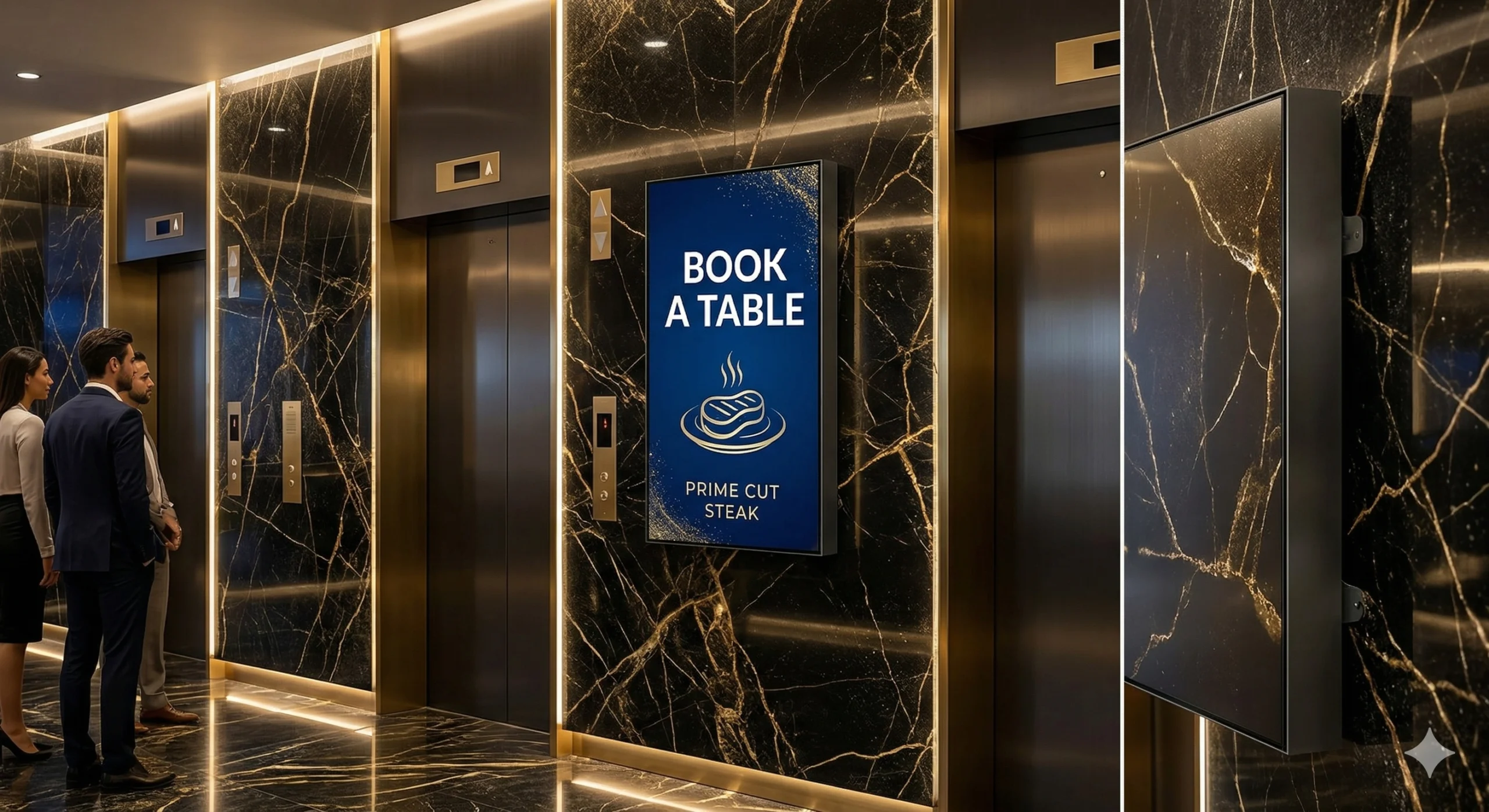
Two people by black marble elevators beside a high-brightness LED sign showing BOOK A TABLE, steak graphic, and PRIME CUT STEAK.

Integrated Resorts Increase Non-Gaming Revenue with Immersive LED Architecture

Casino resorts are making money in a different way than they did a decade ago. The biggest gains are no longer tied only to the gaming floor. More of the financial pressure now sits on rooms, restaurants, bars, retail, and the overall guest experience. That shift is changing how properties think about design. Instead of treating hallways, elevator banks, check-in counters, and premium lounges as simple transition spaces, many resorts are turning them into digital environments that hold attention and support spending. Surface-mounted, edge-to-edge LED displays are helping create those spaces by adding motion, atmosphere, and visual storytelling where guests already spend time. Recent data from the Nevada Gaming Control Board, the Experience Design Institute, the 2026 Global Hospitality Analytics Report, the 2025 American Express Travel Global Trends Report, and the 2026 Sprout Social Hospitality Index all point to the same conclusion: when a resort feels immersive, guests stay engaged longer, spend more in non-gaming areas, and are more likely to share the experience with others. When the resort experience drives the revenue For years, the casino floor carried the weight. Restaurants, hotel rooms, and lounges supported the main attraction. That model is changing. According to the Nevada Gaming Control Board’s April 2025 Abstract covering the fiscal year ending June 30, 2024, non-gaming activities including rooms, food, and beverage accounted for 64.2% of total revenue for large-scale Nevada licensees. That number matters because it confirms that the guest experience away from the gaming floor is now doing more of the heavy lifting. That changes the design conversation. If most of a resort’s revenue is coming from hospitality rather than gaming, then the spaces between destinations start to matter more. A hallway is no longer just a hallway. A check-in line is no longer just a queue. A premium bar is no longer just a waiting area before dinner. Each one becomes a place where atmosphere, anticipation, and visual impact can influence guest behavior. Why dwell time matters more than ever When non-gaming revenue drives the majority of performance, guest attention becomes a real business asset. The longer someone stays engaged in a premium zone, the more opportunity a property has to increase food and beverage sales, retail activity, and overall spend. The Experience Design Institute’s 2025 white paper on immersive environments found that architecturally integrated digital spaces extended average guest dwell time by 18 minutes. The same research found a direct connection between time and spending: every additional 10 minutes a guest spent in a premium lounge or transition zone was associated with a 6.4% increase in food and beverage capture rates. That is why LED architecture has become more than décor. It gives resorts a way to slow the moment down. A visually compelling space feels intentional. It invites guests to pause, look around, and take in what is happening. That extra attention can translate into stronger spending in the spaces that now matter most. Turning check-in into a revenue opportunity One of the most overlooked spaces in many resorts is the front desk. Guests are standing there anyway, but too often the area does nothing except process arrivals. Ultra-wide LED ribbons behind the check-in counter can change that dynamic. Instead of showing a blank wall or static backdrop, the property can use motion content to introduce the guest to what matters most inside the resort. A steakhouse, headliner, rooftop lounge, spa, sportsbook, or premium cocktail bar can all be featured before the guest even reaches the elevator. That matters because it turns waiting time into preview time. The display is not just filling space. It is shaping the guest’s first impression and helping guide where they may spend later that day. The 2026 Global Hospitality Analytics Report found that properties using dynamic architectural features saw a 124% increase in profitability in the specific zones where those displays were installed, including bars and retail corridors. That kind of result helps explain why resorts are rethinking where digital displays belong and what they should do. Why tech-forward design now feels like part of luxury This shift is also being pushed by guest expectations. Younger high-spending travelers have grown up in visually rich digital environments, and they notice quickly when a property feels dated. The 2025 American Express Travel Global Trends Report found that 73% of Millennial and Gen Z travelers prioritize resorts that offer visually immersive and tech-integrated environments. That does not mean every space has to feel like a nightclub or a gaming arena. It means the environment has to feel current, considered, and memorable. For casinos and integrated resorts, that creates a new standard. Luxury is no longer defined only by finishes, furnishings, and square footage. It is also shaped by how the space feels in motion. A property that delivers strong visual energy in the right places can feel more current, more premium, and more shareable. The social media advantage of immersive design There is also a marketing benefit that goes beyond the guest already on site. Some spaces naturally encourage photos, video clips, and social sharing. That kind of response is hard to buy because it comes from the guest, not the brand. The 2026 Sprout Social Hospitality Index found that resorts featuring digitally enhanced architectural elements saw a 40% higher rate of user-generated content. That matters because every photo or short video shared from a visually distinctive resort becomes another layer of exposure. It helps reinforce the property’s identity and extends the experience into social platforms where future guests are already looking for ideas. In other words, immersive LED architecture does not just influence the people standing in front of it. It can also influence the next round of guests who see it later online. Why this matters for casinos now Casino resorts are under more pressure than ever to make every zone work harder. If non-gaming revenue now drives most of the business, then design decisions have to support that reality. LED architecture gives properties a way to turn underused spaces into active

Full color LED digital display at Southern University - Baton Rouge, LA.

The First 10 Minutes: How Large-Format LED Entryways Revolutionize Fan Engagement and Stadium ROI

Modern stadium management is shifting its focus from the “seat experience” to the “arrival experience.” With fan sentiment often cemented within the first 10 minutes of arrival, the stadium entryway has become the most critical real estate for engagement. This article explores the strategic implementation of large-format outdoor LED displays at primary gates—not merely as signage, but as revenue-generating “First Impression” engines. By leveraging high-brightness, edge-to-edge LED technology, venues can drive a 32% increase in pre-game sentiment, secure 20% higher sponsorship premiums through digital takeovers, and reduce concourse congestion by accelerating wayfinding. For the modern venue, the entryway LED is the bridge between a simple ticket scan and a premium fan experience. https://www.youtube.com/watch?v=jIXuvmORgkU The Gateway Effect: Why the Entrance is Your Most Valuable Screen The traditional “gate” was a utility—a place to scan a barcode and move through a turnstile. However, data from a 2025 Sports Tech Journal white paper suggests that the “arrival window” is where fans form their final opinion on the value of the event. Venues that greet fans with dynamic, high-impact LED displays see a measurable shift in behavior compared to those relying on static vinyl or outdated, low-resolution boards. When a fan approaches a gate flanked by NEXT LED 9×16 vertical displays showing real-time social feeds or a 16×9 overhead “Game Ready” countdown, the psychological transition from “pedestrian” to “fan” happens instantly. This “Gateway Effect” isn’t just about aesthetics; it’s about setting the emotional tone for the next three hours. Driving Revenue Before the First Pitch The financial argument for entryway LED is anchored in two primary areas: direct retail spikes and premium sponsorship “Takeovers.” 1. The Retail “Flash Sale” Trigger Statistical evidence from the 2025 Minor League Baseball season proves that the entryway is a powerful sales funnel. Venues that utilized their gate displays to promote limited-time “Flash Sales”—such as a “20% off jerseys for the next 30 minutes”—reported a 12% spike in team store revenue during the first quarter of the game. By hitting the fan with a high-brightness call-to-action the moment they enter, you capture “intent to spend” before they reach their seats and settle in. 2. Commanding the “Digital Takeover” Premium Sponsors are no longer satisfied with being one of ten logos on a rotating loop. They want the “unavoidable” experience. A 2024 Sports Business Institute study found that “Digital Takeovers”—where every screen at a gate is synchronized to show a single brand’s content during peak entry—command a 15–20% higher ad rate. Because fans are funneled through these gates in a predictable flow, the impressions are guaranteed and high-impact. Engineering the Experience: The NEXT LED Difference For an entryway display to be effective, it must overcome the two biggest enemies of outdoor signage: Direct Sunlight and Aesthetic “Bezels.” Sunlight-Readable Performance Entryway signs are often subject to harsh, direct afternoon sun. A standard “TV-style” screen will wash out, rendering the investment useless during the hours fans are actually arriving. Our high-nit outdoor displays are engineered to maintain color saturation and contrast even in blinding 2:00 PM sunlight, ensuring that “GAME TIME 1 PM” is as clear as a printed poster. Seamless Edge-to-Edge Integration A major flaw in many stadium installs is the “black box” look—screens trapped behind thick metal frames. NEXT LED specializes in edge-to-edge pixel construction. By eliminating the bezel, the display becomes an architectural feature of the concrete facade rather than an afterthought. When the pixels go to the absolute edge, the content feels integrated into the stadium’s “skin,” a look that is increasingly demanded by high-end architects and venue owners. Operational Efficiency: Wayfinding and Crowd Flow Beyond revenue, there is a logistical “ROI.” Dynamic wayfinding—using the entryway LED to show gate-specific directions or “Find Your Seat” prompts—has been shown to reduce the average time to seat by 4.5 minutes per fan. In a 30,000-seat stadium, saving four minutes per person drastically reduces “concourse clogging.” This allows security to manage lines more effectively and, more importantly, gets the fan into the concourse—where they are closer to food, beverage, and retail outlets—much faster. The Social Media “Trigger” Finally, your entryway is your best organic marketing tool. Stadiums with high-resolution, “photo-worthy” LED architectures at the main gate report a 28% increase in organic social media check-ins on platforms like Instagram and TikTok within the first hour of gates opening. When fans take a “selfie” in front of a borderless, vibrant sign, they are providing free, high-authenticity advertising for your venue to their entire social network. Frequently Asked Questions on Maximizing Revenue and Engagement at the Stadium Gate What is the average lifespan of an outdoor stadium LED screen? A high-quality outdoor LED display is engineered for approximately 100,000 hours, which typically translates to 12 to 15 years of reliable performance in a stadium environment. Regular preventative maintenance on power supplies and cooling systems ensures the display remains in peak condition for the full duration of its lifecycle. How much does a large-scale stadium LED video wall cost to install? Professional stadium LED installations generally range from $75,000 to over $500,000. Total cost is driven by the screen’s square footage, the pixel pitch resolution, and the structural engineering required for wind loads. When integrated at entryways, these displays often pay for themselves through premium sponsorship “digital takeover” packages.  What is the best IP Rating for outdoor stadium displays? For permanent outdoor stadium signage, a minimum rating of IP65 is required to ensure the unit is dust-tight and resistant to high-pressure water jets. Higher-end systems often utilize IP67-rated components to withstand extreme tropical storms or frequent high-pressure power washing without compromising the internal electronics or pixel face.  Can outdoor LED screens be seen clearly in direct afternoon sunlight? Yes, provided the display produces between 5,000 and 13,000 NITs of brightness. This extreme luminous intensity allows the LED pixels to compete with direct, 2:00 PM sunlight, maintaining high contrast and vivid color saturation that standard consumer-grade screens cannot achieve in an unshaded outdoor environment.  Can you see a stadium LED sign from an airplane?

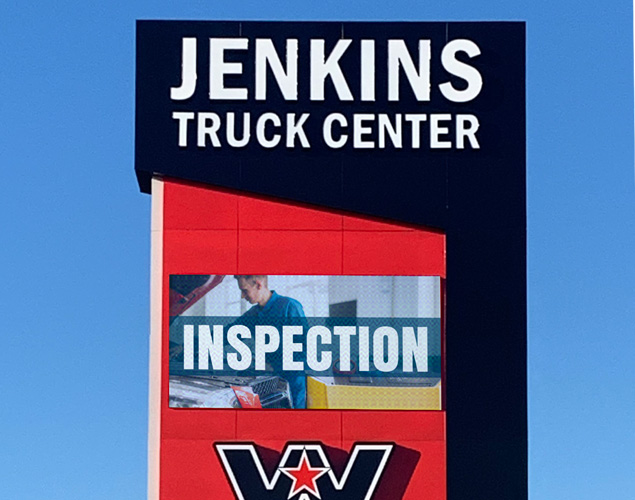
ONYX outdoor LED sign at Jenkins Truck Stop in Springfield, MO.

Drive Auto Sales with High-Impact LED Signs and Digital Displays

Attract more customers, boost visibility, and increase your dealership’s sales with high-quality LED signs and digital displays from Next LED Signs. Whether you’re showcasing new inventory, advertising limited-time offers, or simply looking to stand out, our cutting-edge digital signage is the perfect solution to help your auto dealership thrive.

FLEX outdoor LED sign at Brandon Steven Billboard in Wichita, KS.

STAX™: A Modular LED Display Redefined

At Next LED, we’ve dedicated over a decade to perfecting modular LED display architecture, delivering a dependable and innovative alternative to traditional electronic message centers (EMCs). After extensive testing on SMD brightness, display integrity, and proven control systems, we proudly introduce STAX™—a groundbreaking solution designed to meet the needs of both sign companies and sign owners.

ONYX 10 mm Module Photos

Understanding Pixel Pitch and Pixel Matrix in LED Signs

Investing in LED signs is one of the best ways to make your business stand out. But before you commit to a display, understanding a few technical terms—pixel pitch and pixel matrix—is crucial to ensure you get the right solution. These two factors play a key role in the image quality, clarity, and overall performance of your digital sign.

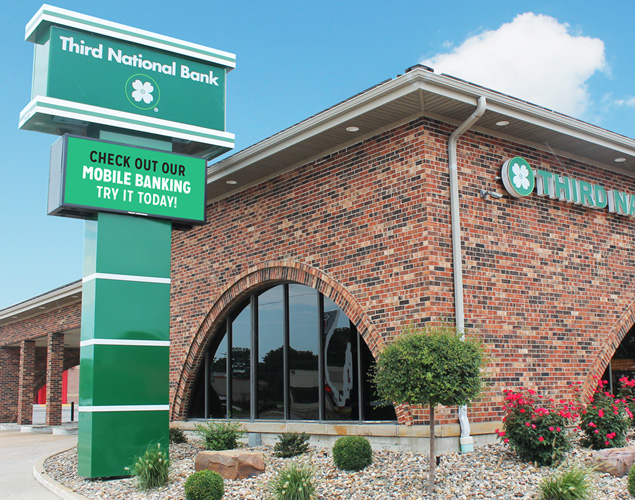
FLEX outdoor LED sign at Third National Bank in Sedalia, MO.

The Importance of Color Calibration in LED Signs

LED signs are essential tools for businesses and organizations aiming to capture attention and communicate effectively. However, their effectiveness depends on one critical factor: color calibration.