Confirm the allowed sign type, height, placement and brightness before committing to a purchase.
A school purchased an LED sign expecting to install it on an existing pylon. The structure was already there, and the school had arranged to handle the installation itself. It seemed like a straightforward project.
Then they discovered that the proposed installation wasn’t allowed. The local requirements called for a lower monument sign instead of the taller pylon configuration they intended to use. The school owned a display it couldn’t install as planned.
That situation could have been avoided by checking the requirements before purchasing. If you’re considering an LED sign, that’s where your project should begin—even if you already have a sign or a structure you plan to reuse.
Are digital LED signs allowed at my location?
The answer depends on more than whether your city allows digital signs. Your property’s zoning, its use and the proposed sign configuration can all affect what’s permitted.
Start with your local planning or zoning department and provide the exact address. Explain that you’re considering an outdoor LED sign for the business, school, church or organization located there. The department may call it an “electronic message center” or an “electronic changeable copy sign.”
Ask what types of signs are allowed at that property and what approvals you need before installation. Don’t rely on the sign down the street as proof that yours will qualify. For example, Spokane’s electronic sign ordinance allows electronic message centers in some zoning districts while prohibiting them in others.
Does having an existing sign mean I can replace it with an LED display?
Don’t assume it does.
An existing pole, pylon or sign cabinet may look like the perfect starting point. But permission for the sign that is already there does not necessarily cover a different type of display.
Ask the permitting department whether converting the existing sign to LED changes the requirements. Have your sign professional review whether the structure can support the proposed display, too. Zoning approval and structural suitability are separate questions, and both need answers before you commit.
The school in our example had an existing structure and an installation plan. What it didn’t have was confirmation that the proposed configuration would be permitted.
What should I check before choosing the sign?
Confirm the permitted sign type, overall height, display area and location before settling on a particular model or size.
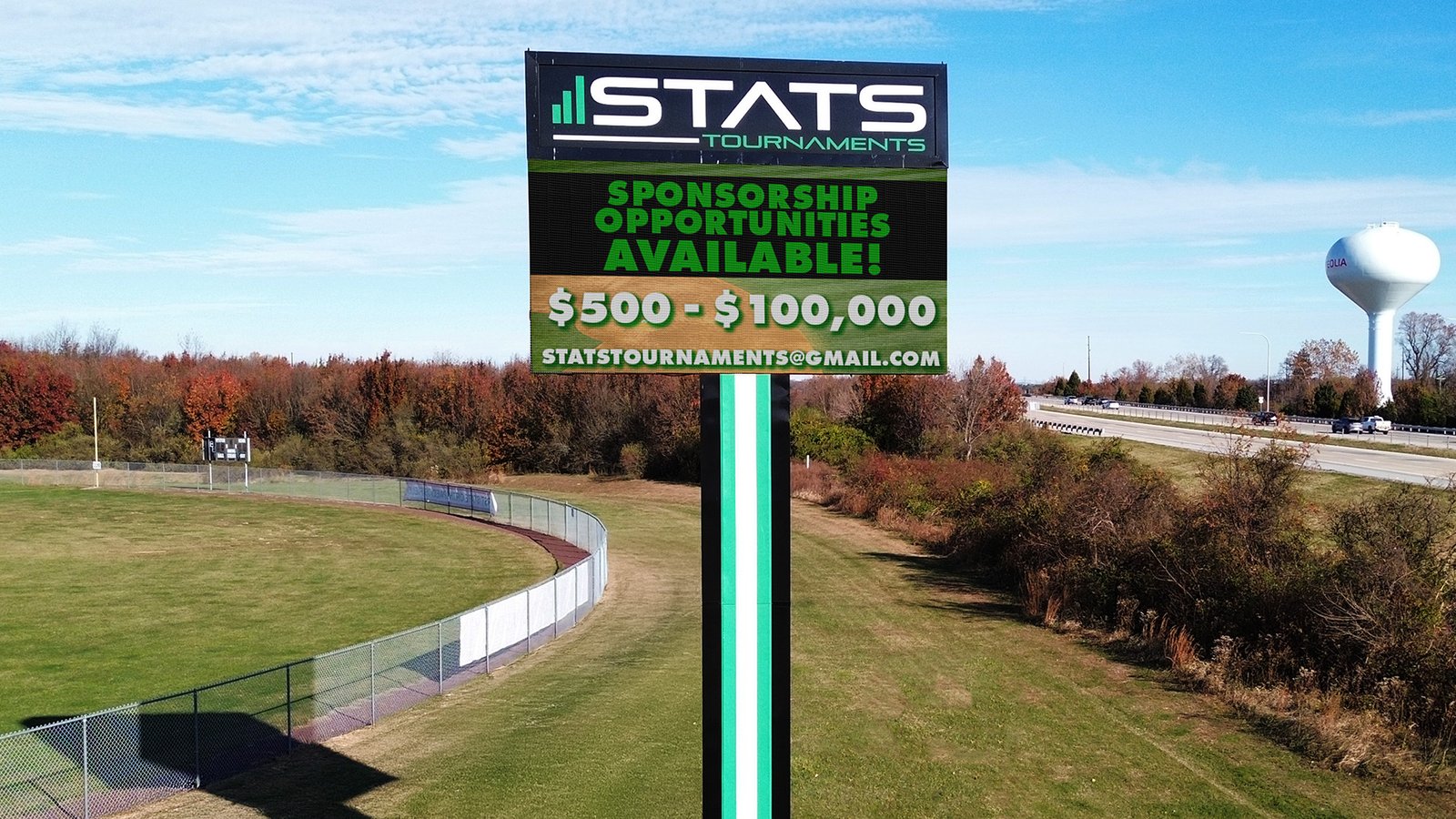
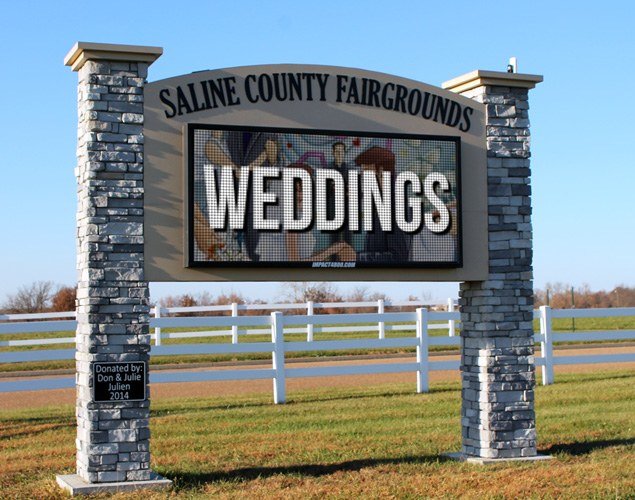
Ask whether the sign must be a monument sign or whether a pole-mounted configuration is allowed. Find out how the jurisdiction measures height and sign area. The dimensions of the LED display alone may not describe the complete sign being reviewed.
Also confirm setbacks—the required distances from property boundaries or other specified features. Ask where each measurement starts. Measuring from the curb may produce a different result than measuring from the property line.
Your local sign professional should help turn those answers into a proposed installation that fits the site.
Do brightness and message changes affect the permit?
They can, so include them in the conversation before purchasing.
Some ordinances limit nighttime brightness in nits, which describe the brightness of the display’s surface. Others use foot-candles above ambient, which measure the additional light reaching a specified location. These are different measurements, not interchangeable settings.
The International Sign Association recommends a nighttime limit of 0.3 foot-candles above ambient at a measurement distance based on sign area. Your local ordinance determines the requirement and testing procedure that apply to your project. See ISA’s brightness recommendations.
Message timing can also be restricted. North Salt Lake, Utah, for example, requires each display to remain for at least eight seconds. Ask about hold times, animation, transitions and operating hours so you understand how you’ll be allowed to use the sign.
Who is responsible for checking the requirements?
Make that responsibility clear at the beginning.
Ask your sign provider who will verify zoning, prepare the permit application and confirm approval. If you’re arranging your own installation, don’t assume someone else has handled those steps.
Before committing to a purchase, get the applicable requirements and approval status documented. A proposed design, a submitted application and an issued permit are different stages of the process.
An LED sign should help your organization communicate—not leave you searching for a way to use equipment you’ve already bought. Start with the property and its requirements, then choose the display.


Plan Your LED Sign Before You Buy
NEXT LED Signs can help you explore display options and coordinate with a local sign professional. Bring us your location and your goals so the planning starts with what you can install.