LED scoreboard portfolio.
Scoreboards and video displays built to energize every game, crowd, and venue.
- Outdoor & indoor optionsStadiums, fields, gyms and arenas.
- Sponsorship readySponsor zones that help pay for the board.
- Cloud-based controlsScores, video and ads from one system.
- Dealer installation supportInstalled and serviced by our dealer network.


Scoreboard portfolio
See what’s possible.
From gymnasiums to football fields and racetracks, these installations show how NEXT LED displays bring scores, live video, school branding and sponsor messages together.
Browse the projects below for ideas for your facility. We can help you compare display sizes, pixel pitch and placement—and show you how a scoreboard could look in your space.
Gallery
See it on game day.
Indoor gyms and natatoriums, outdoor stadiums and tracks, and multi-use venues. Click any photo to see it full size.
11 photos Indoor Scoreboards
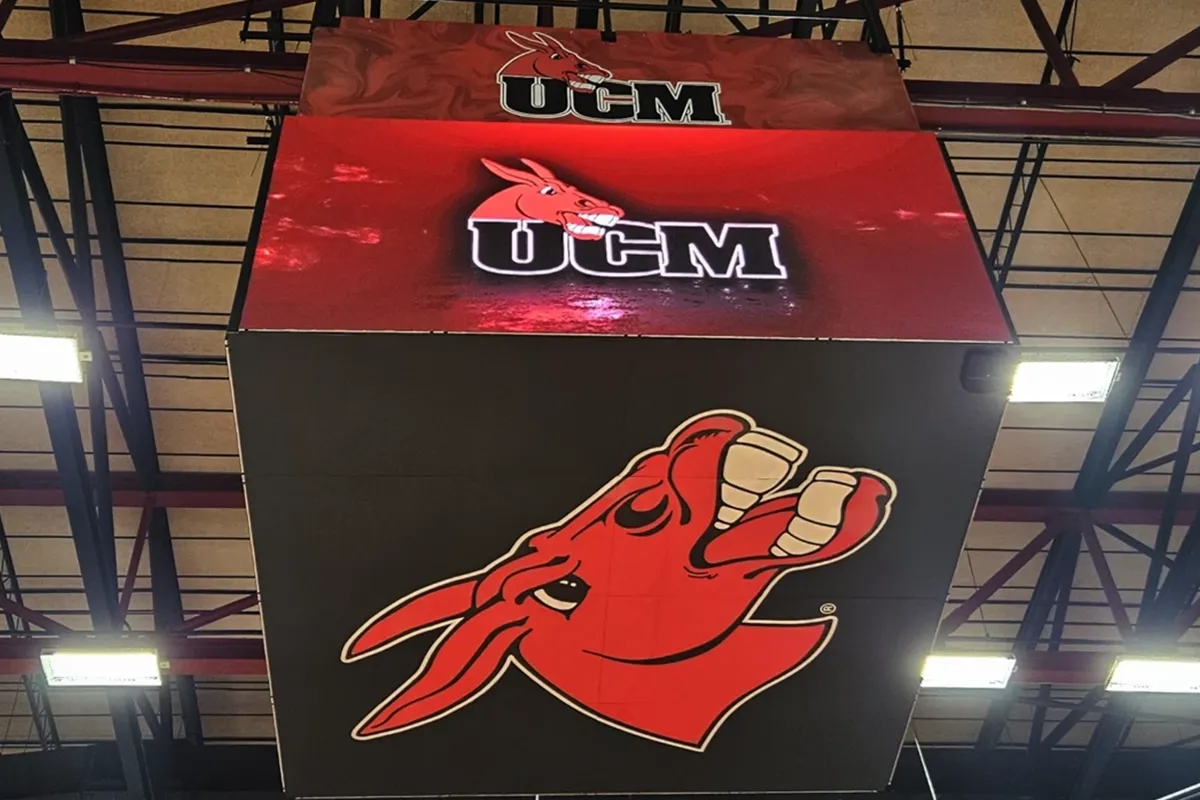
Indoor ScoreboardsUniversity of Central Missouri · center-hung
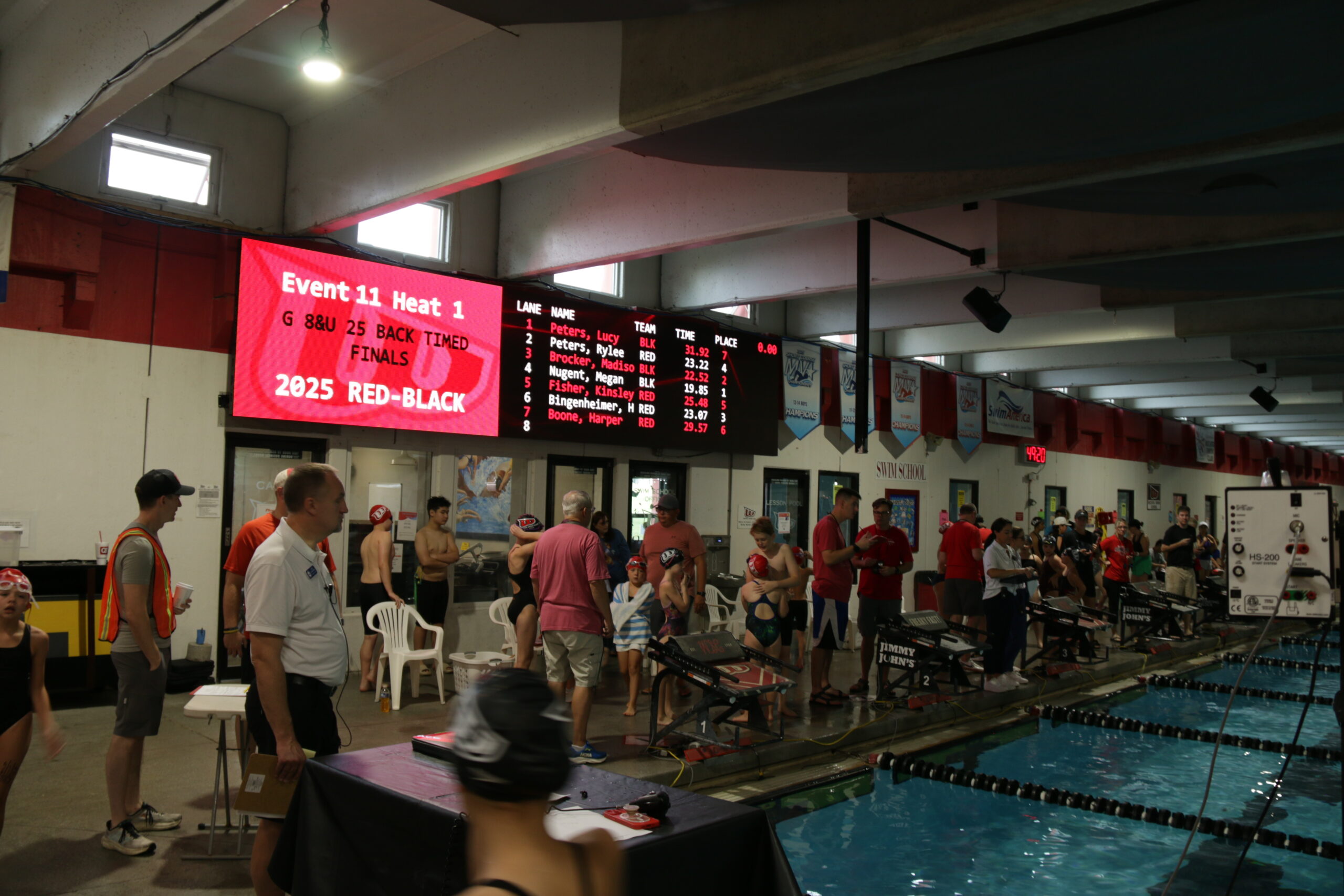
Indoor ScoreboardsWichita Swim Club · APEX scoreboard

Indoor ScoreboardsUniversity of Central Missouri
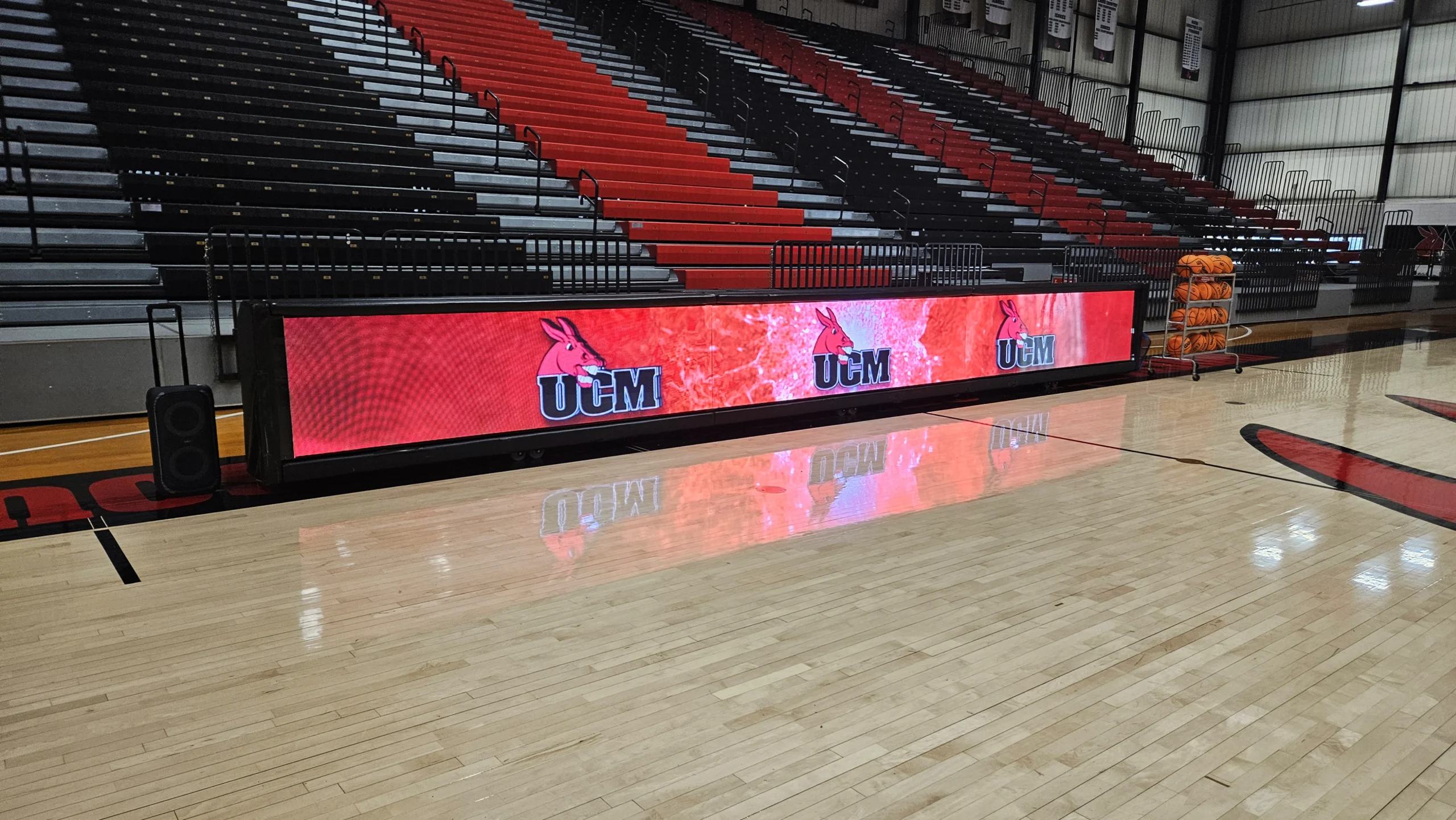
Indoor ScoreboardsUniversity of Central Missouri · ribbon
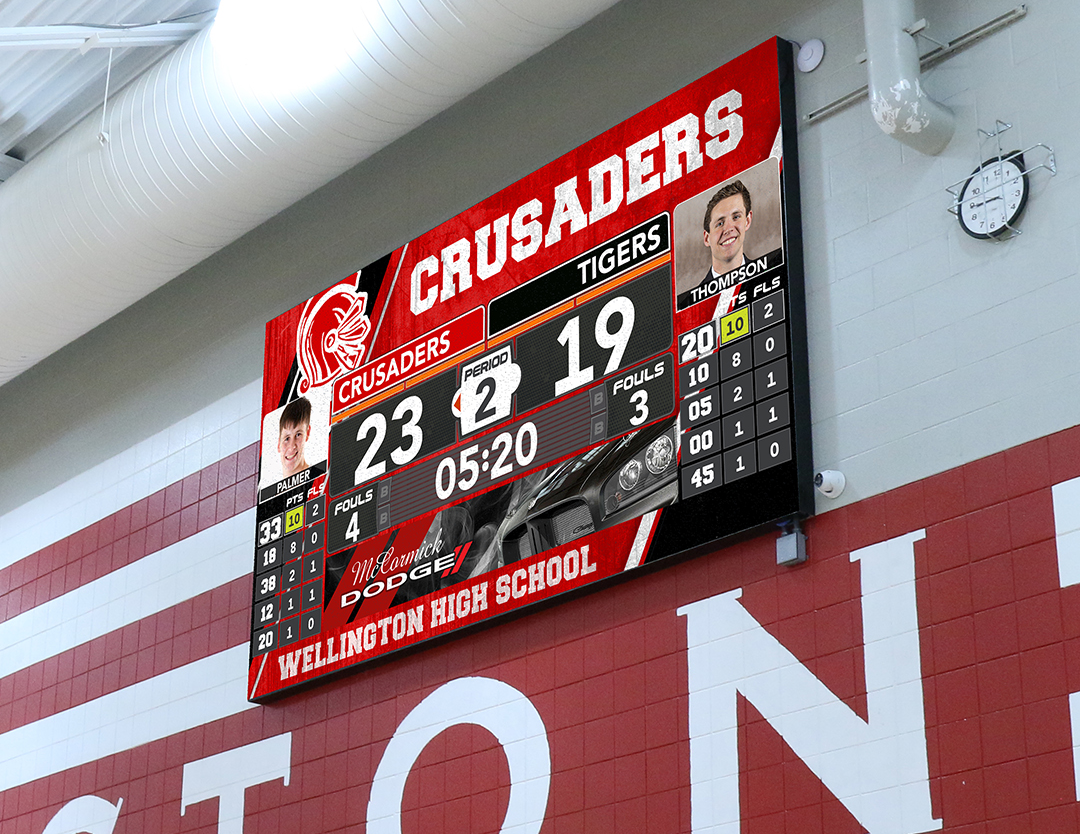
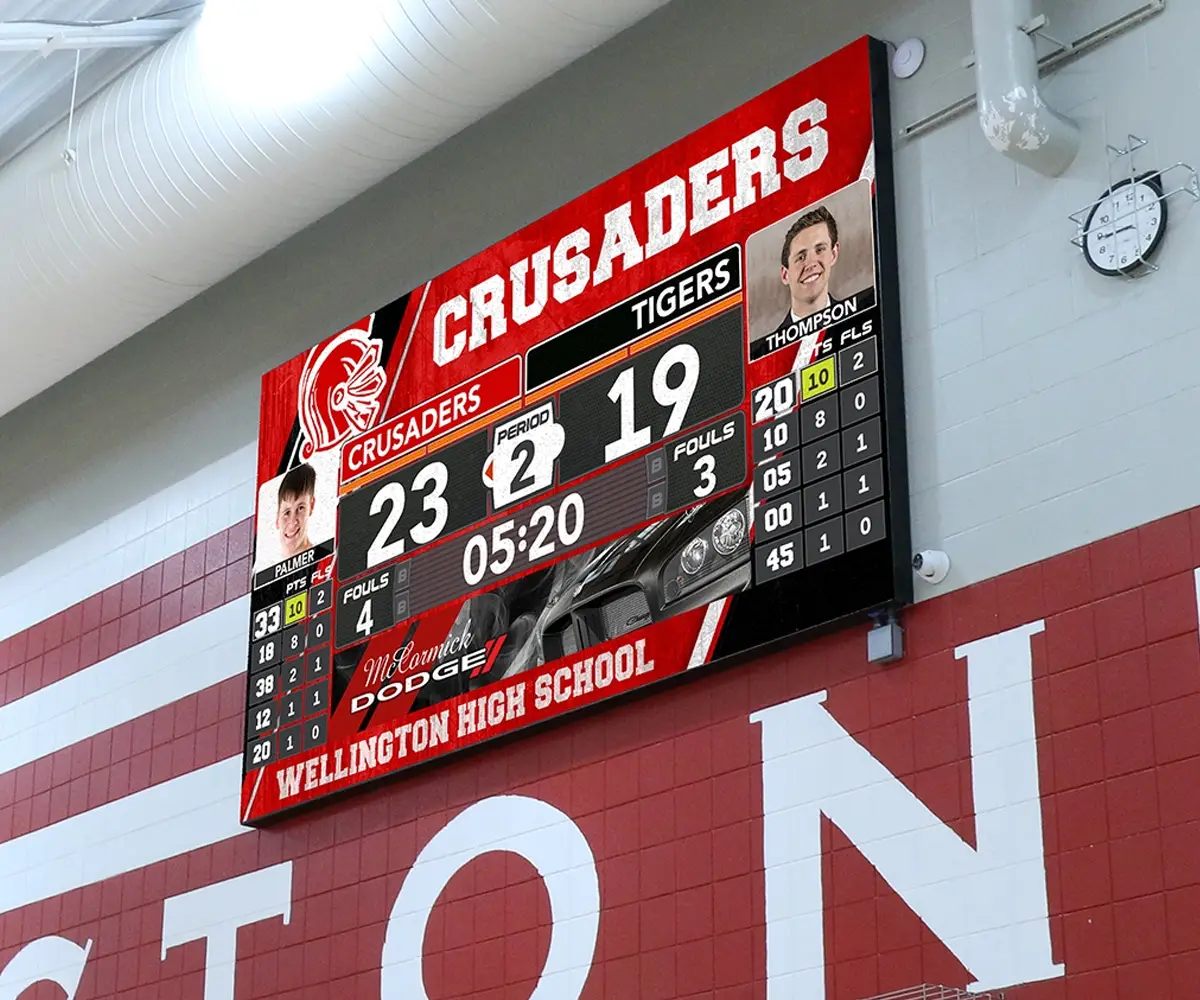
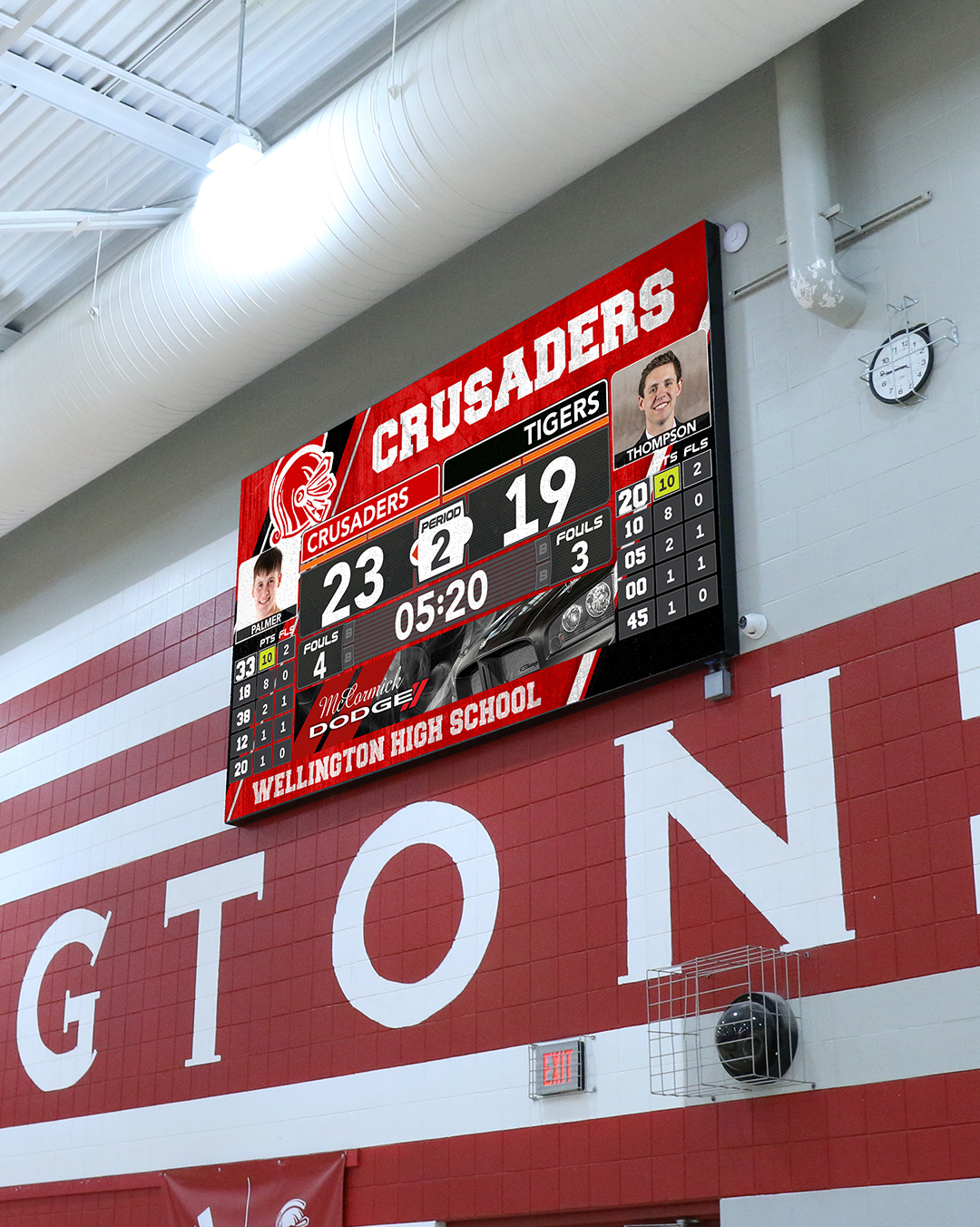
Indoor ScoreboardsWellington High School
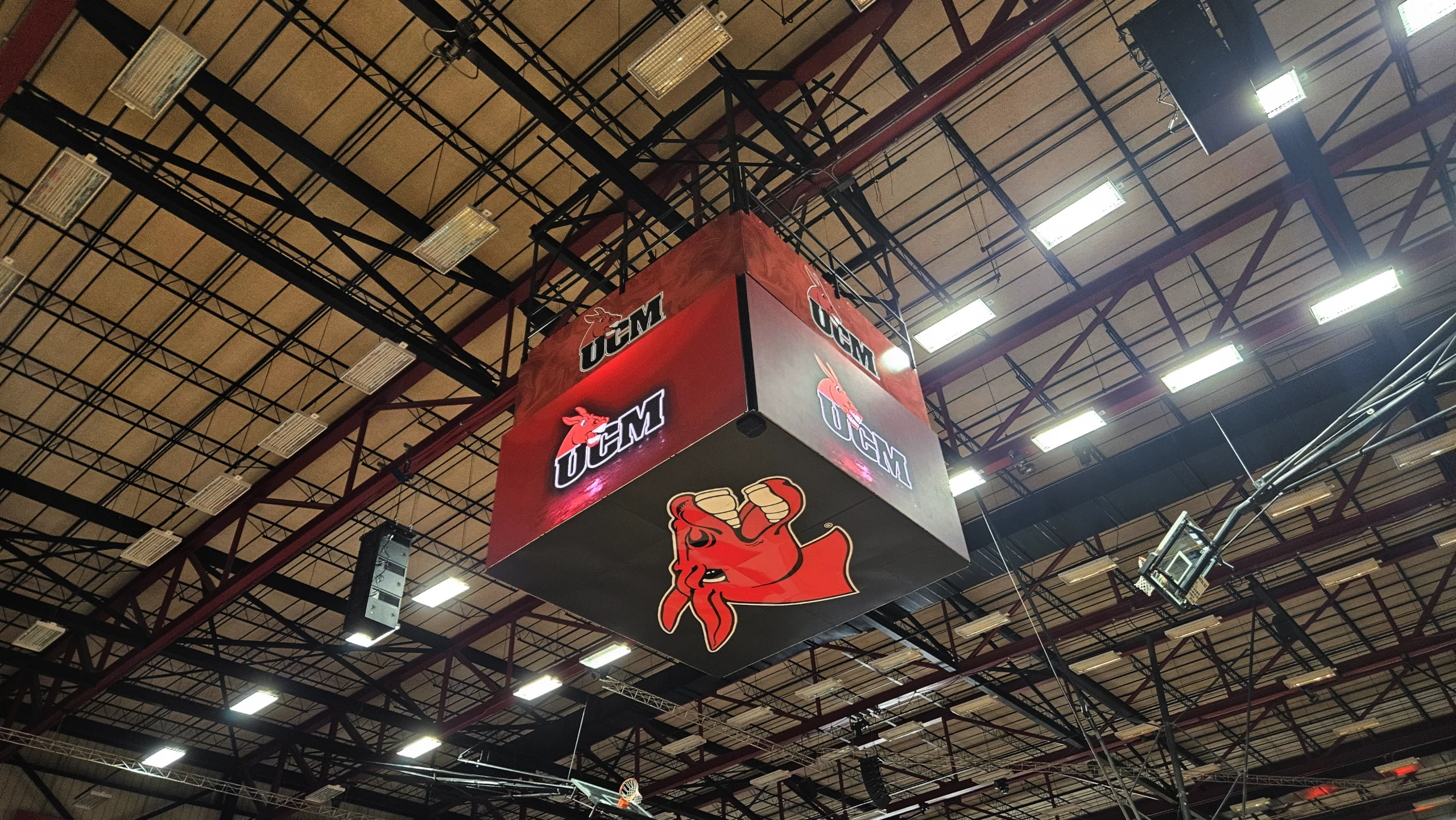
Indoor ScoreboardsUniversity of Central Missouri

Indoor ScoreboardsPittsburg State University
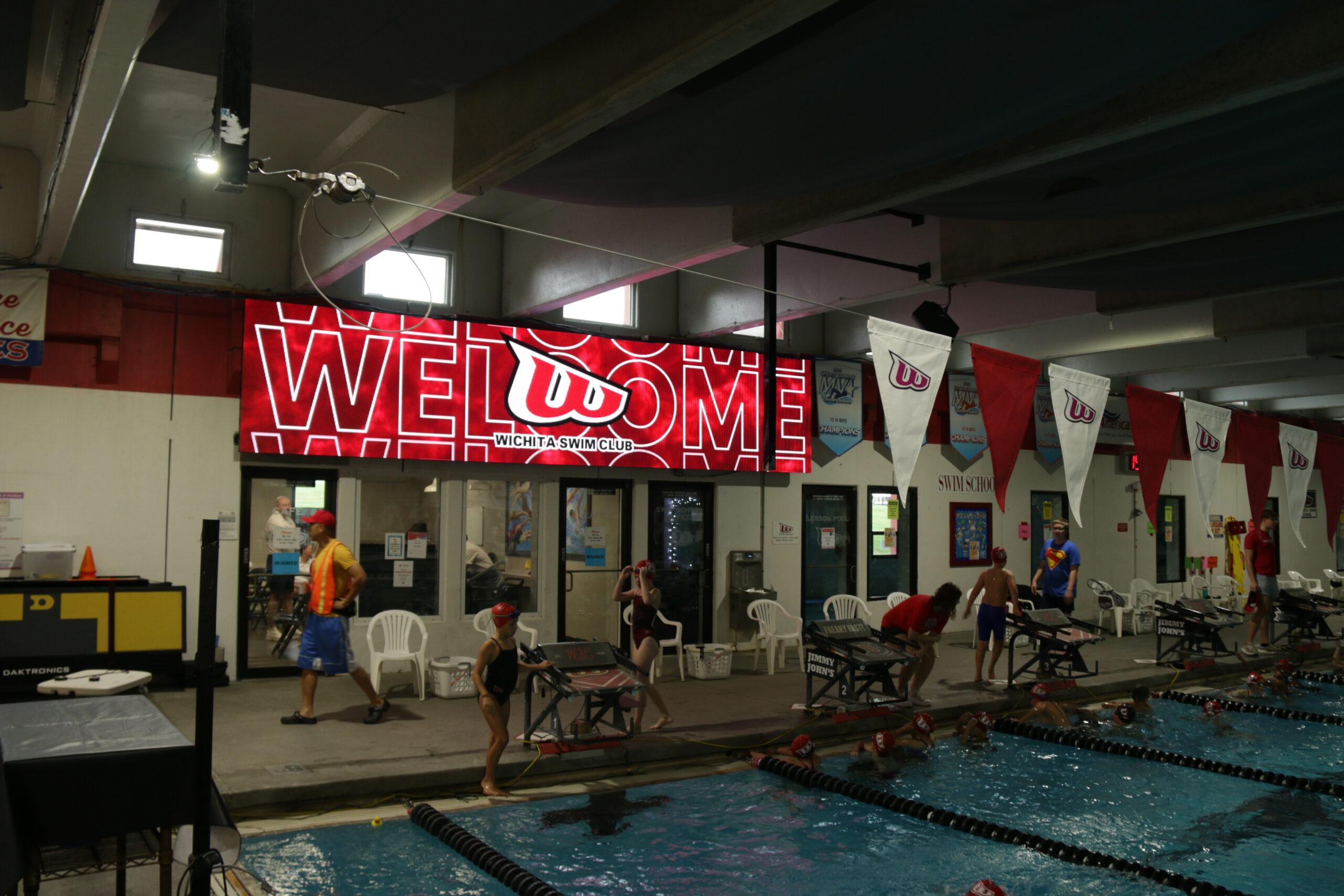
Indoor Scoreboards

Indoor ScoreboardsWellington High School

Indoor ScoreboardsWellington High School
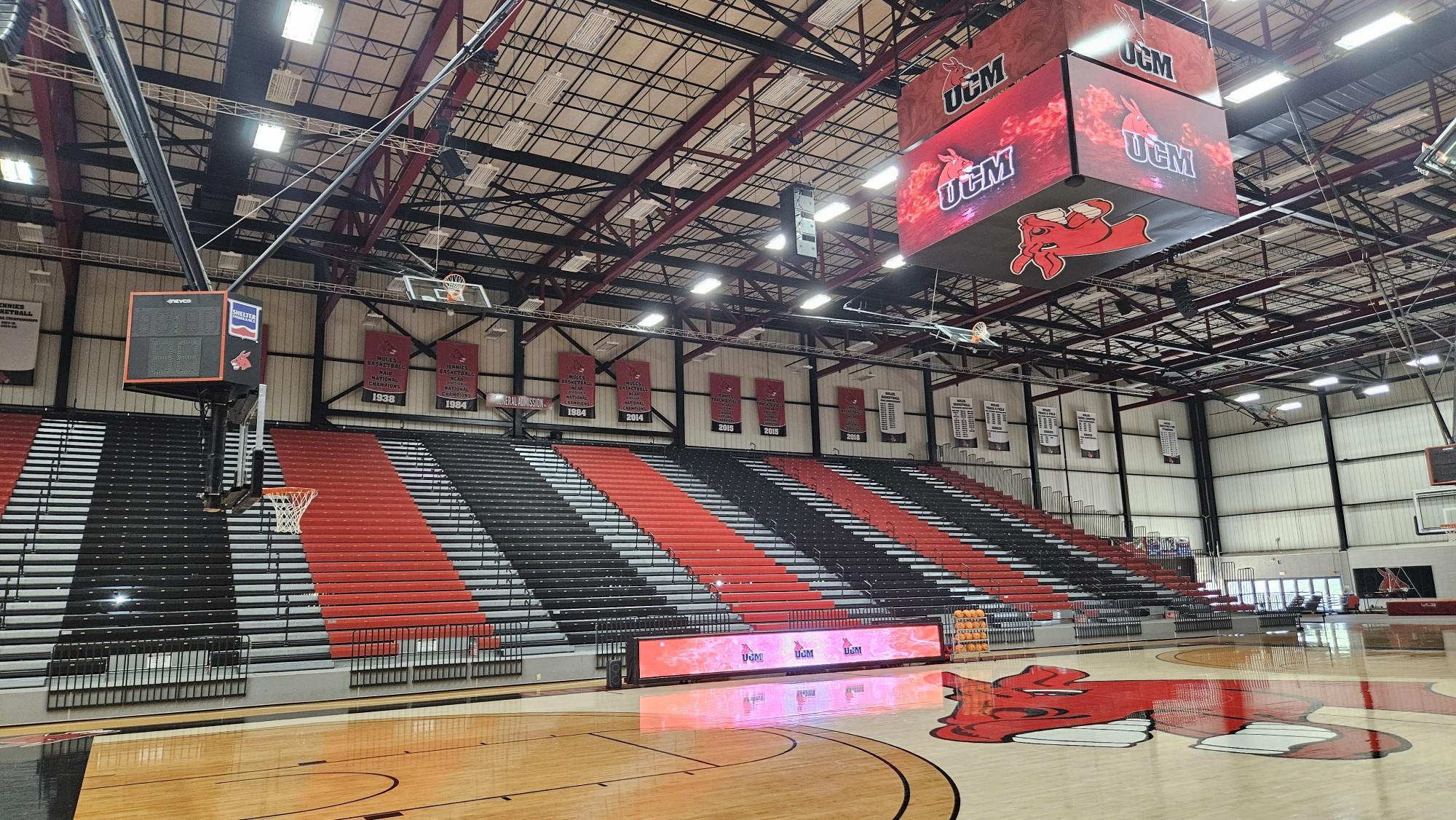
Indoor ScoreboardsUniversity of Central Missouri
13 photos Outdoor Scoreboards
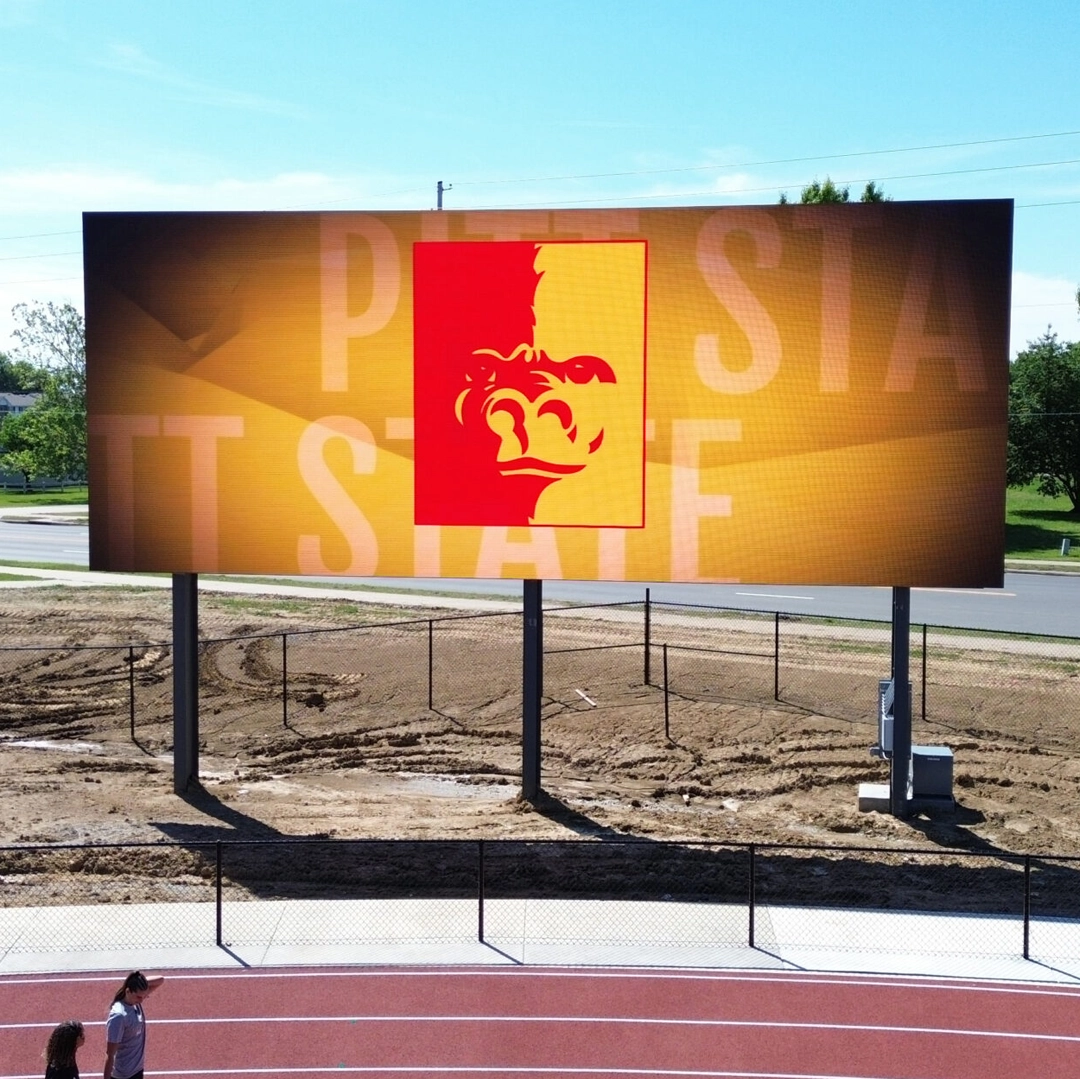
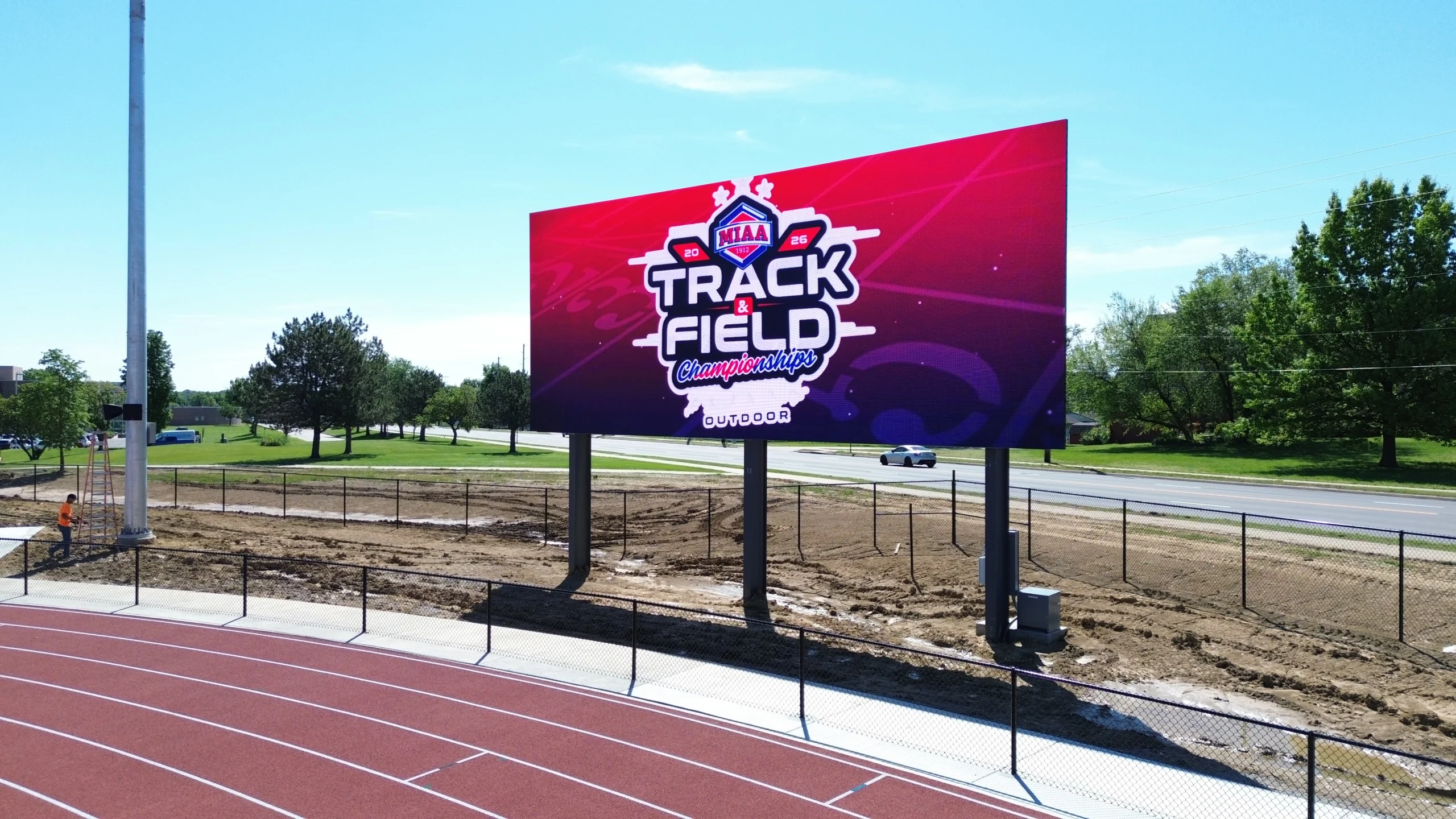
Outdoor ScoreboardsPittsburg State University · track
Outdoor ScoreboardsPittsburg State University · track & field

Outdoor ScoreboardsHill-Murray High School · FLEX · Minneapolis, MN

Outdoor ScoreboardsLucas Oil Speedway · STAX · Wheatland, MO
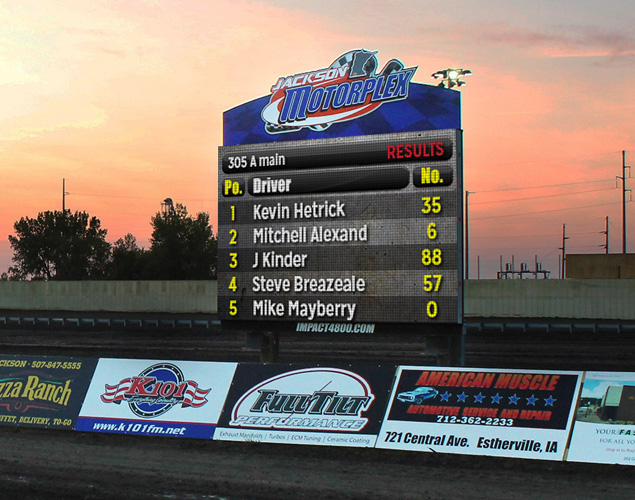
Outdoor ScoreboardsJackson Motorplex · FLEX · Jackson, MN
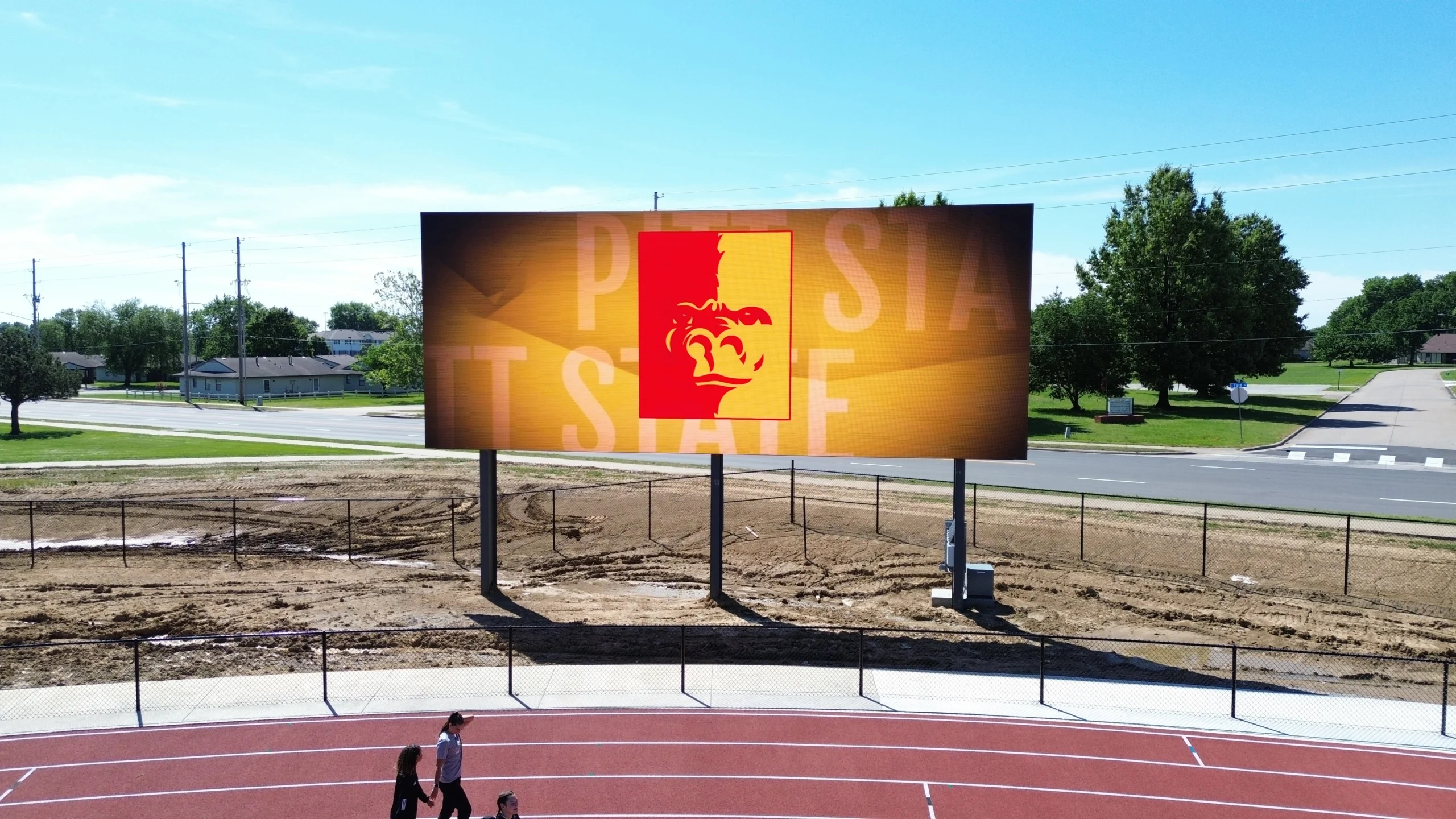
Outdoor ScoreboardsPittsburg State University · track & field

Outdoor ScoreboardsKnoxville
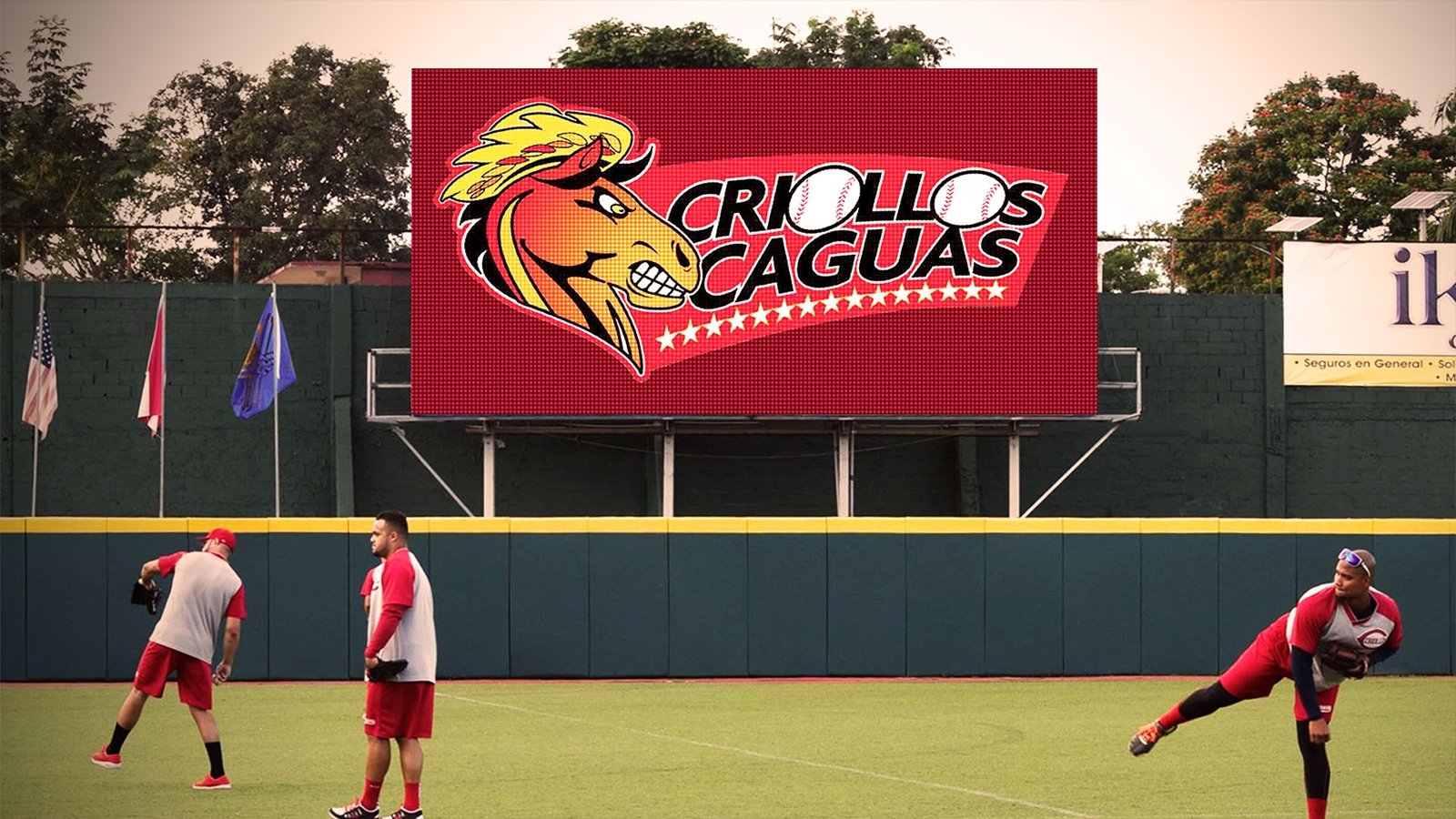
Outdoor ScoreboardsCaguas
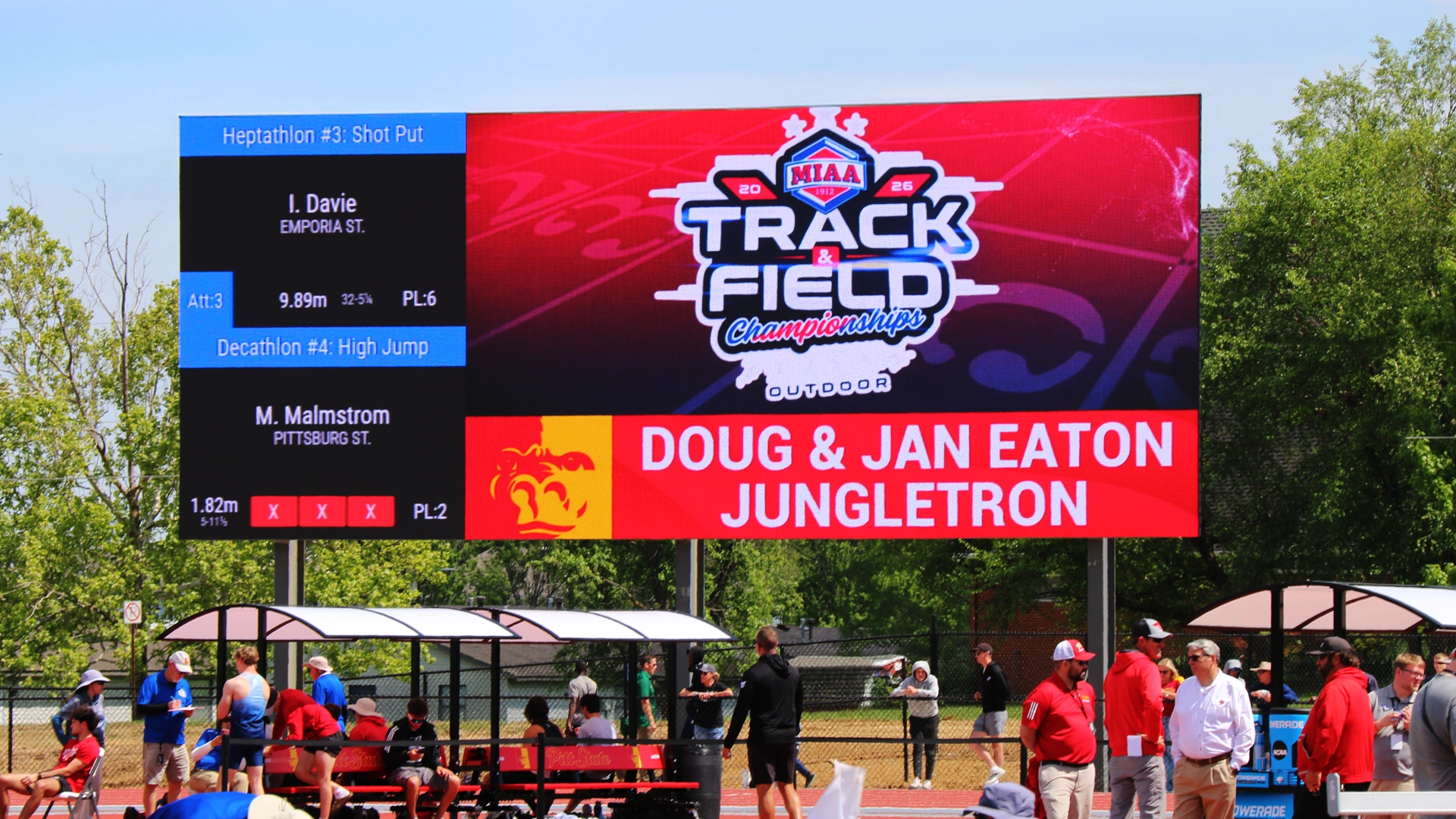
Outdoor ScoreboardsPittsburg State Outdoor Track and Field · STAX · Pittsburg, KS

Outdoor ScoreboardsJackson Motorplex · Jackson, MN

Outdoor ScoreboardsHill-Murray High School · Minneapolis, MN

Outdoor ScoreboardsUniversity of Central Arkansas · STAX · Conway, AR
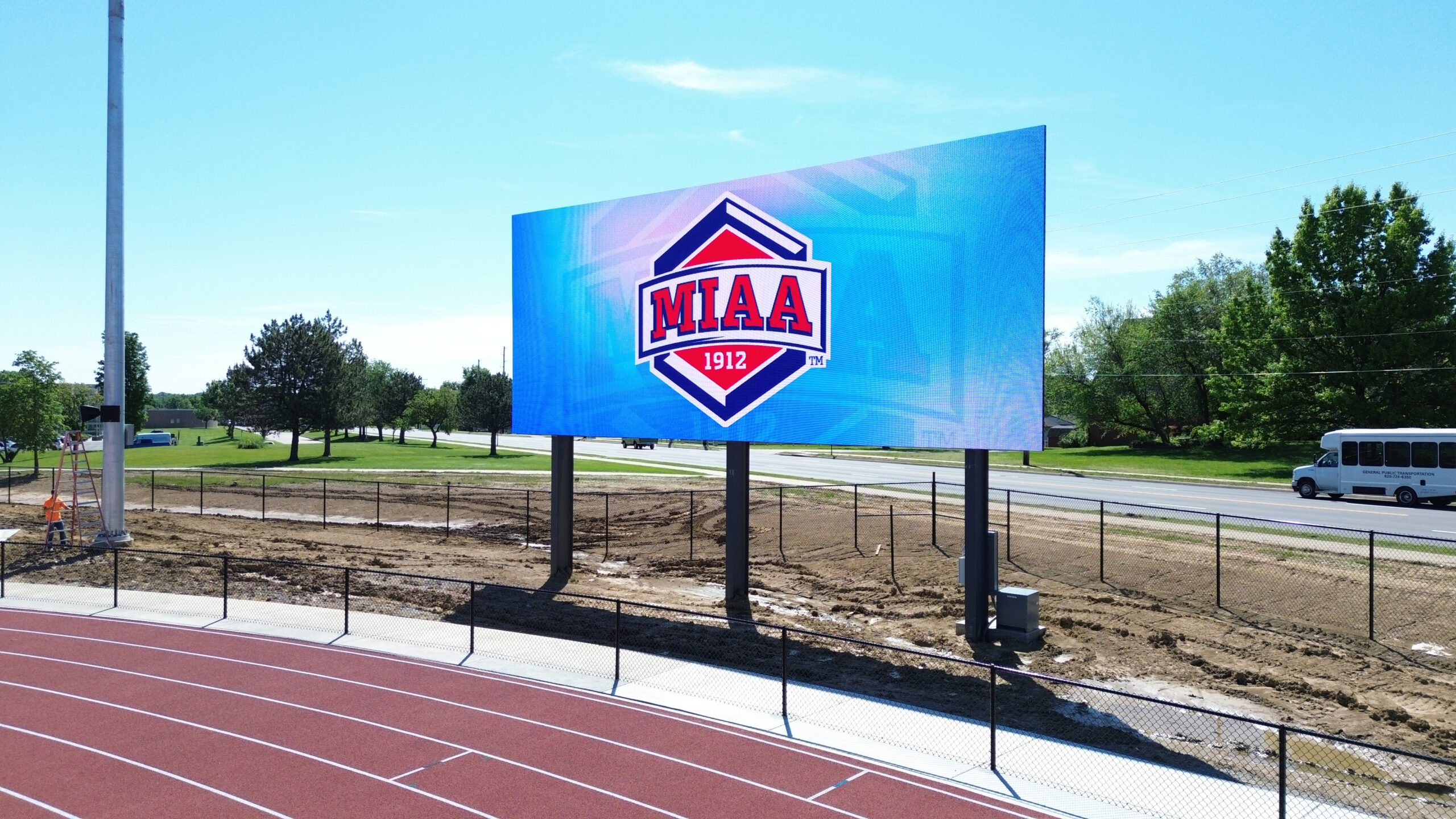
Outdoor ScoreboardsPittsburg State University · track & field
5 photos Multi-Use
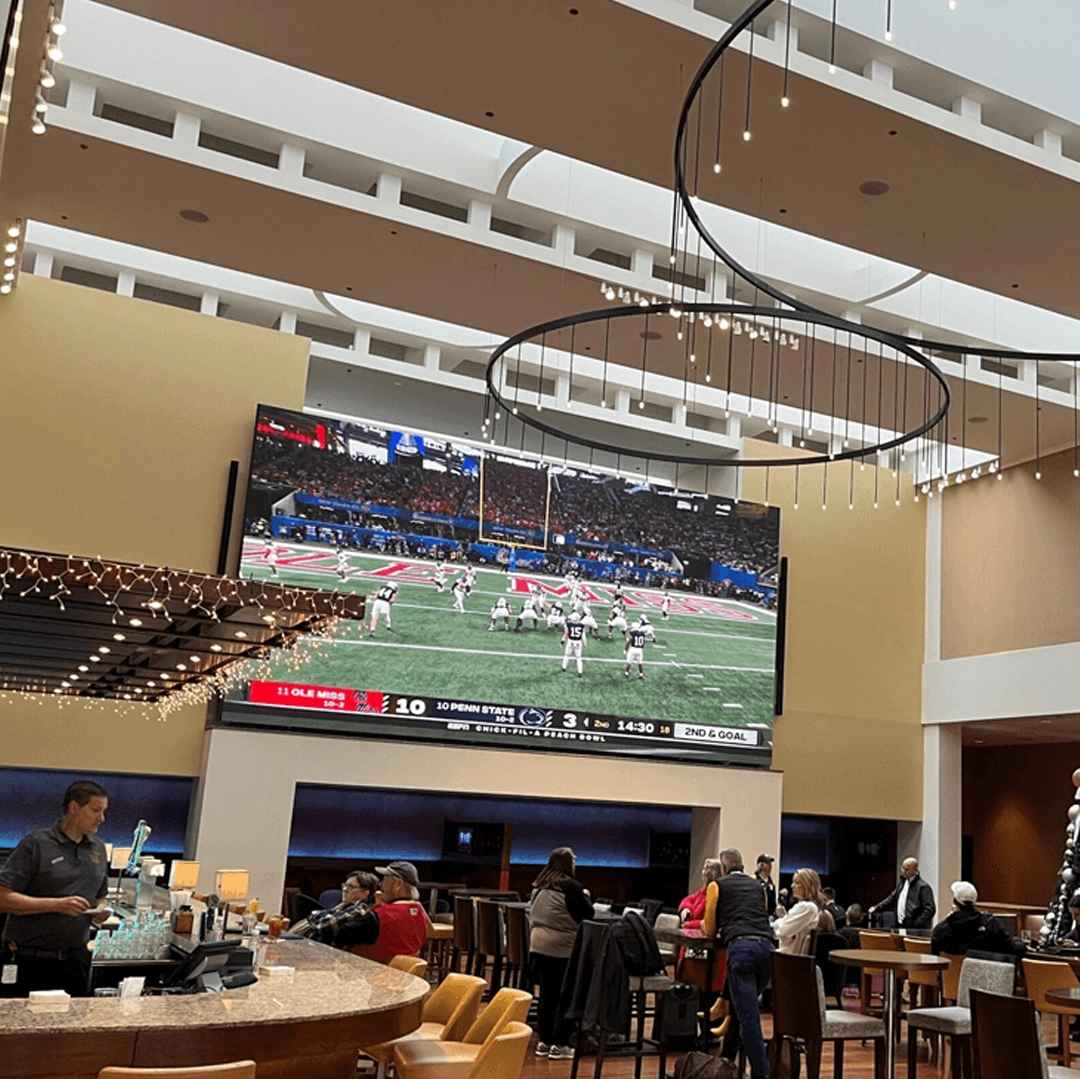
Multi-Use
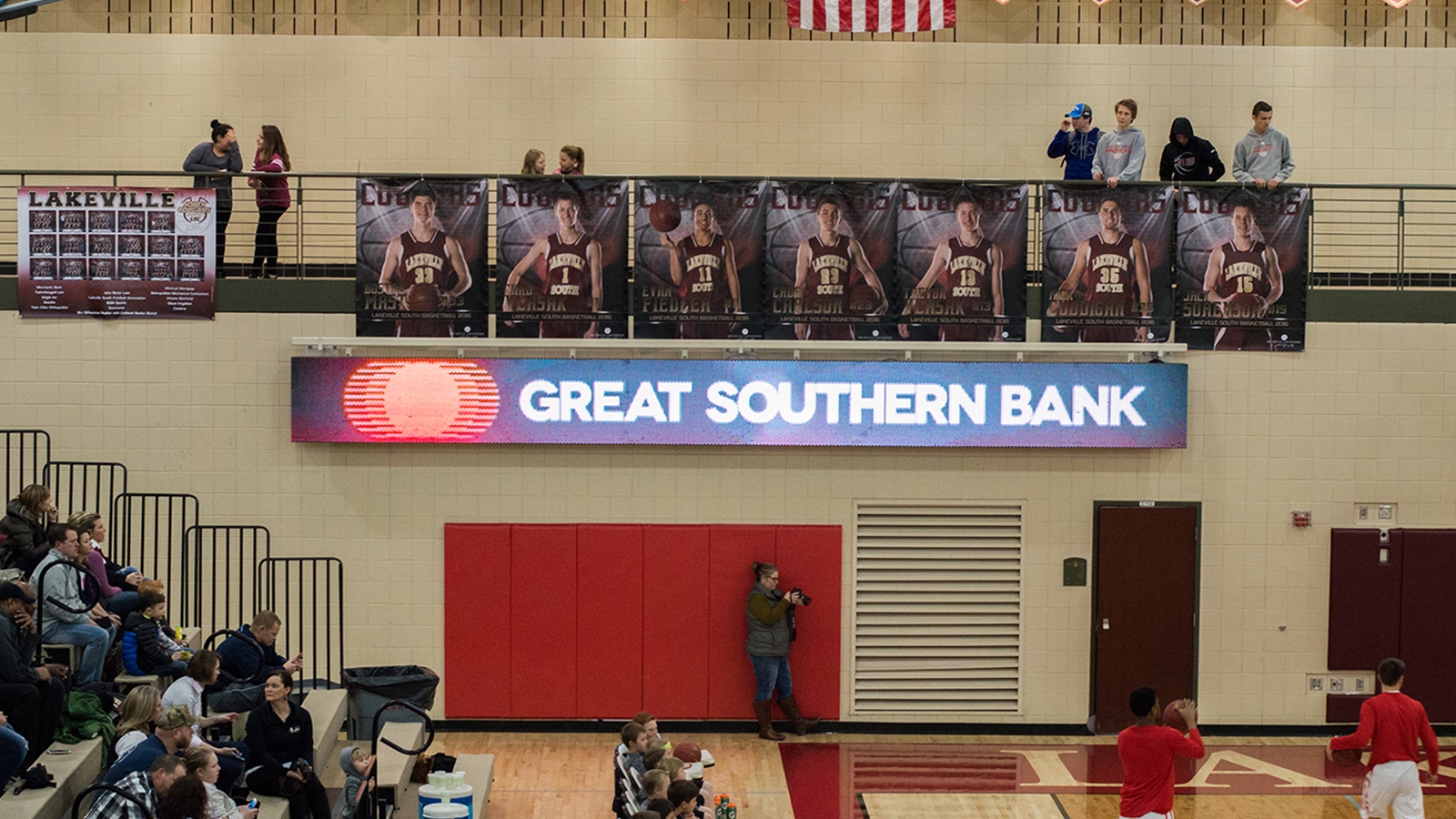
Multi-UseGreat Southern Bank · ribbon display

Multi-UseMurray State University
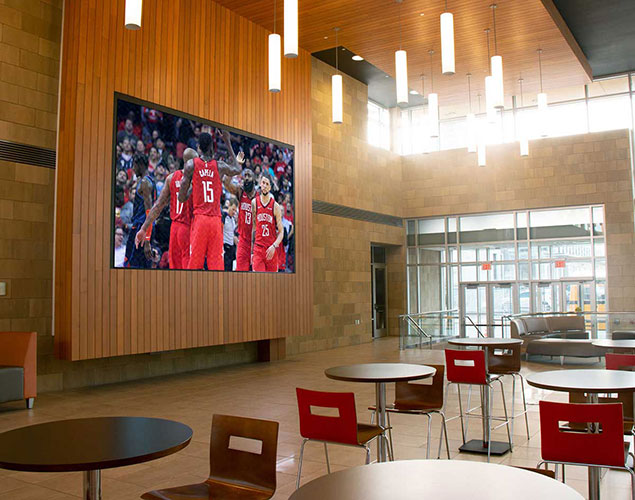
Multi-UseDowntown YMCA

Multi-UseMizzou Baseball · ONYX · Columbia, MO
More portfolios
Industry solutions & galleries.


Ready to upgrade your game day experience?
A new video board is a major investment for your athletic program, and getting the details right is critical. Our team is here to help you navigate the process, from choosing the right pixel pitch to mastering the scoring software. We provide custom visual renderings of your new display, so you know exactly how the board will look on your field or in your gym before you ever sign a contract.