
Indoor LED
Sign Portfolio.
LED signs, digital displays, and scoreboards built to perform — indoors or outdoors.
Visible
High visibility in any lighting or weather.
Smarter
No moving parts. Low-maintenance operational design.
Built to last
Solid state engineering for long-term reliability.
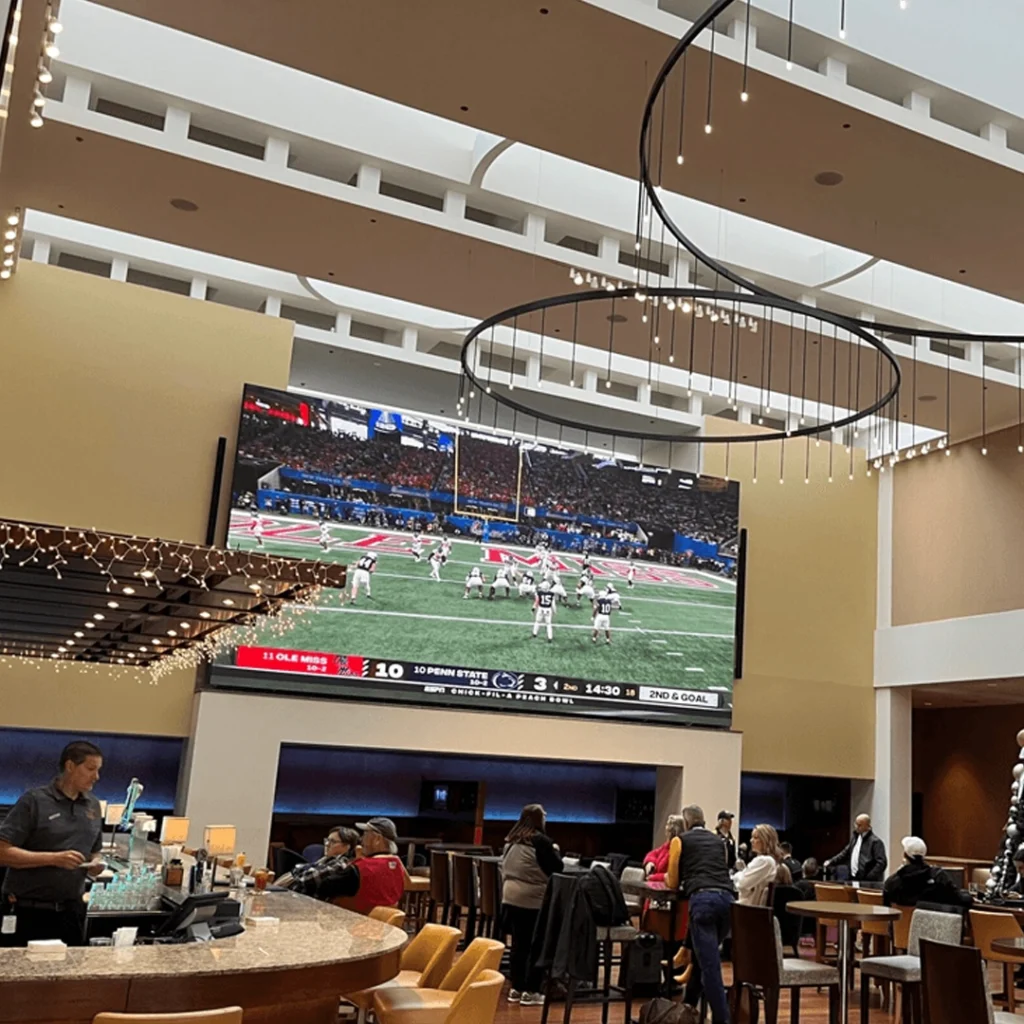
Indoor LED Display Portfolio
What does the right indoor LED display look like in a real environment?
That answer depends on where the display will be used, how close people will stand to it, and what the space needs it to accomplish. A lobby LED display creates a different impression than a boardroom LED display. A retail LED display has different content needs than a corporate communication display, entertainment venue display, or indoor LED video wall.
This indoor LED display portfolio was built to help you compare real applications before choosing a direction for your own project. As you review these examples, you’ll see how indoor LED signs, LED video walls, and digital displays can be used for branding, wayfinding, announcements, promotions, presentations, and customer engagement.
The goal is to help you picture what works in different environments. Placement, scale, pixel pitch, viewing distance, brightness, and content style all affect how an indoor LED display feels once it is installed. When the display fits the space around it, it does more than show content. It becomes part of the experience.
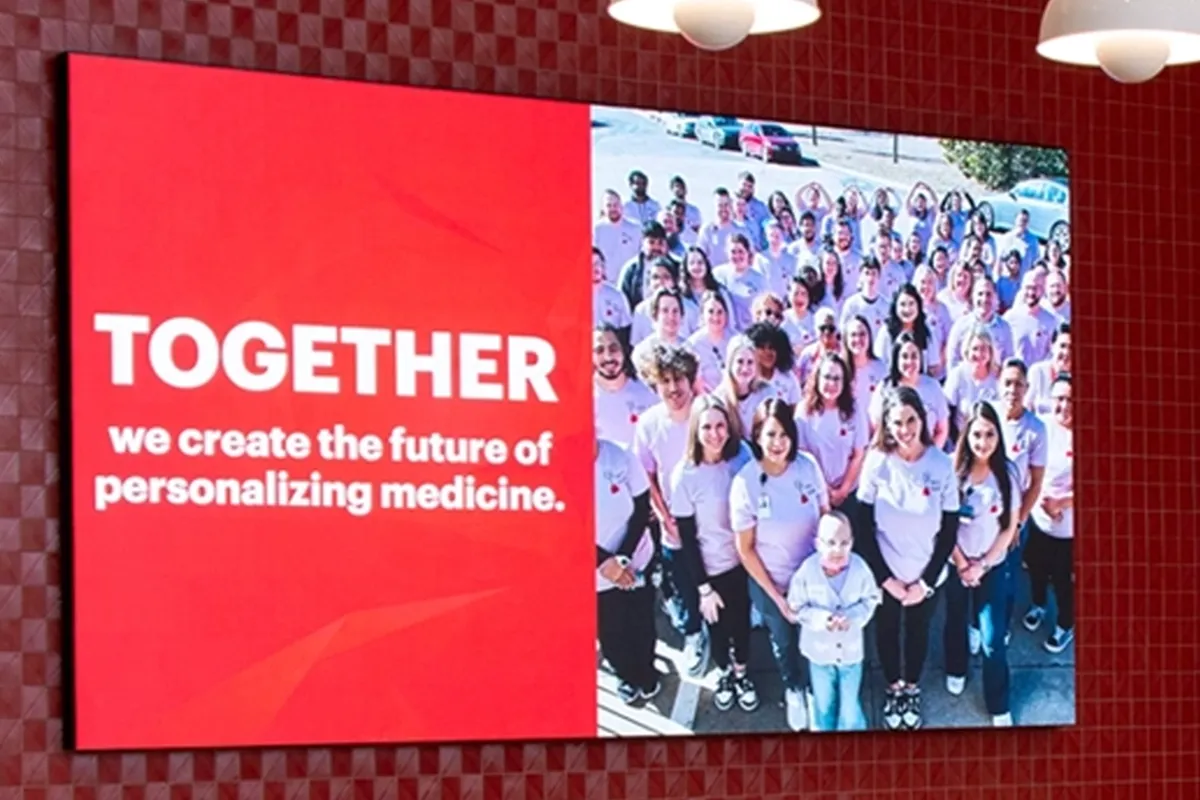
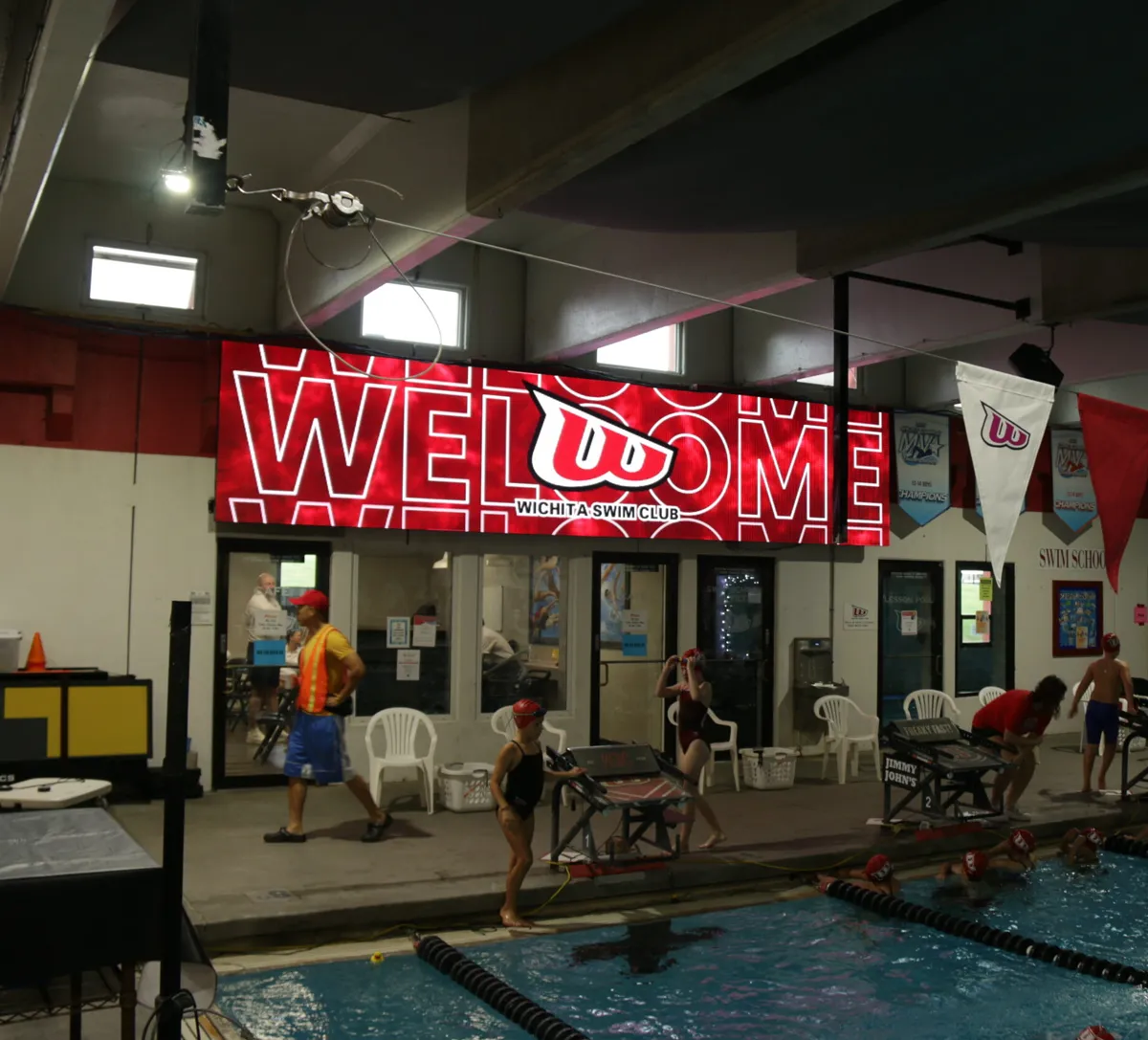

INDUSTRY SOLUTIONS & GALLERIES






Frequently Asked Questions about Indoor LED Signs
The most critical difference is the viewing experience. Multi-screen LCD setups have visible bezels (borders) around each panel, which creates black grid lines that interrupt the image. Indoor direct-view LED video walls utilize seamless solid-state modules to create one continuous, completely uninterrupted picture. Furthermore, high-quality indoor LED displays typically boast a continuous operational lifespan of 100,000 hours, significantly outperforming the 50,000-hour average of commercial LCDs.
Pixel pitch—the exact distance in millimeters between the center of each LED diode—dictates the screen's resolution and the optimal viewing distance. For indoor environments where foot traffic is close to the screen, a lower pixel pitch is mandatory. A 1.5mm to 2.5mm pitch is ideal for corporate lobbies or retail spaces where viewers are within 5 to 15 feet. Data indicates that matching the correct pixel pitch to the viewing distance increases audience message retention by over 30%, ensuring the image remains perfectly sharp rather than pixelated.
While outdoor displays need to push massive brightness to fight the sun, indoor displays operate in controlled lighting environments. A standard indoor LED sign typically requires between 600 and 1,000 nits of brightness. This is still substantially brighter than a standard home television (which averages around 300 nits), allowing the commercial display to easily cut through bright fluorescent retail lighting or heavy window glare in a corporate atrium without causing viewer eye strain.
While the upfront cost of high-resolution indoor panels is significant due to the dense concentration of micro-LEDs, the ROI is driven by immediate consumer engagement. Retail environments utilizing high-definition indoor signage consistently report a 24% to 38% lift in sales for specific promoted items. In corporate or healthcare settings, digital wayfinding and communication boards reduce perceived lobby wait times by up to 35%, drastically improving overall visitor satisfaction.
While tempting for the initial price, consumer televisions are strictly not built for commercial environments. A standard home TV is engineered to run 4 to 6 hours a day; if left on 24/7 in a business setting, the internal components degrade quickly, and commercial use instantly voids the consumer warranty. Commercial solid-state LED signs are built specifically for 24/7 continuous operation, utilizing advanced thermal management to ensure they run flawlessly for over a decade.
No. While it is true that massive electronics generate heat, modern indoor LED displays are highly energy-efficient. Because the display utilizes 100% solid-state engineering, it dissipates heat efficiently through the chassis without the need for noisy, failure-prone mechanical cooling fans. A large indoor video wall operates quietly and generates very little ambient heat, meaning your building's standard HVAC system will easily handle it without any noticeable spike in your cooling costs.

Ready to Upgrade Your Fan Experience?
Finding the perfect scoreboard requires precision and the right technical expertise. Our 100% solid-state engineered LED signs deliver the seamless, high-definition performance your environment demands.
Because it can be difficult to conceptualize your new scoreboard, our design team provides custom visual renderings.
Give us a call at 888.263.6530 to get started.