
NEXT LED Signs
Buyer's Guide
What to know about location, pixel pitch, readability, software, pricing, and ROI before you buy.
Visible
High visibility in any lighting or weather.
Smarter
No moving parts. Low-maintenance operational design.
Built to last
Solid state engineering for long-term reliability.
Make your purchase decision with confidence.
Choosing the right LED digital sign is easier when you understand what actually affects performance after installation. Size and price matter, but they are only part of the decision. Pixel pitch, viewing distance, brightness, placement, mounting, communication method, software, content strategy, service access, and long-term reliability all shape how well your sign will work in the real world.
This Buyer’s Guide was built to help you compare those details before you request a quote or commit to a specific display. Each section explains one part of the buying process in plain language, from choosing the right outdoor or indoor location to understanding readability, message design, connectivity, pricing, ROI, leasing, and tax incentives. The goal is to help you ask better questions and avoid choosing a sign based only on the lowest upfront price.
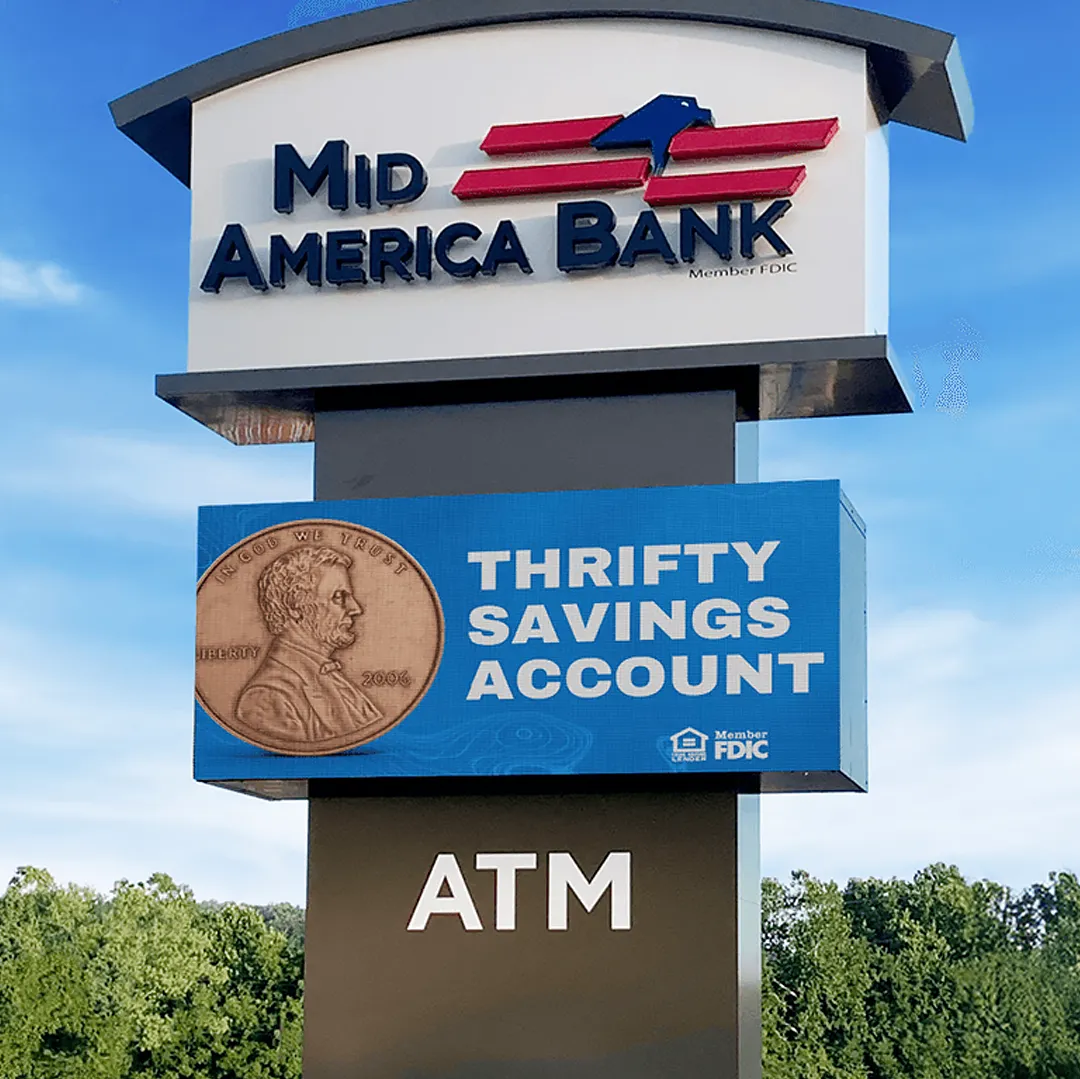
A good LED sign should fit your location, your audience, and the way people will actually see it every day. For example, a roadside electronic message center needs different planning than an indoor LED display, a school scoreboard, or a video wall in a lobby or venue. Traffic speed, setback, sightlines, ambient light, and content type all influence what display makes sense.
As you move through this guide, you can also use the related resources across our website to go deeper. Our Resource Center includes white papers, case studies, videos, and digital insights that explain LED sign technology, thermal management, total cost of ownership, solid-state design, and long-term performance. Our Market Applications section shows how LED signs are used in specific industries, while our indoor, outdoor and scoreboard portfolio pages provide real installation examples for outdoor signs, indoor displays, and scoreboards.
If you are comparing brand-name LED sign manufacturers, our product comparison pages can also help you evaluate differences between NEXT LED Signs, Watchfire, Optec Displays, Vantage LED, and other established manufacturers. Those comparisons focus on the details buyers should verify, including brightness, pixel pitch, design approach, software, cooling methods, serviceability, replacement parts, and total cost of ownership. This is especially helpful when you want to compare recognized commercial LED sign brands instead of lower-cost imported products with limited published specifications or support information.
Whether you are replacing an older sign, planning a new project, comparing multiple manufacturers, or trying to understand what fits your budget, this guide is designed to give you a clearer path forward. Start with the topic that matches your biggest question, then use the related resources, market examples, portfolios, and comparisons to build a more complete picture before you buy.

Frequently Asked Questions: Buying LED Signs

Pricing for commercial LED signs varies significantly based on dimensions, resolution, and installation requirements. Industry data indicates that businesses typically invest between $10,000 and $30,000 for standard roadside displays, while high-definition or custom architectural integrations often exceed $50,000. When calculating the total cost of ownership, operational expenses are a major factor. Utilizing 100% solid-state engineering reduces maintenance costs by an estimated 35% over a 10-year period compared to older technologies with moving parts.
Selecting the perfect sign really comes down to your unique location and what you want to achieve. First, think about your audience's viewing distance. One of our critical statistics is that you need about one inch of character height for every 30 feet of viewing distance. If you have slow-moving traffic close to your business, a tighter pixel pitch like 6mm or 8mm is fantastic. If you're trying to catch the eyes of highway drivers from 300 feet away, a 16mm or 19mm pitch will give you excellent clarity while optimizing your budget. Also, make sure you look into the hardware's thermal management—keeping the internal components cool is the secret to a long-lasting, reliable sign.
Brightness needs depend on where the sign will be installed and how much sunlight it faces. For most outdoor LED signs, a display should typically fall between 5,500 and 10,000+ NITs to stay readable in daylight. Signs facing direct sun, high-glare roads, or south-facing traffic patterns usually need brightness closer to the upper end of that range.
Indoor signs require much less brightness, often closer to 800 to 1,500 NITs, because they are not competing with direct sunlight. However, indoor signs near large windows, glass entrances, or bright atriums may need higher brightness so the content does not look washed out.
For outdoor buyers, the key is not just the maximum NITs rating. You should also compare contrast, viewing angle, automatic dimming, pixel pitch, and long-term brightness headroom. A brighter sign gives you more visibility today and more room for natural LED brightness loss over time.
In almost every case, yes! Local municipalities have very specific zoning laws regarding digital signage, covering everything from the overall size of the display to how bright it is allowed to be at night. Permit fees and zoning compliance reviews typically range from $400 to $2,500 depending on your city. It is incredibly important to check with your local zoning office or work with a knowledgeable sign partner before you make a purchase. You want to ensure your new display meets all local requirements so your installation process is completely smooth and delay-free.
This is a great question because operating costs really matter to your bottom line. The amount of electricity your sign uses depends heavily on the quality of the LEDs. Budget displays often consume between 0.8 and 1.2 watts per LED, which can cost you around $1,200 to $1,800 annually for a standard 32-square-foot sign running 12 hours a day. On the flip side, premium energy-efficient signs pull just 0.2 to 0.4 watts per LED. By choosing a high-quality display, you drop those annual electricity costs down to around $300 to $450. When we look at the critical statistics over an 8 to 10-year lifespan, an energy-efficient LED sign can easily save you upwards of $5,000 on your power bill alone!

Buy with Confidence!
Choosing the right LED sign comes down to a series of practical decisions—where it will be placed, who needs to see it, how messages will be managed, and what kind of long-term performance you expect. This Buyer’s Guide is designed to walk you through those considerations so you can make a confident, informed choice.
If you want to talk through your specific location or project, call 888-359-9558. We’ll help you think through the details, answer your questions, and make sure you’re heading in the right direction before you move forward.