
LED Sign Size and Installation Planning
LED digital sign size, placement, and mounting for real-world visibility
Size matters – but so does placement
Size and placement decisions are what make an LED digital sign readable in the real world. If the sign is too small for the viewing distance, or placed where drivers and visitors don’t have time to see it, even great content won’t land. That’s why planning starts with sightlines, approach direction, and how far away people will be when they first notice the sign.
Mounting choice is part of that same decision. Wall-mounted, monument, single-pole, double-pole, or a pylon conversion all change the sign’s height, visibility, footprint, and overall project cost. Once those pieces are clear, choosing the right LED digital sign gets a lot simpler—because you’re buying for a real location, not guessing from a spec sheet.
Start With Viewing Distance and Sightlines
Before you think about size, ask one question:
Where will people be when they first notice your LED digital sign?
That “first glance” moment matters because it drives everything else:
- Viewing Distance (How far away they are)
- Readability (How quickly they can absorb the message)
- Mounting Choice (How high the sign needs to sit and what it needs to clear)
If your sign is for roadside visibility, your audience is often moving. If your sign is for a parking lot entrance, people may be slowing or turning. If it’s indoor, people are closer and have more time. Different environments call for different LED sign size choices and different placement decisions.
Size Planning: Think in Terms of Readability, Not Inches
A lot of buyers start by asking, “What size LED sign should I buy?” A better question is:
What size message needs to be readable from my typical viewing distance?
Because if people can’t read the message, the sign isn’t doing its job—no matter how beautiful it is.
Here’s a simple way to think about it:
- Farther Viewing Distance = Larger text and a simpler message
- Closer Viewing Distance = More flexibility, but layout still matters
If you want a quick planning trick, decide what your sign will do most often:
- Open / Hours / Hiring
- One Weekly Promotion
- Events And Announcements
- Directions And Reminders
Then write two or three example messages you would realistically display. If your test message feels too long, that’s a sign you may need to simplify the message design (not necessarily buy a larger LED sign).
Placement Planning: Make Sure Your Sign Is Visible at the Right Time
Placement is about more than “put it near the road.” The right placement is where your LED digital sign is visible when it matters, not after someone already passed the entrance.
When you’re planning placement, look for:
- Clear Sightlines (No trees, parked vehicles, landscaping, or building corners blocking the view)
- Approach Visibility (People can see it early enough to react)
- Angle And Orientation (The sign faces the direction people are coming from)
- Lighting And Glare (Especially if the sun hits the sign at certain times of day)
- If you’re not sure, stand where your viewers will be—drive the approach if it’s outdoors, or walk the route if it’s indoors. Ask yourself:
Do I see the sign early enough to read it and act on it?
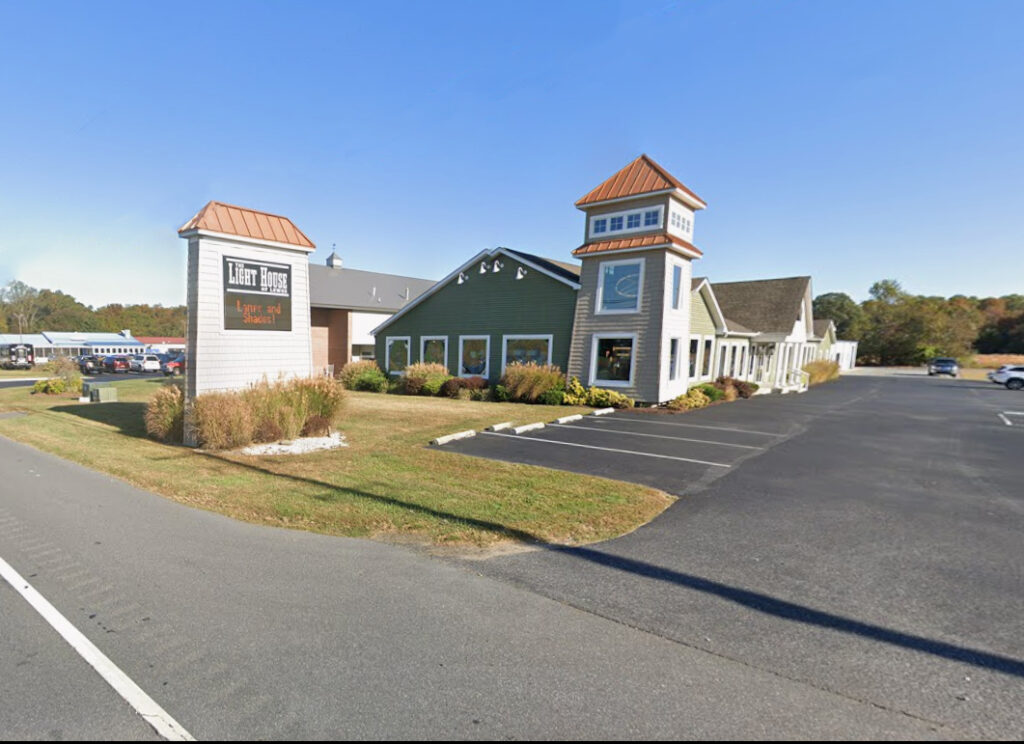
The size of the original sign was too small to be read by passing trafffic.
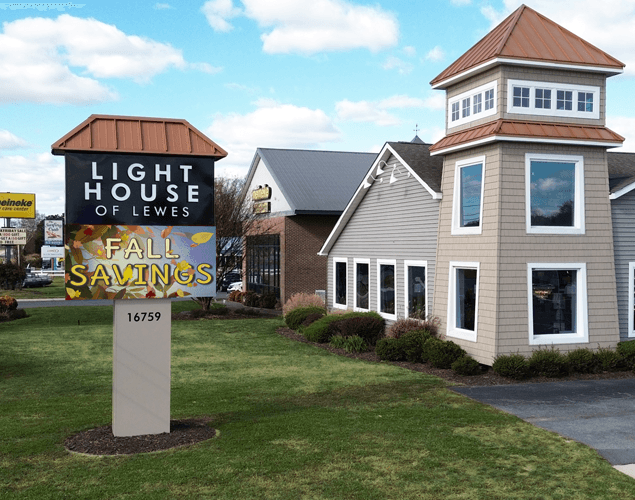
The new sign is larger and easier to read – attracting passers-by.
Outdoor Mounting Options
This is where things start to feel technical for buyers, but it doesn’t have to. The easiest way to think about outdoor mounting is:
Mounting is how your sign earns visibility.
Different mounting styles solve different visibility problems. Below are the most common outdoor LED sign mounting options, and what they’re best for.
Wall-Mounted LED Signs (Building Attachment)
A wall-mounted LED digital sign makes sense when the building itself is the landmark and you want the sign to be clearly connected to your location.
Best for:
- Businesses On Slower Streets Where The Building Is Easy To See
- Entrances Where People Are Already Approaching Your Front Door
Watch for:
- The sign being too high or too low to read comfortably
- Building corners or awnings blocking the view
- Poor angle from the direction traffic is coming from
If the building sits back far from the road, wall-mounted can still work—but only if the viewing distance and angle support readability.
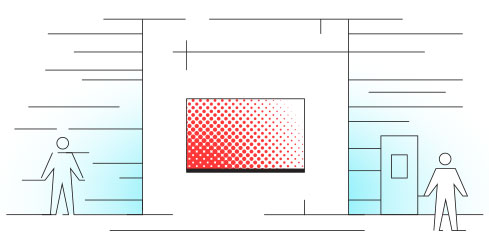
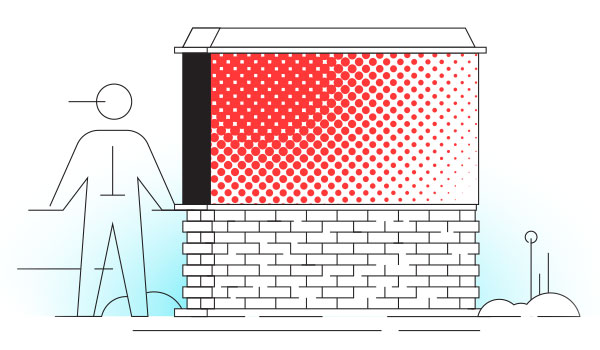
Monument Signs (Low-Profile Ground Mount)
Monument mounting is the classic “near the entrance” solution. It tends to feel clean, professional, and approachable—especially for campuses, municipalities, and businesses with landscaped frontage.
Best for:
- Entrances And Driveways
- Slower Traffic Areas Where People Are Turning In
- Properties Where You Want The Sign To Feel Integrated, Not Towering
Watch for:
- Landscaping, parked cars, snow piles, or grading that blocks the lower portion of the sign
- Placement too far back where it loses impact
Monument signs often work beautifully when the goal is practical visibility without needing the sign elevated high above the ground.
Single Pole Or Double Pole (Elevated Visibility)
Pole mounting is used when the sign needs to sit higher to clear obstacles or reach longer viewing distances.
Best for:
- Longer sightlines and farther viewing distances
- Locations where the sign needs to be seen over parked vehicles or frontage clutter
- Roadside visibility where elevation matters
Watch for:
- The sign ending up so high that it’s visible, but not readable
- The temptation to add too much message content just because the sign is “big”
Pole mounting typically brings more structure and foundation planning into the project, which often affects cost.
Pylon Conversions And Custom Structures
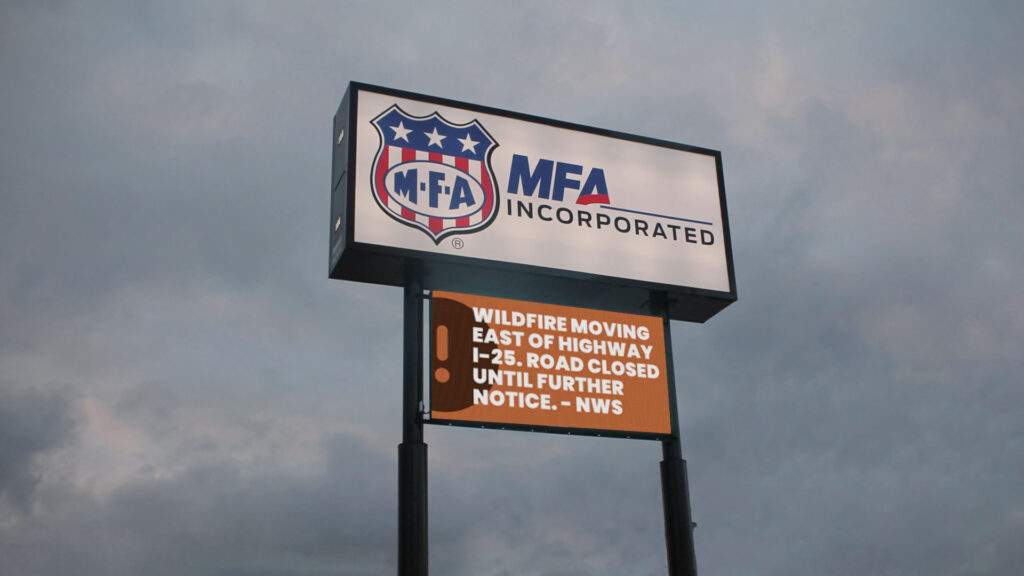
If you already have an existing sign structure (like a cabinet sign or pylon), a conversion can sometimes be a smart path—depending on the condition of the structure.
Best for:
- Replacing older sign faces while keeping the footprint
- Properties where the sign location is already established and permitted
Watch for:
- Structural condition (not all existing structures are ideal for reuse)
- Electrical upgrades
- Whether the existing placement is actually “the best” placement, or just “the old” placement
Custom structures are also common when the site has unique constraints—like uneven terrain, unusual approach angles, or strict height/setback requirements.

How Mounting Affects Cost Planning
Mounting is often one of the first decisions that changes project cost.
In general:
- Monument Mounting often involves site work and a base but is typically straightforward.
- Pole Mounting usually involves larger foundations and additional structural work.
- Wall Mounting may require structural reinforcement and careful cable routing.
- Custom Structures Or Conversions can vary depending on what already exists on site.
You don’t need to have every number figured out today. You just want to recognize that mounting style is part of the buying decision, not an afterthought.
Indoor Size and Placement
Indoor LED displays are usually easier to place because you don’t have outdoor code constraints, but they still need planning:
- People are closer (So layout and detail matter more)
- You need safe mounting and clean cable paths
- The display should sit where people naturally pause or look (Not where they rush past)
If your indoor display is meant to feel high impact, placement matters as much as the display itself.
The Takeaway: Build The Plan In This Order
If you’re feeling overwhelmed, keep it simple:
- Decide whether your LED digital sign is indoor or outdoor
- Identify typical viewing distance and approach direction
- Choose a mounting style that fits visibility needs
- Decide size and message design together
When those pieces line up, the rest of the buying decision becomes much easier—and you’ll end up with an LED sign that looks good and performs the way you expect.
If you want help thinking it through, send your location type (indoor or outdoor), a rough viewing distance, and one or two example messages you want to display. We can help you narrow down a smart direction without overcomplicating the process.

FAQs About LED Sign Size and Placement

Speed matters because it reduces viewing time. The faster traffic is moving, the fewer seconds someone has to notice your LED digital sign, read it, and react.
Here’s the practical takeaway:
- Faster traffic = Bigger, simpler messages.
- Faster traffic = Fewer words per screen.
- Faster traffic = Placement matters more (you need longer “approach visibility,” not a sign people see at the last second).
Even transportation guidance recognizes that drivers have short available viewing time and that sign lettering is optimized for rapid recognition at speed.
And for a real example, one readability note points out that at 45 mph a driver may only have about 2 seconds to read and comprehend a message while approaching.
If your site is on faster roads, the safest strategy is:
- Keep each message to one clear thought, and
- Size your text for the distance where drivers first see it—not where they’re closest to the sign. Trouble
Letter height is one of the easiest ways to plan readability. The USSC Foundation describes Legibility Index as feet of legibility per inch of capital letter height.
A common USSC rules of thumb approach uses a legibility index of about 30 ft per inch for on-premise signs (varies by conditions, contrast, and layout, but it’s a solid planning start).
That gives you quick, easy estimates:
- 3-inch letters: ~90 feet
- 6-inch letters: ~180 feet
- 12-inch letters: ~360 feet
- 18-inch letters: ~540 feet
(Those are approximate planning numbers using 30 ft/in.)
This is why you’ll hear the same advice over and over: if the viewing distance increases, letter height has to increase too.
Local zoning laws are the biggest regulatory factor determining where your display can be placed and how large it can be. Municipalities enforce specific rules regarding property line setbacks, right-of-way boundaries, maximum overall height, and the allowable square footage of the sign face. For example, over 85% of local zoning codes require commercial signs to be set back at least 10 to 15 feet from the public right-of-way to ensure driver visibility at intersections. Additionally, local regulations often govern message hold times and night-time brightness levels, typically capping output at 500 NITs after sunset. It is critical to confirm these exact footprint constraints with your local zoning office before purchasing your sign to avoid costly installation delays.

Want an expert opinion before you lock in placement and mounting?
Talk it through with someone who does this every day. A quick conversation can save you from choosing a spot that’s visible but hard to read. Call 888-359-9558 for expert advice.