Plan your next LED sign with confidence.
Buyer’s guides, case studies, videos, white papers, and comparisons to help you make informed decisions.

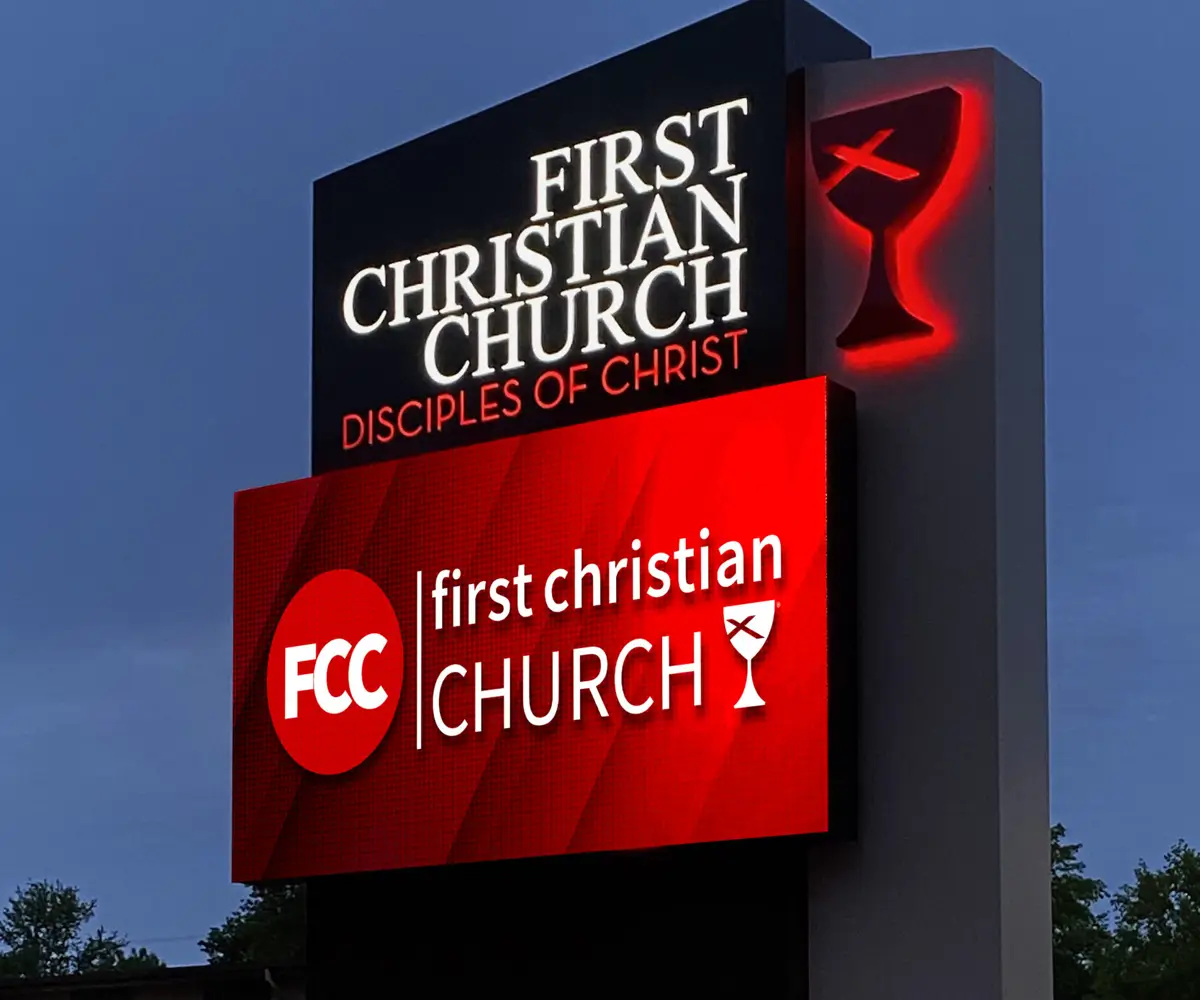
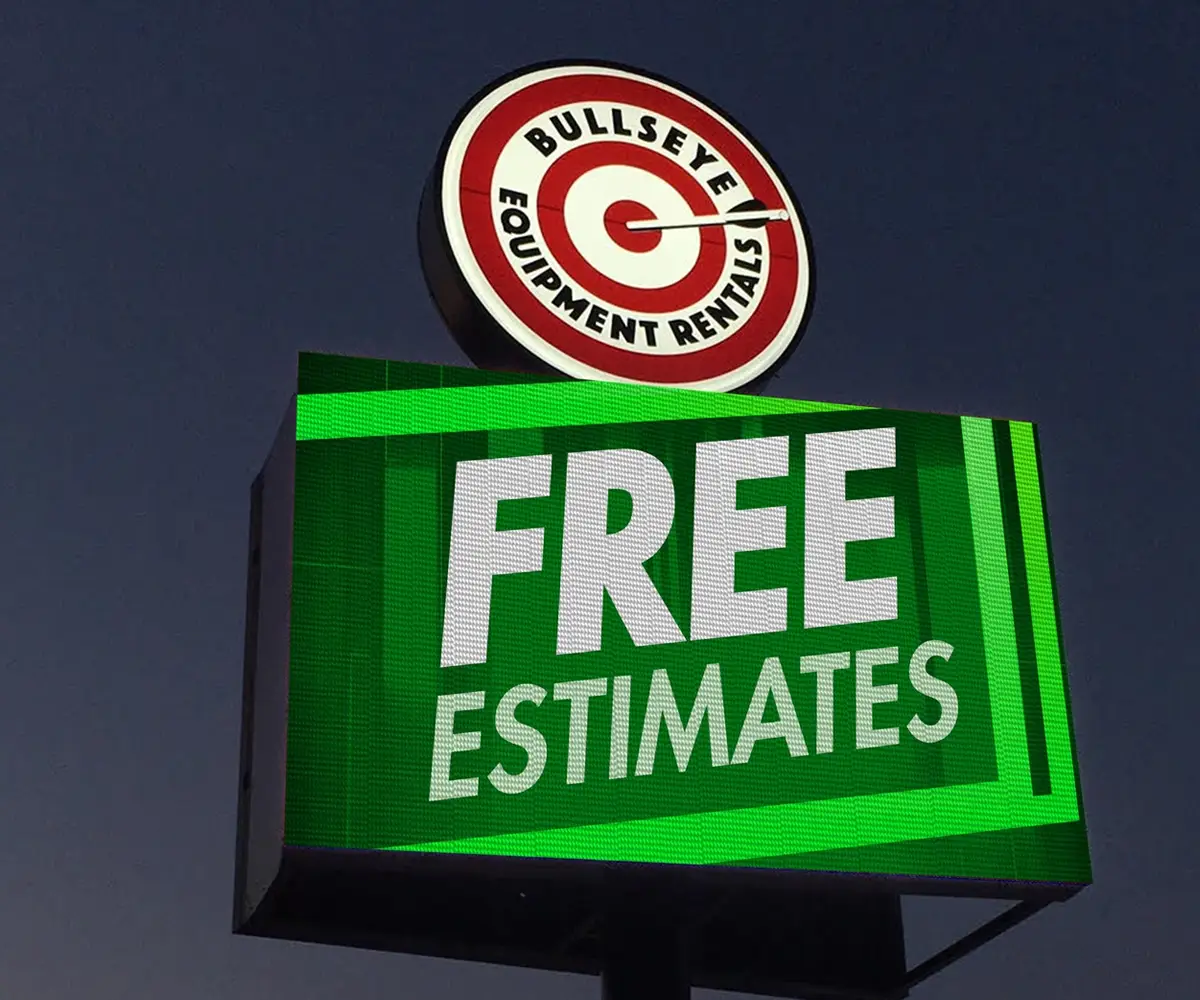
Find the information you need.
Understand the technology, compare your options, and plan with real project examples.
Buyer’s Guide
Understand the key choices before you buy an LED sign.
Read more →White Papers
Read technical guides on engineering, reliability, and long-term performance.
Read more →Case Studies & Success Stories
See how real organizations use NEXT LED displays.
Read more →Digital Insights
Find practical advice on content, planning, and display use.
Read more →Video Resources
Watch videos about LED technology and project planning.
Read more →Comparisons
Compare NEXT LED products and manufacturer approaches.
Read more →A clearer plan for your next sign.
Planning an LED sign project takes more than comparing screen sizes or asking for a quick price. Buyers need to understand how brightness, pixel pitch, viewing distance, installation structure, software, power use, content strategy, and long-term maintenance all affect real-world performance. The NEXT LED Signs Resource Center brings those details together in one place so businesses, schools, municipalities, churches, and commercial organizations can make better decisions before they buy.
Digital signage can feel technical at first, especially when you are trying to separate manufacturer claims from the details that actually matter after installation. For example, two signs may look similar on paper, but differences in thermal management, cabinet design, brightness headroom, communication options, and service access can change how well the display performs over time. That is why this resource library includes white papers, buyer guides, product comparisons, case studies, blog articles, and video resources that explain LED sign performance in plain language.
These resources are built around the questions buyers ask most often: which pixel pitch fits my viewing distance, how bright does an outdoor LED sign need to be, what affects total cost of ownership, what makes one LED sign design more reliable than another, and how can better content improve visibility and response? You can review technical topics, compare LED sign manufacturers, look at real project examples, and find practical guidance for planning a sign that fits your location, audience, and budget.
Whether you are researching outdoor LED signs, indoor LED displays, electronic message centers, scoreboards, or LED video displays, this Resource Center is designed to help you move forward with a clearer plan. Start with the section that matches your question, then use the related guides and examples to narrow your next step.
Frequently Asked Questions
Your LED sign questions, answered.
Practical answers to common questions about planning and using an LED sign.
01 How much does a digital LED sign cost?
Honestly, the price varies quite a bit. It’s like asking "how much does a car cost?"—it depends on what you need. For an LED sign, the biggest cost factors are the size of the display and its pixel pitch (think of that as the image resolution). A crystal-clear sign for close-up traffic will cost more per square foot than a large highway billboard. When budgeting, don’t forget to factor in the installation, permit fees, and necessary electrical work.
02 How long do outdoor LED signs last?
You can expect a high-quality LED sign to last a long time—about 10 to 12 years of continuous, 24/7 use. Industry specs usually rate them for 100,000 hours. It’s important to understand that "lifespan" in our world means the LEDs have dimmed to 50% of their original brightness, not that the sign has completely failed. Our fanless, solid-state architecture is designed to help your sign reach that full lifespan by reducing wear and tear.
03 Are LED signs high maintenance?
Not at all, especially with the right engineering. Traditional LED signs use mechanical fans that suck in dust, moisture, and pollutants, meaning you have to clean them out regularly. Our 100% solid-state design has zero moving parts, so there’s no filtering system to maintain. For a NEXT LED Signs owner, maintenance is mostly about giving the sign face a quick clean to keep your messages looking sharp.
04 Can you see LED signs in direct sunlight?
Absolutely. The key is making sure the sign is built with enough "brightness headroom." While a sign rated at 4,000 to 5,000 NITs can compete with the sun, we believe it’s better to have more power in reserve. That’s why we recommend starting at 7,500 to 10,000 NITs. This overhead lets you gradually turn up the brightness over the next decade as the LEDs naturally dim, ensuring your sign is perfectly readable for its entire life.
05 Can I put a digital sign on my existing monument?
Yes, in many cases, we can do that! It’s a great way to modernize your look. Before we get started, we just need to do a thorough check on your current structure. A new LED sign can add significant wind load, so we want to make sure the existing base is strong enough to be safe and meet all local building codes.
06 Can I use a TV as an outdoor sign?
We get asked this a lot, but a home TV simply isn’t built for the outdoors. It’s not bright enough to fight the sun, and the elements—rain, heat, and cold—will cause it to fail very quickly. A consumer TV will experience a destructive "greenhouse effect" inside any enclosure. True, commercial-grade LED signage is engineered with rugged materials designed to last a decade in harsh weather.
07 Are LED signs bad for your eyes?
No, modern digital signage is designed with safety and comfort in mind. Our signs include smart light sensors that automatically adjust to the environment. They’ll run at high power during the day to combat glare, but at night, they automatically dim way down. This prevents harsh eye strain for drivers and keeps you in full compliance with any local light-pollution or dark-sky ordinances.
08 Can LED signs catch on fire?
This is extremely rare for professionally built signage. Fires in our industry are almost always caused by poor-quality power supplies or improper installation of non-certified (non-UL) equipment. We only use high-grade, certified components. Furthermore, by eliminating mechanical fans and moving parts, our solid-state engineering significantly reduces the risk of any internal overheating.
09 Will an LED sign work in the rain?
You bet. Professional outdoor LED signs carry high Ingress Protection (IP) ratings, which means they are completely sealed against rain, snow, and humidity. We also protect key internal electronics with a special "potting" compound that encases them. As long as your sign is professionally installed and grounded, it will keep running reliably no matter what the weather is doing.
10 Do LED signs attract bugs?
LEDs don't give off the same UV radiation that traditional light bulbs do, so they are generally less attractive to "night-flying" insects. However, bugs are still attracted to the warmth and light of any display. This is another reason we advocate for fanless, solid-state designs; since there are no cooling fans to suck those bugs into the cabinet, you don't have to worry about "bug graveyards" shorting out your electronics or blocking your airflow.
Have questions about your project?
Talk with a real person about your location, goals, and the LED display options that fit your project.