







High visibility in any lighting or weather.
No moving parts. Low-maintenance operational design.
Solid state engineering for long-term reliability.
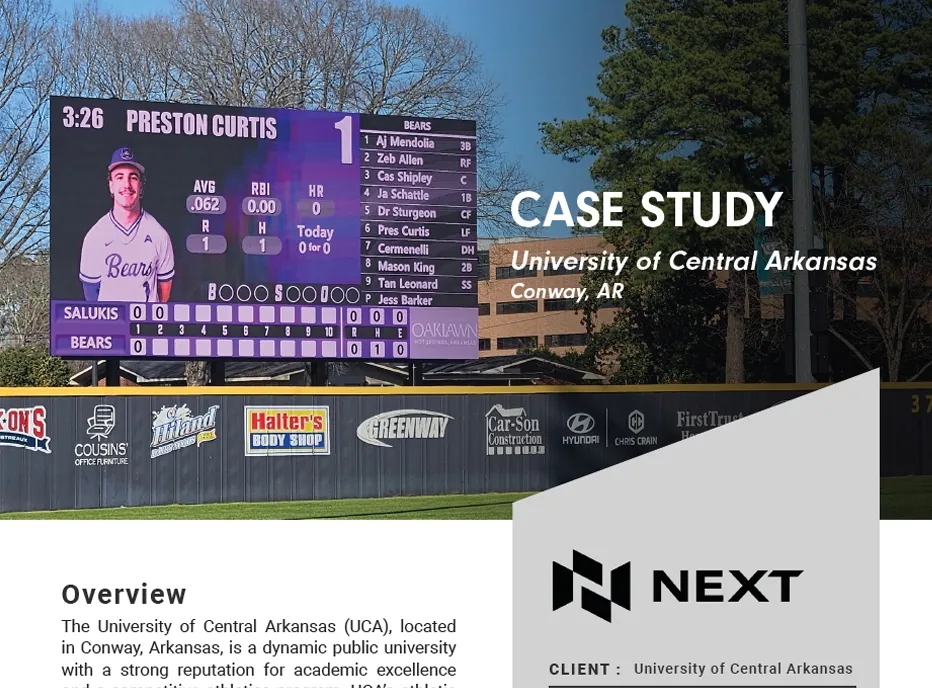
University of Central Arkansas upgraded its game-day experience with custom LED scoreboards. High-brightness indoor displays impact fan engagement, sponsorship revenue, and the overall atmosphere of collegiate athletic venues and multi-purpose arenas throughout the year.
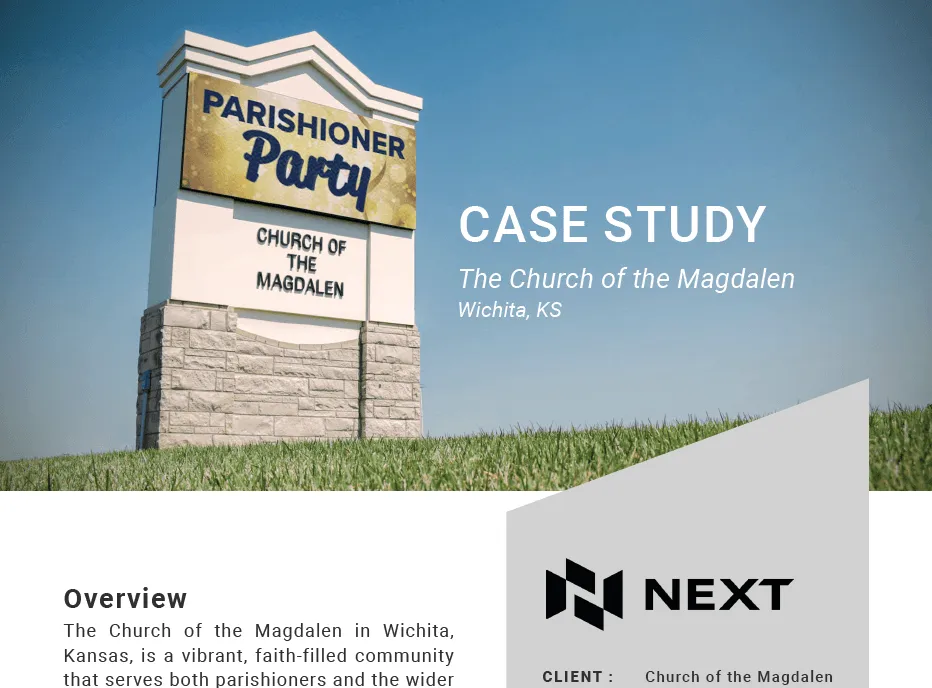
Digital signage transforms parish communication and community outreach. High-resolution outdoor LED signs increase event attendance and message visibility, providing a modern solution for religious organizations to engage their congregation with dynamic, real-time updates and announcements.
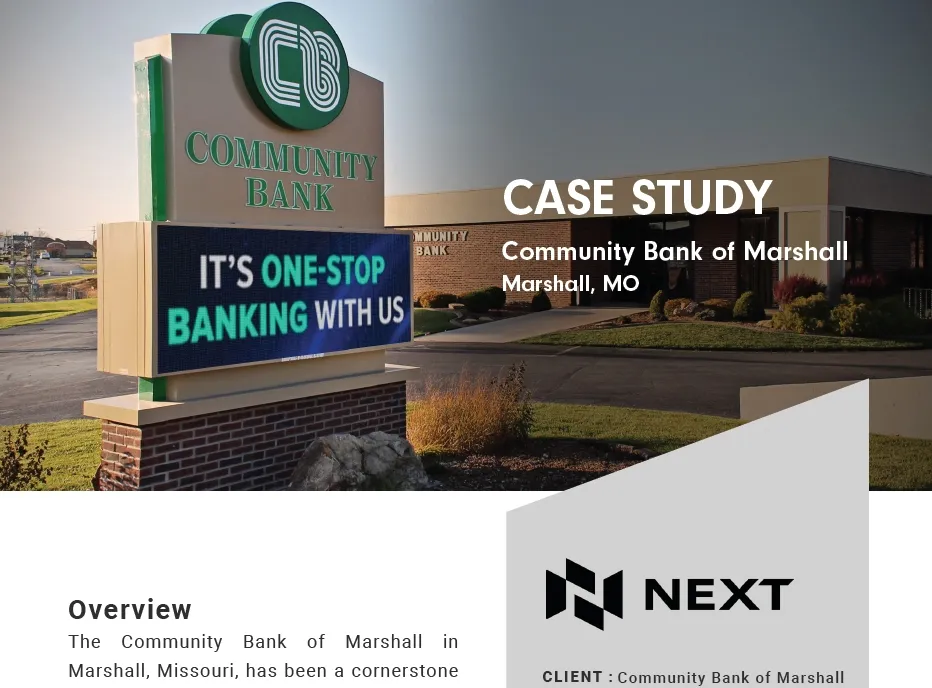
Digital signage elevates brand presence and improves customer communication in the banking sector. Community Bank of Marshall utilizes outdoor LED signs to display community news, financial service promotions, and localized messaging for branch visitors.
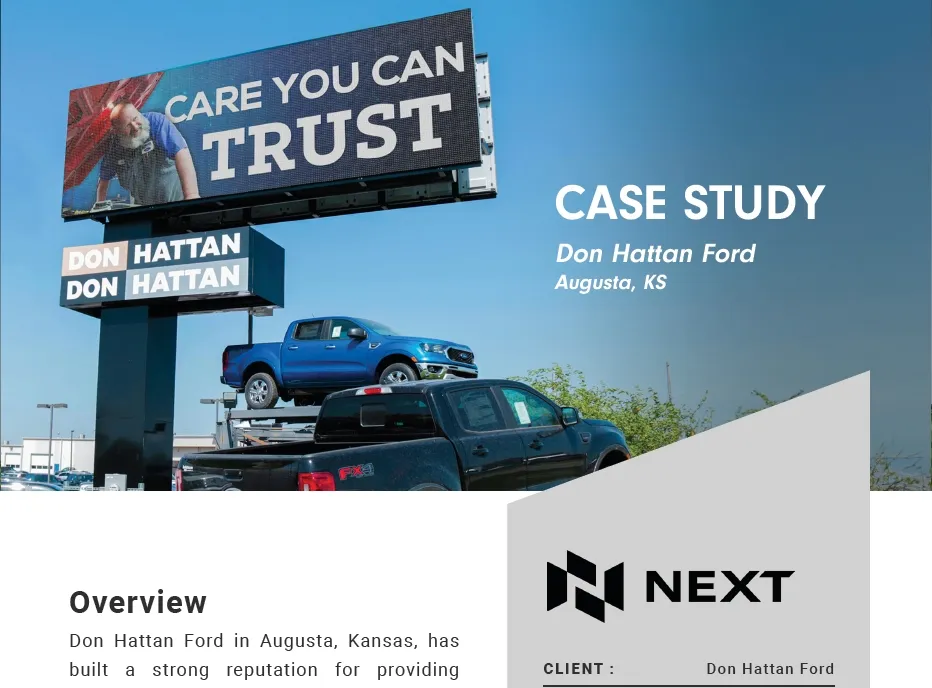
Don Hattan Ford replaced static signage with dynamic digital messaging to showcase live inventory and instantly communicate time-sensitive promotions. This high-traffic dealership achieved measurable ROI by utilizing high-impact LED technology for targeted, real-time visual marketing.
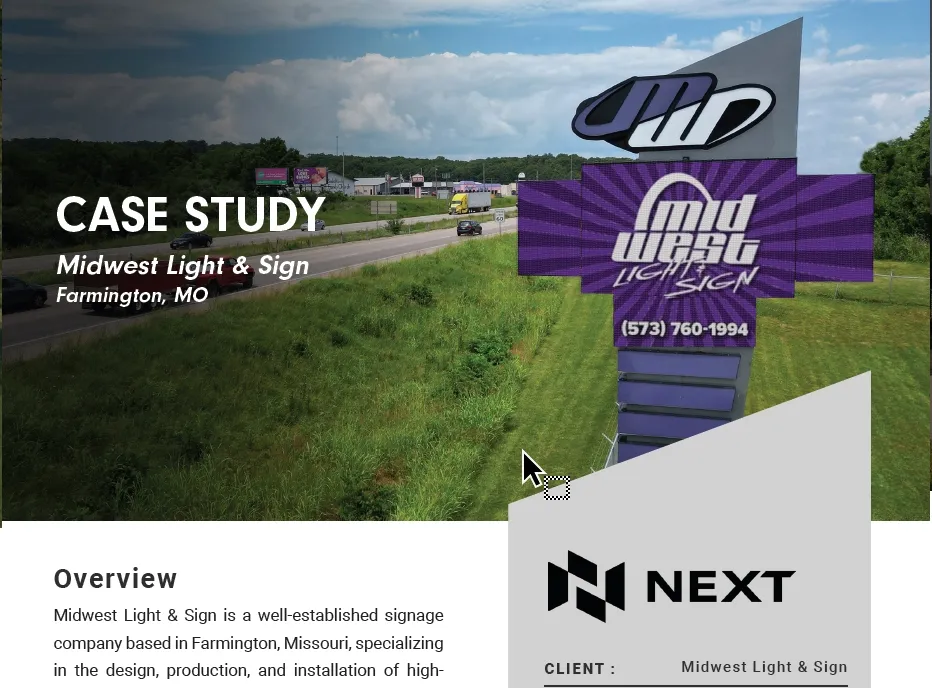
A headquarters-based digital display serves as a live showroom, demonstrating dynamic signage capabilities to prospective clients. This high-resolution LED installation provides a real-world example of how integrated display technology improves brand visibility and customer engagement strategies.
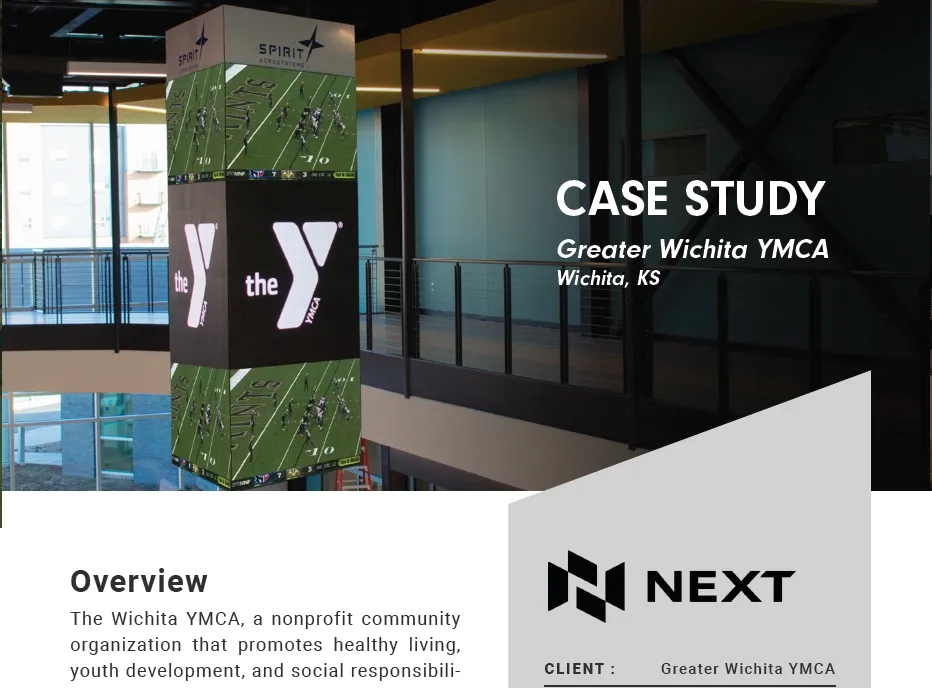
Indoor digital signage impacts member experience and facility navigation. The Wichita YMCA utilized LED displays to communicate class schedules, wellness tips, and community programs, resulting in increased participation and a modern fitness environment.
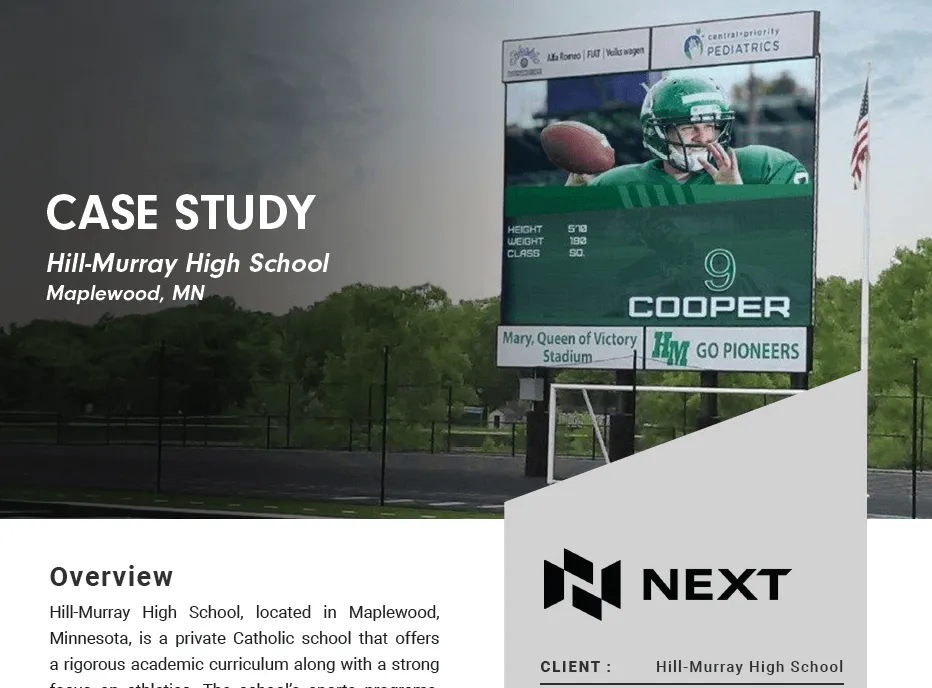
Replacing an outdated scoreboard with digital video technology boosted school spirit and funded athletics through partner advertisements. This high-definition display provides a modern platform for live game statistics, player highlights, and community-wide sponsorship opportunities.
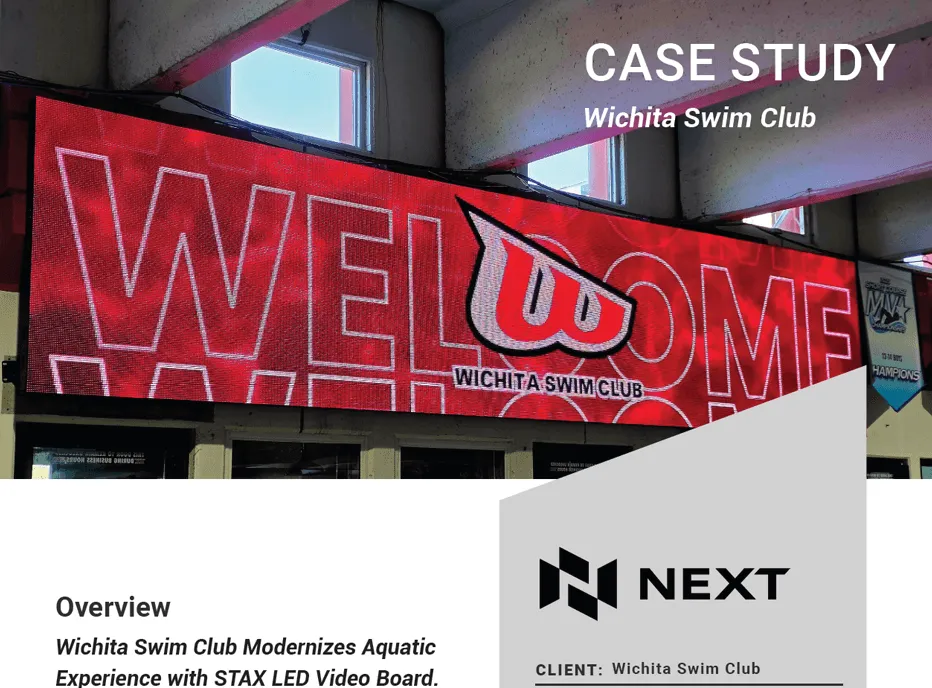
Wichita Swim Club is modernizing its aquatic facility with a full-color STAX LED video board. This case study highlights how indoor digital displays can improve event presentation, strengthen sponsor visibility, and create a more engaging experience for swimmers, spectators, and organizers
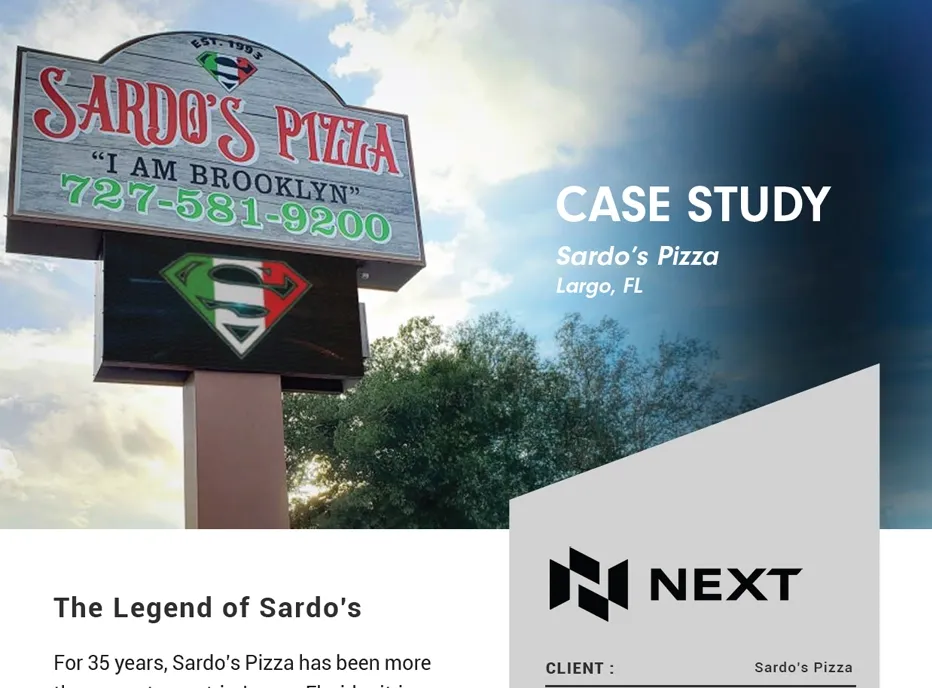
After years of climbing ladders and swapping letters, Sardo’s Pizza upgraded to a NEXT LED sign—transforming its storefront into a dynamic, attention-grabbing display that reflects its personality and connects with the community.
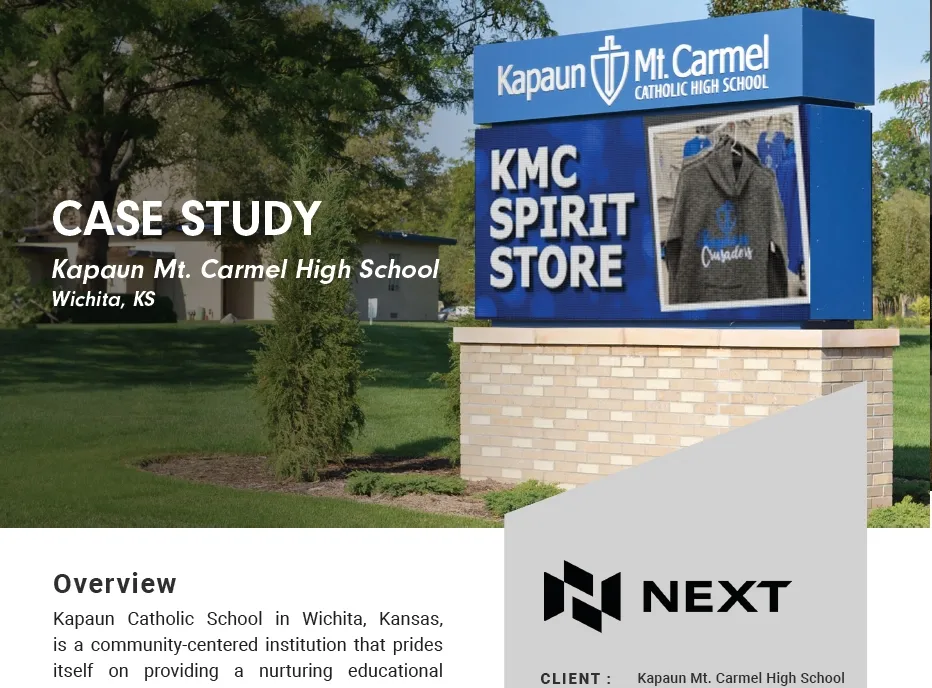
Educational institutions use digital signage to streamline campus communication. Kapaun Catholic High School enhanced student and parent engagement while improving school safety through the implementation of highly visible, easy-to-manage outdoor LED message centers.
While everyone loves seeing a jump in total sales, the smartest metric to watch is your customer acquisition cost. You can track this easily by running a "sign-only" promotion or using a specific QR code on the display. This helps you see exactly how many new customers are coming in specifically because they saw your sign.
Definitely. In fact, low-speed areas (under 35 mph) are actually better for high-detail content. Since drivers are moving slower, they have a longer "dwell time," meaning they can read more information and engage with your message longer. This usually leads to a much higher conversion rate for local shops and service providers.
Structural integrity is a primary focus during the planning phase. Professional installations include engineered shop drawings to verify that the structure can handle both the dead load (static weight) and the wind load (force). In most cases, custom steel mounting brackets are used to distribute weight safely across the building’s structural frame.
Technically, yes—but legally and practically, no. Most local zoning ordinances strictly prohibit "live video" or "distracting motion" on outdoor signage to prevent traffic accidents. While your sign may have the resolution to show the game, its primary job is to be a high-conversion marketing tool, not a neighborhood cinema.
Our case studies prove that the right LED display is an investment in your growth. If you have questions about ROI, custom installation, or local zoning for your specific location, our experts are ready to help.
Call us at 888-359-9558 and start your project today!