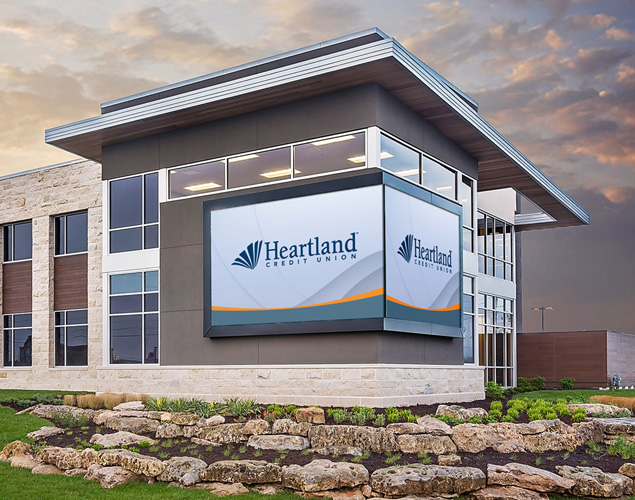
Switching to digital signage isn’t just a marketing move—it’s a massive win for the environment. When you look at the hardware, legacy neon and incandescent signs are huge energy drains and often carry toxic materials. By moving to a 100% solid-state LED display, you’re cutting your power usage by up to 80% and investing in a sign built to last over 100,000 hours. It’s the rare kind of business upgrade that actually pays for itself through lower utility bills while helping you hit your sustainability goals.
LED Sign Sustainability
As more companies focus on sustainability, LED digital signs are making a real difference. They aren’t just brighter—they’re better for the planet. From saving energy to reducing waste, LED displays are a smart, green solution for businesses that want to communicate effectively without a heavy environmental footprint.
Energy Efficiency: Lower Power Use, Bigger Savings
LED signs are one of the most energy-efficient options out there today. Compared to traditional neon or incandescent signs, LED signage uses up to 80% less electricity. That is a huge drop in power consumption without losing a bit of brightness or visibility.
Think about what that means for your daily operations:
- Lower utility bills for your business.
- Reduced strain on the local power grid.
- Fewer carbon emissions from energy production.
Built to Last: Fewer Replacements, Less Waste
One of the best “hidden” benefits of LED signs is their longevity. A quality, 100% solid-state LED display can run for over 100,000 hours.
When your hardware lasts that long, you’re actively shrinking your environmental footprint by:
- Keeping old, broken signs out of the landfill.
- Reducing the need for constant shipping and manufacturing of replacement parts.
No Toxic Materials and Recyclable Components
Traditional neon signs often contain hazardous materials like mercury and argon, which can seep into the soil if they aren’t disposed of perfectly. LEDs are free of these hazardous gases, making them safer to handle and much easier to recycle. Many of our components, from the aluminum frames to the circuit boards, can be reclaimed and given a second life, supporting a truly circular economy.

Smaller Carbon Footprint, Bigger Planet Impact
It’s not just about energy and waste. LED signs help reduce overall greenhouse gas emissions by combining efficiency and longevity. They consume fewer resources over time and need fewer raw materials to manufacture, replace, and dispose of.
Plus, many LED manufacturers are going a step further—using eco-friendly materials and greener production methods. By supporting sustainable LED signage, you’re also backing responsible manufacturing.
Recyclable Components: Supporting a Circular Economy
LED signs are often built with aluminum frames, circuit boards, and modular panels—many of which can be recycled. Instead of tossing outdated signs into the trash, businesses can reclaim those materials and give them a second life.
This kind of product design supports a circular economy, where nothing goes to waste and everything has a purpose. It’s sustainability that starts with smart engineering.
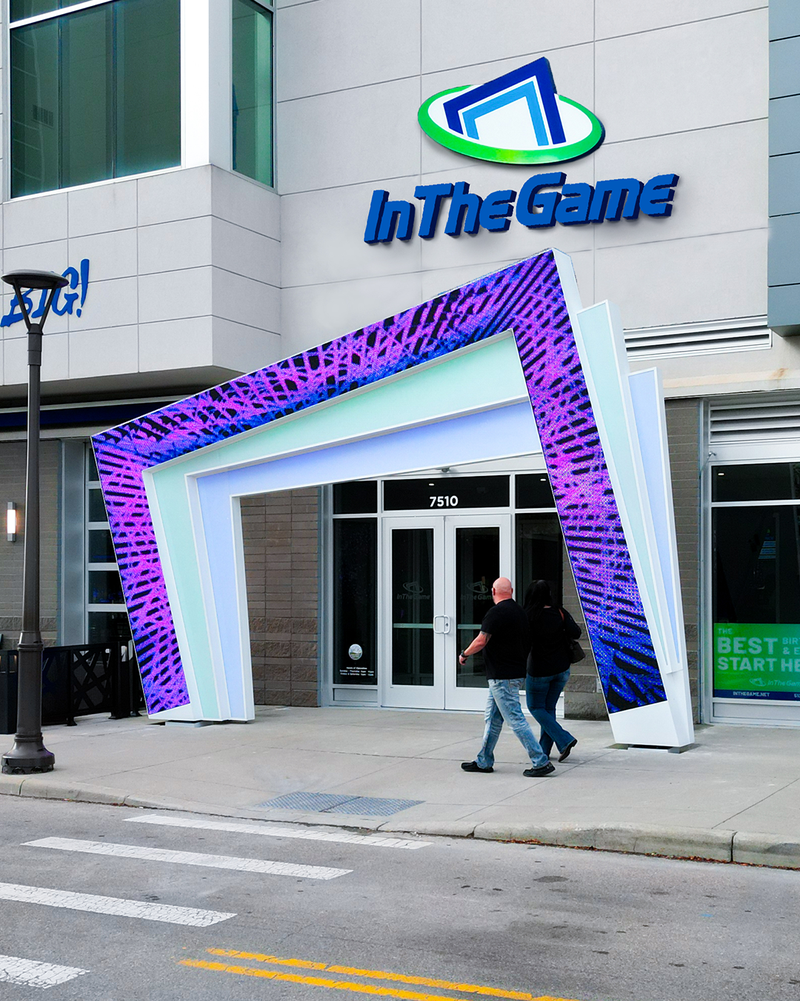
Controlling Light Pollution with Precise NITs
Over-illumination in cities can be a real problem for local wildlife and even human health. One of the great things about modern LED technology is the precise control it gives you. You can use automatic dimming sensors to adjust your NITs based on the ambient light. Your sign stays perfectly readable for your audience without becoming a nuisance to the neighborhood or wasting power.
Cutting Out the Paper Waste
Think about the mountain of paper waste from old-school flyers, posters, and banners. With digital signage solutions, you’re moving to a paperless model. You can run dozens of different campaigns on a single display and update them in real-time, which means no more sending outdated ads straight to the trash.
Eco-Friendly Messaging That Reflects Your Brand
Customers are noticing who is going green. Research shows that 57% of shoppers are willing to change their habits to reduce their environmental impact. When you use NEXT LED Signs, you’re showing your community that you share those values. It’s a visible, effective way to attract eco-minded customers and build long-term loyalty.

Helping You Qualify for Green Certifications
If you’re designing or upgrading your facility for LEED or other green building certifications, LED signage can help you qualify. These displays contribute to energy efficiency and material sustainability—key metrics in most environmental standards.
Whether you’re planning a new facility or upgrading an existing one, LED signs play a supporting role in your larger sustainability goals. Cancel
Let’s Talk About a Greener Future
LED digital signs offer more than just marketing power—they’re a commitment to sustainability. From lower energy use and longer life spans to recyclable components and cleaner lighting, they’re the kind of upgrade that benefits both your business and the planet.
NEXT LED Signs is proud to offer energy-efficient signage solutions that make a visible difference. We’ll help you find the right display for your needs—without compromising on brightness, style, or eco-friendliness.
Want to make the switch to sustainable signage? Let’s talk.
Call us at 888-359-9558 today to get started.
FAQ: LED Signs and Environmental Benefits
- How much energy do LED signs save compared to traditional signs?
LED digital signs use up to 80% less electricity than neon, incandescent, or fluorescent signage. That leads to substantial energy savings over time. - Can LED sign components be recycled?
Yes. Many LED signs are built with recyclable parts such as aluminum frames and circuit boards. These materials can be reused instead of ending up in landfills. - Do LED signs contribute to light pollution?
Not nearly as much as traditional signs. LED displays offer precise brightness control and automatic dimming, which helps reduce light spill in urban areas. - Are LED signs safer for the environment than neon signs?
Yes. Unlike neon signs, LED signs contain no hazardous gases like mercury, making them safer to dispose of and better for the environment. - Do LED signs help with LEED certification or sustainability goals?
They can. By reducing energy consumption and supporting recyclable materials, LED signs contribute points toward green building certifications like LEED.