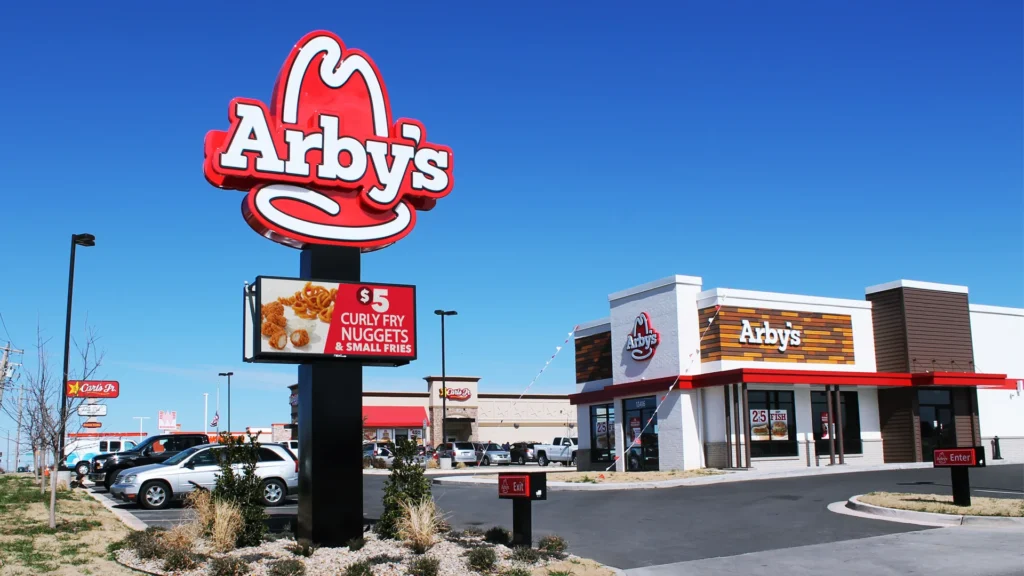
A breakfast special has a job to do before breakfast ends. By lunchtime, that same message may be taking up space that could help someone decide where to eat next.
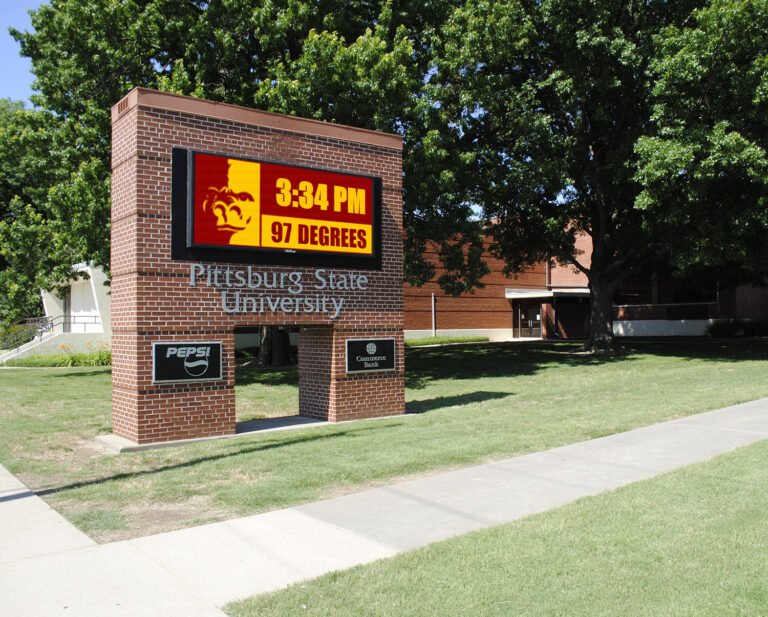
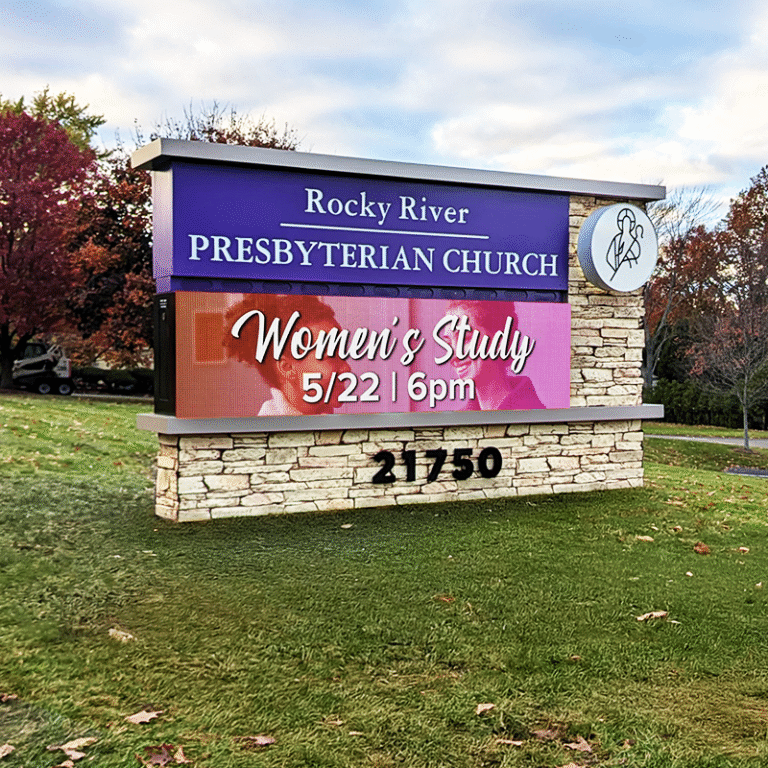
Your LED sign can follow the rhythm of your business and the people passing it. In advertising, that approach is called dayparting: scheduling messages for specific parts of the day so the offer fits the audience and the moment.
The idea is simple: the right message at the right time for the right audience. A useful schedule brings that idea to life, from the morning commute to the last opportunity to shop on the way home.
The same road brings you different opportunities
Think about the people who pass your location regularly. A commuter may see your business on the way to work and again on the way home. When the sign is visible on both trips, you have repeated opportunities to build recognition and give that person a reason to stop.
Those two trips can call for different messages. A restaurant might offer coffee and breakfast on the morning drive, then promote an easy dinner pickup on the return trip. A retailer can introduce a weekend sale early in the week and remind returning traffic when there is still time to shop.
Visitors and travelers may only pass once. They need to understand what your business is and why it matters to them, without having seen yesterday's message. A clear business name, a recognizable product or service, and a useful offer give that audience a complete introduction.
That is why branding belongs in the schedule throughout the day. A promotion can reinforce your identity at the same time: “Fresh Breakfast at Oak Street Café” says more to a first-time visitor than “Today's Special.” Each message should make sense on its own.
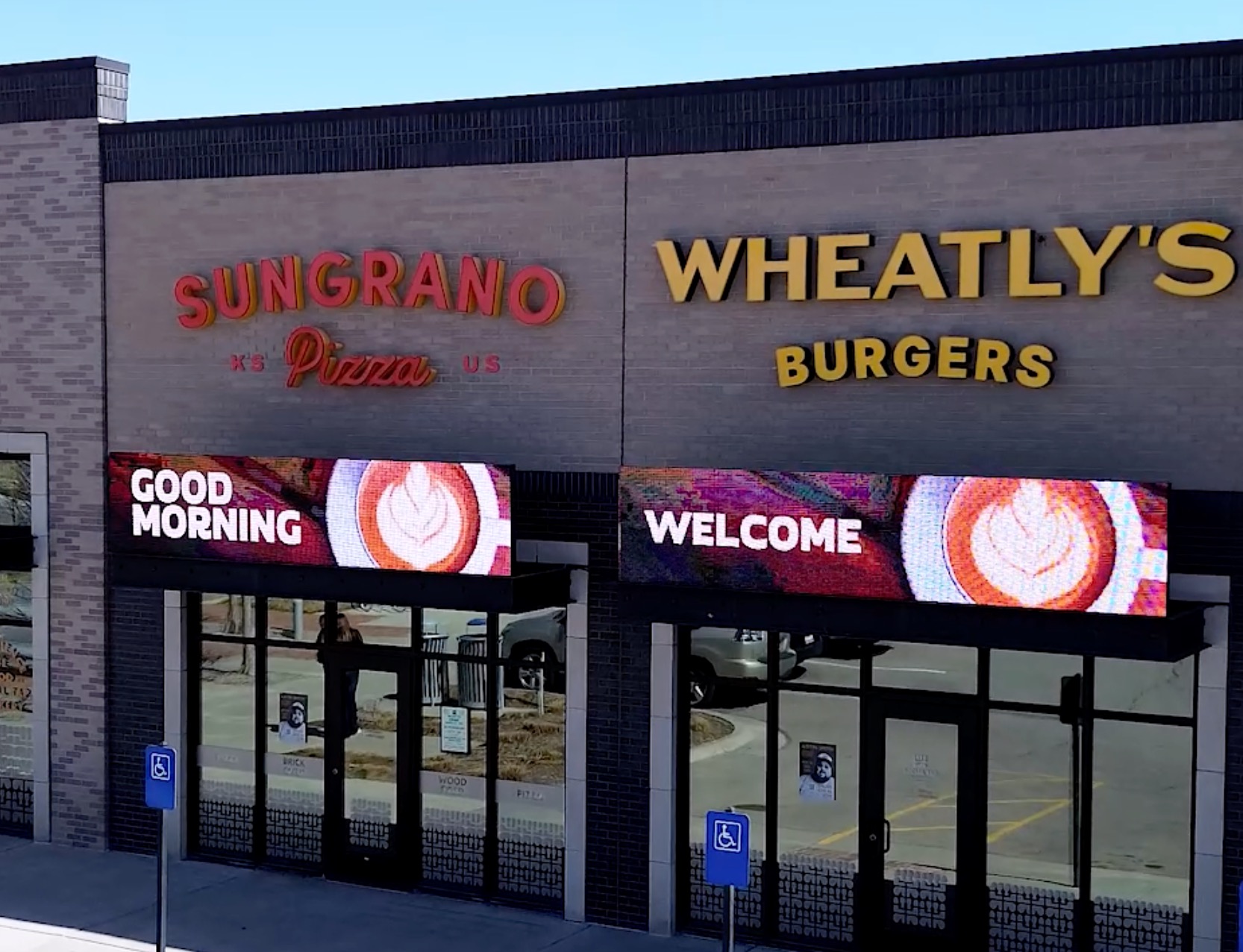
A restaurant schedule that follows the next meal
Imagine a restaurant that opens at 8 a.m., serves breakfast until 10 a.m., and stays open through dinner. Its weekday schedule could look like this:
8–10 a.m. — Catch the breakfast crowd with “Breakfast Served Until 10” or a featured breakfast item. Make the ending time clear enough that someone can decide whether to stop.
10 a.m.–2 p.m. — Replace breakfast with the lunch menu as soon as breakfast service ends. A lunch combination or “Lunch Ready When You Are” fits people planning their next meal. Only advertise immediate availability when service is ready.
2–4 p.m. — Introduce dinner pickup or family meals. This can reach people making plans before the drive home.
4 p.m.–closing — Promote the dinner offer and current pickup availability. Stop same-day offers at the order cutoff, which may be earlier than the restaurant's closing time.
The opportunity is not simply to change the picture four times. It is to keep the sign aligned with what the kitchen can deliver and what a passing customer is likely to need next.
Give evening shoppers a reason to stop
For a retailer open from 10 a.m. to 8 p.m., morning traffic can start a shopping plan even before the doors open. Later messages can help turn that plan into a visit.
7–10 a.m. — Introduce a timely product or sale and include “Opens at 10.” A first-time visitor learns what the store sells; a commuter has a reason to remember it for later.
10 a.m.–3 p.m. — Feature an available product, seasonal collection, or current discount. Keep the offer specific instead of trying to fit the whole store onto one screen.
3–6 p.m. — Give returning traffic a convenient next step, such as “Shop After Work — Open Until 8.” Pair that invitation with the product or promotion you want people to remember.
6–8 p.m. — Focus on what is still available that evening. Retire the invitation at closing rather than leaving “Shop Tonight” running overnight.
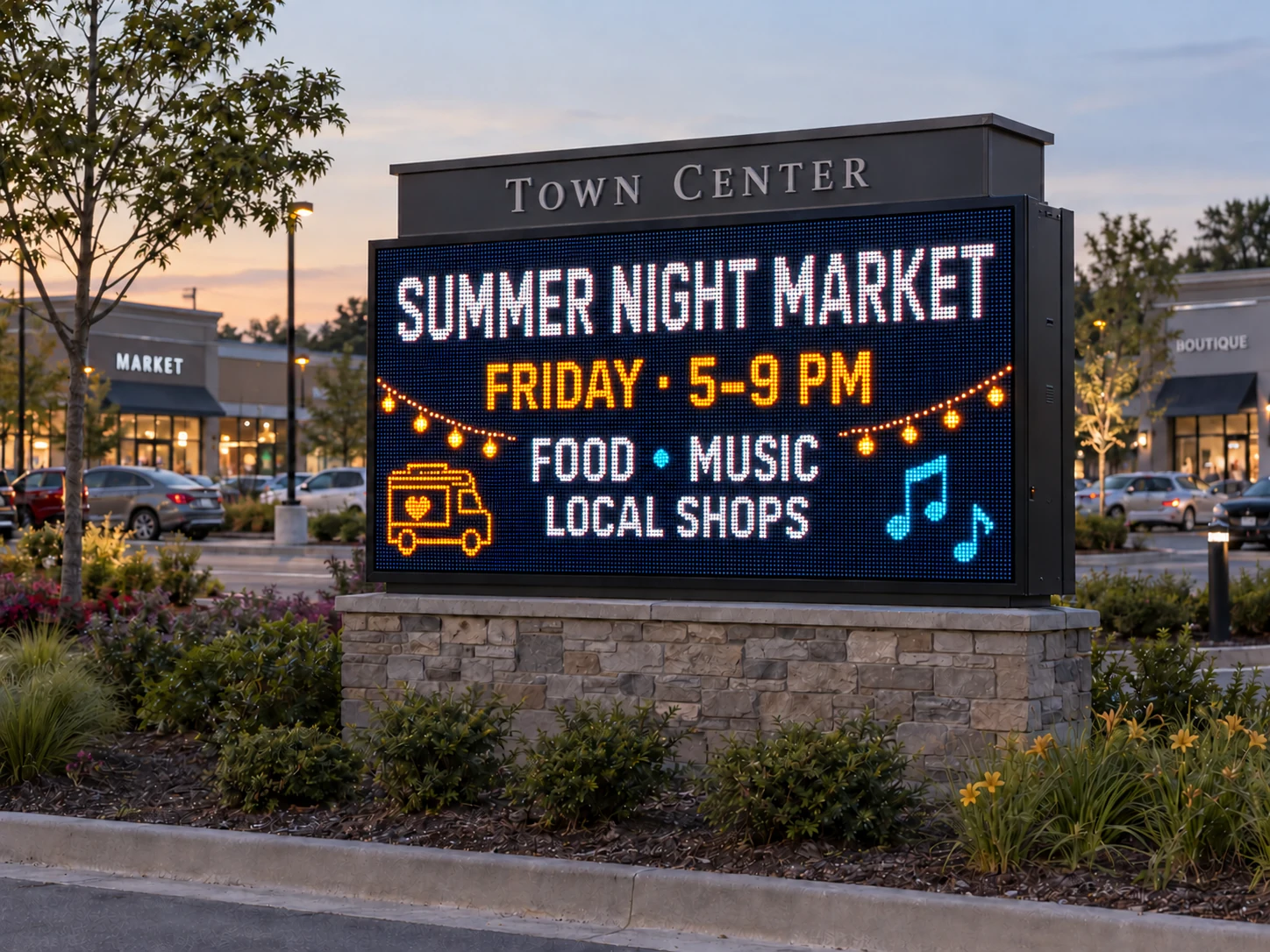
Match auto messages to service and travel patterns
An auto service business might have bays open from 8 a.m. to 6 p.m., with appointment requests available online after hours. Its sign can distinguish between those opportunities.
7–9 a.m. — Promote a service people can plan around their workday, such as “Ask About Early Drop-Off,” when that option is offered.
9 a.m.–3 p.m. — Introduce a core service or a current offer. “Tires, Brakes and Oil Changes” can help a visitor understand the business, while a specific promotion gives regular traffic another reason to notice.
3–6 p.m. — Highlight remaining service availability or booking for tomorrow. Use “Appointments Available” only when the shop can honor it.
After closing — Shift to business identification and “Request Your Next Appointment Online.” Make the message about the next visit, not service that is no longer available today.
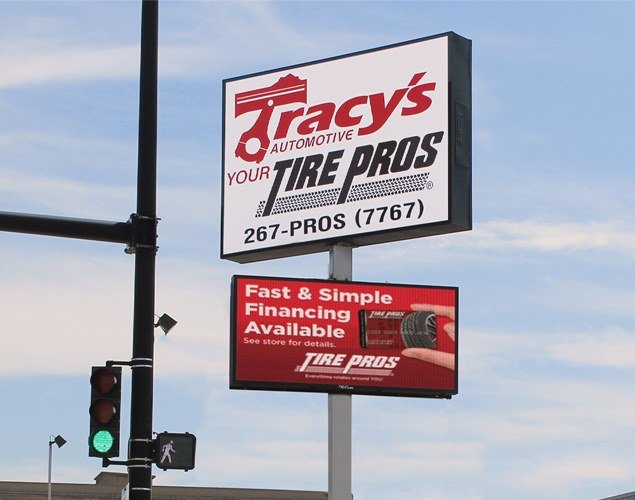
Keep seasonal offers inside the daily schedule
Seasonal offers still need the right daily timing. A winter car wash discount for removing road salt can run during operating hours in areas where roads are salted. A retailer promoting summer goods from June through September might give that offer priority during afternoon and evening shopping hours, adjusting dates to local demand and inventory. Seasonality determines the campaign; dayparting determines when people see it each day.
Keep the playlist short enough to do its job
Dayparting works best when each time period has a focused playlist. Putting every offer into every rotation brings you back to the same problem: the useful message may not appear while someone is passing.
For illustration, six messages shown for 10 seconds each create a one-minute loop before transitions. Someone who can see the sign for only a few seconds will see a small part of it. That example is a planning calculation, not a recommended message duration for every location.
Choose the most relevant messages for each period and make each one understandable at a glance. Review the approach, viewing distance, and traffic flow when setting message length. Do not require people to read several consecutive screens to understand an offer.
Put an ending on every offer
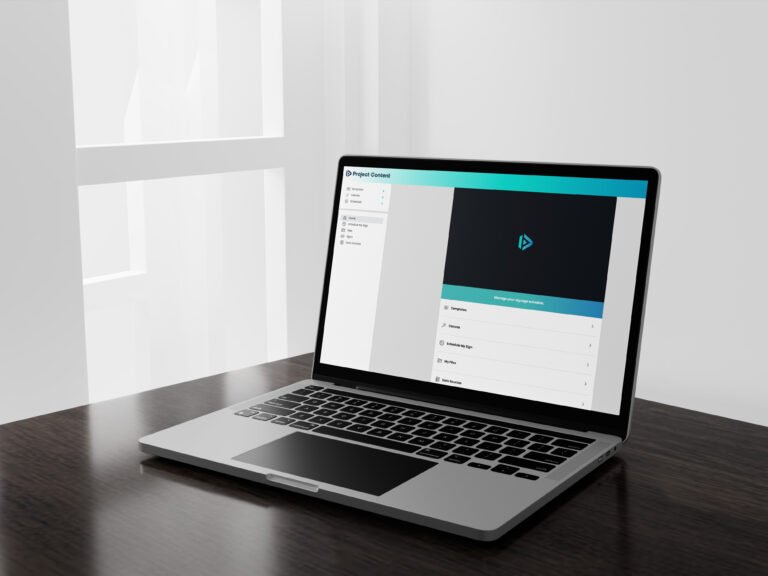
Set the campaign's start and stop dates as well as its daily hours. A weekday lunch offer needs the correct days of the week; a holiday sale needs an expiration date. Check the sign system's local time and preview what happens when scheduled content ends. Keep a current business-identification message available as the fallback.
Check results by the periods you are trying to influence. Compare breakfast orders, evening visits, promotion redemptions, or service inquiries with similar days. Note changes in weather, hours, inventory, and other advertising so you can judge the pattern in context. Ask customers what brought them in; traffic past the sign alone is not a sales result.
Your weekly planning check
- Who is passing this week, and what will they need at each time of day?
- Which offer leads each period, and is it available during those hours?
- Does every message identify the business or make sense to a first-time visitor?
- Are the dates, weekdays, local time, and fallback message correct?
- What did last week's results tell you to keep, change, or stop?
A good content schedule gives your LED sign a purpose at every part of the day. Talk with NEXT LED about putting the right message in front of the people who can act on it.