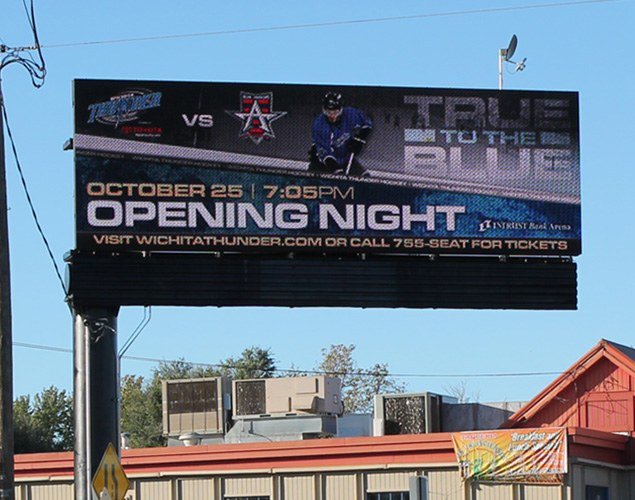
An LED sign is a long-term operating commitment as well as a communication tool. Alongside image quality and purchase price, consider the electricity it will use, how brightness will be managed, and how the display will be supported over time.
The Business Research Company identifies energy-efficient signage as one of the trends in its 2026 global sign-market outlook.[1] That report covers a broad mix of traditional and digital signs. It does not establish a universal energy-saving percentage for an individual LED installation.
Start with the actual operating conditions
Ask for power specifications for the proposed display configuration. Confirm whether a quoted figure describes maximum demand, a typical operating condition or an estimate based on particular content and brightness settings. Those figures answer different questions.
Dimensions, scheduled hours and brightness settings all belong in the discussion. Compare proposed displays using the same assumptions so that one supplier’s maximum rating is not mistaken for another supplier’s typical operating estimate.
Understand how the display manages heat
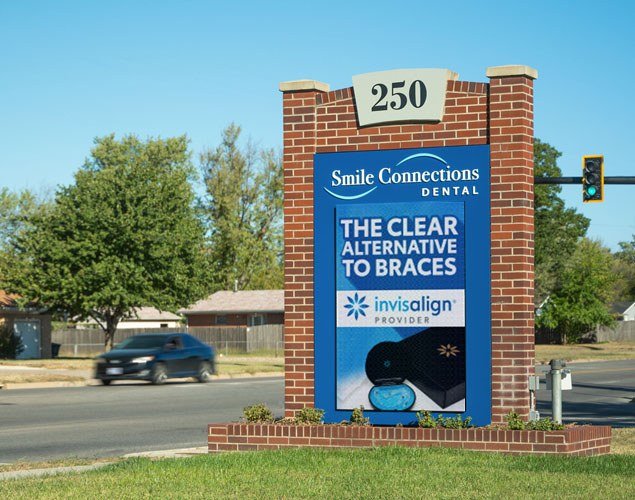
Cooling design is another ownership consideration. NEXT describes STAX construction as using sealed modules and solid-state engineering without cooling fans or ventilation.[2] A fanless design removes cooling fans as components that would otherwise need power and could require service.
The absence of fans does not, by itself, tell you the complete display’s electricity consumption. Ask for the specifications for your proposed model and size. Nor does it eliminate the need to plan for service to power supplies, controls, connections and LED modules.
Evaluate the complete installation: power provision, environmental conditions, mounting and access. A well-specified display still needs to be installed and configured for the site.
Include brightness control in the plan
Ask how brightness will be configured for daytime and nighttime conditions, whether the proposed system supports automatic adjustment, and who will set up the controls. Confirm applicable local requirements before installation.
Choose settings for appropriate visibility at the location. There is no single nighttime percentage that suits every display and environment. Also establish who can change the settings and how those adjustments will be reviewed.
Estimate annual electricity cost consistently
For a useful planning estimate, multiply the estimated average operating power in kilowatts by the expected annual operating hours and the electricity rate per kilowatt-hour. Ask the supplier or electrical contractor to help select appropriate assumptions.
Treat the result as an estimate. Actual costs depend on operating conditions and the utility’s billing structure. Avoid applying a generic savings percentage or dollar figure to a project without a documented comparison.
Look beyond the utility bill
A balanced ownership budget includes installation, electrical work, software, connectivity and service as well as electricity. Ask what is included, what is recurring and what depends on the site.
A sign’s marketing return also depends on its location, audience and content. Energy efficiency can be one part of a good buying decision, but it does not establish a guaranteed sales increase or payback period.
Talk with a real person at NEXT LED about your location, operating schedule and proposed display. We can help identify the questions to resolve before you commit.