Indoor LED scoreboard buying guide.

Plan a scoreboard for your gym, fieldhouse or arena. Compare mounting, sightlines, controls and the full project budget.

  • LayoutWall-mounted and center-hung options
  • BudgetExample pricing and installation costs
  • ControlsScoring, video and sponsor content
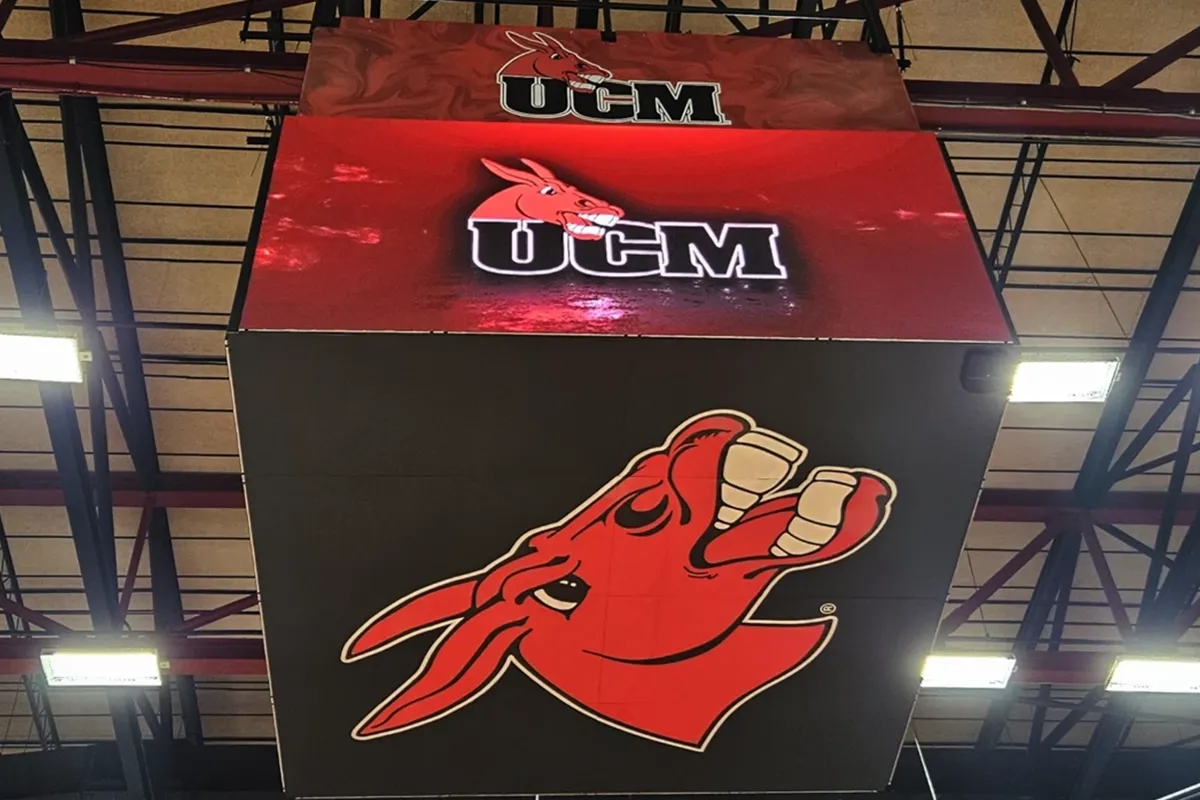
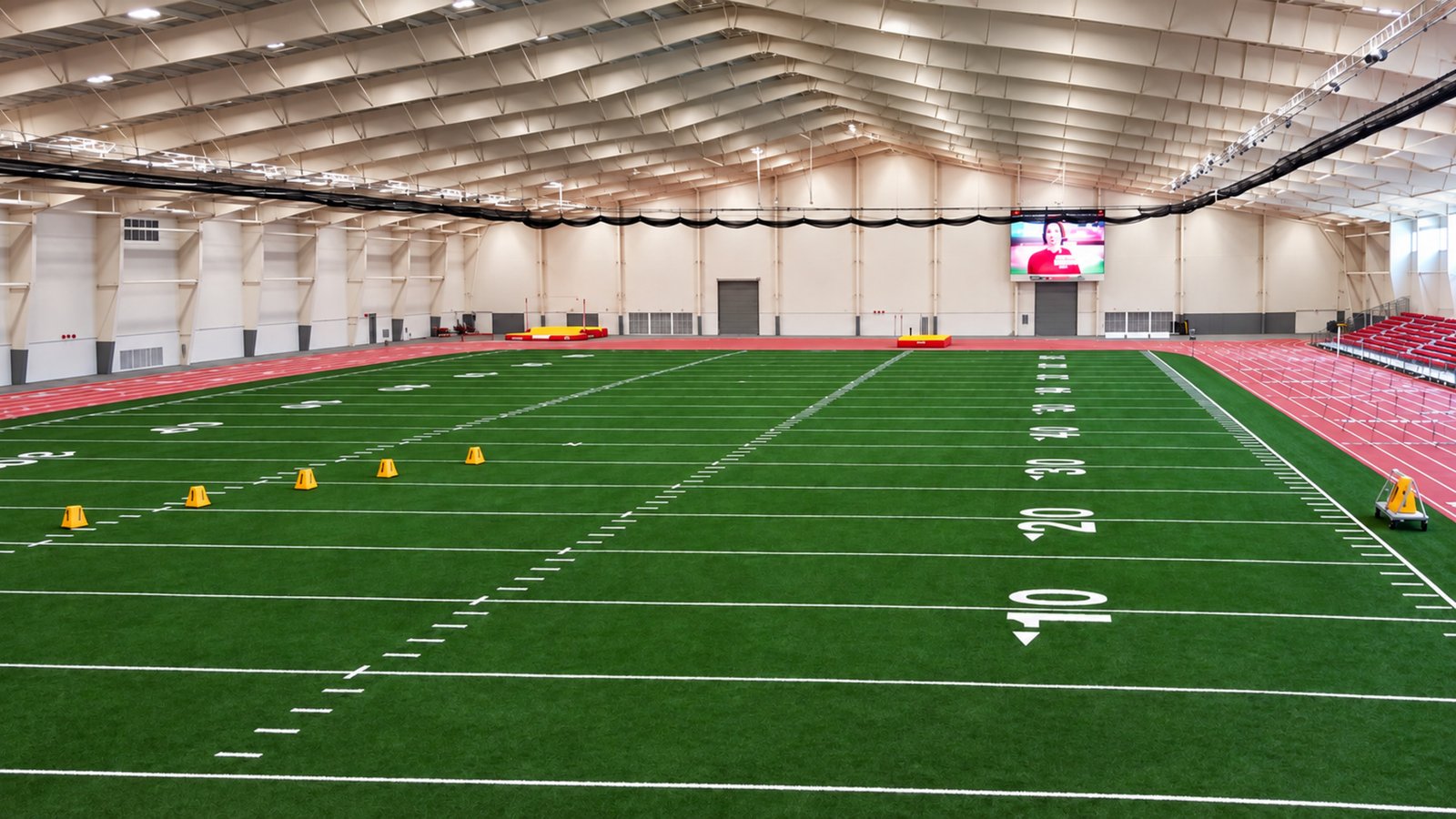
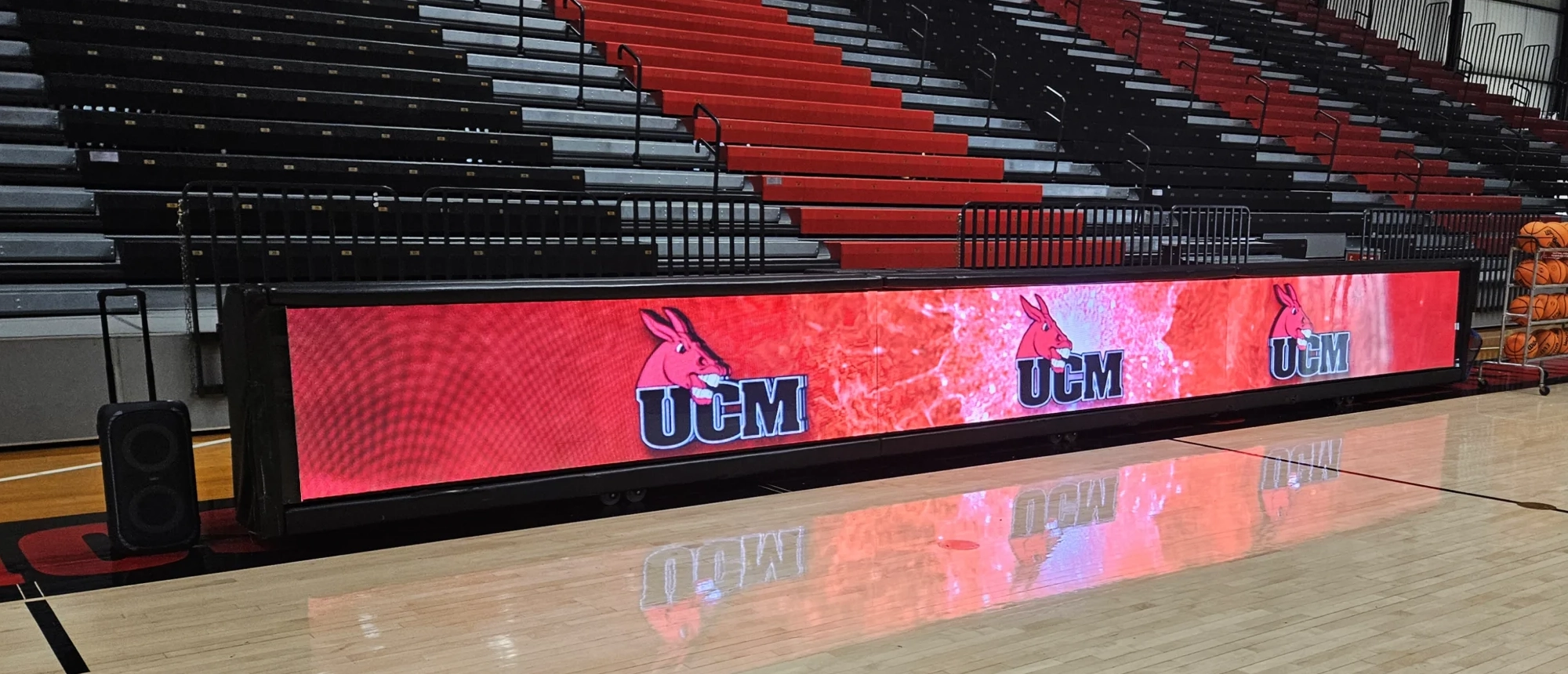
A LED scoreboard with an integrated electronic message center displays the red mule logo and UCM lettering, with a matching mule logo panel below. Overhead, ceiling lights and exposed support beams are visible in the sports arena. Wide view inside Pittsburg State University’s Plaster Center shows an indoor turf field, surrounding running track, roof structure, and a red LED video display on the far wall. LED scorer’s table beside the University of Central Missouri basketball court showing repeated UCM lettering and red mule graphics in front of black and red bleachers.

How much does an indoor LED scoreboard cost?

NEXT LED’s guide for athletic directors puts high school LED video scoreboards at $30,000 to $150,000 for early budgeting. Use that range to start the conversation. Ask for an itemized quote for your venue so you can see which costs are included.

For an indoor project, the big cost decisions are screen dimensions and pixel pitch, the number of display faces, wall support or overhead rigging, access for installation and service, and the scoring and video controls. Ask separately about electrical and data work, structural review, training, and sponsor graphics.

Compare three indoor layouts

Wall-mounted gym board

For basketball or volleyball, check which bleachers can see the wall. Decide what must stay visible during play, such as the score, clock, period or set, and possession.

Center-hung arena board

Multiple faces can serve seating on different sides of the floor. Budget for structural review, rigging, clearances, routed power and data, and safe service access.

Multi-use fieldhouse

Map where spectators sit or stand for each event. If the board will also show video, athlete profiles, or sponsor messages, plan for those sources and who will operate them.

Planning a center-hung scoreboard?

The University of Central Missouri’s Hughes Center shows how a center-hung display and an LED scorer’s table fit into an arena. Bring roof drawings and a seating plan into the first discussion. Ask the project engineer to review loads and attachment points and coordinate clearance with the venue’s equipment and activities.

Read the center-hung planning article and see the rigging diagrams →

Size the display for the seats

Use the farthest seat to check the size of score and clock text. Use the nearest seats to judge pixel pitch, the distance between pixels. Then check side seats for blocked views and decide how much room the layout needs for game information, sponsor graphics, and video at the same time.

See the sports scoreboard pixel pitch guide →

Buying for a field or stadium? See the outdoor scoreboard buying guide →

Frequently asked questions

Indoor scoreboard FAQs.

Answers about scoring equipment, power and data, and service access.

01 Can we keep our scoring console or shot clocks?

Possibly. Give the supplier the make and model of your existing controller, clocks, and timing equipment. Ask for a compatibility check and a demonstration with the proposed controls.

02 What electrical and data work should we plan for?

Have your facilities team review the proposed electrical load, network or signal path, operator location, and where the connections will land. Have the quote show who supplies and installs each part.

03 What should we budget for after installation?

Plan for staff training, content updates, and access for service. Ask how modules and power supplies are reached, who provides parts and labor under warranty, and whether servicing a suspended display requires lift access or a lowering system.