Signs Ready To Ship in 5 Days – Click Here 

Tag

Healthcare Digital Displays

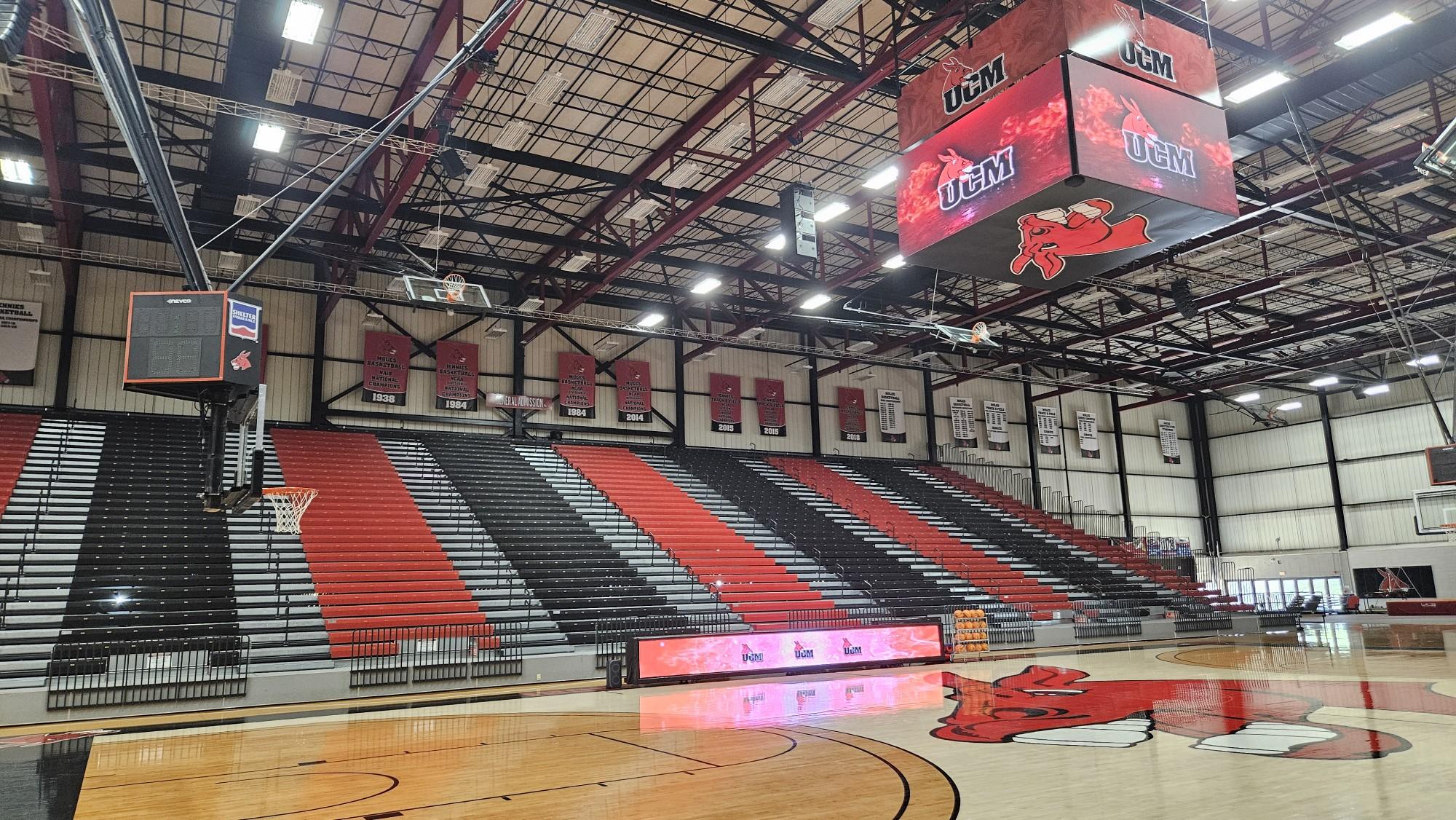
Spacious basketball gym with red, black, and white bleachers, banners, an LED electronic scoreboard showing UCM, and a red mule logo at center court.

What Schools Should Know Before Choosing a Center-Hung Video Scoreboard

A center-hung video scoreboard can create a completely different experience inside a gym or arena. It becomes the visual focal point of the room, improves sightlines for spectators, and gives schools more flexibility for video, branding, sponsorships, and game-day presentation. But unlike a wall-mounted display, a center-hung system also comes with a different set of planning requirements. That does not mean it is overly complicated or something to avoid. It simply means the project needs to be approached with the right expectations from the start. The goal is not to turn buyers into engineers. It is to help schools understand the main pieces that need to be considered early so the project moves more smoothly once it reaches design, engineering, and installation. Start with the rigging plan A center-hung display is suspended from the building structure, so one of the first questions is how that load will be supported. This is where the rigging plan comes in. The rigging layout helps determine where the scoreboard will hang, how it will be balanced, and how the load will transfer back to the building. It also helps define the hardware and support points needed for a safe installation. For the buyer, the main takeaway is simple: a center-hung board needs to be planned as part of the building structure, not treated like a standard wall sign. Understand the attachment points Once the location is established, the next step is confirming how the display will connect to the structure above it. This is one of the most important parts of the project because the attachment details affect safety, load capacity, and long-term reliability. A properly engineered connection ensures the display is supported the way it should be and that the installation team has a clear path for mounting the system correctly. From a planning standpoint, this is why early coordination matters. If the support structure is confirmed early, the project stays cleaner and more predictable.   Think about the display itself as a system A center-hung video board is more than a box hanging from the ceiling. It is a system that includes the display structure, access considerations, power, data, and serviceability. That is why it helps to think beyond the screen itself. Questions like these matter: How will power and data get to the unit? How will the display be accessed for service if needed? What size and shape make sense for the room? How will the display be viewed from different seating areas? These are not red flags. They are simply part of making sure the finished installation works the way it should in everyday use. Clearance and sightlines matter One of the biggest advantages of a center-hung scoreboard is visibility. When it is placed correctly, it can serve a larger portion of the seating bowl more evenly than a single end-wall display. That said, clearance and viewing angles still need to be considered carefully. The board needs to be high enough to avoid interfering with the playing environment while still being positioned for comfortable viewing. This is why sightline planning is part of the conversation early. A well-placed display feels natural in the room. A poorly placed one can create compromises that could have been avoided. Why we’re showing these diagrams Most buyers never get to see this side of the process until a project is already far along. We think it helps to show it earlier. These drawings are here to make the planning process easier to understand. They are not meant to overwhelm anyone or suggest that the project is harder than it is. They simply show that center-hung scoreboards involve real coordination between the display, the structure, and the installation plan. That is actually a good thing. It means the project can be approached thoughtfully, with fewer surprises later. The right project starts with the right expectations If a center-hung LED scoreboard is the right fit for your venue, it can deliver a huge visual upgrade and create a stronger game-day experience for athletes, fans, and sponsors alike. The key is to start with a clear understanding of what the installation will require. When schools think through rigging, attachment, clearance, and viewing conditions early, the project is easier to plan and much easier to execute with confidence. Frequently Asked Questions About Center Hung LED Scoreboards What does a center-hung LED scoreboard cost? The investment for a center-hung scoreboard can vary quite a bit depending on the size of the display, the resolution, and how the system is configured. Smaller gymnasium installations can start in the lower price ranges, while larger multi-sided video displays used in bigger venues can scale significantly. What matters most is how the display is designed for your space. The right size, viewing distance, and layout will have a bigger impact than chasing specs or price alone. How heavy is a center-hung scoreboard? Weight depends on the size and configuration of the display. Smaller indoor systems may weigh a few thousand pounds, while larger multi-sided video boards in bigger venues can be substantially heavier. The key thing to understand is that it’s not just about total weight—it’s about how that weight is supported. That’s why structural evaluation is always part of the planning process. How are center-hung scoreboards mounted or supported? Center-hung scoreboards are suspended from the building’s roof structure using engineered support systems. This can include steel rigging, cable systems, or a hoist system that allows the display to be lowered for maintenance. The exact approach depends on the building and how the display will be used, but every installation is designed to safely distribute the load across the structure. Do I need special structural support for a center-hung scoreboard? In most cases, yes. A center-hung display needs to be supported by the building’s structural framework—not just surface-level materials. Before installation, the structure is reviewed to confirm it can safely handle the load. If needed, reinforcement can be added during the planning phase. This is a normal part of the process and

LED Signs for Churches | NEXT LED Signs

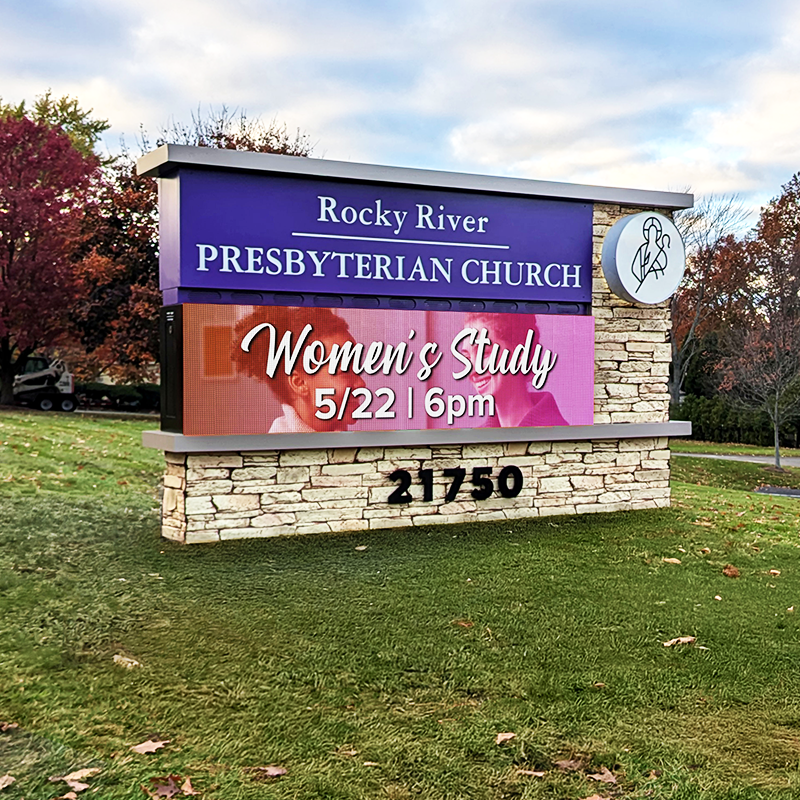
Church LED Sign Content Ideas for Services, Holidays, and Community Outreach

What kind of church sign content keeps people informed and helps outreach efforts work harder? The best content usually does three things well: it is clear, timely, and easy to read. Service times, holiday events, family programs, and community outreach messages tend to perform better than crowded slides or vague wording because people only have a few seconds to process what they see. That matters even more for churches because many first-time visitors check a church online before attending. Pushpay reports that 80% of people visit a church’s website before attending in person, which means your sign often works as part of a larger first-impression system. At the same time, Barna reports that 44% of U.S. adults say they are more open to God today than they were before the pandemic, so the opportunity is there. A strong church LED sign helps turn that openness into awareness, interest, and action. Church sign content works best when it stays focused A church LED sign can do a lot, but that does not mean it should try to say everything at once. The most effective sign content is usually the simplest. If someone is driving by, they are not stopping to read a paragraph. They are scanning for one clear message, one event, one service time, or one reason to pay attention. That is why churches usually get better results when they focus on short, specific content themes instead of trying to fill every inch of the screen. A Christmas Eve service, a youth night, a free community dinner, a prayer gathering, or updated Sunday service times all give people a direct reason to notice the message. By contrast, a sign filled with too many words or too many ideas often becomes forgettable. This fits with what we know about how people interact with churches in general. Pushpay says 80% of people visit a church website before attending, which means the sign does not need to do all the explaining. It needs to create interest, build trust, and make the next step feel easy.  Service messages should stay clear and easy to act on Service-related content is one of the most important jobs a church sign can handle. That includes worship times, weekend schedule changes, midweek services, and special seasonal gatherings. These messages work best when they answer basic questions quickly. A good service message tells people what is happening and when. “Sunday Worship 9 and 11 AM” is stronger than a vague phrase because it removes uncertainty. If the church has a traditional and modern service, a children’s ministry check-in time, or a special Easter or Christmas schedule, the sign should make that information easy to understand at a glance. This matters because welcome and accessibility still shape whether someone takes the next step. Pushpay also reports that 75% of church visitors make a credibility judgment based on the website, which suggests clarity and confidence matter in church communication overall. The sign should support that same feeling. It should look organized, timely, and easy to follow. Holiday sign content should feel timely, not cluttered Holidays create some of the best outreach opportunities churches get all year. Easter, Christmas, Mother’s Day, fall kickoff, back-to-school season, and community service weekends all bring people who may not otherwise attend. But seasonal content works best when it stays clean and focused. A common mistake is trying to fit too much into one holiday slide. If a church tries to list every service, every event, every ministry, and every detail in one rotation, the message gets muddy. A stronger approach is to give each major point its own turn. One message might highlight the date and time for Easter services. Another might focus on a community egg hunt. Another might promote a Christmas Eve candlelight service. That kind of focus matters because people are often spiritually open, but they are not always ready to decode church language. Barna found that 44% of U.S. adults say they are more open to God today than they were before the pandemic, which means churches have real opportunity. Clear seasonal invitations help make that openness easier to act on.  Community outreach messages often connect with people first Not every first connection starts with Sunday worship. Sometimes it starts with a food drive, grief support group, blood drive, family movie night, school supply collection, or volunteer opportunity. Community outreach content helps a church show that it is active, present, and involved in real life. These messages are valuable because they widen the doorway. Someone who may not respond to “Join Us Sunday” might respond to “Free Community Dinner Friday” or “School Supply Drive This Week.” That kind of message gives people a low-pressure point of contact and lets the church communicate care in a visible, practical way. It also supports the broader opportunity churches have right now. Barna found that 74% of U.S. adults say they want to grow spiritually and 77% say they believe in a higher power. Community outreach content does not replace worship content, but it often helps people move from awareness to familiarity. That is an important first step. Readability matters as much as the message itself Even the best content idea can fail if the screen is hard to read. Good church sign content depends on design decisions just as much as wording. Contrast is one of the biggest factors. Daktronics recommends darker backgrounds rather than bright white backgrounds because white can feel harsh on LED displays and reduce visual comfort. Rich, saturated colors with strong contrast generally perform better. Daktronics also notes that all caps take longer to read, so mixed upper- and lowercase text is usually better for longer messages.  That is especially important for churches because sign content is often viewed from the road. A message should be readable quickly, with enough contrast between text and background that the words stand out immediately. If the design is too busy, if the background is too bright, or if the text treatment is too

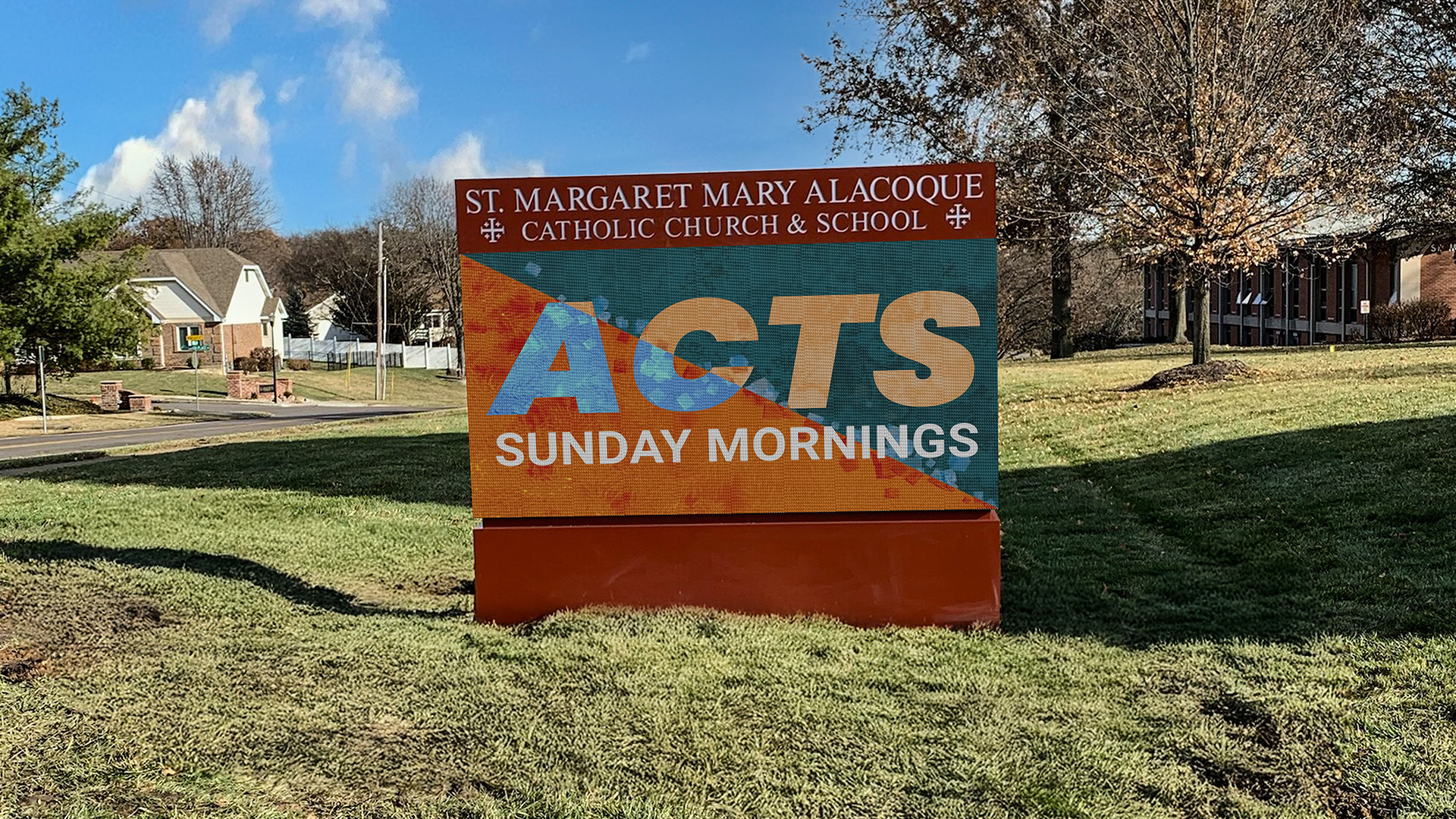
STAX Full color outdoor LED sign at St. Margaret Mary Alacoque Catholic Church and School - St. Louis, MO

LED Sign Messages That Help Churches Attract New Visitors

What church sign messages actually bring new visitors in? The strongest messages are usually the simplest ones. Clear service times, event invitations, family-focused announcements, and warm welcome language tend to work better than vague slogans or church-insider wording. That matters because many first-time visitors check a church online before ever attending, and a sign often helps create that first local impression. Pushpay reports that 80% of people visit a church’s website before attending in person, and 75% of church visitors make a credibility judgment based on the website. In other words, the sign and the website work together. A strong church LED sign can help spark interest, reduce uncertainty, and encourage someone to take the next step. Church outreach starts with clarity A church sign has a hard job. It has to communicate in just a few seconds, often to people who are driving by, distracted, or not actively looking for a church at that moment. That is why outreach messages usually work best when they are direct, friendly, and specific. A sign that says “Sunday Worship 10 AM” or “Easter Service This Sunday” gives a clear next step. A sign that says something abstract may feel meaningful to current members, but it does not always tell a newcomer why they should come or what to expect. That kind of clarity matters even more today because invitation still works, but not as easily as it once did. Barna found that twenty years ago, 65% of churchless Americans were open to being invited to church by a friend. Today, that number has dropped to 47%. That does not mean outreach is ineffective. It means churches have less room for vague messaging and more need for welcoming, low-pressure communication.  Welcome messages still matter People who have never visited your church are often trying to answer a few simple questions before they ever consider walking in. Is this place welcoming? Will I know what to do when I get there? Can I bring my kids? Will I feel out of place? That is why welcome-style messages are still some of the most effective church sign messages. Phrases like “You’re Welcome Here,” “Join Us Sunday at 10,” or “Casual Dress, Kids Ministry Available” lower anxiety. They feel approachable. They make the experience seem easier and more human. This fits with what Pushpay found about visitor behavior. Since most people look at a church website before attending, the sign does not need to do everything by itself. It needs to create enough interest and comfort to make someone look you up or remember your church name later. A good welcome message does exactly that.  Specific event messages often outperform generic slogans A lot of church signs fall into the habit of posting broad inspirational phrases. Those messages are not always bad, but they are often forgettable. For someone who is not already part of the church, they may not feel relevant enough to prompt action. Specific event-based messages usually do better because they answer the question, “Why should I pay attention right now?” A message about a holiday service, youth event, free community dinner, vacation Bible school, grief support group, or outreach ministry gives people something concrete. It turns the sign from a decoration into an invitation. That approach also lines up with Barna’s research on younger adults. Among Millennials who do not attend church, 39% say they can find God elsewhere, 35% say church is not personally relevant, and 31% say church is boring. Those numbers suggest churches should not assume that a generic spiritual phrase will feel compelling. Relevance matters. A clear event or practical point of connection is often stronger.  Family-focused messages create a natural entry point For many churches, one of the easiest ways to connect with new visitors is through family messaging. Parents often want to know whether a church has children’s programming, youth activities, or family-friendly events before they decide to attend. Even if the sign only has room for a few words, a message like “Kids Ministry Every Sunday,” “Youth Night Wednesday,” or “Family Movie Night Friday” signals that the church is thinking about real life, not just Sunday morning tradition. This also works because it gives people a practical reason to visit. Instead of asking them to make a big spiritual leap all at once, it gives them a simple first step. Churches often grow through familiarity. A family event, community activity, or kid-focused program can be the first connection that later leads to regular attendance. Community outreach messages can bring in people who would not respond to a service invitation Not everyone will respond first to “Join us Sunday.” Some people respond better to signs that show the church is active in the community. Food drives, blood drives, back-to-school events, support groups, holiday outreach, and service projects all make the church feel visible and engaged. These messages also reflect something important about spiritual openness today. Barna found that 44% of U.S. adults say they are more open to God today than they were before the pandemic. That means there is still meaningful openness, even if people are cautious about organized religion or unsure about stepping into a church building. Community-centered sign messages can meet people where they are. They show that the church is present, active, and relevant to everyday needs Repetition matters more than many churches realize A church sign message may be strong, but people still need to see it at the right time. Regular attendance patterns are softer than they used to be, which means churches cannot assume people saw last week’s message or already know what is happening. Barna research has shown that church participation and attendance habits have become less consistent over time, even among people who still identify as Christian. That makes repeated, practical communication more important. A church sign should not be treated as a one-time announcement board. It should be treated as an ongoing communication tool that reinforces service times, seasonal events, community outreach, and key ministries

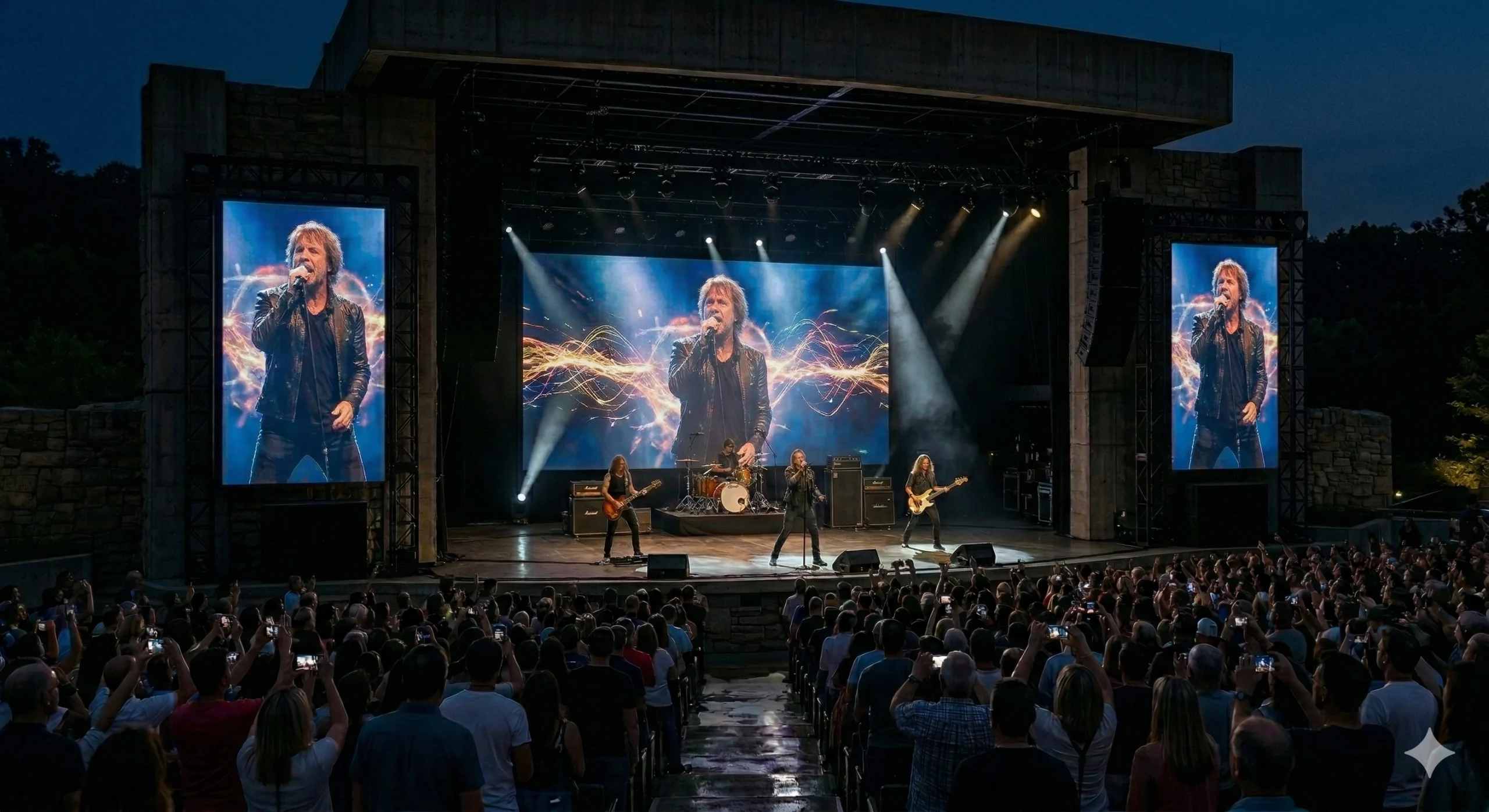
Outdoor rock band performs at night before a large crowd. Three high-brightness LED signs show lead singer. Stage lit brightly.

High-Refresh-Rate LED is the New Standard for Outdoor Amphitheaters

For amphitheaters in 2026, great sound is only part of the story. Fans expect a venue to look unforgettable too. That matters even more now that concertgoers are constantly recording and sharing clips online. When people post from a show, they are not just capturing the artist. They are showing the stage, the screens, the atmosphere, and the overall energy of the venue. That is why LED video walls have become such an important part of amphitheater design. High-refresh-rate displays help eliminate the flicker that shows up on smartphone video. High-brightness outdoor screens stay visible even in afternoon sunlight. Edge-to-edge LED wraps around the stage can also make the performance feel more immersive, which supports fan engagement and stronger sponsorship value. Recent data from Sprout Social, Live Nation, AVIXA, Fortune Business Insights, and The Business Research Company all point in the same direction: venues that invest in better digital architecture are building experiences fans want to remember, share, and come back for. Why refresh rate matters more than most venues realize The audience is no longer limited to the seats inside the amphitheater. It also includes the people who watch clips later on TikTok, Instagram, and other social platforms. If your LED screens show scan lines, flicker, or that rolling distortion people sometimes catch on their phones, the venue instantly looks dated on camera. That is not just a technical problem. It is a branding problem. According to the 2026 Sprout Social Hospitality & Entertainment Index, 94% of fans post to social media during a show. That makes screen performance part of your public image. A high refresh rate, especially at 3,840 Hz or higher, helps keep the content looking solid and clean when fans record it on smartphones. Instead of black bars or water-like ripples, the video looks smoother, brighter, and more professional. In practical terms, that means your venue is not just performing well in person. It is also performing well online, where future ticket buyers are forming impressions. Source: Sprout Social Hospitality & Entertainment Index, 2026 / VMX Visual Technical Standards Why the screen is no longer just for the back row There was a time when amphitheater video screens were mostly there for magnification. The goal was simple: help the people farthest from the stage see the performer. That is no longer enough. Today, the screen is part of the experience itself. Venue owners are using 90-degree corner designs, stage wraps, and integrated LED architecture to create a bigger visual environment around the performance. Instead of acting like a support tool, the display becomes part of the show. That shift matters because fans are responding to the atmosphere as much as the performance. Live Nation’s 2025 Living for Live Global Study found that 77% of fans said the visual atmosphere of the stage made them feel part of something bigger. That kind of emotional connection helps explain why people are willing to pay more for a live event that feels immersive and memorable. When the visual environment feels intentional, the venue becomes part of the attraction. Source: Live Nation Entertainment, Living for Live Global Study, 2025 Why outdoor brightness affects real revenue Afternoon shows create a challenge that many amphitheaters know too well. If the sun washes out the screens, the content loses its impact right when sponsors and opening acts still need visibility. That is where brightness becomes a business issue, not just a spec sheet detail. Data from 2025 Pro AV Digital Signage Analytics shows that venues upgrading to high-brightness displays in the 5,000 to 10,000 nits range saw a 20% increase in daytime sponsorship recall. In other words, when the screens stay visible in harsh daylight, the sponsor message has a better chance of being noticed and remembered. That is a big deal in outdoor entertainment, where early sets, festival schedules, and daylight programming can make up a substantial part of the event window. If the screens look weak for those hours, part of the sponsorship value disappears with them. Source: AVIXA / Fortune Business Insights, 2025 Why sponsors want more than banners now Sponsors are also asking for more than static branding. They want the kind of digital control that lets a venue create a coordinated visual moment. With an integrated LED network, a venue can shift from artist content to sponsor content across multiple displays at once. Stage wings, concourse displays, entry points, and other screens can all work together during intermission, set changes, or special activations. That creates a level of presence a printed sign cannot match. The 2026 Sports & Entertainment Sponsorship Market Report points to this type of integrated activation as one reason the sponsorship sector is growing at a 6.6% compound annual growth rate. Brands are moving away from fragmented exposure and toward experiences that feel more exclusive and more immersive. Venues that can support that kind of coordinated activation are better positioned to attract premium sponsorship opportunities. Source: The Business Research Company, Sports Sponsorship Market Report, 2026 Why amphitheater LED design now shapes the entire venue experience For today’s venues, LED architecture does much more than support the performance. It shapes how the venue looks on camera, how the crowd feels in the moment, and how sponsors measure value afterward. That is why refresh rate, brightness, and integrated design matter so much. A high-refresh-rate screen helps the venue look polished in fan-generated video. A high-brightness display protects visibility during daytime performances. A fully wrapped stage environment creates the kind of immersive atmosphere that fans talk about long after the show ends. For amphitheater owners, that makes LED design part of the venue’s long-term reputation. The better the visual experience, the more likely fans are to share it, remember it, and associate that venue with a premium live event. Digital signage transforms the waiting room experience by educating, engaging, and informing patients while reducing frustration. With proven benefits, including shorter perceived wait times, increased efficiency, and enhanced communication, digital displays play a crucial role in modern

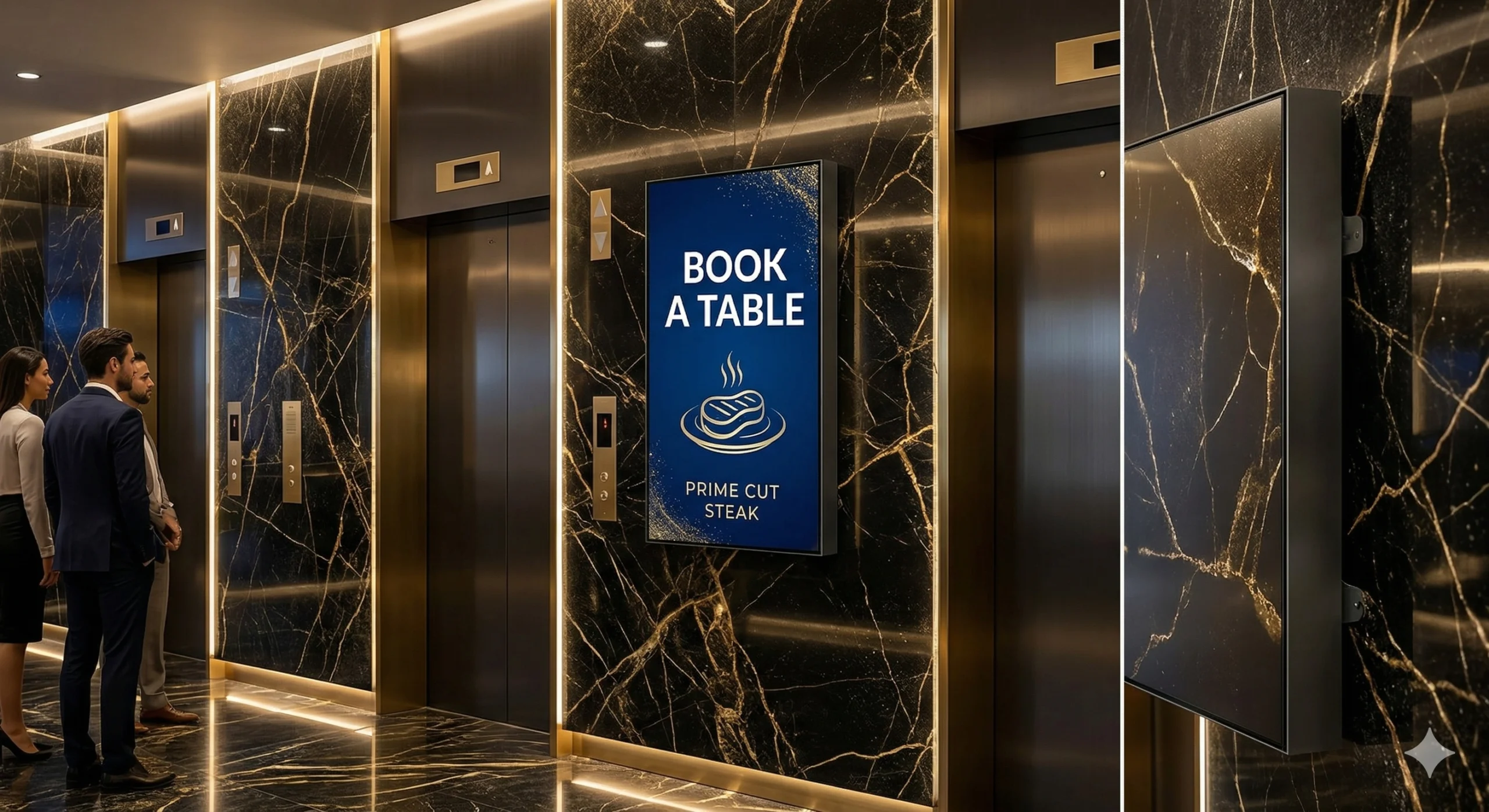
Two people by black marble elevators beside a high-brightness LED sign showing BOOK A TABLE, steak graphic, and PRIME CUT STEAK.

Integrated Resorts Increase Non-Gaming Revenue with Immersive LED Architecture

Casino resorts are making money in a different way than they did a decade ago. The biggest gains are no longer tied only to the gaming floor. More of the financial pressure now sits on rooms, restaurants, bars, retail, and the overall guest experience. That shift is changing how properties think about design. Instead of treating hallways, elevator banks, check-in counters, and premium lounges as simple transition spaces, many resorts are turning them into digital environments that hold attention and support spending. Surface-mounted, edge-to-edge LED displays are helping create those spaces by adding motion, atmosphere, and visual storytelling where guests already spend time. Recent data from the Nevada Gaming Control Board, the Experience Design Institute, the 2026 Global Hospitality Analytics Report, the 2025 American Express Travel Global Trends Report, and the 2026 Sprout Social Hospitality Index all point to the same conclusion: when a resort feels immersive, guests stay engaged longer, spend more in non-gaming areas, and are more likely to share the experience with others. When the resort experience drives the revenue For years, the casino floor carried the weight. Restaurants, hotel rooms, and lounges supported the main attraction. That model is changing. According to the Nevada Gaming Control Board’s April 2025 Abstract covering the fiscal year ending June 30, 2024, non-gaming activities including rooms, food, and beverage accounted for 64.2% of total revenue for large-scale Nevada licensees. That number matters because it confirms that the guest experience away from the gaming floor is now doing more of the heavy lifting. That changes the design conversation. If most of a resort’s revenue is coming from hospitality rather than gaming, then the spaces between destinations start to matter more. A hallway is no longer just a hallway. A check-in line is no longer just a queue. A premium bar is no longer just a waiting area before dinner. Each one becomes a place where atmosphere, anticipation, and visual impact can influence guest behavior. Why dwell time matters more than ever When non-gaming revenue drives the majority of performance, guest attention becomes a real business asset. The longer someone stays engaged in a premium zone, the more opportunity a property has to increase food and beverage sales, retail activity, and overall spend. The Experience Design Institute’s 2025 white paper on immersive environments found that architecturally integrated digital spaces extended average guest dwell time by 18 minutes. The same research found a direct connection between time and spending: every additional 10 minutes a guest spent in a premium lounge or transition zone was associated with a 6.4% increase in food and beverage capture rates. That is why LED architecture has become more than décor. It gives resorts a way to slow the moment down. A visually compelling space feels intentional. It invites guests to pause, look around, and take in what is happening. That extra attention can translate into stronger spending in the spaces that now matter most. Turning check-in into a revenue opportunity One of the most overlooked spaces in many resorts is the front desk. Guests are standing there anyway, but too often the area does nothing except process arrivals. Ultra-wide LED ribbons behind the check-in counter can change that dynamic. Instead of showing a blank wall or static backdrop, the property can use motion content to introduce the guest to what matters most inside the resort. A steakhouse, headliner, rooftop lounge, spa, sportsbook, or premium cocktail bar can all be featured before the guest even reaches the elevator. That matters because it turns waiting time into preview time. The display is not just filling space. It is shaping the guest’s first impression and helping guide where they may spend later that day. The 2026 Global Hospitality Analytics Report found that properties using dynamic architectural features saw a 124% increase in profitability in the specific zones where those displays were installed, including bars and retail corridors. That kind of result helps explain why resorts are rethinking where digital displays belong and what they should do. Why tech-forward design now feels like part of luxury This shift is also being pushed by guest expectations. Younger high-spending travelers have grown up in visually rich digital environments, and they notice quickly when a property feels dated. The 2025 American Express Travel Global Trends Report found that 73% of Millennial and Gen Z travelers prioritize resorts that offer visually immersive and tech-integrated environments. That does not mean every space has to feel like a nightclub or a gaming arena. It means the environment has to feel current, considered, and memorable. For casinos and integrated resorts, that creates a new standard. Luxury is no longer defined only by finishes, furnishings, and square footage. It is also shaped by how the space feels in motion. A property that delivers strong visual energy in the right places can feel more current, more premium, and more shareable. The social media advantage of immersive design There is also a marketing benefit that goes beyond the guest already on site. Some spaces naturally encourage photos, video clips, and social sharing. That kind of response is hard to buy because it comes from the guest, not the brand. The 2026 Sprout Social Hospitality Index found that resorts featuring digitally enhanced architectural elements saw a 40% higher rate of user-generated content. That matters because every photo or short video shared from a visually distinctive resort becomes another layer of exposure. It helps reinforce the property’s identity and extends the experience into social platforms where future guests are already looking for ideas. In other words, immersive LED architecture does not just influence the people standing in front of it. It can also influence the next round of guests who see it later online. Why this matters for casinos now Casino resorts are under more pressure than ever to make every zone work harder. If non-gaming revenue now drives most of the business, then design decisions have to support that reality. LED architecture gives properties a way to turn underused spaces into active

Full color LED digital display at Southern University - Baton Rouge, LA

The First 10 Minutes: How Large-Format LED Entryways Revolutionize Fan Engagement and Stadium ROI

Modern stadium management is shifting its focus from the “seat experience” to the “arrival experience.” With fan sentiment often cemented within the first 10 minutes of arrival, the stadium entryway has become the most critical real estate for engagement. This article explores the strategic implementation of large-format outdoor LED displays at primary gates—not merely as signage, but as revenue-generating “First Impression” engines. By leveraging high-brightness, edge-to-edge LED technology, venues can drive a 32% increase in pre-game sentiment, secure 20% higher sponsorship premiums through digital takeovers, and reduce concourse congestion by accelerating wayfinding. For the modern venue, the entryway LED is the bridge between a simple ticket scan and a premium fan experience. The Gateway Effect: Why the Entrance is Your Most Valuable Screen The traditional “gate” was a utility—a place to scan a barcode and move through a turnstile. However, data from a 2025 Sports Tech Journal white paper suggests that the “arrival window” is where fans form their final opinion on the value of the event. Venues that greet fans with dynamic, high-impact LED displays see a measurable shift in behavior compared to those relying on static vinyl or outdated, low-resolution boards. When a fan approaches a gate flanked by NEXT LED 9×16 vertical displays showing real-time social feeds or a 16×9 overhead “Game Ready” countdown, the psychological transition from “pedestrian” to “fan” happens instantly. This “Gateway Effect” isn’t just about aesthetics; it’s about setting the emotional tone for the next three hours. Driving Revenue Before the First Pitch The financial argument for entryway LED is anchored in two primary areas: direct retail spikes and premium sponsorship “Takeovers.” 1. The Retail “Flash Sale” Trigger Statistical evidence from the 2025 Minor League Baseball season proves that the entryway is a powerful sales funnel. Venues that utilized their gate displays to promote limited-time “Flash Sales”—such as a “20% off jerseys for the next 30 minutes”—reported a 12% spike in team store revenue during the first quarter of the game. By hitting the fan with a high-brightness call-to-action the moment they enter, you capture “intent to spend” before they reach their seats and settle in. 2. Commanding the “Digital Takeover” Premium Sponsors are no longer satisfied with being one of ten logos on a rotating loop. They want the “unavoidable” experience. A 2024 Sports Business Institute study found that “Digital Takeovers”—where every screen at a gate is synchronized to show a single brand’s content during peak entry—command a 15–20% higher ad rate. Because fans are funneled through these gates in a predictable flow, the impressions are guaranteed and high-impact. Engineering the Experience: The NEXT LED Difference For an entryway display to be effective, it must overcome the two biggest enemies of outdoor signage: Direct Sunlight and Aesthetic “Bezels.” Sunlight-Readable Performance Entryway signs are often subject to harsh, direct afternoon sun. A standard “TV-style” screen will wash out, rendering the investment useless during the hours fans are actually arriving. Our high-nit outdoor displays are engineered to maintain color saturation and contrast even in blinding 2:00 PM sunlight, ensuring that “GAME TIME 1 PM” is as clear as a printed poster. Seamless Edge-to-Edge Integration A major flaw in many stadium installs is the “black box” look—screens trapped behind thick metal frames. NEXT LED specializes in edge-to-edge pixel construction. By eliminating the bezel, the display becomes an architectural feature of the concrete facade rather than an afterthought. When the pixels go to the absolute edge, the content feels integrated into the stadium’s “skin,” a look that is increasingly demanded by high-end architects and venue owners. Operational Efficiency: Wayfinding and Crowd Flow Beyond revenue, there is a logistical “ROI.” Dynamic wayfinding—using the entryway LED to show gate-specific directions or “Find Your Seat” prompts—has been shown to reduce the average time to seat by 4.5 minutes per fan. In a 30,000-seat stadium, saving four minutes per person drastically reduces “concourse clogging.” This allows security to manage lines more effectively and, more importantly, gets the fan into the concourse—where they are closer to food, beverage, and retail outlets—much faster. The Social Media “Trigger” Finally, your entryway is your best organic marketing tool. Stadiums with high-resolution, “photo-worthy” LED architectures at the main gate report a 28% increase in organic social media check-ins on platforms like Instagram and TikTok within the first hour of gates opening. When fans take a “selfie” in front of a borderless, vibrant sign, they are providing free, high-authenticity advertising for your venue to their entire social network. Frequently Asked Questions on Maximizing Revenue and Engagement at the Stadium Gate What is the average lifespan of an outdoor stadium LED screen? A high-quality outdoor LED display is engineered for approximately 100,000 hours, which typically translates to 12 to 15 years of reliable performance in a stadium environment. Regular preventative maintenance on power supplies and cooling systems ensures the display remains in peak condition for the full duration of its lifecycle. How much does a large-scale stadium LED video wall cost to install? Professional stadium LED installations generally range from $75,000 to over $500,000. Total cost is driven by the screen’s square footage, the pixel pitch resolution, and the structural engineering required for wind loads. When integrated at entryways, these displays often pay for themselves through premium sponsorship “digital takeover” packages.  What is the best IP Rating for outdoor stadium displays? For permanent outdoor stadium signage, a minimum rating of IP65 is required to ensure the unit is dust-tight and resistant to high-pressure water jets. Higher-end systems often utilize IP67-rated components to withstand extreme tropical storms or frequent high-pressure power washing without compromising the internal electronics or pixel face.  Can outdoor LED screens be seen clearly in direct afternoon sunlight? Yes, provided the display produces between 5,000 and 13,000 NITs of brightness. This extreme luminous intensity allows the LED pixels to compete with direct, 2:00 PM sunlight, maintaining high contrast and vivid color saturation that standard consumer-grade screens cannot achieve in an unshaded outdoor environment.  Can you see a stadium LED sign from an airplane? While