Businesses hear a great deal about reaching customers online. Yet some of the companies most closely associated with the internet are also major buyers of advertising in physical places.
OAAA’s 2025 revenue report identifies technology and digitally native brands as 28% of the top 100 out-of-home advertisers. Its examples include Apple, Amazon, Google, Meta and OpenAI. Apple ranked first in total OOH advertising spending.[1] These are purchases of advertising space, not evidence that the companies are buying the underlying real estate.
The numbers describe a growing channel
U.S. OOH advertising revenue reached $9.46 billion in 2025, an increase of 3.6% from 2024. Digital OOH accounted for 36.3% of total revenue and grew 10.5%. Seventy percent of the top 100 OOH advertisers increased their spending compared with the previous year.[1]
These results show continued investment in the medium. They do not establish that every campaign delivers the same return, or that a local business should copy a national advertiser’s budget.
What can a local business learn from this?
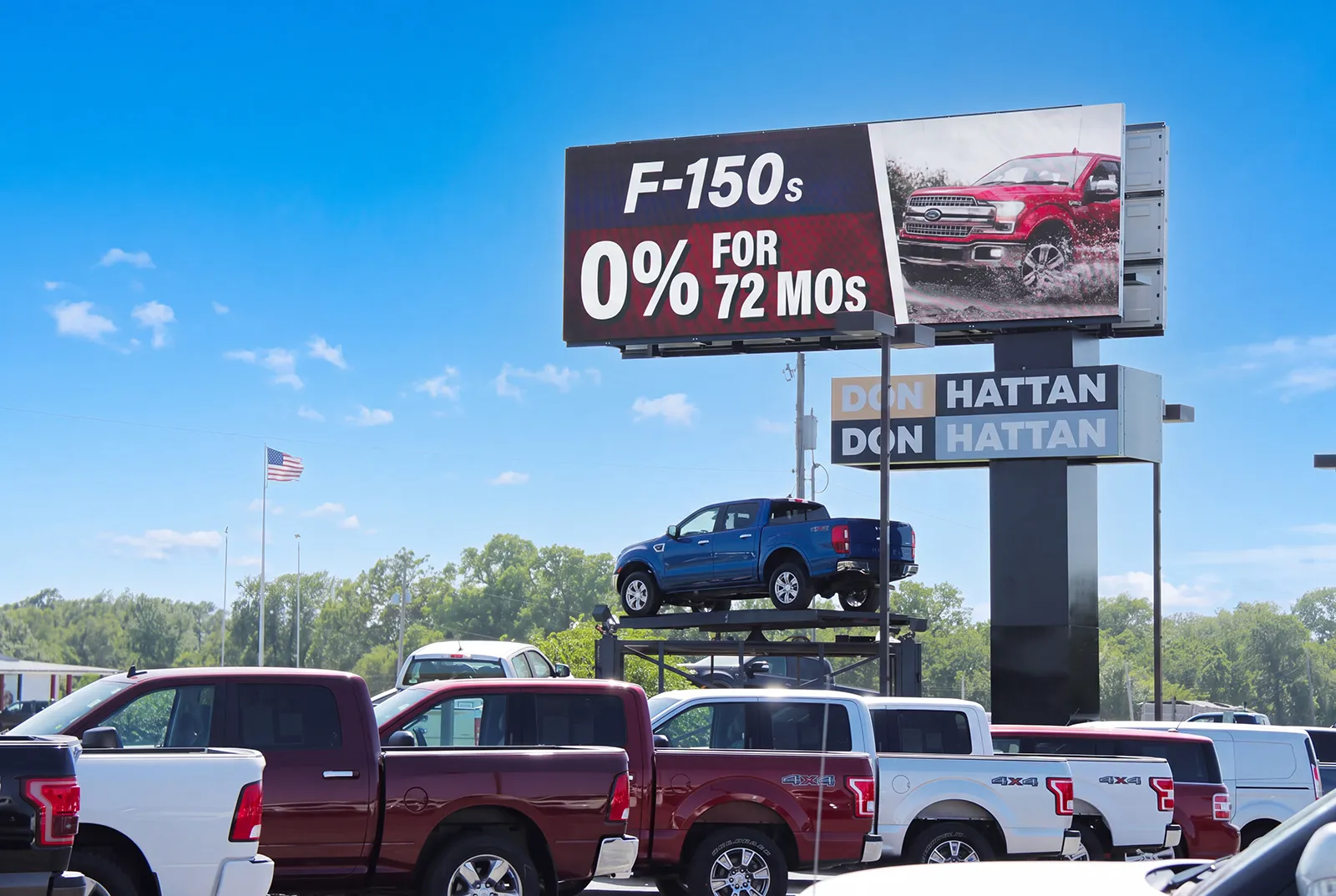
The practical lesson is to consider where customers encounter your business during their daily routines. A roadside display, storefront sign or campus screen can carry messages at the location where they matter. The value depends on visibility, audience, message quality and the action you want someone to take.
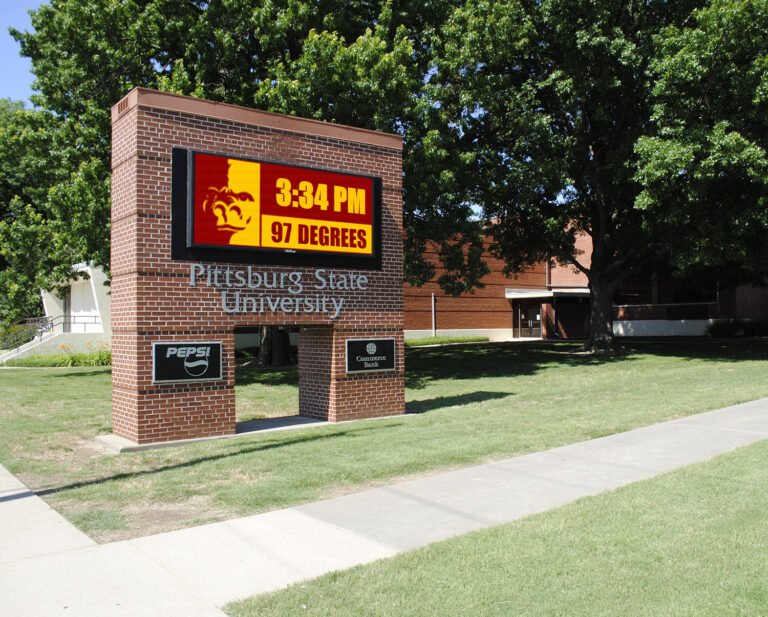
For a local business, that might mean clearly identifying an entrance, announcing a seasonal service or promoting an upcoming event. For a school, it might mean presenting timely announcements at a campus entrance. Start with a specific communication need rather than a broad promise of increased sales.
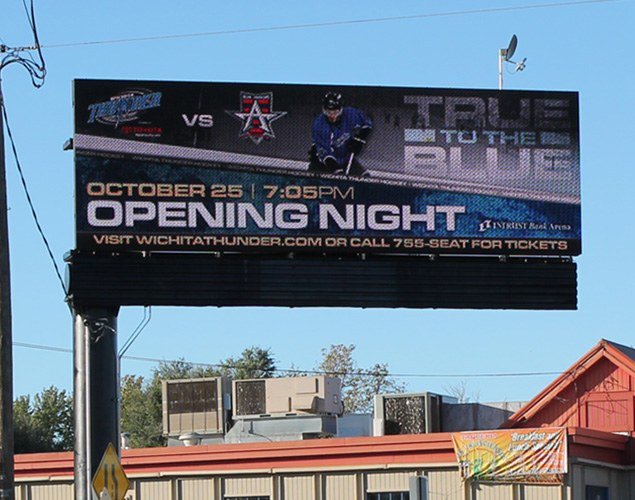
Also distinguish your own on-premises sign from an off-premises advertising campaign. National OOH spending covers many formats, including billboards, transit, street furniture and place-based media. It is not a measure of sales of business LED signs.
Use digital flexibility with a clear purpose
A programmable display allows different messages to be scheduled and updated. That flexibility is useful only if someone is responsible for the content. Establish who updates the display, how often messages change, and how you will check that outdated material has been removed.
Keep each message focused. Choose lettering, contrast and display dimensions around the actual viewing conditions. A design that looks effective on a laptop may need simplification for people approaching a roadside sign.
Plan how you will judge the result
Choose a useful measure before the campaign begins. Depending on the project, you might track event inquiries, use a dedicated offer code or ask customers how they heard about your business. Interpret the results alongside other marketing and seasonal changes; an increase in activity alone does not prove that the sign caused it.
The national data gives us a reason to take OOH seriously. The next decision is local: which display, message and location will help your organization communicate more clearly?
Talk with a real person at NEXT LED about your site, audience and communication goals.