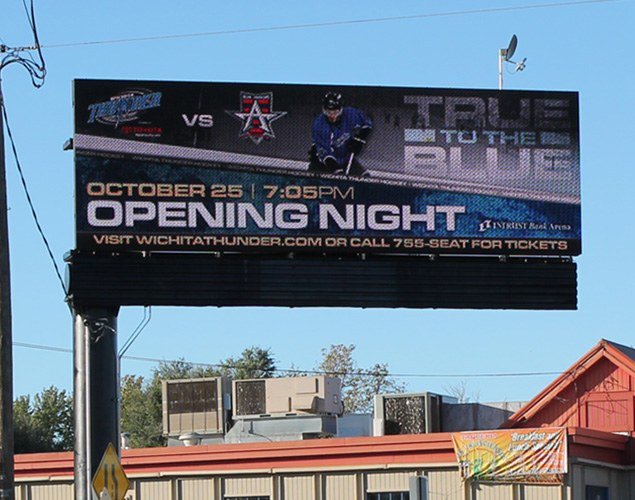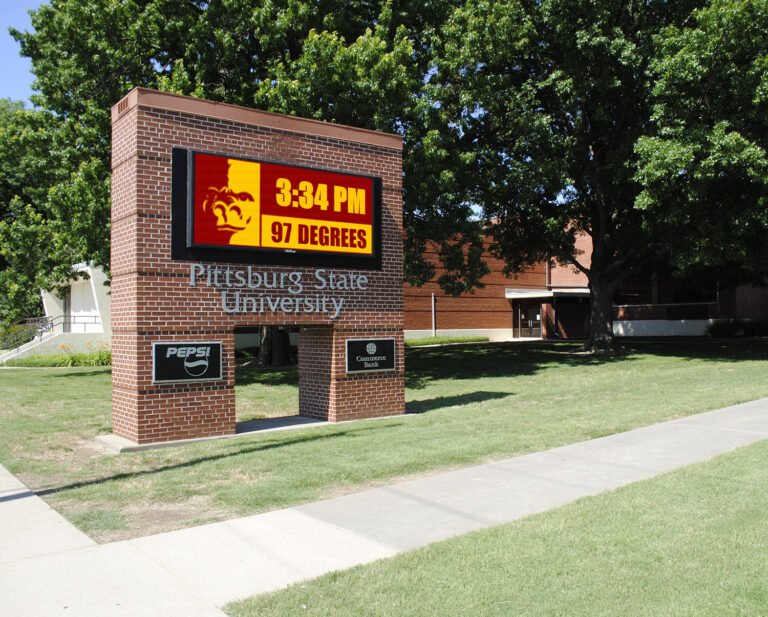
An LED sign can promote your business throughout the day. In the right location, it may also provide space for paid advertising. Before treating that opportunity as an income stream, however, confirm that your site, display and advertising arrangement are suitable.
The broader advertising market is growing. OAAA reports that U.S. out-of-home advertising revenue reached $9.46 billion in 2025, up 3.6% from 2024. Digital formats accounted for 36.3% of total OOH revenue and grew 10.5% year over year.[1] Those industry figures establish market demand; they do not predict earnings for an individual sign.
How can a sign owner sell advertising?
One option is to arrange sponsorships or advertising directly with local businesses. Another is to work with a media operator or a programmatic advertising platform. Programmatic systems automate parts of buying and delivering advertising, connecting available screen time with advertiser demand.
This requires more than installing a display. The operator needs compatible software, an approved inventory listing, appropriate audience information and a way to verify delivery. Vistar’s media-owner tools, for example, allow operators to choose what inventory to offer and how to price it.[2] Confirm the actual integration and responsibilities before purchasing equipment.
Check whether third-party advertising is permitted
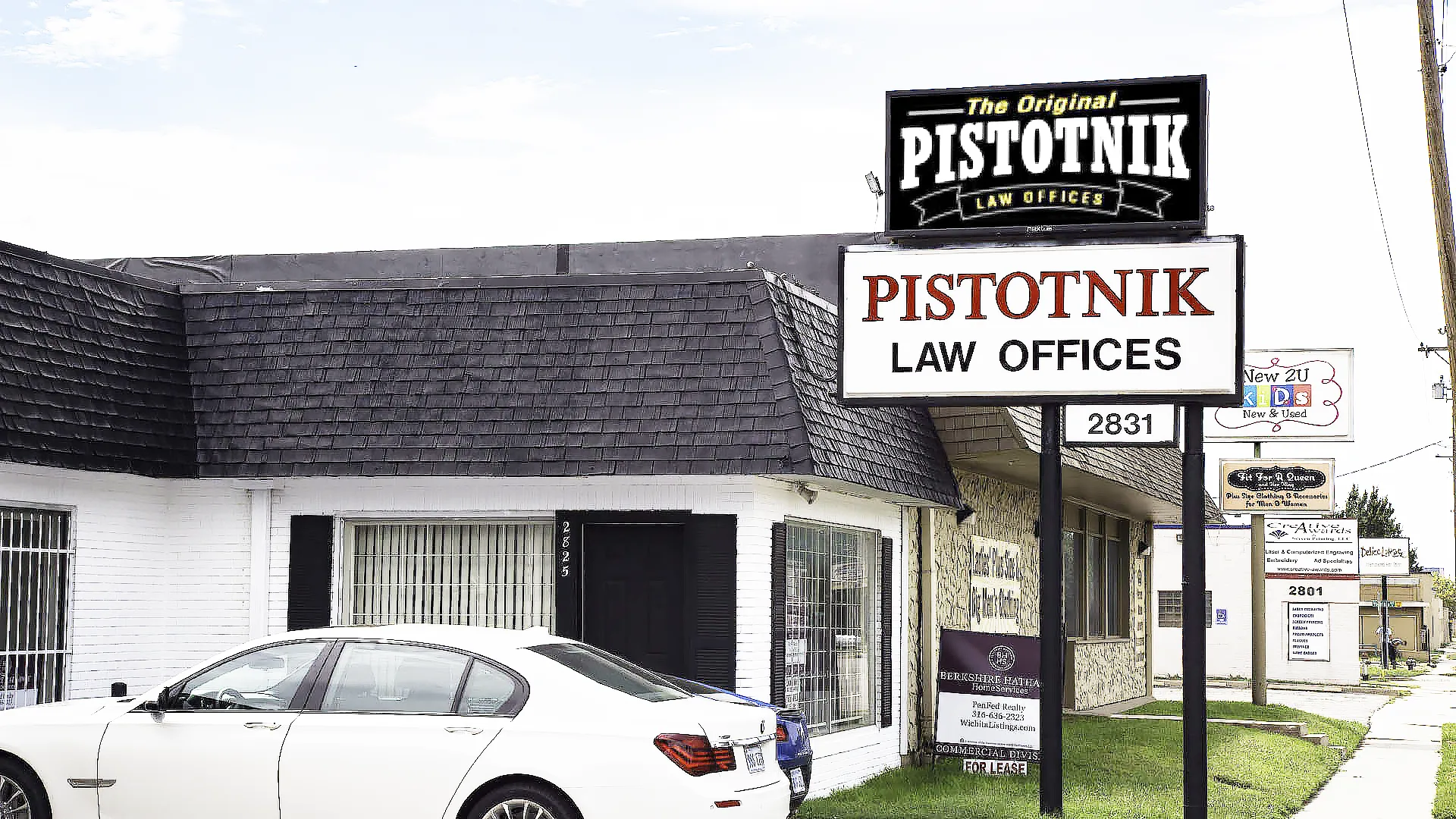
A sign advertising the business on its own property may be regulated differently from a sign carrying advertisements for businesses elsewhere. The U.S. Supreme Court’s decision in City of Austin v. Reagan National Advertising addresses this distinction; it does not create a single nationwide approval process.[3]
Ask the local planning department whether third-party advertising is allowed at your address. Confirm any changes to the sign’s classification, applicable permits, digital-display restrictions and whether state highway advertising rules also apply. Do not assume that an existing sign permit authorizes a new advertising use.
A variance or public hearing may be required in some circumstances. Neither is an automatic first step for every project. Get the requirements for the specific property before committing to an advertising agreement.
Confirm display and network requirements
There is no universal physical size that makes every screen eligible for programmatic advertising. Readability depends on viewing distance, traffic conditions, pixel pitch, message design and display size. Platform acceptance also depends on the network’s requirements.
Vistar documents creative specifications by venue and media owner, including resolution and aspect ratio.[4] Ask the intended operator to approve your proposed display and location in writing. A larger screen alone does not guarantee acceptance or advertiser demand.
Build a realistic revenue estimate
Request a written explanation of revenue sharing, platform fees, payment timing, advertising approval and any minimum commitments. Ask who sells the space, who handles billing and what happens when inventory goes unsold. A revenue split offered by one operator is not an industry-wide standard.
Estimate net income after electricity, connectivity, software, service and any operator fees. Advertising could help offset ownership costs, but there is no assurance it will pay for the sign. Keep enough screen time for your own messages, and confirm that you can reject unsuitable advertisers.
Plan for reliable operation and support
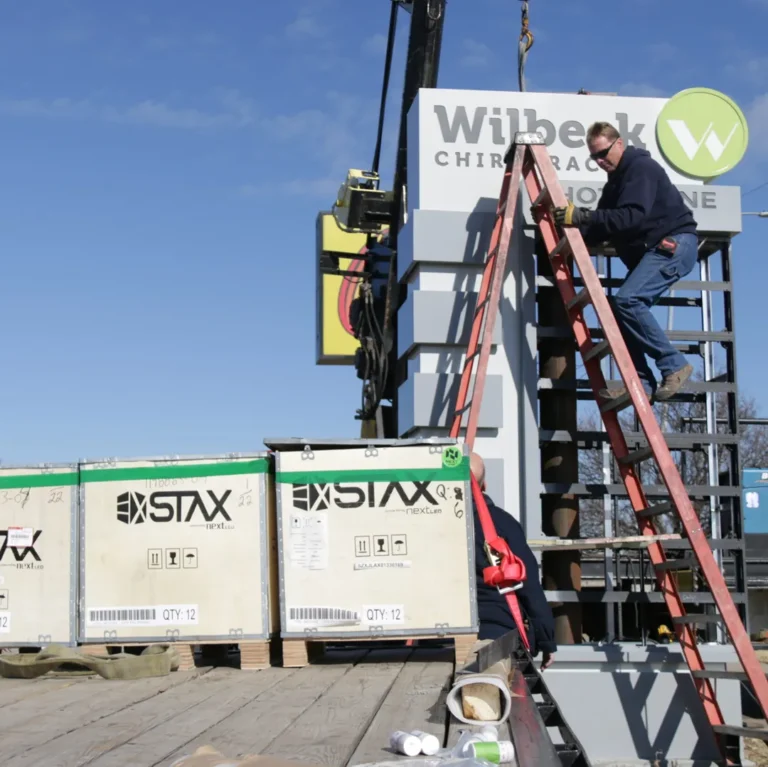
A display must operate and report delivery correctly for an advertising campaign to run as agreed. NEXT’s STAX construction removes cooling fans and other moving cooling components as potential service points.[5] That design does not guarantee uninterrupted operation or advertising income. Ask about monitoring, service access, warranty coverage and the response process if the display goes offline.
Start with the location
Before selecting a display for paid advertising, establish three things: permission to use the site, acceptance by the intended advertising operator, and a realistic operating budget. Then choose the size and configuration that fit the approved plan.
Talk with a real person at NEXT LED about the display and installation requirements for your location.