Tag

LED Scoreboards

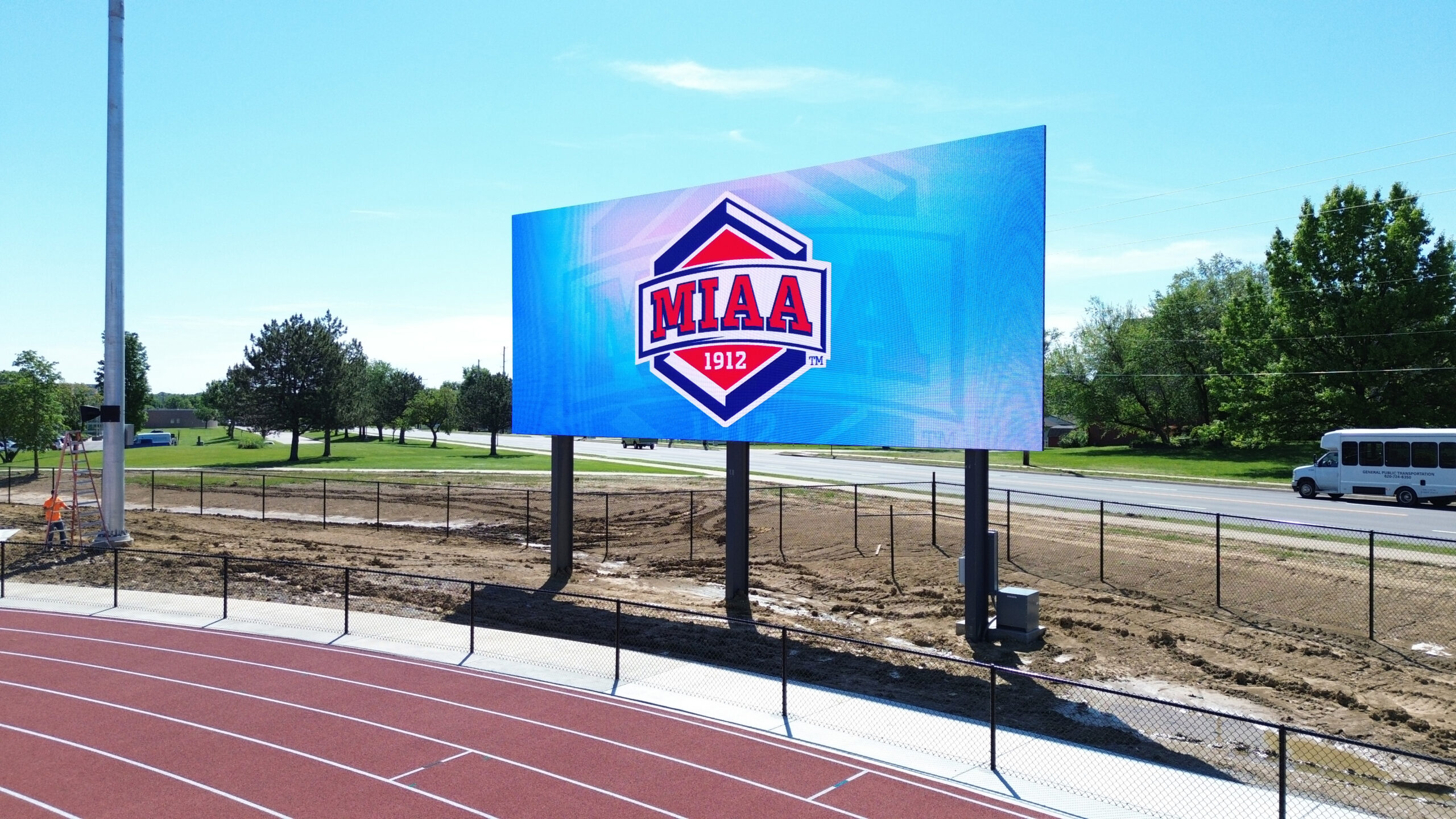
High-brightness LED electronic message center with MIAA 1912 logo by a running track; road, trees, and white bus in background.

Choosing the Right Pixel Pitch for a Sports Scoreboard or Video Board

When selecting an LED scoreboard or sports video display, screen size is only part of the decision. Pixel pitch also plays a major role in how sharp the content appears, how close spectators can sit and how much the display will cost. The goal is not always to purchase the tightest pixel pitch available. It is to select the resolution that delivers a clear, engaging experience from the distances where fans will actually view the display. What Is Pixel Pitch? Pixel pitch is the distance, measured in millimeters, between the centers of two neighboring LED pixels. A P4 display has pixels positioned approximately 4 millimeters apart, while a P10 display has approximately 10 millimeters between pixels. The smaller the number, the more closely packed the pixels are. A smaller pixel pitch generally provides: Greater image detail Smoother text and graphics Better visibility at close distances More pixels within the same display area A larger pixel pitch can still produce an effective image when the audience is farther away. From the proper viewing distance, individual pixels blend together to create a clear, unified picture. SMD LED pixels contain red, green and blue light within each pixel package. Pixel pitch measures the distance from the center of one pixel to the center of the next. Why Viewing Distance Matters The closest viewers usually determine the appropriate pixel pitch. Fans seated courtside may be only a few feet from a display, making a fine pixel pitch important. Spectators in a football stadium may be hundreds of feet from the main video board, where a larger pixel pitch can provide excellent visibility without adding resolution that the audience cannot appreciate. As a general guide: P2.5: Recommended minimum viewing distance of approximately 8 feet P4: Approximately 13 feet P6: Approximately 20 feet P8: Approximately 26 feet P10: Approximately 33 feet P12: Approximately 40 feet P16: Approximately 53 feet P20 and above: Approximately 66 feet or more These distances are useful starting points. The final recommendation should also account for the display’s physical size, content, location, brightness requirements and whether it will be installed indoors or outdoors. Recommended Pixel Pitch by Sports Application Basketball Scorer’s Tables and Courtside Displays Typical viewing distance: 20–80 feetSuggested pixel pitch: P2.5–P4 Courtside displays are viewed from relatively close distances and frequently present sponsor logos, animations, statistics and promotional messages. A tighter pixel pitch keeps text and graphics sharp for spectators seated near the court while also improving the display’s appearance in photographs and video coverage. Indoor End-Wall Displays Typical viewing distance: 50–150 feetSuggested pixel pitch: P4–P6 An indoor end-wall display must be visible from seating throughout the gymnasium or arena. P4 to P6 commonly provides a strong balance between image detail, viewing distance and overall value for these applications. This range works well for scores, player graphics, school branding, sponsor messages, animations and video content. Indoor Main Video Displays Typical viewing distance: 75–200 feetSuggested pixel pitch: P4–P8 Larger indoor facilities may require a main display capable of showing live video, instant replays, player introductions, statistics and sponsor content. The proper choice within the P4-to-P8 range depends on the closest seating, display size and level of detail in the content. Facilities with nearby seating or detailed video content may benefit from a tighter pitch. Displays viewed primarily from farther seating areas may perform very well with a larger pitch. High School Football Video Boards Typical viewing distance: 100–300 feetSuggested pixel pitch: P10–P16 Outdoor football displays are generally larger and viewed from much farther away than indoor scoreboards. A P10-to-P16 display can provide effective long-distance visibility for scores, video, graphics, school branding and advertising. Brightness and weather protection are also especially important for outdoor installations. The display must remain visible in direct sunlight and withstand changing environmental conditions. College and Professional Stadium Displays Typical viewing distance: 200 feet or moreSuggested pixel pitch: P16 and above Very large stadium displays are designed for long-range viewing. Because spectators are often hundreds of feet away, a larger pixel pitch can still create a strong visual experience—especially when paired with the correct display size and well-designed content. The total display dimensions, seating configuration and content plan should be evaluated together. A large screen with an appropriate pixel pitch can be more effective than a smaller screen with unnecessarily tight resolution. Pixel Pitch Is Only One Part of the Decision Viewing distance is the best place to begin, but it should not be the only consideration. A sports display should be designed around the complete venue and the way the screen will be used. Important considerations include: Distance from the closest and farthest spectators Indoor or outdoor installation Overall dimensions of the display Type and complexity of the content Text size and scoring information Live video and instant replay requirements Sunlight and brightness conditions Camera and broadcast visibility Available budget Content matters, too. A display used mainly for large scores and simple graphics may not require the same resolution as one showing detailed video, small statistics, sponsor advertisements and player profiles. The Best Pixel Pitch Is the One That Fits the Venue A tighter pixel pitch is not automatically the best choice, and a larger pitch does not necessarily mean poor image quality. The right solution provides the resolution spectators can appreciate from their actual viewing distance while making responsible use of the project budget. NEXT LED evaluates the venue, audience, display size and content goals before recommending a sports display. This helps schools, colleges and athletic organizations invest in a system that delivers the right visibility, experience and long-term value. OK Planning a New Sports Scoreboard or Video Display? Talk with NEXT LED about your venue, seating distances and content goals. We can help determine the appropriate display size and pixel pitch for your facility. NEXT LED Signs can help you think through the practical side of the decision, including scoreboard size, placement, visibility, sponsor messaging, content control, and long-term use. Call 888-359-9558 to talk through your scoreboard project. Call Now Contact Us
High-brightness LED electronic message center with MIAA 1912 logo by a running track; road, trees, and white bus in background.

Buying vs. Renting a Video Board: The True Cost for Schools

Renting a video board can look like the easier choice at first. There is no large purchase order. There is no long approval process. There is no equipment to maintain after the event. A vendor brings the board, sets it up, runs it, tears it down, and leaves. For a one-time event, that can make a lot of sense. However, when schools need a video board or LED scoreboard for recurring athletic events, the math changes quickly. Renting may feel cheaper because the first payment is smaller. But over multiple seasons, the cost can add up without creating any long-term value for the school. That is where many athletic directors, administrators, booster clubs, and business managers need to pause and ask a different question. Not just, “What does it cost this season?” But, “What does this cost over five years, and what do we have to show for it?” Why Renting a Video Board Feels Like the Smart Choice Renting appeals to schools for understandable reasons. A rented video board can solve an immediate problem. If a school has a championship game, tournament, graduation, homecoming event, or one-time community event, renting may seem practical. The benefits are easy to see: No major upfront capital expense No permanent installation decision No long-term ownership responsibility Vendor handles delivery, setup, and teardown Technical support may be included The school can test the experience before buying For schools working with tight budgets, those points matter. Nobody wants to make a large purchase without confidence that the investment will be used, supported, and valued. Renting can also feel lower risk. If the event is temporary, the need may be temporary too. However, that logic starts to break down when the video board is needed again and again. What the Rental Contract May Not Show You A rental quote usually shows the cost of one event or one rental period. That is helpful, but it does not always show the long-term pattern. Published rental pricing varies widely by screen size, location, outdoor rating, setup needs, and technician support. However, several LED rental sources show one-day LED video wall or screen rentals commonly falling in the thousands of dollars. CMG Visuals lists small LED wall rentals around $2,500–$5,000 per day and medium-to-large LED screens around 10–12 feet wide at roughly $3,500–$6,000 for one day. Insane Impact gives a similar starting range of about $3,000–$5,000 for a smaller one-day LED wall rental. Rent For Event lists outdoor LED screen rentals in Phoenix from $3,900/day for an 11.5’ x 6.6’ screen to $5,900/day for a 14.7’ x 8.2’ screen. Those numbers may not match every school, every market, or every event. But they do show why rental costs deserve a five-year calculation. A school that rents a board once may be making a smart short-term choice. A school that rents repeatedly for football games, tournaments, graduations, and special events may spend a significant amount without owning anything at the end. There may also be other details to ask about: Delivery fees Setup and teardown fees Technician or operator fees Weather policies Cancellation terms Power requirements Audio requirements Advertising rights Content control Damage responsibility Overtime or multi-day charges The headline rental price is only one part of the decision. The Ownership Math Schools Sometimes Skip Buying a school LED scoreboard is a bigger upfront investment. That part is obvious. What is less obvious is that ownership gives the school a long-term asset. The board can be used for more than one game, one season, or one event. A school-owned LED scoreboard can support: Football games Soccer games Track events Lacrosse games Graduations Pep rallies Band events Community events Sponsor recognition Student activities Emergency or schedule messaging School branding That changes the value calculation. A rental is a temporary expense. Ownership creates a reusable communication and revenue asset. The key question is not whether buying costs more on day one. It usually does. The real question is whether renting still looks cheaper after three, five, or ten years of repeated use. The Sponsorship Revenue Angle Changes the Conversation Sponsorship revenue is where ownership becomes especially important. A school-owned LED scoreboard can give local businesses a visible way to support athletics, students, and community events. Instead of selling only static banners or printed programs, schools can offer rotating digital sponsor messages during games and events. That does not mean every school will generate the same revenue. A large school with strong attendance, active boosters, and local business support may raise more than a small school with limited attendance or fewer sponsor prospects. However, even modest sponsor income can change the math. [INSERT GRAPHIC: Sponsorship Revenue Can Change the Math] A small school may not raise $15,000 a year. That is okay. Even $3,000–$5,000 per year can help offset the investment over time. Some high school athletic programs have reported generating meaningful advertising revenue after installing a digital scoreboard, especially when the sponsorship program is actively managed. Results vary by school size, attendance, community support, and how consistently the school sells advertising opportunities. Still, the larger point remains: scoreboard sponsorships can become a real funding source when the school owns the advertising inventory. Renting usually does not build this same long-term revenue opportunity for the school. If the rental vendor controls the board, the schedule, or the advertising inventory, the school ma so you have the sponsorship paragraph in the blog and you have a statement toy lose part or all of that sponsor value. The Sponsorship Revenue Angle Changes the Conversation Sponsorship revenue is where ownership becomes especially important. A school-owned LED scoreboard can give local businesses a visible way to support athletics, students, and community events. Instead of selling only static banners or printed programs, schools can offer rotating digital sponsor messages during games and events. That does not mean every school will generate the same revenue. A large school with strong attendance, active boosters, and local business support may raise more than a small school with limited attendance or

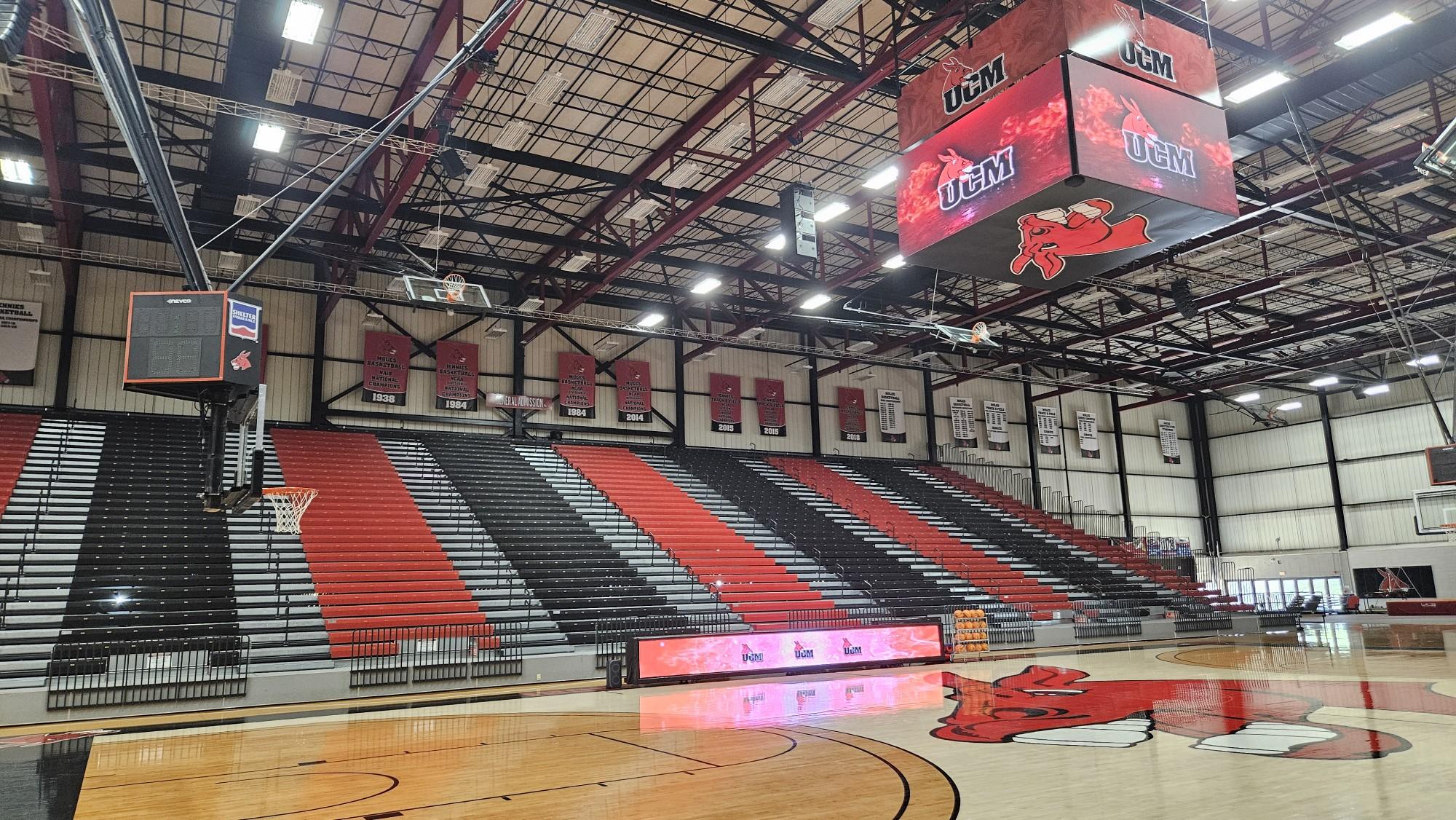
Spacious basketball gym with red, black, and white bleachers, banners, an LED electronic scoreboard showing UCM, and a red mule logo at center court.

What Schools Should Know Before Choosing a Center-Hung Video Scoreboard

https://www.youtube.com/watch?v=MalFYDwJiUk A center-hung video scoreboard can create a completely different experience inside a gym or arena. It becomes the visual focal point of the room, improves sightlines for spectators, and gives schools more flexibility for video, branding, sponsorships, and game-day presentation. But unlike a wall-mounted display, a center-hung system also comes with a different set of planning requirements. That does not mean it is overly complicated or something to avoid. It simply means the project needs to be approached with the right expectations from the start. The goal is not to turn buyers into engineers. It is to help schools understand the main pieces that need to be considered early so the project moves more smoothly once it reaches design, engineering, and installation. Start with the rigging plan A center-hung display is suspended from the building structure, so one of the first questions is how that load will be supported. This is where the rigging plan comes in. The rigging layout helps determine where the scoreboard will hang, how it will be balanced, and how the load will transfer back to the building. It also helps define the hardware and support points needed for a safe installation. For the buyer, the main takeaway is simple: a center-hung board needs to be planned as part of the building structure, not treated like a standard wall sign. Understand the attachment points Once the location is established, the next step is confirming how the display will connect to the structure above it. This is one of the most important parts of the project because the attachment details affect safety, load capacity, and long-term reliability. A properly engineered connection ensures the display is supported the way it should be and that the installation team has a clear path for mounting the system correctly. From a planning standpoint, this is why early coordination matters. If the support structure is confirmed early, the project stays cleaner and more predictable.   Think about the display itself as a system A center-hung video board is more than a box hanging from the ceiling. It is a system that includes the display structure, access considerations, power, data, and serviceability. That is why it helps to think beyond the screen itself. Questions like these matter: How will power and data get to the unit? How will the display be accessed for service if needed? What size and shape make sense for the room? How will the display be viewed from different seating areas? These are not red flags. They are simply part of making sure the finished installation works the way it should in everyday use. Clearance and sightlines matter One of the biggest advantages of a center-hung scoreboard is visibility. When it is placed correctly, it can serve a larger portion of the seating bowl more evenly than a single end-wall display. That said, clearance and viewing angles still need to be considered carefully. The board needs to be high enough to avoid interfering with the playing environment while still being positioned for comfortable viewing. This is why sightline planning is part of the conversation early. A well-placed display feels natural in the room. A poorly placed one can create compromises that could have been avoided. Why we’re showing these diagrams Most buyers never get to see this side of the process until a project is already far along. We think it helps to show it earlier. These drawings are here to make the planning process easier to understand. They are not meant to overwhelm anyone or suggest that the project is harder than it is. They simply show that center-hung scoreboards involve real coordination between the display, the structure, and the installation plan. That is actually a good thing. It means the project can be approached thoughtfully, with fewer surprises later. The right project starts with the right expectations If a center-hung LED scoreboard is the right fit for your venue, it can deliver a huge visual upgrade and create a stronger game-day experience for athletes, fans, and sponsors alike. The key is to start with a clear understanding of what the installation will require. When schools think through rigging, attachment, clearance, and viewing conditions early, the project is easier to plan and much easier to execute with confidence. Frequently Asked Questions About Center Hung LED Scoreboards What does a center-hung LED scoreboard cost? The investment for a center-hung scoreboard can vary quite a bit depending on the size of the display, the resolution, and how the system is configured. Smaller gymnasium installations can start in the lower price ranges, while larger multi-sided video displays used in bigger venues can scale significantly. What matters most is how the display is designed for your space. The right size, viewing distance, and layout will have a bigger impact than chasing specs or price alone. How heavy is a center-hung scoreboard? Weight depends on the size and configuration of the display. Smaller indoor systems may weigh a few thousand pounds, while larger multi-sided video boards in bigger venues can be substantially heavier. The key thing to understand is that it’s not just about total weight—it’s about how that weight is supported. That’s why structural evaluation is always part of the planning process. How are center-hung scoreboards mounted or supported? Center-hung scoreboards are suspended from the building’s roof structure using engineered support systems. This can include steel rigging, cable systems, or a hoist system that allows the display to be lowered for maintenance. The exact approach depends on the building and how the display will be used, but every installation is designed to safely distribute the load across the structure. Do I need special structural support for a center-hung scoreboard? In most cases, yes. A center-hung display needs to be supported by the building’s structural framework—not just surface-level materials. Before installation, the structure is reviewed to confirm it can safely handle the load. If needed, reinforcement can be added during the planning phase. This is a normal part of the process

Apex Indoor Digital Scoreboard | Next LED Signs

What Athletic Directors Should Know Before Buying a New Scoreboard

Buying a new scoreboard isn’t just about replacing what’s broken—it’s about choosing something that will hold up under pressure, fit your budget long-term, and actually work on game night. Athletic directors are juggling facilities, schedules, sponsors, and staff, so the last thing anyone wants is a scoreboard that creates more problems than it solves. This guide walks through what really matters before you commit.  https://www.youtube.com/watch?v=-1Qppj3kYEA It’s Not Just the Price Tag—It’s the Long-Term Commitment When people start looking at scoreboards, the first question is usually cost. And that makes sense—school budgets are tight, and every purchase gets scrutinized. A basic fixed-digit scoreboard might start around $3,000, but once you step into LED video scoreboards, the range widens fast. Most high school video scoreboards land somewhere between $30,000 and $150,000, depending on size, resolution, and whether the display needs to handle multiple sports. Large stadium installations can go much higher. What’s easy to overlook is that the purchase price is only part of the equation. Maintenance, software, repairs, and upgrades all factor into the real cost over time. A scoreboard that looks affordable upfront but requires frequent service calls can end up costing far more over its lifespan. Reliability Matters Most When the Stands Are Full A scoreboard doesn’t get a second chance during a playoff game or rivalry matchup. If it goes dark, everyone notices. Many older or lower-quality systems rely on components that wear out—fans, relays, and mechanical switches. These parts tend to fail at the worst possible time, often during peak season when the board is used most heavily. Modern LED scoreboards built with solid-state engineering remove many of those failure points. Fewer moving parts means fewer surprises, less downtime, and fewer emergency calls when the gym or stadium is packed. Indoor vs. Outdoor Isn’t Just About Location Indoor and outdoor scoreboards are built for very different conditions, and choosing the wrong type can create problems fast. Outdoor scoreboards need significantly higher brightness to stay readable in direct sunlight and must be sealed against rain, wind, and temperature swings. Pixel pitch also plays a role—outdoor stadiums usually use 10mm to 16mm spacing because viewers are farther away. Indoor displays don’t need extreme brightness, but they do need tighter pixel pitch—often 4mm to 6mm—so graphics and text stay sharp when fans are seated close to the screen. Matching the display to the viewing distance is key to making sure the board looks professional instead of pixelated or washed out. Revenue Potential Changes the Conversation One reason many schools move to LED video scoreboards is sponsorship flexibility. Unlike static signage, digital boards can rotate ads, highlight game-specific sponsors, and support special events. Some high school athletic programs have reported generating over $12,000 in advertising revenue within the first two months of installing a digital scoreboard. Over a few seasons, that revenue can significantly offset both purchase and maintenance costs—especially when sponsorships are managed consistently. The key is choosing a system that makes ad scheduling easy, so managing sponsors doesn’t turn into another full-time job. How Long Should a Scoreboard Really Last? Most modern LED components are rated for up to 100,000 hours of use, which can translate to 10 to 15 years for a typical school athletic program. But lifespan isn’t just about the LEDs themselves. Power design, thermal management, and ongoing parts availability all determine whether a scoreboard reaches its expected service life—or becomes difficult to maintain halfway through. Choosing a provider that supports their hardware long-term helps avoid situations where a functioning board becomes unusable simply because replacement parts are no longer available. Scoreboard Buying Guide: FAQ for Athletic Directors How much does a high school video scoreboard cost? Prices vary widely. Fixed-digit boards may start around $3,000, while LED video scoreboards for high schools typically range from $30,000 to $150,000. Large stadium displays can exceed that range depending on size and resolution. Can a digital scoreboard pay for itself through advertising? Yes. Many schools generate meaningful sponsorship revenue using rotating digital ads and game-day placements. Some programs report earning over $12,000 in ad revenue within just a few months of installation. What’s the difference between an indoor and outdoor LED display? Outdoor displays need higher brightness and weather protection, while indoor displays prioritize tighter pixel pitch for close viewing. Outdoor boards often use 10mm–16mm pitch, while indoor boards commonly use 4mm–6mm. Who operates the scoreboard during games? Most modern LED scoreboards are designed so schools can run them in-house, often with trained student crews or athletic staff. However, the operating software matters more than many buyers realize. Some scoreboard systems use basic control software included with the display, while others rely on advanced graphics, replay, or data-integration platforms that require annual licensing fees. In some cases, those software packages can range from a few thousand dollars per year to tens of thousands, depending on features and complexity. Athletic directors should ask upfront what software is required, what’s optional, and what ongoing license costs look like over the life of the scoreboard—not just in year one. What is the lifespan of a modern LED scoreboard? Most LED scoreboards are rated for up to 100,000 hours of use, translating to 10–15 years for school programs, assuming proper design and long-term parts support. If you’re evaluating whether your current scoreboard is still meeting the demands of your athletic program, it may be time to take a closer look at how newer systems improve reliability, reduce ongoing costs, and support multiple sports and events. For guidance on planning a scoreboard upgrade that fits your school’s needs and budget, call 888-359-9558 to speak with a specialist who understands K-12 athletic environments. Request a quote

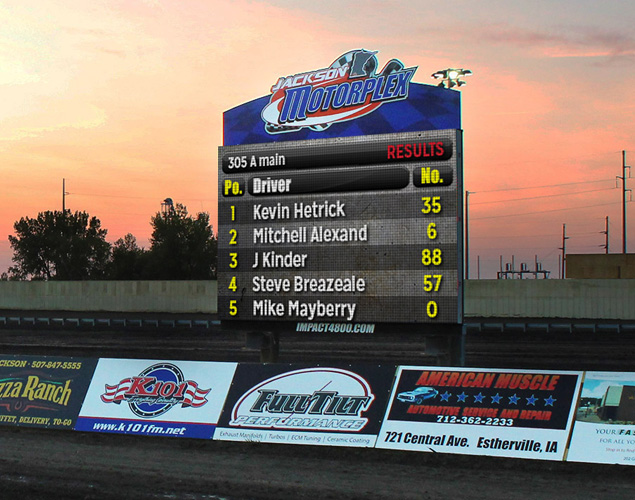
Digital Scoreboards for Schools featuring Jackson Motorplex - Jackson MN.

Digital Scoreboards Elevate Your School’s Athletic Programs

Take your school’s sports events to the next level with Next LED Signs. Our high-quality indoor digital scoreboards are designed for K-12 schools, offering more than just real-time game stats. With vibrant digital sign messages, instant replays, and custom features like player recognition, our LED scoreboards create a more engaging and exciting atmosphere for athletes, students, parents, and the entire school community.

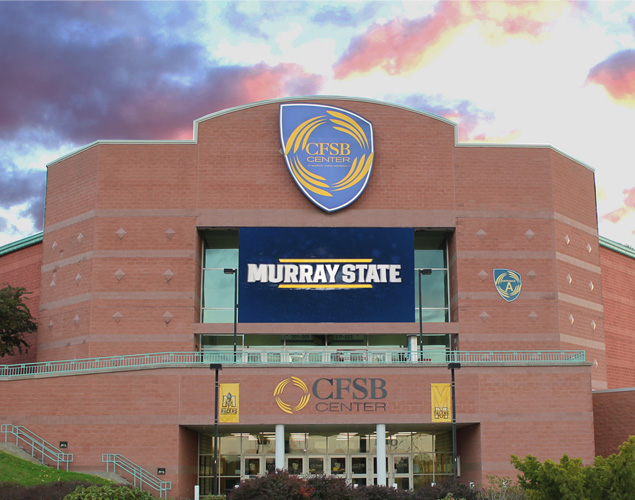
FLEX outdoor LED sign at Murray State University in Murray, KY.

Big Scores, Big Boards

Whether it’s the excitement of Friday night football under the stadium lights or the intensity of a high school basketball game, LED scoreboards have completely transformed how fans experience sports. Gone are the days of straining to see tiny numbers from the bleachers.

UCA

The Bright Future of Baseball

In baseball, the scoreboard is the heartbeat of the game—keeping fans informed, hyped, and engaged. While traditional manual scoreboards hold nostalgic charm, high-resolution LED video displays for sports stadiums are redefining the game-day experience.