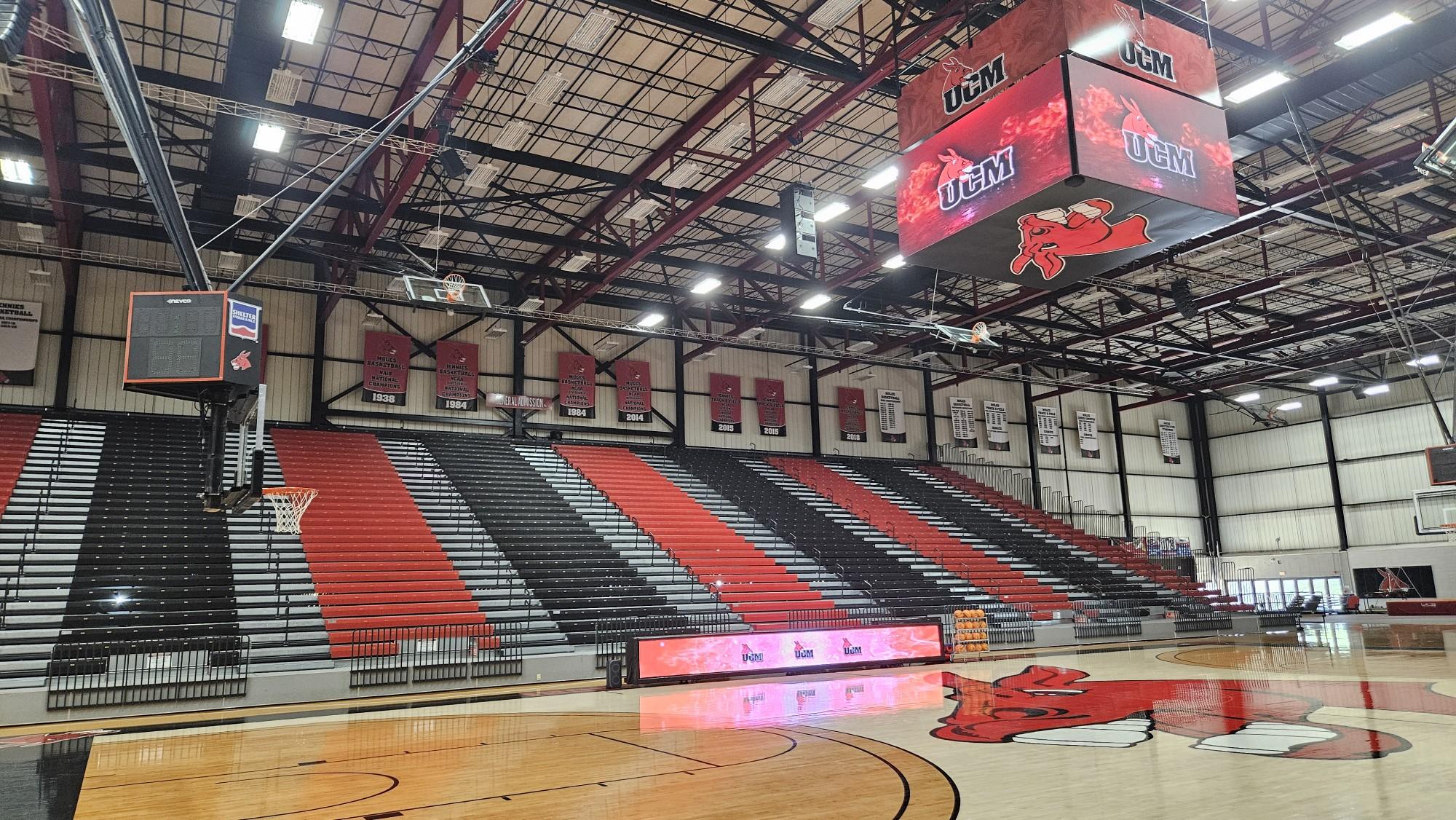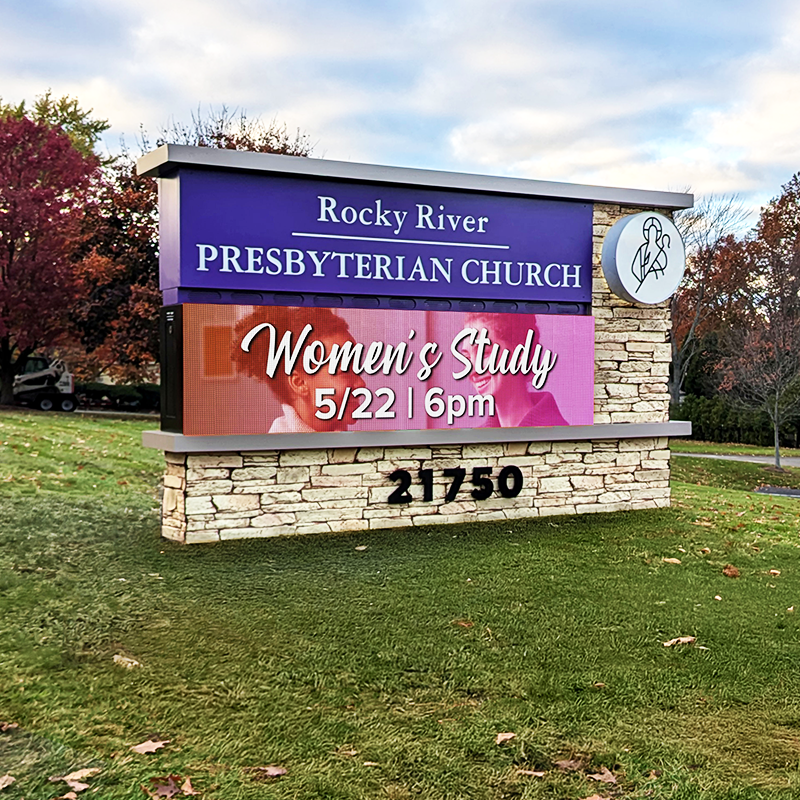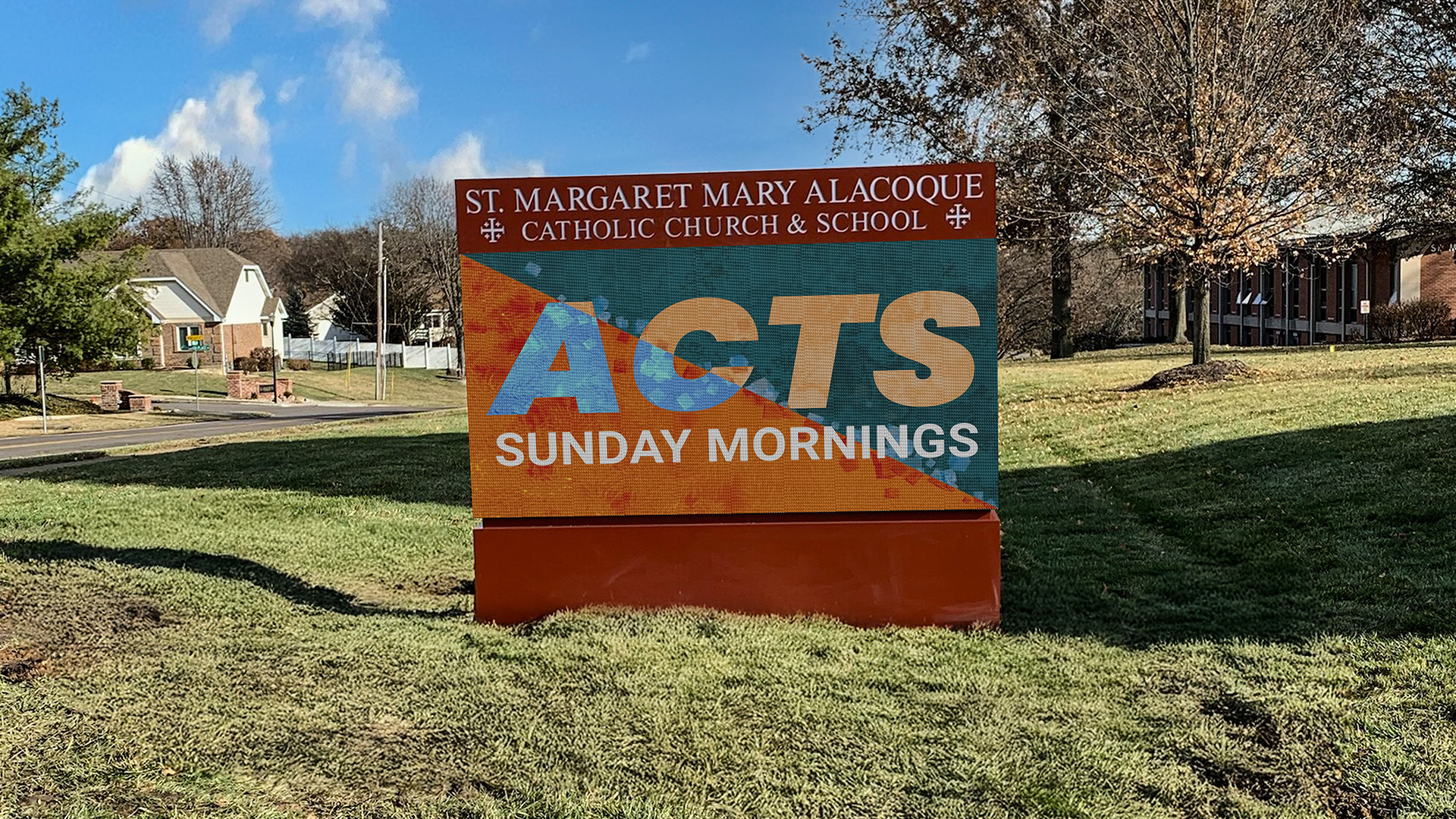
Buying vs. Renting a Video Board: The True Cost for Schools
Renting a video board can look like the easier choice at first. There is no large purchase order. There is no long approval process. There is no equipment to maintain after the event. A vendor brings the board, sets it up, runs it, tears it down, and leaves. For a one-time event, that can make a lot of sense. However, when schools need a video board or LED scoreboard for recurring athletic events, the math changes quickly. Renting may feel cheaper because the first payment is smaller. But over multiple seasons, the cost can add up without creating any long-term value for the school. That is where many athletic directors, administrators, booster clubs, and business managers need to pause and ask a different question. Not just, “What does it cost this season?” But, “What does this cost over five years, and what do we have to show for it?” Why Renting a Video Board Feels Like the Smart Choice Renting appeals to schools for understandable reasons. A rented video board can solve an immediate problem. If a school has a championship game, tournament, graduation, homecoming event, or one-time community event, renting may seem practical. The benefits are easy to see: No major upfront capital expense No permanent installation decision No long-term ownership responsibility Vendor handles delivery, setup, and teardown Technical support may be included The school can test the experience before buying For schools working with tight budgets, those points matter. Nobody wants to make a large purchase without confidence that the investment will be used, supported, and valued. Renting can also feel lower risk. If the event is temporary, the need may be temporary too. However, that logic starts to break down when the video board is needed again and again. What the Rental Contract May Not Show You A rental quote usually shows the cost of one event or one rental period. That is helpful, but it does not always show the long-term pattern. Published rental pricing varies widely by screen size, location, outdoor rating, setup needs, and technician support. However, several LED rental sources show one-day LED video wall or screen rentals commonly falling in the thousands of dollars. CMG Visuals lists small LED wall rentals around $2,500–$5,000 per day and medium-to-large LED screens around 10–12 feet wide at roughly $3,500–$6,000 for one day. Insane Impact gives a similar starting range of about $3,000–$5,000 for a smaller one-day LED wall rental. Rent For Event lists outdoor LED screen rentals in Phoenix from $3,900/day for an 11.5’ x 6.6’ screen to $5,900/day for a 14.7’ x 8.2’ screen. Those numbers may not match every school, every market, or every event. But they do show why rental costs deserve a five-year calculation. A school that rents a board once may be making a smart short-term choice. A school that rents repeatedly for football games, tournaments, graduations, and special events may spend a significant amount without owning anything at the end. There may also be other details to ask about: Delivery fees Setup and teardown fees Technician or operator fees Weather policies Cancellation terms Power requirements Audio requirements Advertising rights Content control Damage responsibility Overtime or multi-day charges The headline rental price is only one part of the decision. The Ownership Math Schools Sometimes Skip Buying a school LED scoreboard is a bigger upfront investment. That part is obvious. What is less obvious is that ownership gives the school a long-term asset. The board can be used for more than one game, one season, or one event. A school-owned LED scoreboard can support: Football games Soccer games Track events Lacrosse games Graduations Pep rallies Band events Community events Sponsor recognition Student activities Emergency or schedule messaging School branding That changes the value calculation. A rental is a temporary expense. Ownership creates a reusable communication and revenue asset. The key question is not whether buying costs more on day one. It usually does. The real question is whether renting still looks cheaper after three, five, or ten years of repeated use. The Sponsorship Revenue Angle Changes the Conversation Sponsorship revenue is where ownership becomes especially important. A school-owned LED scoreboard can give local businesses a visible way to support athletics, students, and community events. Instead of selling only static banners or printed programs, schools can offer rotating digital sponsor messages during games and events. That does not mean every school will generate the same revenue. A large school with strong attendance, active boosters, and local business support may raise more than a small school with limited attendance or fewer sponsor prospects. However, even modest sponsor income can change the math. [INSERT GRAPHIC: Sponsorship Revenue Can Change the Math] A small school may not raise $15,000 a year. That is okay. Even $3,000–$5,000 per year can help offset the investment over time. Some high school athletic programs have reported generating meaningful advertising revenue after installing a digital scoreboard, especially when the sponsorship program is actively managed. Results vary by school size, attendance, community support, and how consistently the school sells advertising opportunities. Still, the larger point remains: scoreboard sponsorships can become a real funding source when the school owns the advertising inventory. Renting usually does not build this same long-term revenue opportunity for the school. If the rental vendor controls the board, the schedule, or the advertising inventory, the school ma so you have the sponsorship paragraph in the blog and you have a statement toy lose part or all of that sponsor value. The Sponsorship Revenue Angle Changes the Conversation Sponsorship revenue is where ownership becomes especially important. A school-owned LED scoreboard can give local businesses a visible way to support athletics, students, and community events. Instead of selling only static banners or printed programs, schools can offer rotating digital sponsor messages during games and events. That does not mean every school will generate the same revenue. A large school with strong attendance, active boosters, and local business support may raise more than a small school with limited attendance or